Do Worms Like Coffee Grounds in the Compost? Expert Tips for Successful Composting
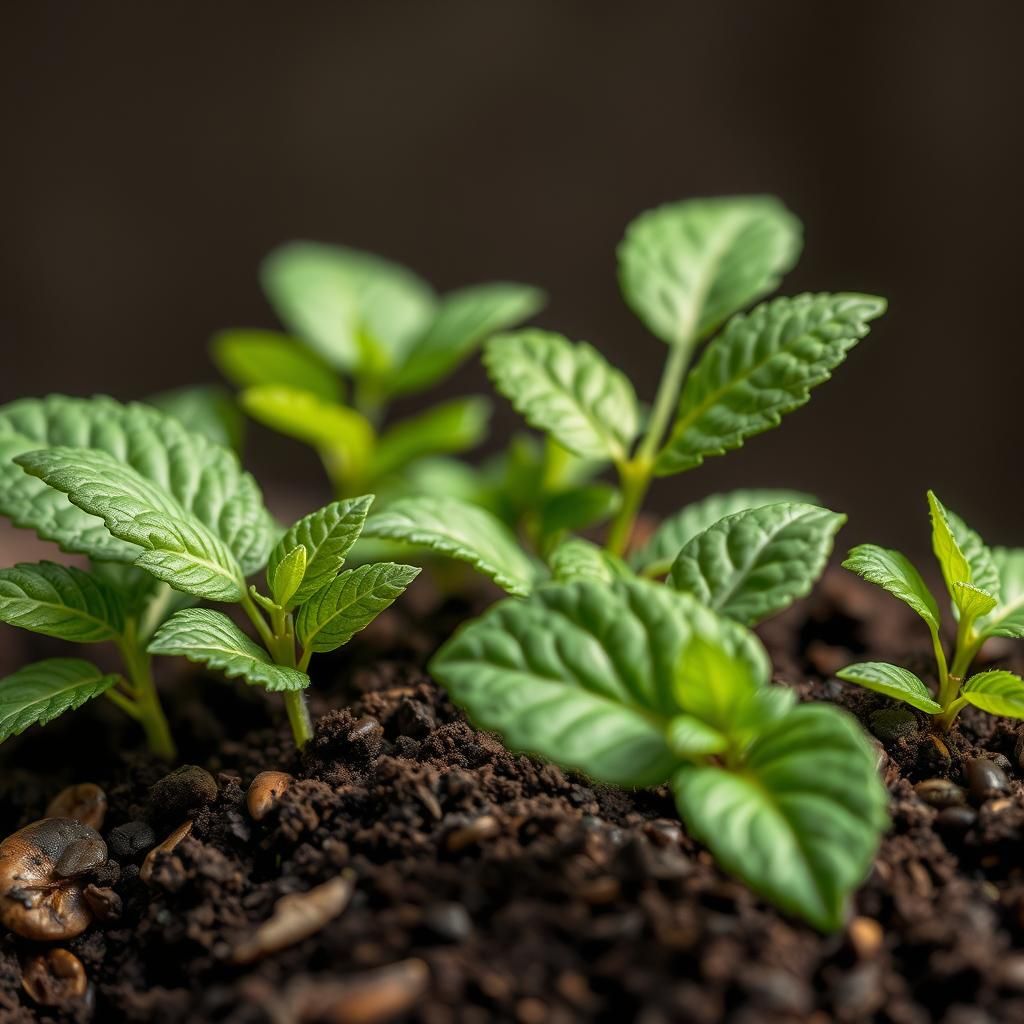
Composting is a sustainable way to recycle kitchen scraps and yard waste, but not all materials are equally beneficial for your compost pile. One question that often arises is whether worms, the unsung heroes of decomposition, enjoy coffee grounds. These aromatic remnants of our morning brew can offer various nutrients and enhance microbial activity in compost. However, their acidity and caffeine content raise questions about their compatibility with worm habitats. In this article, we’ll explore the relationship between worms and coffee grounds, providing expert tips for ensuring a thriving compost environment that benefits both your worms and your garden.
Do Worms Like Coffee Grounds in the Compost?
Worms are generally very fond of coffee grounds in the compost as they can enhance the overall quality of worm castings, which serve as an excellent fertilizer. The grounds provide a rich source of nitrogen, which is crucial for the worms’ digestion and overall health. Additionally, coffee grounds can help maintain the moisture levels in a compost pile and improve aeration, fostering a more efficient composting process. However, it’s vital to use them in moderation; excessive coffee grounds can lead to an overly acidic environment that may be harmful to worms. Therefore, incorporating a balanced mix of organic materials is essential for a thriving worm composting system.
1. Nutritional Benefits of Coffee Grounds for Worms
Coffee grounds are a rich source of nitrogen, which is essential for the growth and reproduction of worms. This nitrogen-rich material acts as a food source, enabling worms to convert it into nutrient-dense castings. These castings can then be used to enrich soil and promote healthy plant growth. Moreover, the presence of microorganisms in coffee grounds can further enhance the beneficial microbial activity in the compost, creating a more robust environment for the worms.
2. Effects of Coffee Grounds on Compost pH
While coffee grounds can provide numerous benefits, they can also impact the pH level of compost. Coffee grounds are slightly acidic, which means that if used excessively, they may lower the overall pH of your compost pile, making it too acidic for optimal worm activity. It's important to monitor the pH levels and ensure that you are mixing coffee grounds with other materials, like leaves and vegetable scraps, to maintain a balanced pH that promotes worm health and compost efficiency.
3. Best Practices for Adding Coffee Grounds to Compost
To maximize the benefits of coffee grounds for worms, it’s advisable to mix them with other organic materials rather than adding them in large amounts all at once. A good practice is to mix coffee grounds with kitchen scraps and carbon-rich materials such as dried leaves or shredded cardboard. This helps to create a balanced compost pile that provides a variety of nutrients for both the worms and the plants that will eventually benefit from the compost. Additionally, it's essential to ensure that the grounds are free from any chemical additives or flavorings.
4. Coffee Grounds and Moisture Retention in Compost
One of the added advantages of using coffee grounds in composting is their ability to help retain moisture. The fine texture of coffee grounds allows them to absorb water effectively, preventing the compost pile from drying out. Maintaining adequate moisture levels is vital for worm activity and the breakdown of organic matter. This characteristic makes coffee grounds a valuable addition, especially in drier climates or during hot weather when compost piles can quickly become desiccated.
5. Alternative Uses for Coffee Grounds in Gardening
Besides composting, coffee grounds can be used in various ways to benefit your garden. They can act as a natural pest repellent, deter slugs, and improve soil structure when added to garden beds. Additionally, coffee grounds can provide a boost in nutrients to plants that thrive in slightly acidic soils, such as azaleas and blueberries. The versatility of coffee grounds makes them a useful addition to many gardening practices, creating a more sustainable approach to managing kitchen waste while enhancing garden health.
| Material | Nutritional Value | pH Level |
|---|---|---|
| Coffee Grounds | High in Nitrogen | Acidic (around 6.0) |
| Vegetable Scraps | Moderate in Nitrogen | Neutral to Slightly Acidic |
| Dried Leaves | High in Carbon | Neutral |
| Shredded Cardboard | High in Carbon | Neutral |
Can I put coffee grounds in my worm compost?
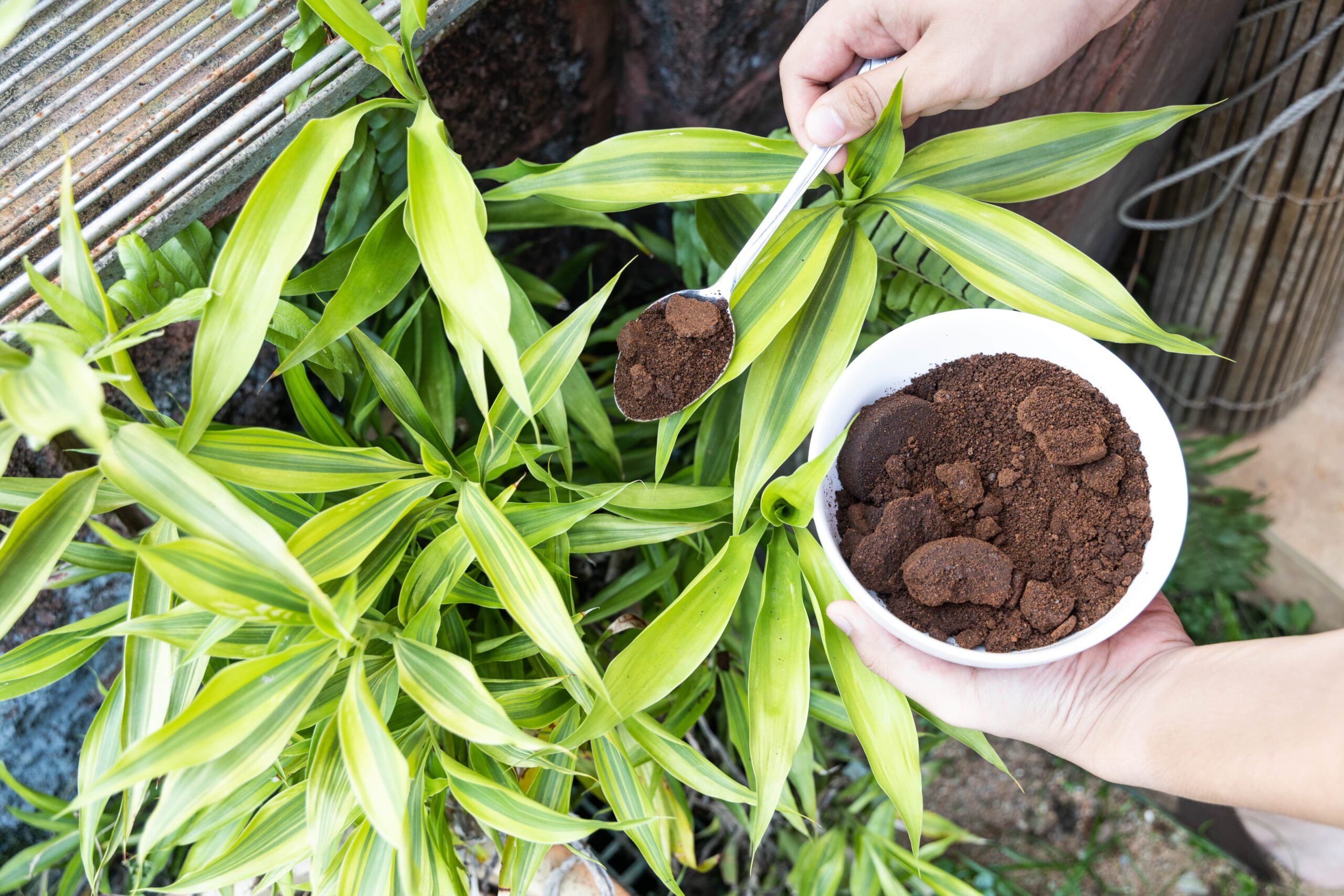
Yes, you can put coffee grounds in your worm compost, but it should be done in moderation. Worms, particularly the red wigglers commonly used in vermicomposting, enjoy a diverse diet, and coffee grounds can be a beneficial addition to their composting process. Here are some important considerations to keep in mind when adding coffee grounds to your worm compost bin.
Benefits of Coffee Grounds in Worm Compost
Coffee grounds are not just a food waste; they offer several benefits when added to your worm compost:
- Nutrient-Rich: Coffee grounds contain nitrogen, which is essential for worm health and growth.
- Flavor Enhancer: The acidic nature of coffee grounds can enhance the flavor of the worm’s diet.
- Texture Improvement: They help in improving the texture of compost, allowing for better aeration and drainage.
How Much Coffee Grounds to Add
While coffee grounds are beneficial, it's crucial to moderate their use to prevent potential issues:
- Moderation is Key: Aim for coffee grounds to make up about 10-20% of the total volume of food waste.
- Balance with Other Materials: Ensure that you are adding a variety of food scraps and carbon-rich materials to maintain balance.
- Watch for Reactions: If you notice a strong odor or undesirable conditions, reduce the amount of coffee grounds being added.
Effects of Overfeeding Coffee Grounds
Overfeeding worms with coffee grounds can have harmful effects on your composting system:
- Acidity Levels: Too many coffee grounds can raise the acidity levels in the compost, which may harm the worms.
- Decomposition Issues: Excessive coffee grounds can slow down the decomposition process due to their dense nature.
- Odor Problems: A large amount of coffee grounds can lead to unpleasant odors, indicating a problem in the compost bin.
Alternatives to Coffee Grounds
If you're concerned about overusing coffee grounds, there are alternative options to enrich your worm compost:
See also:
- Vegetable Scraps: Items like peels and cores add moisture and nutrients.
- Fruit Waste: Fruits are rich in sugars, which also attract beneficial microorganisms.
- Shredded Paper: Brown materials like shredded paper balance the compost and improve aeration.
Best Practices for Adding Coffee Grounds
To ensure that you're effectively adding coffee grounds to your worm compost, follow these best practices:
- Mix Thoroughly: Mix coffee grounds with other compost materials to prevent clumping.
- Use Filtered Grounds: If possible, use coffee grounds from filtered coffee to avoid introducing contaminants.
- Monitor Worm Health: Regularly check on your worms and the compost conditions to ensure a healthy environment.
Is too much coffee ground bad for worms?

Excessive coffee grounds can indeed be detrimental to worms, particularly in composting settings. While coffee grounds are often lauded for their benefits as a nutrient-rich amendment, they should be used in moderation. Overloading the soil or compost bin with too much coffee ground can create several issues that negatively impact worm health and their vital role in decomposing organic matter.
Nutrient Imbalance
An overabundance of coffee grounds can lead to a nutrient imbalance in the composting environment. Worms thrive in a balanced ecosystem where nutrients are well-distributed. Too many coffee grounds can create an excessive amount of nitrogen, which can overwhelm the worms.
- High Nitrogen Levels: Coffee grounds are rich in nitrogen, and excess nitrogen can lead to the production of ammonia, which is toxic to worms.
- pH Levels: The addition of too many coffee grounds can alter the pH level of compost, making it more acidic and potentially harmful to worms.
- Microbial Activity: An excess of nitrogen encourages certain types of bacteria that may not be beneficial for the health of the worm population.
Physical Environment
The physical structure of the compost or soil can be negatively affected by too many coffee grounds. When they are added in large quantities, they can clump together, leading to poor aeration and moisture retention.
- Clumping: Excessive coffee grounds can form clumps that restrict airflow, making it difficult for worms to move and for aerobic bacteria to thrive.
- Water Retention: Coffee grounds can retain water, creating soggy conditions that are often unsuitable for worm habitation.
- Compaction: The weight of too many coffee grounds can compact the compost, limiting space for worms to navigate.
Odor Issues
Using too much coffee ground can lead to undesirable odor issues in the compost. A compost pile overloaded with coffee can start to smell rotten or ammonia-like, which is not only unpleasant but also a sign that the composting environment is unhealthy for worms.
- Decomposition: Imbalance in decomposition due to too much nitrogen can produce foul odors that indicate anaerobic conditions.
- Attracting Pests: Unpleasant odors can attract unwanted pests such as flies and rodents, which can further disrupt the worm's ecosystem.
- Worm Health: Odors can indicate stress in the compost environment, which may adversely affect worm health and reproduction.
Alternative Additions
To prevent the adverse effects of too many coffee grounds, consider incorporating a variety of additional materials for a more balanced composting approach. This will not only benefit the worms but also enhance the overall health of the compost.
- Browns: Mix coffee grounds with high-carbon materials like dried leaves or cardboard to balance nitrogen levels.
- Vegetable Scraps: Adding a range of vegetable scraps can provide different nutrients that enhance biodiversity within the compost.
- Eggshells: Crushed eggshells can help to regulate pH levels and provide essential minerals for worm health.
Monitoring Worm Health
Regularly monitoring worm health is essential when adding coffee grounds into the compost mix. Observing how they react to various compost components can provide insight into maintaining a healthy environment.
- Population Health: Ensure that the worm population is stable and reproducing, indicating a favorable environment.
- Activity Levels: Watch for signs of increased or decreased worm activity, which can show their comfort level in the compost.
- Soil Structure: Assess the overall structure of the compost to ensure it remains aerated and conducive to worm movement.
Can I put too much coffee grounds in my compost?

Coffee grounds can be a beneficial addition to compost, but it is possible to use too much. The key is to maintain a balance within your compost pile to ensure proper decomposition. When coffee grounds are added in excessive amounts, they can lead to a variety of issues that can affect the overall health of your compost. Here are some important considerations and related topics.
Understanding Coffee Grounds in Compost
Coffee grounds are considered a green material and are rich in nitrogen, which is essential for composting. However, overloading your compost with coffee grounds can create an imbalance. Key points to consider include:
- They are high in nitrogen, which is beneficial but can lead to a nitrogen overload.
- Excessive coffee grounds may cause the compost to become too acidic.
- It can clump together, reducing aeration in the compost pile.
Effects of Too Much Coffee Grounds
Using an excess of coffee grounds can have adverse effects on your compost. It's important to understand the consequences to avoid poor compost quality:
- Overly acidic compost, which can harm plants when used.
- Slow decomposition rates due to reduced air circulation.
- Odors from anaerobic decomposition if the pile becomes compacted.
Ideal Ratios for Composting
Maintaining a proper carbon-to-nitrogen ratio is crucial for efficient composting. The ideal ratio is roughly 30:1 for carbon to nitrogen. Consider these tips:
See also:
- Mix coffee grounds with other materials like dried leaves or straw.
- Limit coffee grounds to no more than 20% of your total compost volume.
- Regularly check and adjust your pile for balance.
Benefits of Using Coffee Grounds
Despite the risks of using too much, coffee grounds can offer numerous benefits when used appropriately. Some of these benefits include:
- Improving the overall nutrient content of compost.
- Attracting worms and beneficial microorganisms that aid in decomposition.
- Enhancing soil structure when added to gardens or landscaping.
Alternatives and Supplementation
If you find yourself using more coffee grounds than recommended, consider balancing them with other compost materials. Here are a few alternatives:
- Incorporate brown materials such as cardboard or dried leaves to balance nitrogen levels.
- Add food scraps or manure that may complement the nitrogen in coffee grounds.
- Utilize coffee grounds in other ways, such as garden mulch or as a pest deterrent.
Are earthworms attracted to coffee grounds?

Yes, earthworms are generally attracted to coffee grounds. This attraction can be attributed to several factors, including the nutritional value, moisture retention, and the microbial activity that coffee grounds promote in the soil. When coffee grounds are added to the soil, they decompose and enrich the substrate, making it more appealing to earthworms.
Additionally, earthworms thrive in environments where organic matter is abundant, and coffee grounds serve as a great source of carbon. The presence of nitrogen-rich components helps create a balanced ecosystem in the soil, which is beneficial for earthworm populations.
Coffee Grounds as a Soil Amendment
Coffee grounds act as an excellent soil amendment due to their rich nutrient composition and ability to improve soil structure.
- They enhance water retention, helping to maintain moist conditions for earthworms.
- The nutrient concentration in coffee grounds, especially nitrogen, can help stimulate plant growth.
- Improving soil aeration and drainage, which is crucial for the survival of earthworms, is another benefit.
The Role of Microbial Activity
The addition of coffee grounds can increase microbial activity in the soil, creating a healthier environment for earthworms.
- Microbes break down the organic matter, which helps produce food for earthworms.
- This microbial breakdown releases essential nutrients, making them more accessible to plants and worms alike.
- A thriving microbial community leads to a more balanced and fertile ecosystem overall.
Optimal Conditions for Earthworms
Earthworms are more likely to thrive in environments enriched with organic matter, such as coffee grounds.
- They prefer damp conditions, and coffee grounds help retain moisture in the soil.
- Earthworms also seek out nutrient-rich environments, which coffee grounds provide.
- The presence of coffee grounds indicates a healthy, organic structure that earthworms favor for burrowing and reproduction.
Potential Downsides of Coffee Grounds
While coffee grounds have numerous benefits, there are some potential downsides that gardeners should be aware of.
- Excessive coffee grounds can lead to compaction, which might hinder earthworm movement.
- If not balanced properly, they can also create an overly acidic environment.
- Overuse may attract unwanted pests or contribute to mold growth, affecting the overall soil health.
Best Practices for Using Coffee Grounds
To maximize the benefits of coffee grounds while minimizing risks, follow these best practices:
- Mix coffee grounds with other organic materials to maintain balance in the soil.
- Use them in moderation, as part of a larger composting strategy.
- Ensure they are fully dried and avoid using excessively damp or moldy grounds.
Questions from Our Readers
Do worms like coffee grounds in the compost?
Yes, worms do like coffee grounds in the compost. They are rich in nitrogen, which is beneficial for the worms and helps to enhance the composting process. However, it's important to balance coffee grounds with other materials to maintain a healthy compost environment.
What benefits do coffee grounds provide to worms?
Coffee grounds provide several benefits to worms. They help increase the microbial activity in the compost, which is essential for breaking down organic materials. Additionally, the acidity of coffee grounds can aid in creating a balanced pH level in the compost pile.
Can too many coffee grounds harm worms?
Yes, too many coffee grounds can harm worms. While they enjoy coffee grounds, an excessive amount can lead to a toxic buildup of caffeine and acidity, which may negatively affect worm health and hinder the composting process.
See also:
How should coffee grounds be added to compost for worms?
Coffee grounds should be added to compost in moderation. A good practice is to mix them with other organic materials, such as kitchen scraps and garden waste, to ensure a balanced diet for the worms and optimize compost quality.

If you want to read more articles like Do Worms Like Coffee Grounds in the Compost? Expert Tips for Successful Composting, we recommend you check out our Compost category.
Leave a Reply
Related Articles