Do I Need Planning Permission for a Pergola? Essential Guide and Expert Tips
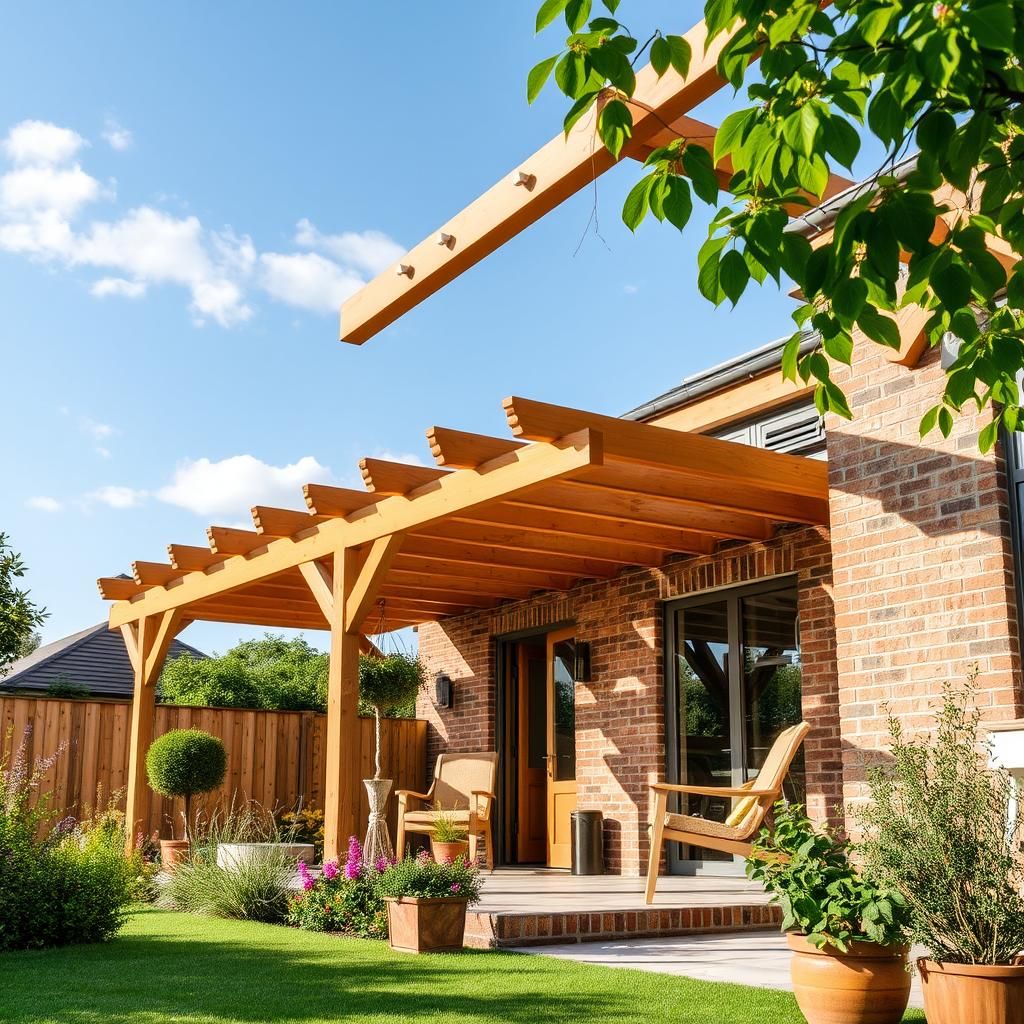
When considering adding a pergola to your backyard, one of the first questions that arises is whether planning permission is required. This essential guide will navigate the complexities of local regulations and zoning laws to help you determine the necessary steps before construction. With expert tips and insights, you’ll gain a clear understanding of when permission is needed, potential exemptions, and the importance of adhering to guidelines. Ensuring compliance not only helps avoid legal complications but also enhances the overall design and functionality of your outdoor space. Discover everything you need to know to confidently proceed with your pergola project.
Do I Need Planning Permission for a Pergola?
When considering the installation of a pergola, it's essential to determine whether you need planning permission. Generally, in many regions, you may not require planning permission for a pergola, especially if it meets certain size and height criteria, and is not located within a designated area, such as a conservation zone. However, local regulations vary significantly, so it's crucial to check with your local council or authority for specific guidelines that apply to your situation, as exceeding certain dimensions or altering the structure's purpose might trigger the need for a permit.
Understanding Local Regulations
Local regulations can differ greatly from one area to another, which is why it's vital to consult your local planning authority for accurate information. Most authorities publish guidelines outlining what structures are permissible without a permit, including size restrictions and specific materials that can be used. Additionally, if your property is in a conservation area or is a listed building, stricter rules may apply, and you might need a listed building consent.
Permissible Sizes and Heights
Typically, the sizes and heights of pergolas that do not require planning permission are defined in local legislation. For instance, in many areas, a pergola should not exceed a height of 2.5 meters when freestanding and should not occupy more than a certain percentage of your outdoor space. It's important to measure and ensure your project stays within these limits, as exceeding them may necessitate the submission of a planning application.
Impact on Neighbors
Another important factor to consider is the potential impact a pergola may have on your neighbors. If your structure is too large or obstructs a neighbor's light or view, it could lead to disputes. Most local councils encourage homeowners to take neighbor concerns into account, which could lead to needing a formal planning application to ensure community harmony and compliance with local standards.
See also:
Permitted Development Rights
In many regions, permitted development rights allow property owners to make certain improvements without needing to apply for planning permission. Pergolas often fall under this umbrella, provided they meet specific conditions. This legal framework is designed to simplify home enhancements while maintaining community standards. However, always verify your rights with your local authorities to ensure compliance with all applicable rules.
When to Apply for Planning Permission
If your pergola exceeds the size limits, intrudes upon neighboring properties, or is built in restricted areas, you will likely need to apply for planning permission. Moreover, if you plan to attach the pergola to your home or turn it into a permanent fixture, these actions might also necessitate a permit. Understanding when to apply can save you time and prevent potential disruptions in your project.
| Aspect | Details |
|---|---|
| Planning Permission Required | No, generally unless specific conditions apply |
| Common Restrictions | Size, height, and placement |
| Neighbor Impact | Must consider light and views |
| Permitted Development Rights | May allow without permission under certain conditions |
| Application Need | If exceeding standard limits or in restricted areas |
Understanding Local Regulations for Pergola Installation
When considering the installation of a pergola, it's crucial to first understand the local regulations that may apply. Each council or local authority has its own set of guidelines regarding permanent structures in residential areas, which often dictate the height, size, and location of the pergola. In many cases, if the structure falls within certain thresholds, it may qualify for permitted development, meaning no formal planning permission is required. However, it's essential to check with your local planning department to ensure compliance and avoid any potential fines or the need to remove the structure later on.
What is a Pergola?
A pergola is a semi-structured outdoor feature typically made up of vertical posts or pillars that support cross beams and an open lattice, allowing for partial shade and shelter. Unlike a fully enclosed structure, pergolas can enhance outdoor aesthetics while defining space, making them a popular choice for gardens, patios, and backyards. Understanding what constitutes a pergola is vital when considering whether you need planning permission, as its classification may differ based on local legislation.
Do I Need Planning Permission for a Pergola?
Whether or not you need planning permission for a pergola depends largely on factors such as its size, height, and location on your property. In many regions, small garden pergolas that do not exceed a certain height or footprint may fall under permitted development rights, eliminating the need for formal application. However, if the structure is intended to be closer to property boundaries or exceeds specific measurements, you will likely be required to seek planning permission.
See also:
Factors Influencing Planning Permission Requirements
Several factors can influence the requirement for planning permission when building a pergola. These include the proximity of the structure to neighboring properties, local zoning laws, and whether the pergola is constructed in a designated conservation area. Understanding these regulations can help you navigate the application process if necessary and ensure that your pergola complies with local standards.
How to Apply for Planning Permission
If your pergola requires planning permission, the application process typically involves several steps, starting with preparing detailed plans that illustrate the proposed design and its impact on the surrounding area. You will need to submit these plans along with a completed application form and any applicable fees to your local planning authority. Public consultation may also be part of the process, allowing your neighbors to voice any concerns before a decision is made.
Expert Tips for Building a Pergola
When planning to build a pergola, experts recommend conducting thorough research into local regulations and guidelines ahead of time. Consulting with a landscape architect or hiring a professional contractor experienced in outdoor structures can also provide valuable insights into materials, design options, and compliance with local laws. Additionally, consider the intended use of your pergola—whether for lounging, entertaining, or adding privacy—to ensure that the design meets your needs while adhering to any planning requirements.
Questions from Our Readers
Do I need planning permission for a pergola?
It often depends on the local regulations, but in many cases, you do not need planning permission for a pergola if it is a temporary structure and meets certain criteria. However, it is essential to check with your local council as requirements can vary significantly.
What factors determine if I need planning permission for my pergola?
The requirement for planning permission can be influenced by several factors, such as the size, height, and location of the pergola. Generally, if it exceeds specific height limits or is built in a conservation area, you may need to apply for permission.
See also:
Can I build a pergola without approval in a conservation area?
In a conservation area, it's crucial to consult with your local planning authority, as building a pergola might require planning permission due to stricter guidelines aimed at preserving the character of the area.
What should I do if I am unsure about planning permission for my pergola?
If you are uncertain, the best course of action is to contact your local planning office for guidance. They can provide you with the necessary information regarding permissible structures and any application processes you might need to follow.
https://youtube.com/watch?v=4kZKqhiUTUk
If you want to read more articles like Do I Need Planning Permission for a Pergola? Essential Guide and Expert Tips, we recommend you check out our Pergola category.
Leave a Reply
Related Articles