Can I Use Scissors Instead of a Pruning Tool? Exploring the Best Alternatives for Your Gardening Needs

When it comes to gardening, having the right tools can make all the difference in achieving healthy plants and a thriving garden. While traditional pruning tools are designed specifically for trimming and shaping, many gardeners often find themselves wondering if they can substitute them with ordinary scissors. This article delves into the practicality and effectiveness of using scissors as an alternative pruning tool. We'll explore their limitations, advantages, and possible scenarios where they might be applicable, along with other gardening tools that can serve as effective substitutes for specialized pruning needs.
Can I Use Scissors Instead of a Pruning Tool?
Using scissors instead of a pruning tool is possible, but it's not always advisable. Scissors are designed for cutting thin materials, and while they can effectively trim small branches or leaves, they may not provide the precision or strength required for more robust pruning tasks. They lack the sharpness and mechanical advantage of specialized pruning shears, which are crafted to handle thicker stems and promote healthier cuts. Moreover, using scissors can lead to uneven cuts that may harm the plant's health, making dedicated pruning tools a better option for maintaining the vitality of your plants.
Differences Between Scissors and Pruning Tools
The main difference between scissors and pruning tools lies in their design and purpose. Pruning shears are specifically engineered for cutting through woody stems and branches, featuring sharp blades and ergonomic handles to accommodate the force needed for such tasks. Scissors, on the other hand, are meant for lighter, more delicate cutting tasks. This difference means that while scissors can work for minor trimming, they won't perform well for serious gardening needs, where the durability and precision of pruning tools are essential.
When to Use Scissors for Plant Care
Using scissors for plant care is appropriate when dealing with very small, soft stems or for precise cutting of leaves, particularly in houseplants or when shaping herbaceous plants. They are also a handy tool for quick snips or minor maintenance tasks, such as harvesting herbs or deadheading flowers. However, gardeners should exercise caution and ensure that the scissors are clean and sharp to minimize damage to the plant and ensure healthier cuts.
Potential Risks of Using Scissors
While scissors can be utilized for basic cuts, there are several risks associated with this approach. One primary concern is the potential for damaging the plant due to dulling the blades over time. Dull blades can crush stems instead of providing clean cuts, leaving the plant vulnerable to diseases and pests. Additionally, scissors may not provide the necessary leverage for cutting thicker branches, resulting in padding rather than an effective pruning cut.
Best Practices for Using Pruning Tools
To achieve the best results when using pruning tools, gardeners should follow specific best practices, such as using the right tool for the job and ensuring all cutting instruments are sharp and sterilized before use. It is important to make clean cuts at a slight angle, which helps prevent water from pooling on the cut surface and promotes quicker healing. Moreover, pruning at the appropriate time of year is essential to minimize stress on the plant while maximizing its growth potential.
Alternative Tools to Consider
In addition to pruning cutters and scissors, there are various alternative tools available for gardening tasks. For instance, loppers are ideal for cutting larger branches due to their long handles, providing extra leverage. There are also electric or battery-operated pruning tools that can make the task easier, especially for those with limited strength. Each tool serves a unique function, so selecting the appropriate one based on the specific gardening task at hand is paramount.
| Tool | Best For | Limitations |
|---|---|---|
| Scissors | Cutting small leaves and soft stems | Cannot handle woody branches |
| Pruning Shears | Trimming and shaping plants | Limited reach on high branches |
| Loppers | Cuts larger branches efficiently | Can be cumbersome for detailed work |
| Electric Pruners | Effortless cutting of multiple branches | Requires charging or electricity |
| Shears | General trimming of hedges and shrubs | Not suitable for thick branches |
What can I use if I don't have pruning shears?
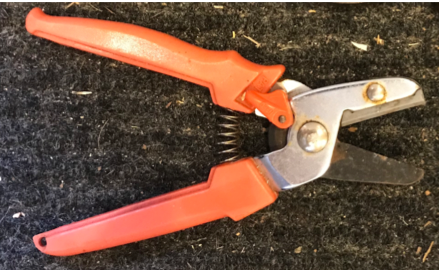
If you don't have pruning shears, there are several alternatives you can use for cutting plants, branches, or flowers in your garden. Here’s a detailed list of options that can serve as effective substitutes:
Kitchen Scissors
Kitchen scissors can be a practical alternative if you need to perform light pruning tasks. These scissors are typically sturdier than regular paper scissors and can handle small stems and branches.
- Versatile Use: They are useful for a range of other kitchen tasks.
- Comfortable Grip: Many kitchen scissors are ergonomically designed, making them easier to use for extended periods.
- Easy to Clean: After pruning, you can easily wash them to maintain hygiene.
Garden Knife
A garden knife, or a trowel with a sharp edge, can also be helpful for cutting through stems and small branches. This tool is especially useful for removing weeds or slicing through tough roots.
See also:
- Sharp Blade: A well-maintained blade can make quick work of tougher materials.
- Multi-Purpose: Besides pruning, it can be used for digging and transplanting.
- Portability: Most garden knives are lightweight and easy to carry around the garden.
Hand Pruners
If you have hand pruners, which are often used for lighter jobs, these can be a great alternative to pruning shears. They are designed to make precise cuts on thinner branches and plants.
- Precision Cuts: Perfect for delicate plants or flowers.
- Less Strain: Since they require less hand strength, they can be easier on your wrists.
- Compact Design: They are easy to store and carry.
Saw
For larger branches, a small hand saw may be necessary. While not as common for pruning, a saw can make clean cuts on thicker plants.
- Effective for Heavy Duty Cuts: Can tackle branches that are too thick for scissors or knives.
- Variety of Sizes: Available in various sizes to suit different pruning needs.
- Long-Lasting: A good quality saw will last for years with proper care.
Cable or Wire Cutters
Cable or wire cutters can be an unconventional but useful option for pruning certain types of plants, especially if they have thick stems that can be more easily cut by these tools.
- High Cutting Power: Designed to cut through strong materials, making them effective for tougher stems.
- Easy to Use: They can be operated with one hand, minimizing strain.
- Specific Use Case: Best for specific types of plants where other tools may falter.
Can I prune a tree with scissors?
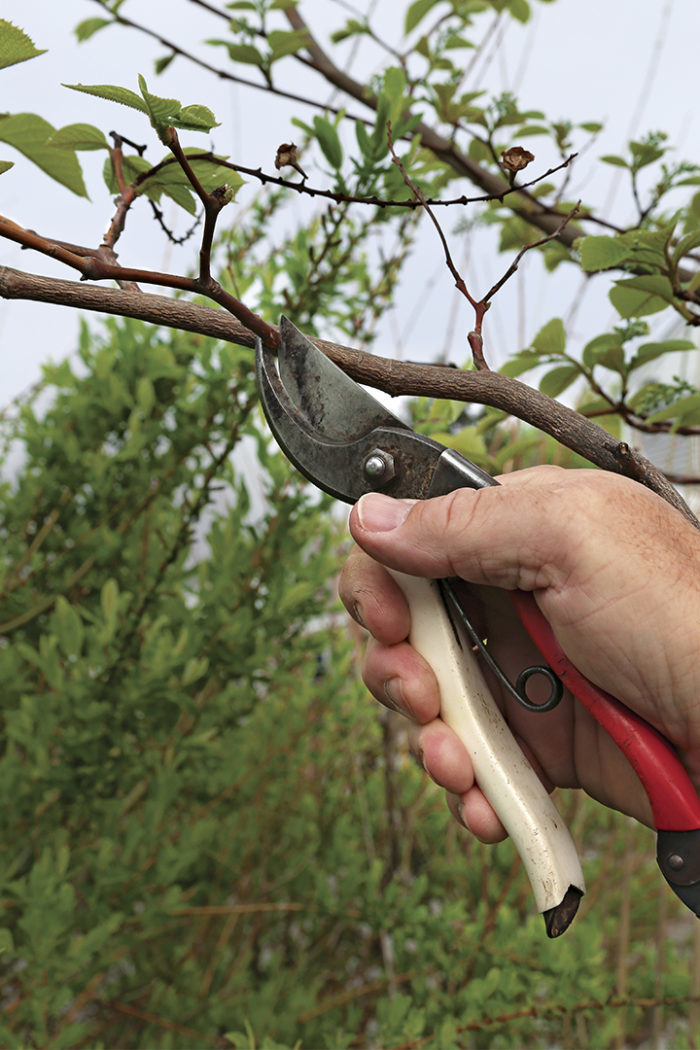
Pruning a tree is an essential part of tree maintenance, as it promotes healthy growth and enhances the tree's aesthetic appeal. However, the tools used for pruning play a crucial role in ensuring the process is effective and safe. While it is technically possible to use scissors to prune a tree, it is not advisable for several reasons.
Using scissors for tree pruning can lead to improper cuts and may not be efficient for larger branches. Scissors are designed for cutting thin, manageable materials, such as paper or fabric, rather than the thicker branches typically found on trees. This can result in tears in the tree bark and potentially harm the tree's overall health.
Understanding the Purpose of Pruning
Pruning serves multiple purposes that benefit the tree and its surrounding environment. Here are some key reasons for pruning:
- Encouraging Growth: Pruning removes dead or diseased wood, enabling the tree to focus its energy on new growth.
- Shaping and Aesthetics: Proper pruning helps maintain the shape of the tree, contributing to its visual appeal.
- Improving Air Circulation: Removing excess branches allows for better air circulation, reducing the risk of fungal infections.
Types of Tree Pruning Tools
Using the right tools is crucial for effective pruning. Here are some commonly used tools:
- Pruning Shears: Ideal for cutting small branches, providing clean cuts.
- Loppers: Great for medium-sized branches; they offer more leverage than pruning shears.
- Pruning Saws: Best suited for larger branches; they create cleaner cuts than scissors would.
The Risks of Using Scissors
While scissors might seem convenient, they pose various risks when used for pruning trees:
- Injury to Tree: Utilizing scissors can cause jagged cuts that damage the bark, making trees vulnerable to pests and diseases.
- Personal Injury: The lack of control with scissors can lead to accidents, particularly if trying to reach high branches.
- Ineffective Cuts: Scissors will struggle with thicker branches, making it an inefficient tool for pruning.
Best Practices for Tree Pruning
To ensure effective pruning, follow these best practices:
- Choose the Right Time: Prune during the dormant season, typically late winter or early spring.
- Make Clean Cuts: Utilize proper tools, like pruning shears or saws, to ensure clean cuts that promote healing.
- Observe Tree Health: Regularly check the tree for signs of disease or pests before deciding on pruning.
Alternatives to Scissors
If you envision pruning your tree, consider alternatives that are better suited for the task:
See also:
- Hand Pruners: Perfect for small to medium branches; they ensure a neat cut without damaging the tree.
- Pole Pruners: Useful for reaching high branches without the need for ladders.
- Chain Saws: Effective for large branches but should be used with care and proper safety equipment.
Can you use scissors to pinch plants?
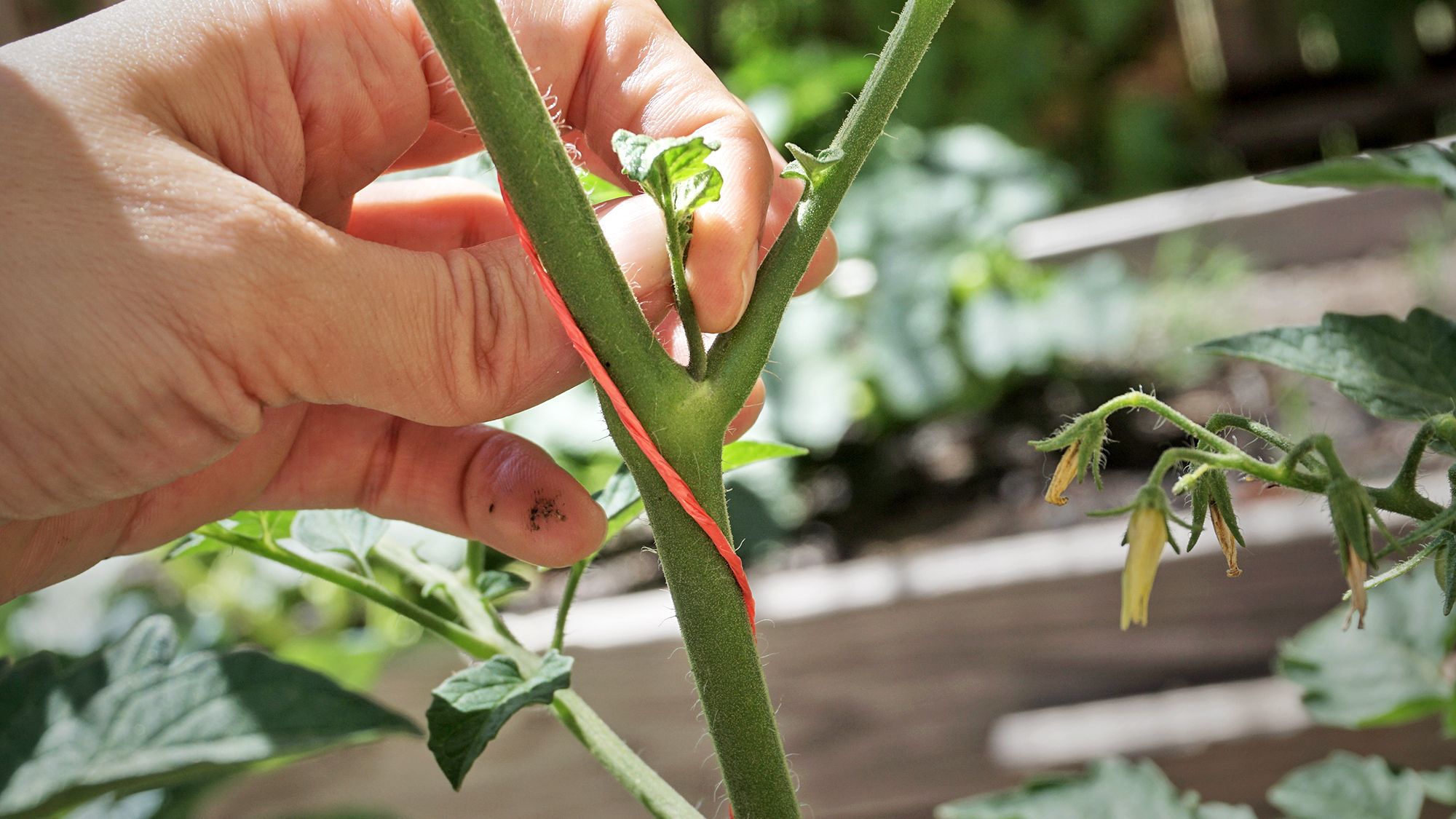
Using scissors to pinch plants can be an effective technique, particularly for gardeners and plant enthusiasts looking to manage growth, encourage bushiness, or promote new shoots. Pinching refers to the method of removing the tips of young plant stems to stimulate branching and a fuller appearance. While scissors are not traditionally the first choice for this task, they can certainly be utilized with some considerations.
Understanding the Purpose of Pinching
Pinching is a gardening technique aimed at promoting healthy growth and fuller plants. By removing the top growth of a stem, you allow the plant to redirect its energy to the side shoots, leading to a bushier appearance. This method is common in both indoor and outdoor gardening, particularly for plants like potted herbs, flowers, and houseplants. Using scissors can provide clean cuts, minimizing damage to the plant and promoting quicker healing.
- Redirects energy growth.
- Encourages fuller branching.
- Helps shape the plant.
When to Use Scissors Instead of Fingers
While fingers are typically used for pinching plants, using scissors can offer advantages, particularly for thicker stems or harder-to-reach areas. Scissors allow for precise cuts without tearing the plant tissues, reducing the risk of introducing infection. It's important to choose a clean, sharp pair of scissors to ensure a sterile cut and prevent damage.
- For thicker stems where fingers might struggle.
- To achieve a clean cut that minimizes plant stress.
- When accessing hard-to-reach areas in dense foliage.
Choosing the Right Scissors for the Job
Not all scissors are suitable for pinching plants. When selecting scissors, consider options like pruning scissors or shears designed for garden use. These tools are engineered for cutting through plant material efficiently. Regular household scissors may work but may not provide the necessary precision or strength for tougher stems.
- Opt for pruning shears for thicker branches.
- Ensure the scissors are sharp for clean cuts.
- Choose ergonomic designs for comfort during use.
Techniques for Effective Pinching with Scissors
When using scissors for pinching, proper technique is key to achieving the desired results. Aim to pinch just above a set of leaves or a node where new growth is likely to emerge. This ensures that the plant can recover quickly and create new shoots. Always cut at a slight angle to further enhance healing and growth.
- Identify the node for optimal cutting.
- Use a sharp, clean blade for precision.
- Follow up with proper care post-cutting.
Aftercare Post-Pinching
Once you have pinched the plant using scissors, aftercare is crucial to ensure the plant continues to thrive. Ensuring the plant receives adequate water and light is essential for recovery. You may also consider applying a light fertilizer to encourage new growth, but avoid over-fertilizing as this can stress the plant.
- Water the plant appropriately after cutting.
- Provide indirect sunlight for recovery.
- Consider fertilizing lightly to encourage growth.
Questions from Our Readers
Can I use scissors instead of a pruning tool?
Using scissors instead of a pruning tool is not recommended for most gardening tasks. While scissors may work for small plants or delicate stems, they often lack the sharpness and design needed to make clean cuts. A good pruning tool is specifically designed to handle thicker branches and promote plant health.
What are the advantages of using pruning tools over scissors?
Pruning tools are designed with specific features that make them more effective than scissors, such as bypass blades that create a clean cut without crushing plant material. This is important for healing and preventing disease. Additionally, pruning tools usually have ergonomic handles that provide better leverage and control when cutting.
Are there any specific types of pruning tools I should consider?
Yes, there are several types of pruning tools to consider, including pruning shears, loppers, and saws. Each type is suited for different tasks: pruning shears are ideal for small branches, while loppers can handle thicker limbs, and saws are necessary for larger cuts. Selecting the right tool will ensure a more efficient and effective pruning process.
Can using scissors damage my plants?
Yes, using scissors can potentially damage your plants. Scissors may create jagged cuts, which can lead to injury and increased vulnerability to pests and diseases. Properly using pruning tools helps ensure that cuts are clean and promotes faster healing of the plant tissue, which is crucial for overall plant health.
See also:

If you want to read more articles like Can I Use Scissors Instead of a Pruning Tool? Exploring the Best Alternatives for Your Gardening Needs, we recommend you check out our Pruning category.
Leave a Reply
Related Articles