Is Composted Mulch Better Than Regular Mulch? Discover the Benefits and Differences
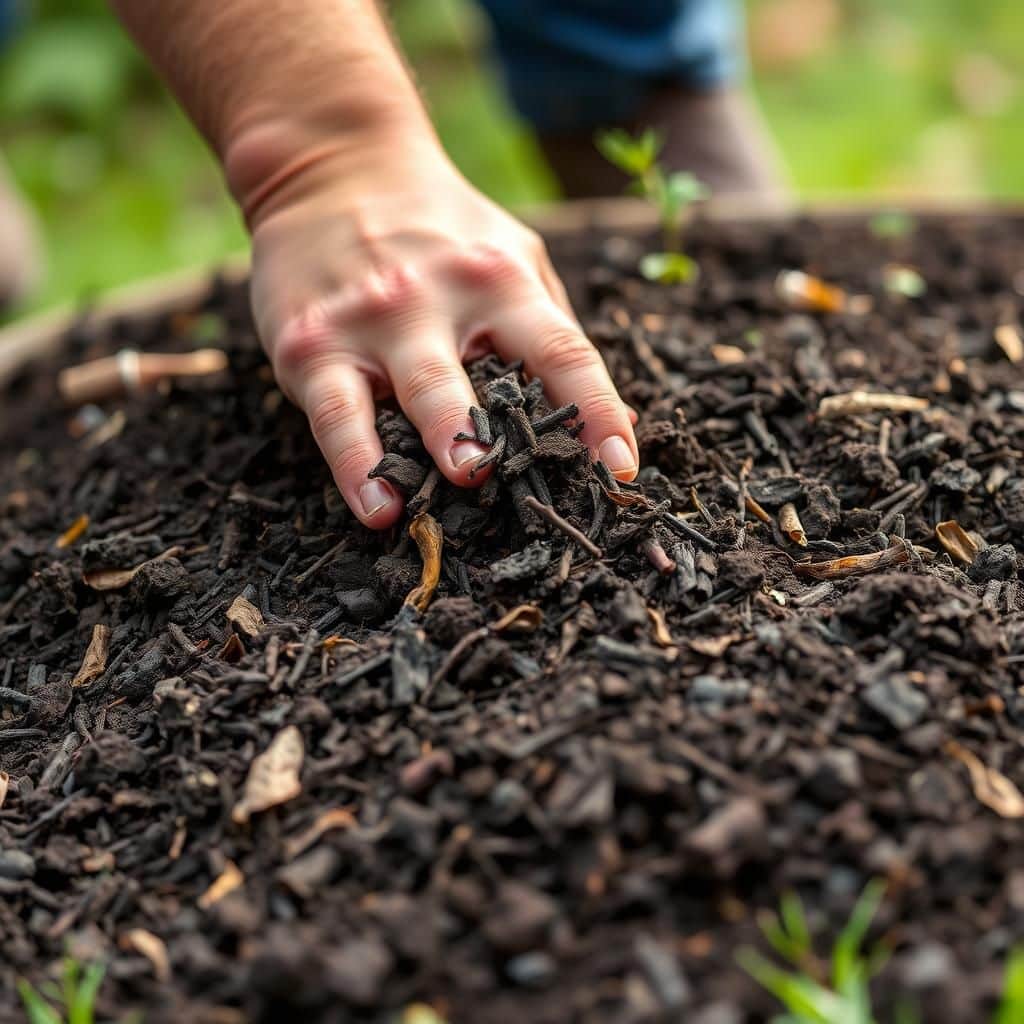
When it comes to gardening and landscaping, mulch plays a crucial role in maintaining healthy soil and supporting plant growth. Among the various types available, composted mulch and regular mulch have emerged as popular choices for gardeners. Understanding the differences between the two can help you make informed decisions for your garden. This article will explore the benefits of composted mulch over its regular counterpart, analyzing factors such as nutrient content, moisture retention, and pest deterrence. By the end, you’ll have a clearer picture of which type of mulch best suits your gardening needs.
Is Composted Mulch Better Than Regular Mulch?
Composted mulch is often considered superior to regular mulch due to its enhanced nutrient profile and various benefits for soil health. Unlike traditional mulch, which is usually made from raw organic materials such as wood chips or bark, composted mulch undergoes a decomposition process that transforms these materials into a rich, dark substance filled with microorganisms, organic matter, and essential nutrients. This nutrient-dense mulch not only improves the soil structure but also promotes water retention and increases biodiversity in the soil ecosystem. By using composted mulch, gardeners can provide their plants with a more balanced diet, leading to improved growth and resilience against pests and diseases.
Benefits of Composted Mulch
Composted mulch offers numerous benefits that can enhance plant health and garden vitality. Its high nutrient content helps improve soil fertility, providing essential elements like nitrogen, phosphorus, and potassium, which are vital for plant growth. Additionally, the organic matter in composted mulch improves soil structure, promoting better drainage, aeration, and water retention. This type of mulch also acts as a natural weed suppressant, minimizing the need for chemical herbicides. Moreover, as it breaks down, it feeds beneficial soil organisms, contributing to a healthy garden ecosystem.
Differences in Composition
The composition of composted mulch significantly differs from that of regular mulch. Regular mulch is typically composed of freshly cut wood chips, shredded leaves, or straw, which do not contain the beneficial microorganisms or decomposed organic matter found in composted mulch. In contrast, composted mulch is created from the controlled breakdown of various organic materials, including kitchen scraps and yard waste, resulting in a nutrient-rich product that can replenish soil health. This rich composition aids in promoting healthy plant growth and improving overall soil vitality, making composted mulch a more effective choice for many gardeners.
Environmental Impact
Using composted mulch has a positive environmental impact compared to regular mulch. By recycling organic waste materials, composting reduces the volume of waste sent to landfills, thereby promoting sustainable waste management practices. Furthermore, composted mulch enhances soil health, which is vital for supporting biodiversity and improving soil carbon content. Healthier soils sequester more carbon dioxide, helping combat climate change. Additionally, using composted mulch can reduce the need for chemical fertilizers and pesticides, contributing to healthier ecosystems.
Cost Considerations
While composted mulch may have a higher initial cost than regular mulch, it often provides better long-term value. Its nutrient-rich properties can lead to reduced fertilizer needs, which saves money over time. Furthermore, the improvements in soil quality can result in increased plant yield and health, translating into lower maintenance costs and a potentially higher return on investment for gardeners. When comparing costs, it's essential to consider the long-term benefits of composted mulch versus the short-term savings of cheaper, regular mulch.
Application Techniques
Applying composted mulch correctly can maximize its effectiveness in the garden. Gardeners should aim for a layer that is 2 to 4 inches thick, ensuring that it covers the soil but does not touch the plant stems to prevent rot. It's also advisable to apply composted mulch in the spring after the last frost, allowing nutrients to coincide with the growing season. Additionally, replenishing the mulch annually helps sustain its benefits over time. Utilizing proper application techniques can enhance the advantages of composted mulch, resulting in healthier plants and improved garden productivity.
| Category | Composted Mulch | Regular Mulch |
|---|---|---|
| Nutrient Content | High | Variable |
| Soil Improvement | Aids in structure and fertility | Minimal |
| Cost | Higher initial investment | Lower initial cost |
| Environmental Impact | Positive, promotes recycling | Less beneficial |
| Weed Suppression | Effective | Moderate |
What are the benefits of composted mulch?
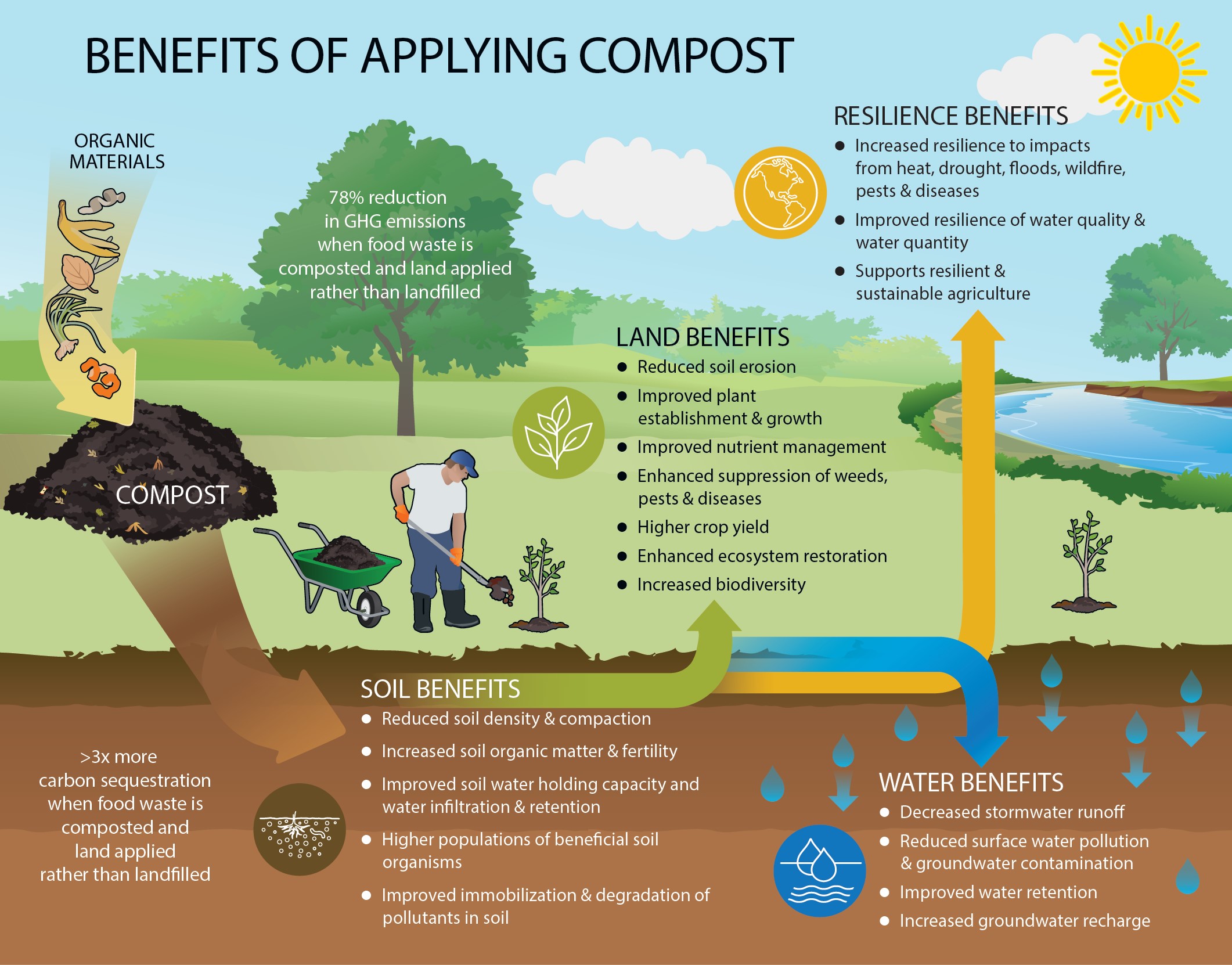
Composted mulch offers a variety of benefits for gardens and landscapes. It is primarily made from decomposed organic matter and acts as an excellent soil amendment. Below are some of the key benefits and relevant subtopics related to composted mulch.
Improves Soil Structure
Composted mulch contributes to better soil structure by enhancing the texture and aeration of the soil. As it decomposes further, it creates aggregates that improve porosity, allowing roots to penetrate more easily.
- Enhances Drainage: It promotes better water drainage, reducing the risk of waterlogging.
- Increases Water Retention: Composted mulch helps retain moisture in the soil, reducing the need for frequent watering.
- Encourages Beneficial Microorganisms: The presence of organic matter feeds beneficial soil microbes, improving soil health.
Suppresses Weeds
One of the primary advantages of using composted mulch is its ability to suppress weed growth. A thick layer of mulch can block sunlight, preventing weed seeds from germinating.
- Reduces Competition: By discouraging weeds, composted mulch allows plants to thrive without competition for nutrients.
- Minimizes Hand Weeding: It decreases the time and effort needed for manual weeding.
- Retains Soil Temperature: Mulch helps maintain consistent soil temperatures, which can further inhibit weed growth.
Provides Nutrients
As composted mulch breaks down, it releases a variety of nutrients into the soil. This supply of nutrients supports healthy plant growth and development.
- Slow-Release Fertilization: Nutrients are released slowly over time, providing a steady source of food for plants.
- Improves Plant Health: Better nutrient availability leads to stronger, more resilient plants.
- Supports Microbial Activity: Nutrients also support the growth of beneficial microorganisms, enhancing overall soil health.
Reduces Soil Erosion
Composted mulch acts as a protective layer for the soil, helping to prevent soil erosion caused by wind and water.
- Stabilizes Soil: It helps hold soil particles together, minimizing the loss of topsoil.
- Controls Runoff: Mulch helps slow down water movement, allowing it to infiltrate the soil rather than wash away.
- Encourages Root Development: Better soil stability promotes deeper root systems, further anchoring plants.
Enhances Aesthetic Appeal
In addition to the functional benefits, composted mulch also enhances the visual appeal of a landscape. It can create a neat and finished look in garden beds and around trees.
See also:
- Variety of Colors and Textures: There are numerous options for composted mulch, allowing for creative design choices.
- Defines Garden Spaces: It can delineate different areas within a landscape, improving organization.
- Reduces Bare Ground: By covering bare soil, it helps prevent unsightly areas and improves overall garden aesthetics.
What is the best form of mulch to use?
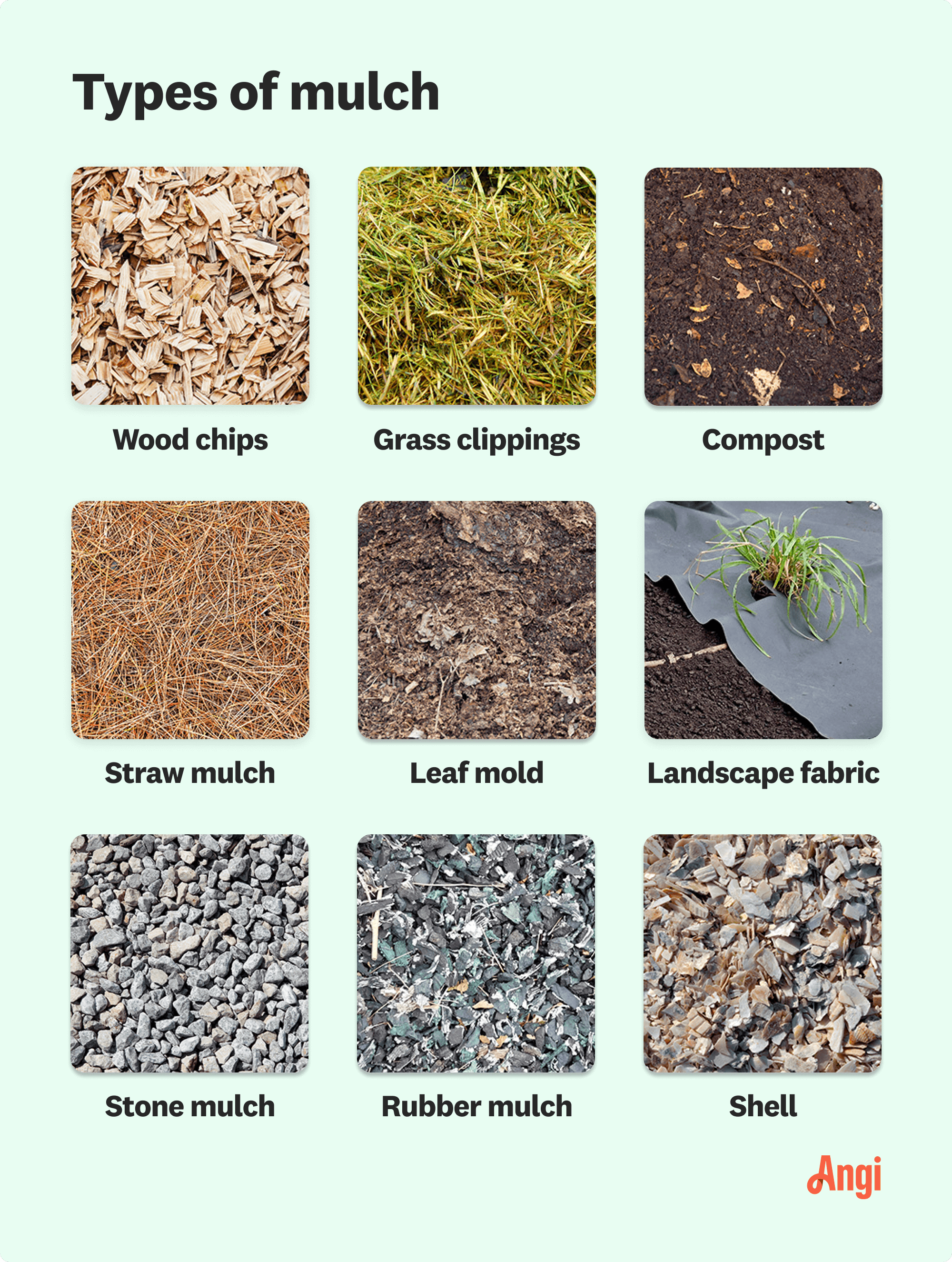
The best form of mulch to use can depend on various factors, including the type of plants being grown, local climate, and personal preferences. Generally, organic mulches, such as wood chips, straw, and shredded leaves, are preferred for their ability to improve soil health as they decompose. However, other materials also serve a purpose depending on the garden's requirements. Below are detailed explanations of different types of mulch.
Types of Organic Mulch
Organic mulches are made from natural materials and enrich the soil as they break down. Some popular types include:
- Wood Chips: Great for long-lasting coverage and suitable for garden paths.
- Straw: Ideal for vegetable gardens, as it suppresses weeds and allows moisture retention.
- Shredded Leaves: A cost-effective option that adds nutrients and helps retain soil moisture.
Benefits of Using Mulch
Mulch offers numerous benefits for gardens. Some of the main advantages include:
- Weed Suppression: A thick layer of mulch can prevent the growth of unwanted plants by blocking sunlight.
- Moisture Retention: Mulch helps keep the soil moist by reducing evaporation rates, especially in hot climates.
- Soil Temperature Regulation: Insulates the soil, keeping it cooler in summer and warmer in winter.
Choosing the Right Mulch for Your Garden
When selecting mulch, it’s important to consider the specific needs of your plants and garden environment. Important points include:
- Plant Type: Different plants may thrive better with specific types of organic or inorganic mulches.
- Climate: In warmer areas, choose types that retain moisture; in cooler areas, consider those that provide insulation.
- Aesthetics: Look for a mulch type that complements the visual design of your landscaping.
Inorganic Mulch Options
Inorganic mulches provide different benefits than organic ones and can be useful in certain situations. Common types include:
- Gravel: Offers excellent drainage and weed control, especially in xeriscaping.
- Landscape Fabric: A barrier that prevents weed growth while allowing water and nutrients to penetrate.
- Plastic Mulch: Ideal for vegetable growing as it traps heat and moisture but may require careful management to prevent overheating.
Maintaining Mulch in Your Garden
Proper maintenance of mulch is essential to maximize its benefits. Key maintenance practices include:
- Replenishing Mulch: Organic mulch breaks down over time, necessitating regular replacement.
- Monitoring Depth: Ensure a mulch depth of 2 to 4 inches to effectively control weeds and retain moisture.
- Checking for Pests: Regularly inspect mulch layers to catch any pest infestations early.
Does compost mulch suppress weeds?
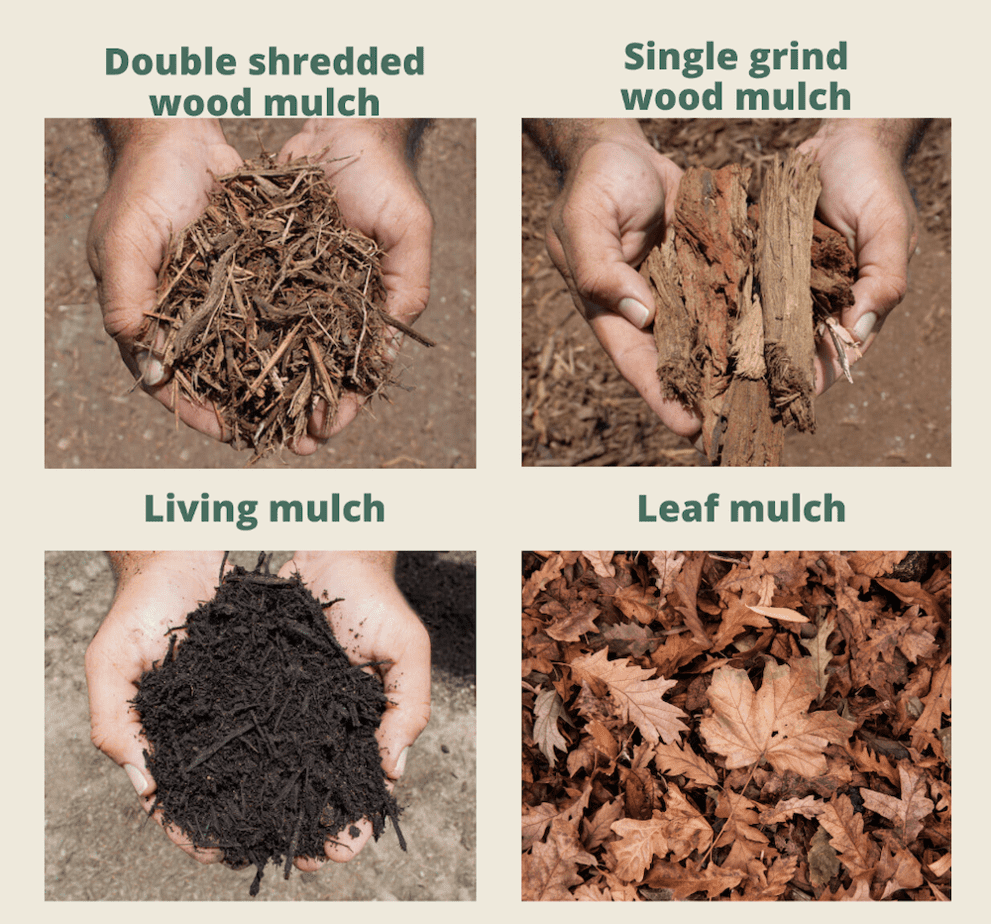
Yes, compost mulch does suppress weeds effectively. Compost mulch is a layer of decomposed organic matter that is spread over the soil surface to provide various benefits, including weed suppression. It creates conditions that inhibit the growth of unwanted plants while promoting a healthy growing environment for your desired plants. The following points highlight how compost mulch contributes to weed control:
1. Physical Barrier: Compost mulch forms a physical barrier that blocks sunlight from reaching the soil. This lack of light makes it difficult for weed seeds to germinate and grow.
2. Moisture Retention: By retaining moisture, compost mulch reduces the frequency of watering. Weeds often compete for moisture, so when it is less available, their growth can be significantly hampered.
3. Nutrient Competition: Compost is rich in nutrients, which not only benefits your plants but also helps suppress weeds. By enriching the soil with necessary nutrients, the desirable plants outcompete the weeds for resources.
4. Soil Temperature Regulation: Compost mulch helps to moderate soil temperature, keeping it cooler in the summer and preventing extremes during winter. This temperature regulation can inhibit the growth of certain weeds, as they may not thrive in the fluctuating conditions.
5. Microbial Activity: The presence of beneficial microorganisms in compost enhances soil health. These microbes break down organic matter and compete with weed seeds for space and nutrients, further reducing the opportunity for weeds to establish themselves.
See also:
How Does Compost Mulch Work to Prevent Weeds?
The main mechanism through which compost mulch suppresses weeds involves creating conditions unfavorable for their growth. Here are some critical aspects:
- Light Blockage: By covering the soil, compost mulch prevents sunlight from penetrating, which is essential for weed germination.
- Soil Moisture Maintenance: It helps maintain consistent soil moisture, thus reducing the watering needs and giving desirable plants a competitive edge.
- Soil Structure Improvement: As compost breaks down further, it enhances soil structure, promoting beneficial interactions among soil organisms.
Types of Weeds Affected by Compost Mulch
Compost mulch is particularly effective against various types of weeds, including annuals and some perennials. Understanding which types it targets can be beneficial:
- Annual Weeds: These weeds complete their life cycle in one season and are often the first to germinate. Compost mulch effectively prevents their establishment.
- Perennial Weeds: While more challenging, compost mulch can reduce the spread of certain perennial weeds by suppressing their growth during critical periods.
- Weed Seedlings: Even before weeds establish fully, compost can inhibit seedling development through its dense layer.
Additional Benefits of Using Compost Mulch
Besides weed suppression, compost mulch offers several other benefits that make it a valuable addition to garden management:
- Improved Soil Fertility: Compost enriches the soil with nutrients, enhancing plant growth.
- Enhanced Soil Structure: It promotes better drainage and aeration, which is vital for healthy root development.
- Reduced Soil Erosion: The coverage helps minimize soil erosion, preserving valuable topsoil.
How to Apply Compost Mulch for Maximum Weed Suppression
Applying compost mulch properly is essential to maximize its effectiveness in weed suppression:
- Layer Thickness: A depth of 2 to 4 inches is typically recommended to ensure adequate light blockage.
- Preparation of Soil: Clear existing weeds and debris before applying compost mulch for the best results.
- Reapplication: Regularly check and replenish the mulch layer as it breaks down or settles over time.
Compost Mulch vs. Other Mulching Materials
When considering various mulching materials, compost has unique advantages:
- Organic Matter Contribution: Unlike inorganic materials, compost enriches the soil as it decomposes.
- Biological Activity Support: Compost enhances microbial activity, which is beneficial for overall soil health.
- Environmentally Friendly: Compost is a sustainable option, as it recycles organic waste from kitchen and yard!
What are four disadvantages of organic mulch?

Organic mulch is widely used in gardening and landscaping, but it does come with several disadvantages. Here are four notable drawbacks:
1. Decomposition Rate: Organic mulch breaks down over time, which necessitates regular replenishment.
2. Pest Attraction: Certain types of organic mulch can attract pests, including rodents and insects, which may harm plants.
3. Nutrient Tie-Up: As organic mulch decomposes, it can temporarily tie up nitrogen in the soil, leading to nutrient deficiencies for plants.
4. Weed Growth: While mulch generally suppresses weeds, some organic mulches, like straw, can actually provide a habitat for weed seeds, encouraging their growth.
Decomposition Rate
The decomposition rate of organic mulch is a significant concern for gardeners. As organic materials break down, they lose their effectiveness in suppressing weeds and retaining soil moisture.
- Organic mulch needs to be replaced frequently, which can increase labor costs.
- Broken down mulch can expose soil that allows weed growth and erosion.
- It may require additional amendments to maintain soil health.
Pest Attraction
Some forms of organic mulch can attract pests, posing a risk to plants and garden health.
- Wood-based mulches can attract termites and carpenter ants.
- Straw or hay mulch may bring rodents and other animals into the garden.
- Insect populations can increase, leading to potential infestations.
Nutrient Tie-Up
Organic mulch, while beneficial, can cause nutrient tie-up in the soil, particularly nitrogen.
- Microorganisms in the soil consume nitrogen as they break down the mulch.
- Plants may exhibit signs of nutrient deficiency, such as yellowing leaves.
- Additional nitrogen fertilizers may be needed to offset the depletion.
Weed Growth
Despite its intended purpose, organic mulch can sometimes lead to weed growth instead of suppressing it.
- Mulch materials like straw and grass clippings can harbor weed seeds.
- When not applied thickly enough, it may not provide adequate coverage.
- Regular monitoring and weeding may still be required even with mulch in place.
Questions from Our Readers
Is composted mulch better than regular mulch?
Composted mulch is often considered better than regular mulch because it enriches the soil while breaking down. The organic matter in composted mulch contributes to improved soil structure, enhanced nutrient availability, and better moisture retention, promoting healthier plant growth.
What are the benefits of using composted mulch?
Using composted mulch offers several benefits, including the enhancement of soil fertility, suppression of weeds, and improved water retention in the soil. Additionally, it provides essential nutrients as it decomposes, which can lead to more vibrant and robust plant life.
See also:
Can composted mulch attract pests?
While any form of mulch can potentially attract pests, composted mulch is generally less likely to invite issues if it is mature and properly processed. However, if it contains uncomposted plant material, it might attract pests or diseases, so it's crucial to use well-composted products.
How often should composted mulch be applied?
Composted mulch should typically be applied once a year, preferably in spring or fall. Regular application helps maintain its effectiveness, as it gradually breaks down and continues to enrich the soil over time, providing ongoing benefits to your garden or landscape.

If you want to read more articles like Is Composted Mulch Better Than Regular Mulch? Discover the Benefits and Differences, we recommend you check out our Mulch category.
Leave a Reply
Related Articles