What is the Easiest Hedge to Grow in Australia? Discover Top Varieties and Tips
When it comes to enhancing privacy and adding aesthetic value to your garden, choosing the right hedge is essential. With Australia's diverse climate and landscape, selecting an easy-to-grow hedge can be both rewarding and beneficial. This article explores the best hedge varieties suited for Australian gardens, focusing on their low maintenance, resilience, and adaptability. Additionally, we’ll provide valuable tips for successful growth and care, ensuring you can create a lush, green barrier that thrives in your local environment. Whether you're a seasoned gardener or a beginner, discover the optimal choices to elevate your outdoor space effortlessly.
What is the Easiest Hedge to Grow in Australia?
In Australia, one of the easiest hedges to grow is the Lilly Pilly (Syzygium paniculatum). This versatile plant is known for its fast growth, dense foliage, and ability to thrive in various climates across the country. Lilly Pillies are particularly favored for their adaptability to different soil types and resistance to pests and diseases, making them a practical choice for homeowners looking to establish a low-maintenance hedge. They can be trimmed to maintain a desired height, serve as a privacy screen, and produce attractive purple berries, which are often used in jams and dessert recipes.
Benefits of Growing Lilly Pilly
Growing Lilly Pilly offers several benefits that make it an ideal choice for hedges in Australia. Its quick growth allows for rapid establishment, providing immediate privacy and visual appeal. The dense foliage not only serves as an effective screen against noise and wind but also provides habitat for wildlife. Additionally, Lilly Pilly is drought-tolerant once established, making it suitable for various Australian climates, thus reducing water usage in garden maintenance.
Ideal Conditions for Growth
Lilly Pillies thrive in well-drained soils enriched with organic matter, although they can adapt to a range of soil types. They prefer full sun to partial shade and can withstand periods of drought, but regular watering promotes optimal growth. Planting them in a location with ample sunlight will enhance their lush, green foliage and improve their resistance to pests. Indoors or in garden beds where they receive adequate sunlight will show the best results in terms of growth and health.
Common Pests and Diseases
Despite their many advantages, Lilly Pillys can be susceptible to some pests and diseases, including the Lilly Pilly psyllid and canker. The psyllid is known for causing leaf distortion and drop, while canker can affect the health of the plant. Regular monitoring and early intervention using insecticidal soap or neem oil can help manage these issues effectively. Keeping plants healthy through consistent watering and pruning also minimizes disease susceptibility.
Maintenance Tips
Maintaining a Lilly Pilly hedge requires minimal effort. Regular pruning during the spring encourages bushier growth and helps maintain the desired height. Fertilizing with a balanced fertilizer during the growing season can support vigorous growth, while mulching helps retain soil moisture and suppress weeds. In addition, it is beneficial to monitor the hedge for any signs of pests or diseases, allowing for timely action to ensure the plants remain healthy and robust.
Other Suitable Hedge Options in Australia
While Lilly Pilly is a top choice, other suitable hedge options include Photinia, Hibiscus, and Ficus. Photinia is known for its vibrant red new growth, making it visually appealing. Hibiscus provides colorful flowers, enhancing landscape aesthetics, while Ficus offers a thick, lush green barrier that can be manicured to a desired shape. Each of these plants has unique qualities, allowing for customization according to personal preference and garden design.
| Hedge Variety | Growth Rate | Height | Sun Requirements |
|---|---|---|---|
| Lilly Pilly | Fast | 2-5m | Full sun to partial shade |
| Photinia | Moderate | 2-3m | Full sun |
| Hibiscus | Fast | 1-3m | Full sun |
| Ficus | Moderate to Fast | 2-10m | Full sun to partial shade |
What is the fastest growing hedge in Australia?

The fastest growing hedge in Australia is commonly recognized as the Lilly Pilly (Syzygium spp.). This native Australian plant is favored for its rapid growth rate, evergreen foliage, and colorful fruits. It can grow up to 3 meters (about 10 feet) in just a few years, making it a popular choice for privacy screens and garden borders.
Characteristics of Lilly Pilly
The Lilly Pilly boasts several standout characteristics that make it suitable for gardening in Australia:
- Fast Growth: It can reach heights of 3-5 meters within a short span.
- Dense Foliage: The leaves are thick and lush, providing excellent screening.
- Attractive Flowers and Fruits: The plant bears pink or white fluffy flowers followed by edible berries.
Ideal Growing Conditions
To thrive, Lilly Pilly prefers certain environmental conditions to maximize its growth:
- Sunlight: It flourishes best in full sun but can tolerate partial shade.
- Soil Type: Well-drained, moderately fertile soils are ideal for its growth.
- Watering: Regular watering is essential, especially during dry spells.
Common Varieties
There are several popular varieties of Lilly Pilly, each offering unique features:
- Syzygium Australianum: Known for its attractive, glossy leaves and edible berries.
- Syzygium Resilience: A disease-resistant variety that is ideal for hedging.
- Syzygium Bush Christmas: Features dense foliage and is great for creating privacy screens.
Maintenance Tips
Proper maintenance is essential to ensure healthy growth of Lilly Pilly hedges:
See also:
- Pruning: Regular trimming promotes bushiness and maintains desired height.
- Pest Control: Keep an eye out for pests like psyllids; early intervention is crucial.
- Fertilization: Applying slow-release fertilizer can boost growth and health.
Use in Landscaping
Lilly Pilly is widely used in various landscaping applications due to its versatility:
- Privacy Screens: It provides an effective barrier against prying eyes.
- Windbreaks: The dense foliage can serve as a windbreak in open areas.
- Ornamental Borders: Used for creating attractive edges along pathways and garden beds.
What is the easiest hedge to maintain?
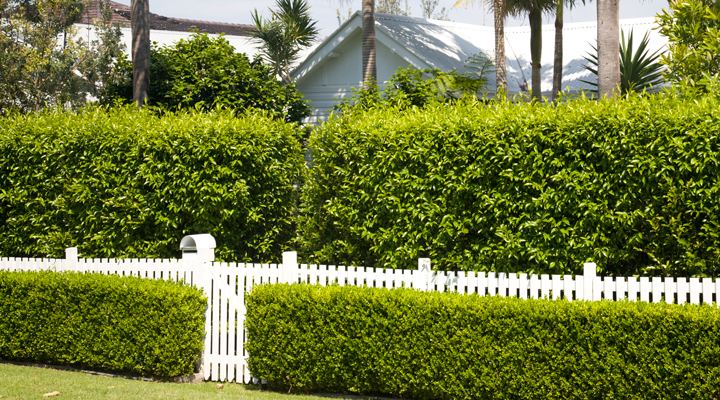
The easiest hedge to maintain typically consists of plants that are hardy, adaptable, and require minimal pruning. One of the most popular options is the boxwood hedge (Buxus spp.), but other varieties such as laurel and privet are also commonly considered low-maintenance. These plants can withstand various environmental conditions and have fewer pest issues, making them ideal for gardeners looking for a hassle-free option.
Choosing the Right Plant for Your Hedge
Selecting the right hedge plant is crucial for low maintenance. Consider the following factors:
- Climate Compatibility: Choose a plant that thrives in your specific climate zone.
- Soil Type: Ensure the hedge plant can grow well in your soil conditions, whether sandy, clay, or loamy.
- Sunlight Exposure: Select plants according to their sunlight needs (full sun, partial shade, etc.).
Boxwood Hedges
Boxwood is one of the most favored choices for hedges due to its dense foliage and versatility:
- Evergreen Nature: Boxwoods maintain their green leaves throughout the year.
- Pruning Requirements: Minimal pruning is needed; a simple shape is easy to maintain.
- Adaptability: They can thrive in various conditions, from shaded areas to full sun.
Laurel Hedges
Laurel hedges are another excellent low-maintenance option:
- Fast Growth: Laurels grow quickly, providing privacy in a short time.
- Disease Resistance: They are typically resistant to pests and diseases, reducing maintenance tasks.
- Minimal Trimming: Regular trimming can be done just once or twice a year.
Privet Hedges
Privet (Ligustrum) is known for its hardiness and can be a great choice for easy maintenance:
- Rapid Growth: Privets grow quickly, helping to establish a hedge faster.
- Resistance to Harsh Conditions: They can tolerate a range of conditions, including drought.
- Flexible Pruning: These hedges can be shaped according to preference and require little effort to maintain.
General Maintenance Tips for Hedges
To keep your hedge looking its best with minimal effort, follow these maintenance tips:
- Watering: Establish a regular watering schedule, especially in dry periods.
- Mulching: Add mulch to retain moisture and suppress weeds.
- Fertilization: Use a slow-release fertilizer once a year to promote healthy growth.
What is the most hardy hedge?
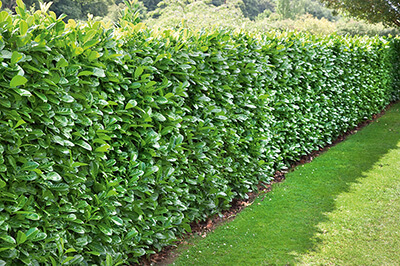
The most hardy hedge is often considered to be the Holly (Ilex aquifolium) due to its exceptional resilience and ability to thrive in a variety of environments. Holly is known for its toughness and can endure harsh weather conditions, including cold winters and hot summers. Its glossy evergreen leaves provide year-round interest, while its red berries can attract wildlife.
Characteristics of Holly Hedges
Holly hedges possess several distinct characteristics that make them desirable for gardeners and landscapers alike. These include:
- Evergreen Foliage: The leaves remain green throughout the year, providing consistent privacy and aesthetic appeal.
- Thorns for Security: The sharp edges of the leaves can deter unwanted intruders, making it an effective fencing option.
- Wildlife Attraction: The berries are a food source for birds, adding ecological benefits.
Growing Conditions for Holly Hedges
Holly thrives in a range of conditions, making it an excellent choice for many environmental situations. Key conditions include:
- Soil Type: Prefers well-drained, acidic to neutral soils, but can tolerate varied pH levels.
- Sunlight: Grows well in both full sun and partial shade, allowing flexibility in planting.
- Water Needs: Moderate watering required after planting; established plants are relatively drought-tolerant.
Maintenance of Holly Hedges
Proper maintenance is crucial to ensure a healthy and vibrant holly hedge. Consider the following practices:
See also:
- Pruning: Regular pruning helps maintain shape and encourages denser growth.
- Pest Management: Monitor for pests like scale insects and treat accordingly to prevent infestations.
- Fertilization: An annual application of balanced fertilizer can boost growth and overall health.
Benefits of Choosing Hardy Hedges
Opting for hardy hedges like holly provides various advantages, including:
- Durability: These plants can withstand harsh conditions, reducing the need for frequent replacements.
- Low Maintenance: Generally require less maintenance compared to less hardy varieties.
- Environmental Impact: Hardy hedges contribute to biodiversity and provide habitat for wildlife.
Alternatives to Holly Hedges
While holly is a fantastic choice, there are also other hardy hedge options worth considering:
- Boxwood: Known for its dense foliage, boxwood is ideal for formal hedging.
- Privet: Fast-growing and tolerant of various conditions, privet is excellent for privacy screens.
- Juniper: This drought-tolerant shrub provides an attractive, rugged appearance.
What is the best hedge to block neighbors?
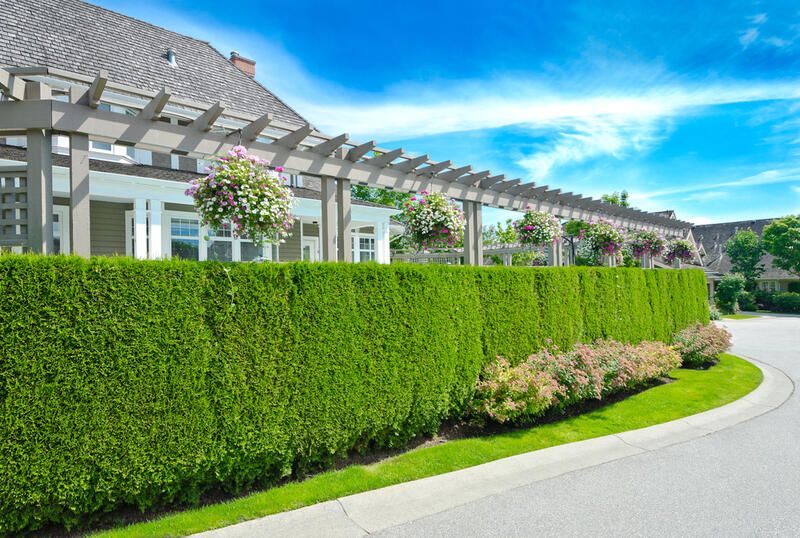
The best hedge to block neighbors depends on various factors such as climate, soil type, and desired height. However, several types of hedges are particularly recognized for their effectiveness in providing privacy and noise reduction. Generally, the ideal hedges are tall, dense, and evergreen, ensuring year-round coverage.
1. Tall Boxwood Hedges
Boxwood hedges are a popular choice for formal gardens. They can be pruned to maintain a specific shape and height, making them versatile for various landscaping designs. Additionally, their dense foliage offers excellent privacy.
- Density: Boxwoods have thick leaves that create a natural barrier.
- Maintenance: They require regular pruning but are relatively easy to maintain.
- Adaptability: Boxwoods adapt well to different soil types and climates.
2. Leyland Cypress
Leyland cypress is a fast-growing evergreen that can reach heights of up to 60 feet. Its rapid growth rate makes it an effective option for creating a privacy screen quickly. The feathery, green foliage maintains its color throughout the year.
- Speed: Grows upwards of 3 feet per year in ideal conditions.
- Thickness: Forms a solid wall of greenery, ideal for blocking views.
- Low Maintenance: Requires minimal care once established.
3. Privet Hedges
Privet hedges offer a robust solution for privacy. They are deciduous and can be trimmed to the desired height. This hedge type is characterized by small leaves and flowers, which can also attract beneficial wildlife.
- Growth Rate: Fast-growing, often reaching full height in a few years.
- Customizable: Can be shaped easily to fit garden aesthetics.
- Wildlife Friendly: Supports local birds and pollinators with its blossoms.
4. Arborvitae
Arborvitae are tall, slender evergreens perfect for creating a living privacy fence. Popular varieties like Emerald Green grow densely while maintaining a narrow profile. They are fantastic for narrow spaces along property lines.
- Height: Can grow up to 15 feet or more, offering tall privacy.
- Year-Round Coverage: Retain foliage even during winter months.
- Wind Resistant: Their structure helps to buffer against wind.
5. Bamboo Hedges
Bamboo is an unconventional choice but can be spectacular if managed correctly. Certain species can grow up to 35 feet tall and create a thick, lush screening. It grows rapidly and provides a unique aesthetic.
- Fast Growth: Many types can reach substantial heights in just a few years.
- Exotic Appearance: Adds a tropical feel to any garden.
- Noise Barrier: Dense growth helps to reduce noise from neighbors.
Questions from Our Readers
What is the easiest hedge to grow in Australia?
One of the easiest hedges to grow in Australia is the Lilly Pilly, known for its fast growth and ability to thrive in various soil types. Its glossy leaves and attractive berries make it a popular choice among gardeners.
How fast does a Lilly Pilly hedge grow?
A Lilly Pilly hedge can grow up to 1 meter per year, which makes it an excellent option for those looking for a rapid privacy screen or decorative border.
Are there other easy hedge options for Australian gardens?
Yes, other easy hedge options include Photinia, Murraya, and Bamboo, each providing unique visual appeal and adaptability to different climates within Australia.
What maintenance do easy hedges require?
Most easy hedges in Australia, like the Lilly Pilly, require regular pruning, watering, and occasional fertilizing to maintain their shape and promote healthy growth.
See also:

If you want to read more articles like What is the Easiest Hedge to Grow in Australia? Discover Top Varieties and Tips, we recommend you check out our Hedges category.
Leave a Reply
Related Articles