How Long Does a Hedge Take to Grow in Australia? A Complete Guide for Gardeners
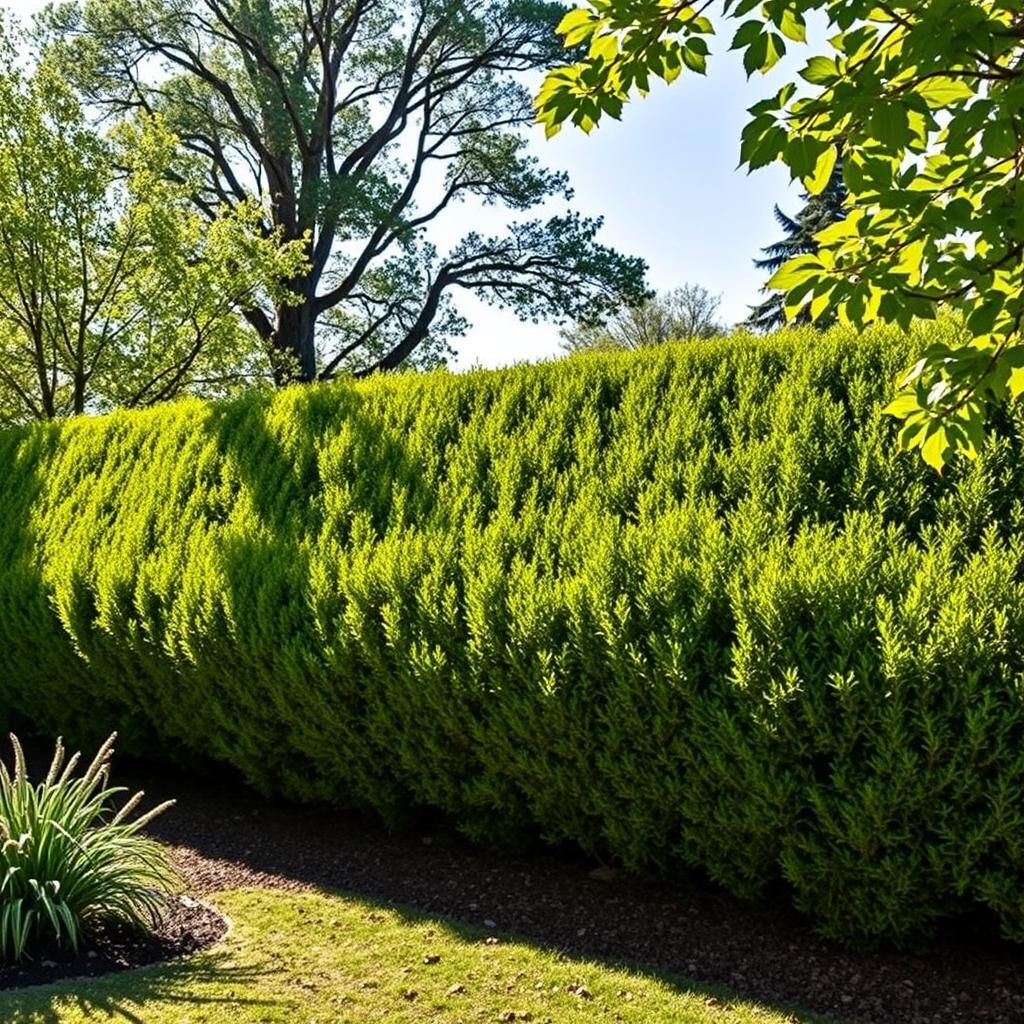
When planning a garden in Australia, hedges can be a fantastic way to add privacy, structure, and greenery to your outdoor space. However, one of the most common questions among gardeners is: how long does it take for a hedge to grow? The answer can vary greatly depending on several factors, including the type of hedge selected, local climate conditions, soil quality, and maintenance practices. This complete guide will explore the growth timelines of various hedge species, provide tips for successful planting and care, and help you determine the best options for achieving a lush, vibrant hedge in your garden.
How Long Does a Hedge Take to Grow in Australia?
In Australia, the time it takes for a hedge to reach its desired height largely depends on the species of plant used, the growing conditions, and the care provided. Many hedges can reach a height of around 1.5 to 2 meters within 2 to 5 years. However, fast-growing species like Lilly Pilly can flourish quickly, providing privacy and aesthetic value within a shorter timeframe. On the other hand, slower-growing varieties, such as Boxwood, may take longer to establish, often requiring up to 10 years to achieve similar heights. Therefore, understanding the specific growth rates and requirements of each plant species is essential for effective landscaping in Australian conditions.
Factors Affecting Growth Rate
Multiple factors influence how quickly a hedge grows in Australia. Soil quality, water availability, sunlight, and climate conditions all play crucial roles. For instance, well-drained, nutrient-rich soil paired with adequate water and sunlight can significantly enhance the growth rate, allowing the plants to thrive more effectively than those planted in less optimal conditions.
Choosing the Right Species
Selecting the appropriate plant species is vital for achieving the desired hedge height and density. Fast-growing options, such as Photinia and Pittosporum, can provide quick results, while others like Burford Holly offer slower but more robust growth. Climate adaptability and local pests should also be considered when making a choice.
Maintenance and Care
Proper maintenance plays a significant role in how fast a hedge grows. Regular pruning, watering, and fertilizing can help enhance growth rates. Consistent pruning encourages denser growth, while proper watering ensures plants are not stressed, thereby boosting their overall health and growth potential.
See also:
Seasonal Growth Patterns
In Australia, seasonal changes greatly impact hedge growth. The warmer months, typically from spring to summer, provide ideal conditions for growth, while the cooler months can slow down the rate considerably. Understanding these seasonal patterns is essential for optimizing hedge management and expectations.
Tips for Successful Hedge Planting
To ensure the successful growth of a hedge, it is recommended to plant during the ideal season, typically in early spring or early autumn. Creating adequate spacing between plants allows for better air circulation and reduces competition for resources. Additionally, considering local environmental conditions and soil testing can enhance the potential for a thriving hedge.
| Plant Species | Average Growth Rate | Time to Full Height |
|---|---|---|
| Lilly Pilly | Fast | 2-4 years |
| Photinia | Moderate | 3-5 years |
| Pittosporum | Moderate | 4-6 years |
| Boxwood | Slow | 8-10 years |
| Burford Holly | Moderate | 5-7 years |
Factors Influencing Hedge Growth Rate in Australia
The growth rate of a hedge in Australia can vary significantly depending on several factors including the type of plant, climate conditions, soil quality, and care provided. Different species have distinct growth patterns; for example, fast-growing varieties like Lilly Pilly can reach maturity quicker than slower-growing ones like Photinia. Seasonal changes also play a crucial role; warm and moist environments generally promote faster growth. Moreover, proper maintenance practices such as regular watering, fertilization, and pruning can significantly enhance growth rates, ensuring that your hedge develops into a healthy and lush barrier in a shorter amount of time.
Best Hedge Types for Quick Growth in Australia
When aiming for a rapid-growing hedge, some of the best options include plants like Lilly Pilly, Murraya, and Privet. These species are prized for their ability to establish quickly and provide dense foliage in a relatively short period. Lilly Pilly, in particular, is favored due to its fast growth and evergreen leaves, making it an excellent choice for privacy screens. Additionally, incorporating native plants can lead to better adaptation to local conditions, further increasing growth rates.
Ideal Growing Conditions for Hedges
To ensure optimal growth of hedges in Australia, it is crucial to provide the right growing conditions. Most hedge plants thrive in well-drained soil enriched with organic material. They require adequate sunlight to promote healthy growth, with many hedges performing best in full sun to partial shade. Furthermore, considering the local climatic conditions is essential, as some species prefer warmer temperatures while others might tolerate cooler climates. Regular watering during the establishment phase will also contribute to robust root development.
See also:
Maintenance Tips for Healthy Hedge Growth
Regular maintenance is vital for the health and rapid growth of hedges. Watering, especially during dry spells, ensures that the plants do not suffer from drought stress, which can stunt growth. Applying a balanced fertilizer once or twice a year can provide the essential nutrients needed for vigorous growth. Moreover, pruning should be carried out to encourage bushy growth and to remove dead or unhealthy branches, which can hinder development. By adhering to a consistent care routine, gardeners can promote a thriving hedge.
Common Pests and Diseases Affecting Hedges
Hedges can be vulnerable to a variety of pests and diseases that may affect their growth. Common pests such as aphids, scale insects, and spider mites can sap the plant's strength, leading to stunted growth. Additionally, fungal infections like powdery mildew can occur, especially in humid conditions, impacting the health of the hedge. Monitoring for signs of infestations and implementing appropriate pest control measures is key to maintaining healthy hedges and ensuring optimal growth.
The Role of Seasonal Changes in Hedge Growth
Seasonal changes significantly influence hedge growth patterns. In spring, with increasing temperatures and daylight, many hedges will start to push new growth, leading to a more vigorous expansion. Conversely, during winter, growth often slows down as plants enter a state of dormancy. Understanding these seasonal shifts is crucial for gardeners, as timing for fertilization and pruning can be optimized to align with the hedge's natural growth cycles, allowing for a healthier and faster-growing hedge.
Questions from Our Readers
How long does a hedge take to grow in Australia?
The time it takes for a hedge to grow in Australia can vary significantly based on the species and growing conditions, but generally, most hedges can reach a desirable height in 2 to 5 years.
What factors affect the growth rate of hedges in Australia?
The growth rate of hedges in Australia is influenced by several factors, including soil quality, water availability, climate, and sunlight, as well as the specific type of plant chosen for the hedge.
See also:
Can I speed up the growth of my hedge in Australia?
Yes, you can potentially speed up the growth of your hedge by providing adequate water, using fertilizers, ensuring good soil drainage, and selecting fast-growing species that are suited for the local environment in Australia.
Are there specific hedge varieties that grow faster in Australia?
Certain varieties, like Lilly Pilly, Villa's Green, or Photinia, are known for their relatively fast growth rates in Australia, making them excellent choices for quick screening and privacy hedges.

If you want to read more articles like How Long Does a Hedge Take to Grow in Australia? A Complete Guide for Gardeners, we recommend you check out our Hedges category.
Leave a Reply
Related Articles