How Long Should You Run a Water Sprinkler? Best Tips for Optimal Lawn Care

When it comes to maintaining a lush, green lawn, proper watering is essential. One common question homeowners grapple with is, How long should I run my water sprinkler? The answer isn’t one-size-fits-all, as various factors such as grass type, soil condition, and climate can influence your watering schedule. In this article, we will explore the best practices for running a water sprinkler effectively, ensuring your lawn receives the right amount of hydration without wasting water. Discover the optimal duration and frequency for watering to promote healthy growth and maintain a vibrant landscape all season long.
How Long Should You Run a Water Sprinkler?
When determining how long to run a water sprinkler, several factors come into play, including the type of plants being watered, the climate conditions, and the type of soil in your yard. Generally, running a sprinkler for 20 to 30 minutes per session is ideal for adequately saturating the soil without causing runoff or waste. In hot and dry climates, you may need to increase this time to ensure that the moisture penetrates deeper into the soil where plant roots can access it. Using a moisture meter can also help gauge when your soil is appropriately watered, allowing for more efficient water use.
Factors Influencing Sprinkler Duration
Several factors influence how long you should run your water sprinkler. These factors include the local climate, the time of year, and the soil type. For example, in areas with sandy soil, water drains quickly, requiring longer watering sessions, whereas clay soils retain moisture longer and may need shorter durations. Understanding these variables can help you tailor your watering schedule effectively.
Types of Sprinklers and Their Efficiency
Different types of sprinklers have varied efficiencies. For instance, oscillating sprinklers provide a wide coverage area but may require longer operational times due to water evaporation. Conversely, drip irrigation systems apply water directly at the soil level and can be more efficient, often needing shorter run times. Choosing the right type can significantly impact your watering needs.
Watering Plant Types
The type of plants you have in your garden influences how long you should run your sprinkler. Lawn grasses typically require about 1 inch of water per week, while vegetables and flowers may need more frequent watering and slight adjustments in duration based on their unique requirements. It's essential to tailor your watering schedule based on the specific needs of your plants to promote optimal growth.
Determining Water Needs Based on Season
During the growing season, particularly in spring and summer, you may need to run your sprinkler longer, often 2-3 times a week, depending on rainfall and temperature. In contrast, during the fall and winter months, your requirements may decrease significantly as plants enter dormancy and precipitation naturally moisten the soil, making it necessary to adjust the watering duration accordingly.
Using a Moisture Meter
A moisture meter can be a valuable tool for determining the right amount of time to run your water sprinkler. This device measures the moisture level in the soil, allowing you to see when your plants need water. By relying on this device, you can avoid overwatering and ensure that your plants are getting just the right amount of moisture, ultimately promoting healthier growth and conserving water.
| Plant Type | Water Needs (inches/week) | Suggested Sprinkler Duration |
|---|---|---|
| Lawn Grasses | 1 | 20-30 minutes |
| Vegetables | 1.5 - 2 | 30-45 minutes |
| Flower Beds | 1 - 1.5 | 20-30 minutes |
| Shrubs | 1 - 2 | 20-40 minutes |
| Trees | 2 - 3 | 45-60 minutes |
How long should you leave your sprinkler system on?
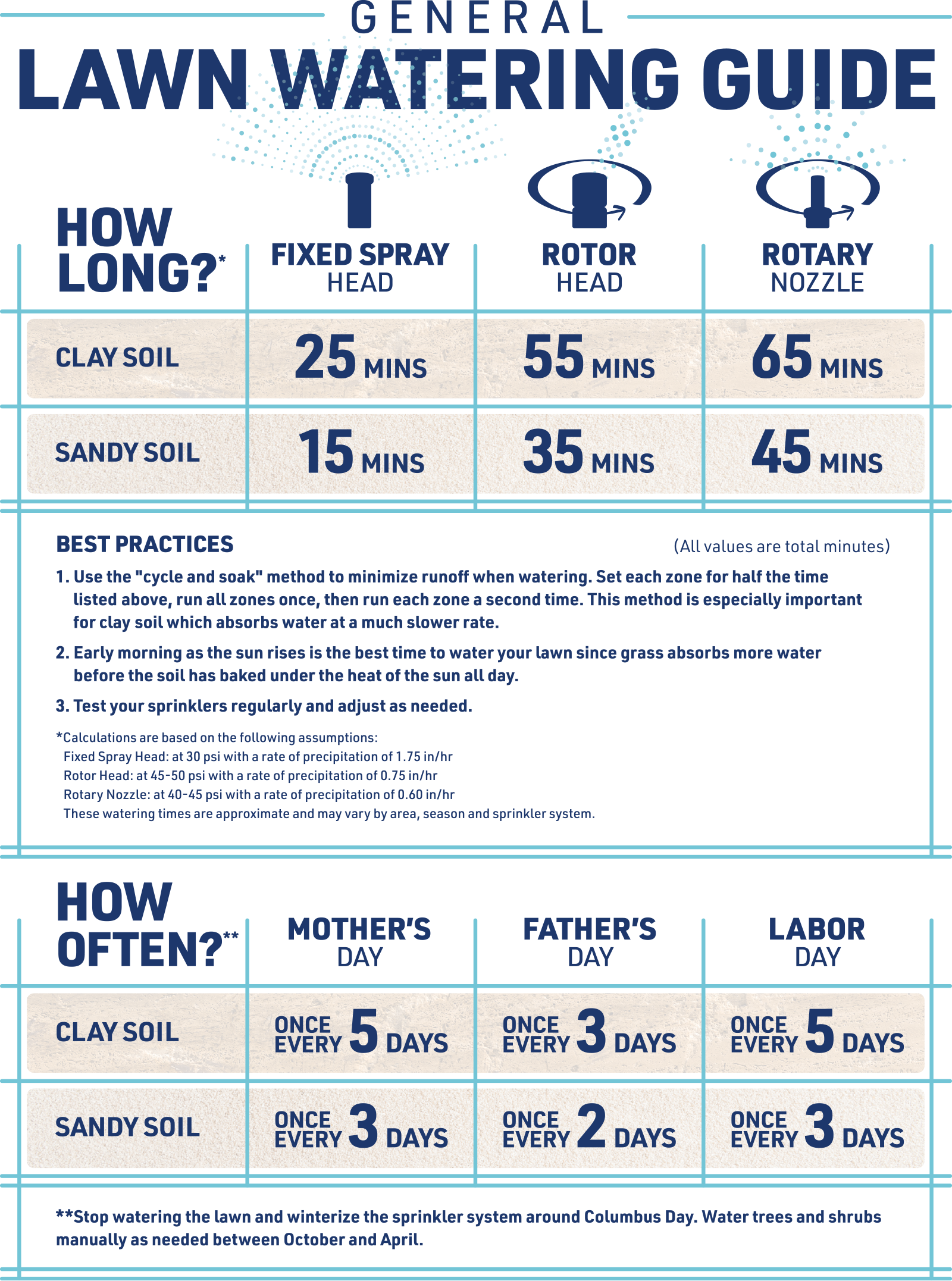
To determine how long you should leave your sprinkler system on, it largely depends on several factors such as the type of grass, the climate, and the time of year. Generally, it's recommended to run your sprinkler system for about 30 minutes to 1 hour per watering session. This duration is usually sufficient for the water to penetrate the soil deeply enough to reach the roots while avoiding runoff.
Here are some key considerations that affect how long you should water your lawn:
Watering Needs Based on Grass Type
Different types of grass have varying watering needs. For example:
- Cool-season grasses like bluegrass and fescue typically require more water in the spring and fall.
- Warm-season grasses such as Bermuda and zoysia may need more water in the summertime.
- It's essential to adjust watering duration based on the specific grass type and its growth cycle.
Climate Considerations
The local climate can significantly impact how long you should run your sprinkler system:
- Hotter regions may require more frequent watering to prevent stress on the grass.
- Humid climates might necessitate less frequent watering since evaporation is lower.
- Consider seasonal changes; for example, watering may be less frequent during rainy seasons.
Soil Type and Condition
Soil type plays a crucial role in determining watering times:
- Clay soils retain moisture longer and may need shorter watering durations.
- Sandy soils drain quickly and might require longer or more frequent watering sessions.
- Assessing your soil's moisture retention capabilities will help tailor your watering schedule.
Time of Year
The time of year affects how much water your lawn needs:
- Spring typically requires more water as the grass is actively growing.
- Summer may require daily watering, especially in hot temperatures.
- Fall generally sees less need for watering as temperatures cool down.
Watering Techniques
The method you use for watering can influence duration:
- Spray systems may require longer durations due to evaporation losses.
- Drip irrigation systems are more efficient and may require shorter watering times.
- Adjust your watering techniques based on efficiency to optimize water usage.
Is it better to run sprinklers longer or more often?
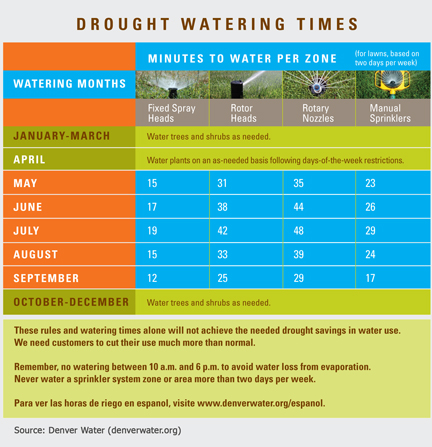
The question of whether it is better to run sprinklers longer or more often is a common dilemma for homeowners and gardeners looking to maintain a healthy lawn and garden. Both strategies have their advantages and potential drawbacks, but understanding the specific needs of the plants, soil conditions, and climate will help in making an informed decision.
Understanding Soil Absorption
When considering the duration versus frequency of sprinkler use, it is essential to understand how soil absorbs water. Soil has a limited capacity to hold water, influenced by its type and structure.
- Clay soil tends to absorb water slowly, making longer watering sessions more effective.
- Sandy soil drains quickly, benefiting from shorter, more frequent watering to prevent dry patches.
- Loamy soil holds moisture well, allowing for a balanced approach in watering duration and frequency.
Plant Water Needs
Different plants have varying water needs, which can determine whether longer watering sessions or frequent applications are more beneficial.
- Deep-rooted plants may prefer longer watering intervals to encourage deeper soil penetration.
- Shallow-rooted plants often benefit from frequent, shorter watering to ensure they receive adequate moisture.
- Seasonal plants may need adjustment in watering duration and frequency based on growth stages.
Climate and Weather Conditions
The local climate plays a crucial role in determining the best irrigation approach. Different weather conditions can influence evaporation rates and moisture retention in the soil.
- Hot and dry climates may necessitate longer watering times to ensure sufficient moisture before evaporation occurs.
- Humid climates might benefit from more frequent, shorter watering sessions to prevent excess moisture and fungal issues.
- Seasonal variations can dictate changing strategies based on rainfall patterns and temperatures.
Water Conservation Practices
Taking water conservation into account can influence whether longer or more frequent watering is preferred.
- Longer watering sessions may be more efficient in rural areas with ample water supply.
- Frequent watering can lead to runoff and waste, especially on sloped terrain.
- Using water-saving techniques, such as drip irrigation, can optimize water usage regardless of the method.
Cost and Resource Considerations
Another factor to consider when deciding on sprinkler usage is the cost associated with water consumption and the wear and tear on irrigation systems.
- Running sprinklers longer typically uses more water, which can increase utility bills significantly.
- Frequent short bursts may save money but might require more frequent system maintenance.
- Investment in smart irrigation systems can help automate and optimize both duration and frequency.
Questions from Our Readers
How long should you run a water sprinkler for a garden?
Running a water sprinkler for a garden typically requires 20 to 30 minutes per session. This duration ensures that the soil absorbs sufficient moisture, promoting healthy plant growth without causing water waste.
How often should you run your water sprinkler?
It is generally advisable to operate your water sprinkler two to three times a week. This frequency helps maintain an optimal moisture level in the soil, allowing plants to thrive while minimizing the risk of overwatering.
See also: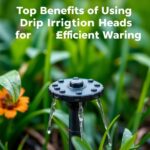
What factors influence how long to run a water sprinkler?
Several factors can influence the duration to run a water sprinkler, including weather conditions, type of soil, and specific plant needs. For instance, during hot or windy days, you may need to increase the watering time to ensure adequate soil moisture retention.
Is it better to run sprinklers in the morning or evening?
It is usually better to run sprinklers in the early morning or late evening. Watering during these times reduces evaporation, allowing more moisture to reach the roots effectively, which is ideal for overall plant health.

If you want to read more articles like How Long Should You Run a Water Sprinkler? Best Tips for Optimal Lawn Care, we recommend you check out our Irrigation category.
Leave a Reply
Related Articles