10 Common Reasons Why Are My Plants Dying in the Greenhouse?
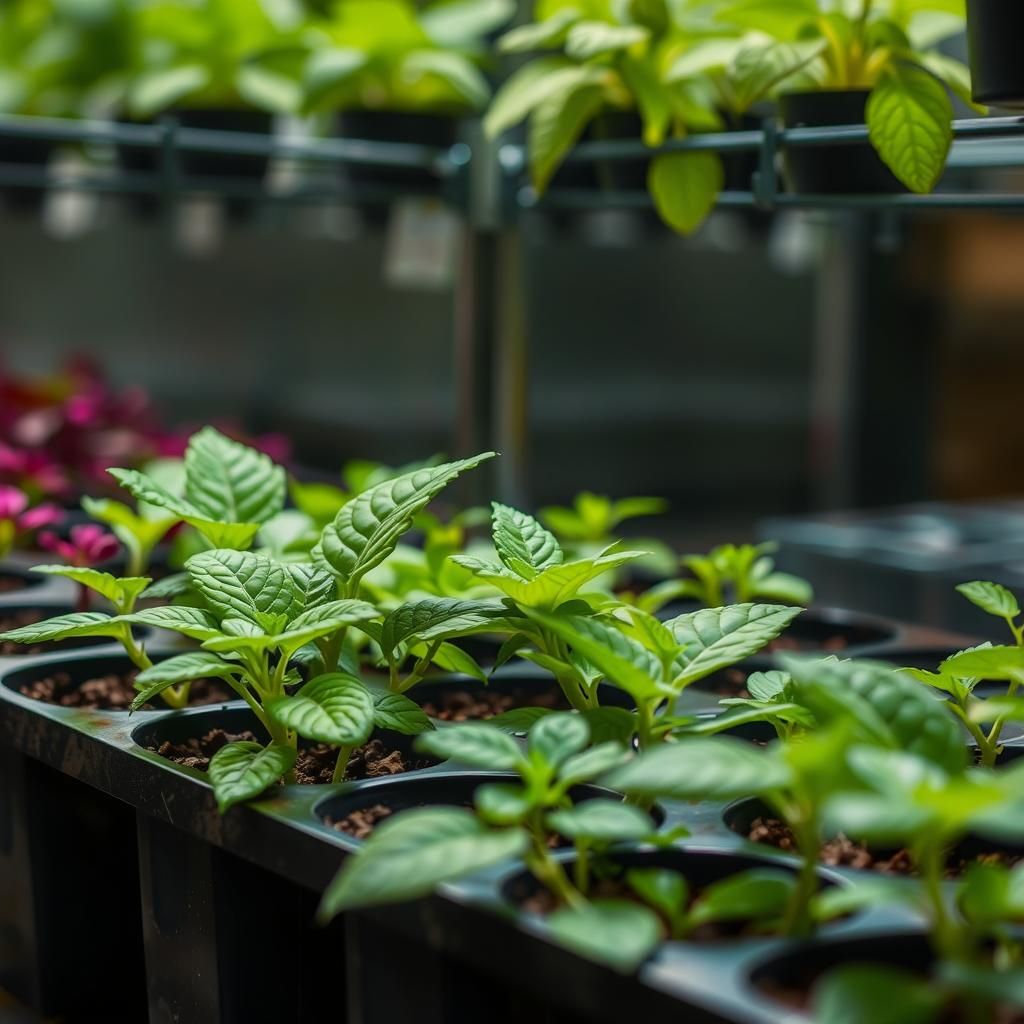
Maintaining a thriving greenhouse can be a rewarding yet challenging endeavor for any plant enthusiast. However, encountering the distressing situation of dying plants can leave even the most experienced gardeners perplexed. Understanding the common causes behind plant decline is crucial for preventing further losses and ensuring a healthy growing environment. In this article, we will explore ten prevalent reasons why plants may struggle or perish in a greenhouse setting. By identifying these issues, you'll be better equipped to create optimal conditions for your plants to flourish and thrive in their protected environment.
Why Are My Plants Dying in the Greenhouse?
The health of your plants in the greenhouse can be compromised due to a variety of factors. One common reason is the imbalance in humidity levels; too much moisture can foster the development of fungal diseases, while too little can cause water stress. Additionally, inadequate ventilation may lead to excessive heat buildup, which can be detrimental to plant growth. Another significant aspect to consider is the nutrient availability in the soil; if your plants are not receiving the right fertilizers, they may suffer from deficiencies. Lastly, pests and diseases can also invade your plants if there is a lack of proper pest management, leading to their decline.
Improper Watering Practices
Improper watering can lead to either overwatering or underwatering your plants. Overwatering often causes the roots to rot, depriving them of oxygen and leading to decay, while underwatering results in wilting and eventual death due to a lack of moisture. It's essential to assess the soil moisture regularly and ensure that you're giving your plants the appropriate amount of water for their specific needs.
Inadequate Humidity Levels
Humidity plays a crucial role in plant health, particularly in a greenhouse setting. Low humidity can lead to transpiration, where plants lose too much moisture, causing wilting and stress, while high humidity can promote the onset of mold and fungus, jeopardizing plant health. Maintaining an ideal humidity range often involves using humidifiers or dehumidifiers as needed to create a stable environment.
Pest Infestations
Pest infestations can severely impact plant vitality in a greenhouse. Common pests such as aphids, spider mites, and whiteflies can sap nutrients from plants, weakening them over time. Regularly inspecting plants for signs of pests and implementing an effective pest management strategy can help protect your plants and promote their health.
Nutrient Deficiencies
Nutrient deficiencies can arise when plants are not provided with adequate soil nutrients. Key nutrients like nitrogen, phosphorus, and potassium are essential for healthy growth. A lack of these nutrients can lead to yellowing leaves, stunted growth, and poor fruit production. Conducting regular soil tests can help you adjust your fertilization practices to ensure your plants receive the proper nutrients they need.
Temperature Fluctuations
Temperature fluctuations can cause stress to plants, particularly in a greenhouse environment where conditions can change rapidly. Extreme heat can lead to sunburn, while cold temperatures can stunt growth or cause frost damage. Installing temperature control systems, such as heaters and fans, can help maintain a stable environment for your plants, reducing the risk of temperature-related issues.
| Factor | Impact on Plants |
|---|---|
| Watering | Overwatering causes root rot; underwatering leads to wilting. |
| Humidity Levels | Low humidity causes transpiration stress; high humidity promotes mold. |
| Pests | Pest infestations weaken plants by sucking nutrients. |
| Nutrient Supply | Deficiencies lead to poor growth and yellowing leaves. |
| Temperature | Fluctuations cause sunburn or frost damage. |
Why do my plants keep dying in my greenhouse?

There are several reasons why your plants might be dying in your greenhouse. Understanding these factors can help you create a healthier environment for your plants. Here are some common problems and their solutions:
Environmental Control Issues
Environmental control is crucial in a greenhouse, as plants are sensitive to changes in their surroundings. If the temperature and humidity levels are not maintained properly, it could lead to plant stress or death.
- Temperature fluctuations: Extreme heat or cold can harm plants. It’s important to keep the temperature within a suitable range for your specific plants.
- Humidity levels: High humidity can lead to fungal diseases, while too low humidity can cause plants to dry out. Regularly monitor and adjust humidity levels as needed.
- Ventilation: Proper air circulation is essential. Stale air can lead to mold and pests. Ensure that your greenhouse is well-ventilated.
Pest Infestations
Pests are a common issue in greenhouses and can quickly destroy your plants if not managed appropriately. Monitoring and controlling pest populations is essential for plant health.
- Aphids and mites: These insects feed on plant sap and can transmit diseases. Regular inspection of plants for signs of infestation is critical.
- Fungi and molds: High humidity can encourage fungal growth. Use proper air circulation and fungicides as needed.
- Integrated pest management: Employ natural predators or organic solutions to control pest populations sustainably.
Watering Practices
Watering is a vital aspect of plant care, yet improper watering can lead to detrimental effects on your plants.
- Overwatering: This can cause root rot, drowning plants. Ensure pots have proper drainage and adjust your watering schedule accordingly.
- Underwatering: Insufficient water can lead to dehydration. Monitor soil moisture and water plants thoroughly when needed.
- Water quality: Make sure the water used does not contain harmful chemicals or high salinity, which can negatively affect plant health.
Soil Quality
The type and quality of soil used in your greenhouse can significantly impact plant growth and health.
See also:
- Nutrient balance: Poor soil may lack essential nutrients. Regularly test soil and amend with fertilizers as required.
- Soil pH: The pH level affects nutrient availability. Most plants prefer slightly acidic to neutral soil. Adjust pH with amendments when necessary.
- Soil structure: Compacted or poorly draining soil can lead to root problems. Choose a well-aerated potting mix that supports drainage.
Plant Selection and Compatibility
Choosing the right plants for your greenhouse is crucial. Some varieties may not thrive under the specific conditions provided.
- Climate compatibility: Ensure that the plants chosen can tolerate the temperature and humidity levels present in your greenhouse.
- Plant spacing: Overcrowding can lead to increased humidity and competition for resources. Follow guidelines for spacing different species.
- Companion planting: Some plants can benefit from being planted together, while others may hinder growth. Research plant compatibility to optimize health.
Why are plants wilting in the greenhouse?
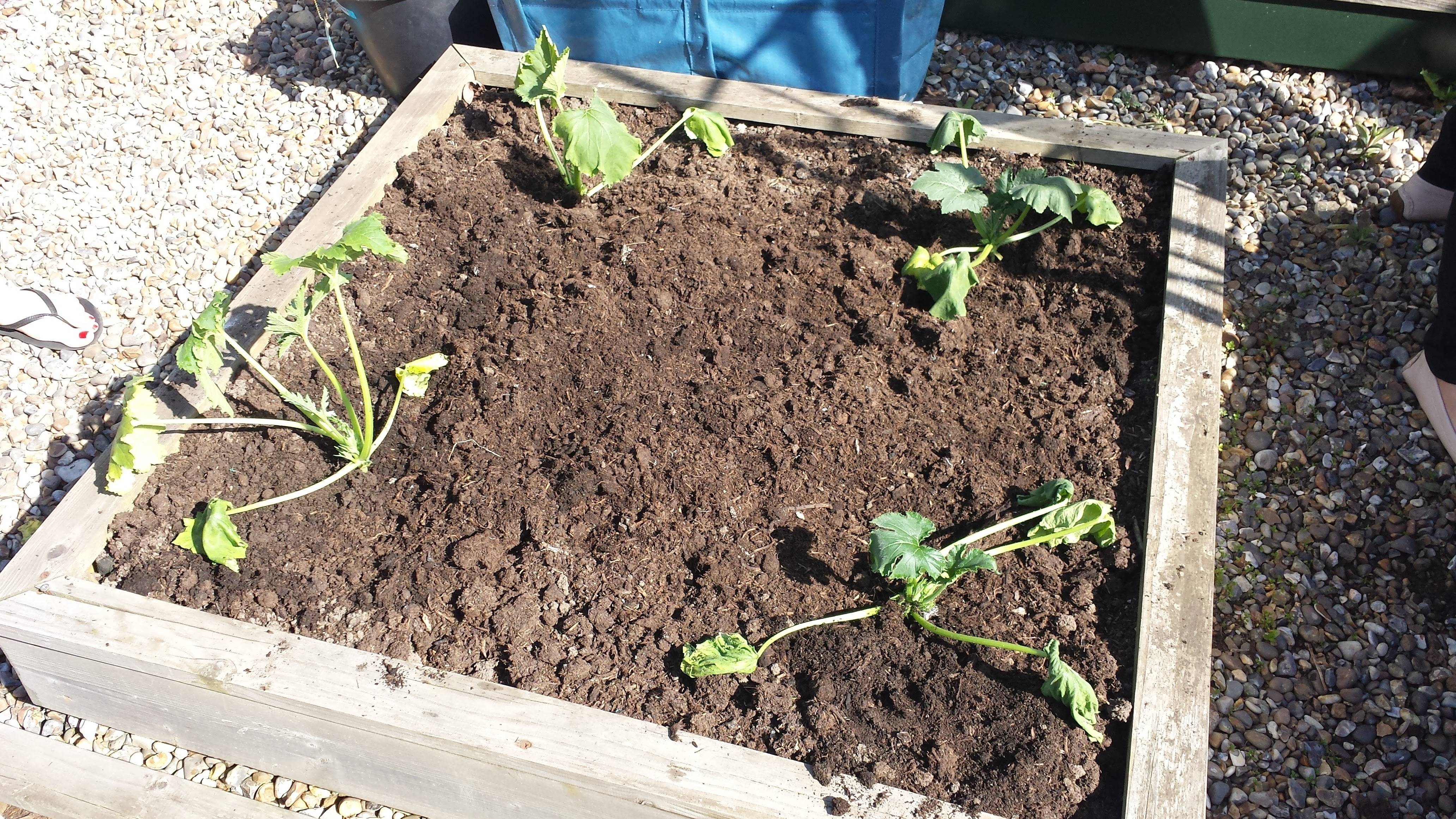
Plants can wilt in a greenhouse for several reasons, which often relate to environmental conditions, nutrient deficiencies, or watering practices. Understanding these factors can help maintain healthy plants and prevent wilting.
Insufficient Watering
Inadequate watering is one of the primary causes of wilting in plants within a greenhouse setting. When plants do not receive enough moisture, they are unable to maintain turgor pressure, leading to drooping leaves and stems.
- Soil Moisture Level: Regularly check the moisture level of the soil. It should be consistently moist but not soggy.
- Watering Schedule: Establish a consistent watering schedule based on the specific needs of each plant species.
- Evaporation Rates: High temperatures can increase evaporation rates, requiring more frequent watering.
Overwatering Issues
Conversely, overwatering can also cause wilting. When the roots are saturated with water, they may lack sufficient oxygen, leading to root rot and poor nutrient uptake.
- Drainage Solution: Ensure that pots and trays have adequate drainage to prevent waterlogging.
- Signs of Overwatering: Look for signs such as yellowing leaves and a musty smell in the soil.
- Watering Techniques: Use the right watering techniques, like bottom watering, to avoid water accumulation in the soil.
Nutrient Deficiency
Plants may wilt due to a lack of essential nutrients, particularly nitrogen, phosphorus, and potassium. These nutrients are crucial for plant health and growth.
- Soil Testing: Regularly test the soil to monitor nutrient levels and pH balance.
- Fertilizer Application: Apply appropriate fertilizers based on the results of the soil test to correct deficiencies.
- Organic Matter: Incorporate organic matter like compost, which can provide a slow release of essential nutrients.
Temperature Fluctuations
Temperature extremes, whether too hot or too cold, can lead to wilting in greenhouse plants. High temperatures can cause rapid moisture loss, while cooler temperatures may slow down metabolic processes.
- Temperature Monitoring: Regularly monitor the ambient temperature using thermostats in the greenhouse.
- Ventilation: Ensure proper ventilation to regulate the greenhouse temperature, especially on hot days.
- Insulation Strategies: Use thermal curtains or shade cloths to help maintain a stable temperature.
Pest Infestation
Certain pests can also cause plants to wilt by damaging their tissues or sucking out vital fluids. Aphids, spider mites, and mealybugs are common culprits in greenhouses.
- Pest Identification: Regularly inspect plants for signs of pest infestations.
- Preventive Measures: Implement preventive measures such as introducing beneficial insects or using insecticidal soaps.
- Physical Barriers: Use physical barriers like row covers to protect plants from pests.
Why are my plants burning in my greenhouse?

There are several factors that can contribute to why your plants are burning in your greenhouse. Understanding these elements is crucial for maintaining a healthy growing environment.
Improper Light Exposure
Plants in a greenhouse can suffer from excess light, especially if the light intensity is too high for the plant species you are growing. This can cause leaf burn and scorching symptoms. Some plants require indirect sunlight, while others need direct exposure to the sun. The following actions can help mitigate burn:
- Use shade cloths to filter intense sunlight.
- Position plants based on their light needs in relation to sun exposure.
- Regularly monitor the greenhouse's light levels throughout the day.
High Temperatures
Excessive heat is a major factor that leads to plant burning. Greenhouses can trap heat, causing internal temperatures to rise significantly, especially during hotter months. High temperatures can cause dehydration and stress to plants. To manage this problem, consider the following:
- Use ventilation systems to allow hot air to escape.
- Install fans to circulate air within the greenhouse.
- Check for insulation properties and adjust as needed to maintain stable temperatures.
Insufficient Watering
Over or under-watering can stress plants and lead to burned leaves. When plants do not receive enough moisture, they may experience pollution and scorching effects. To ensure proper watering, follow these steps:
See also:
- Check soil moisture levels regularly with a moisture meter.
- Establish a consistent watering schedule based on plant needs.
- Use good drainage practices to avoid waterlogged roots.
Nutricional Imbalances
The use of fertilizers can sometimes lead to nutritional burn if applied incorrectly. High concentrations of nutrients can cause salt buildup in the soil, damaging plant roots and leading to leaf burn. To prevent this:
- Follow recommended fertilizer guidelines for your specific plant types.
- Perform regular soil tests to monitor nutrient levels.
- Employ slow-release fertilizers to maintain a better balance.
Pests and Diseases
Pests and diseases can also cause symptoms resembling burning, as they attack leaves and stems, causing wilting and discoloration. Severe infestations can hinder a plant's ability to photosynthesize effectively. To combat these issues, consider the following:
- Inspect plants regularly for signs of pests or disease.
- Implement appropriate pest management techniques, such as beneficial insects.
- Maintain cleanliness in the greenhouse to reduce potential disease spread.
Can you leave plants in a greenhouse all summer?
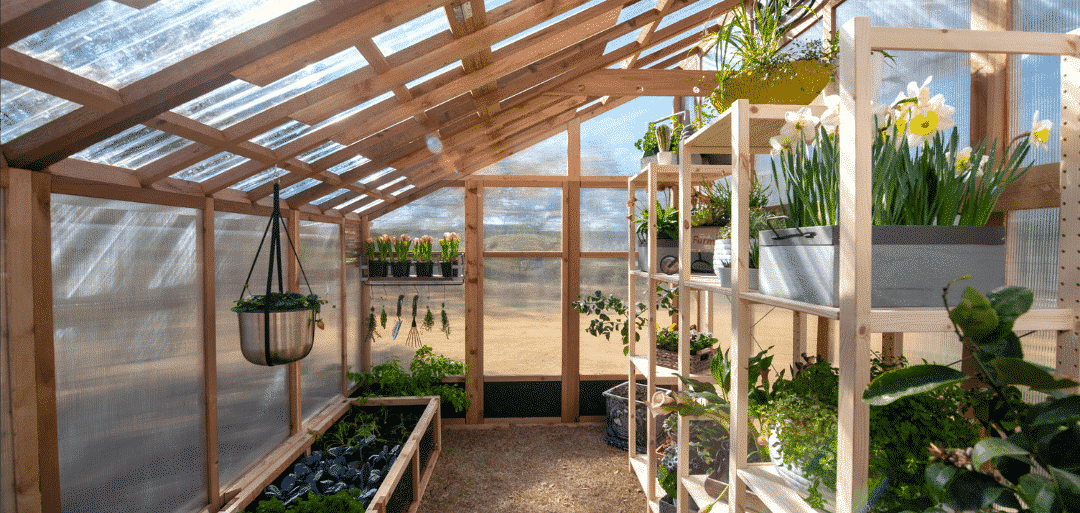
Yes, you can leave plants in a greenhouse all summer, but there are several important factors to consider to ensure their health and productivity. A greenhouse provides a controlled environment that can protect plants from harsh outdoor conditions. However, during the summer months, temperatures can rise significantly, and proper management is essential.
Benefits of Keeping Plants in a Greenhouse
Keeping plants in a greenhouse during the summer has several advantages:
- Temperature Control: Greenhouses can help maintain a stable temperature, protecting plants from extreme heat.
- Increased Humidity: These structures can retain moisture, which is beneficial for many types of plants.
- Pest Protection: Greenhouses offer a barrier against pests and diseases that are more prevalent outdoors during the summer.
Considerations for Summer Heat
While greenhouses provide a protective environment, they can also become too hot. Here are some considerations:
- Ventilation: Ensure proper ventilation by using windows, vents, or fans to keep the air circulating.
- Shading: Consider using shading materials or paints to reduce heat buildup inside the greenhouse.
- Monitoring Temperature: Use thermometers or automated systems to monitor and control the internal temperature.
Watering Needs
Plants in a greenhouse may require different watering strategies compared to those grown outdoors:
- Frequent Watering: Higher temperatures can increase evaporation, so plants may need more frequent watering.
- Drainage: Ensure that the greenhouse has adequate drainage to prevent waterlogging.
- Mulching: Consider applying mulch around plants to help retain moisture in the soil.
Choosing the Right Plants
Some plants thrive better in the greenhouse during summer. Here are some tips:
- Heat-Tolerant Varieties: Choose plants specifically bred for high temperatures.
- Succulents and Cacti: These plants often do well in warm environments and require less water.
- Monitoring Growth: Keep an eye on plant health to ensure they are not stressed by the conditions.
Maintaining Air Quality
Air quality in a greenhouse is crucial for plant health. Here are ways to maintain it:
- Air Circulation: Use fans to improve air movement and prevent stagnant conditions.
- Humidity Control: Maintain appropriate humidity levels to prevent fungal diseases.
- Regular Cleaning: Keep the greenhouse clean to reduce the risk of pests and diseases.
Questions from Our Readers
Why are my plants turning yellow in the greenhouse?
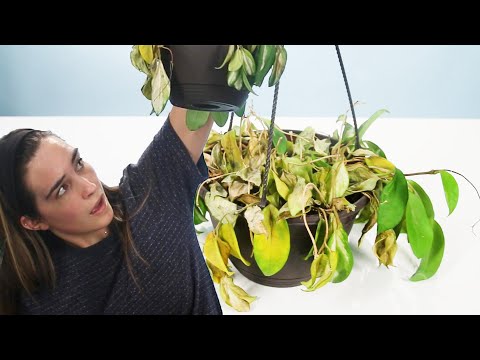
The yellowing of plant leaves in the greenhouse can be attributed to several factors, including nutrient deficiency, overwatering, or underwatering. When plants lack essential nutrients like nitrogen, their leaves may lose color. Additionally, excess moisture can lead to root rot, inhibiting nutrient absorption, while too little water can stress the plant, causing similar symptoms.
Is too much sunlight causing my plants to die?
Yes, excessive sunlight can indeed harm your plants, especially if they are not suited for high light conditions. High temperatures and intense sunlight can lead to leaf scorch, causing wilting and premature death. It's important to ensure your greenhouse is equipped with shade cloths or other means to regulate light levels appropriately.
Can pests in the greenhouse lead to plant death?
Absolutely, pests can be a significant threat to the health of your plants. Insects such as aphids, spider mites, and whiteflies can damage leaves, stunt growth, and even transmit diseases. Regular monitoring and implementing pest control strategies are crucial to preventing infestations that could lead to plant demise.
How does humidity affect my plants in the greenhouse?
Humidity plays a vital role in plant health; if the humidity levels are too low, plants can suffer from dehydration, leading to wilting and death. Conversely, high humidity can create an environment conducive to fungal diseases and rot. Maintaining optimal humidity levels is essential for promoting healthy growth and minimizing stress on your plants.
See also:
If you want to read more articles like 10 Common Reasons Why Are My Plants Dying in the Greenhouse?, we recommend you check out our Greenhouse category.
Leave a Reply
Related Articles