Essential Tips on How to Water Plants While Away for 2 Weeks
Planning a vacation or an extended getaway can be exciting, but it often comes with the worry of leaving your beloved plants behind. Ensuring they receive adequate care while you're away is crucial to their health and vitality. In this article, we’ll explore essential tips on how to water your plants effectively for a two-week absence. From simple DIY solutions to more advanced techniques, you’ll learn how to keep your greenery thriving, so you can relax and enjoy your time away without the stress of coming home to wilted leaves.
Effective Methods to Water Your Plants While Away for Two Weeks
When you're planning to be away for two weeks, it's essential to ensure your plants remain adequately hydrated. One of the most effective methods is to use a self-watering system, such as a drip irrigation kit or a simple bottle technique. For the bottle method, fill a plastic bottle with water, make small holes in the cap, and bury it upside down in the soil of your potted plants. This allows the water to slowly seep out and keep the soil moist. Alternatively, you could group your plants together and place them in a shady area, which helps reduce evaporation and maintains humidity levels. Additionally, asking a neighbor or friend to water your plants on a schedule can ensure they receive the proper attention they need while you're away.
Self-Watering Systems
Self-watering systems are an excellent way to keep your plants hydrated for extended periods. These systems typically involve a reservoir that draws water into the soil as it dries out. They can be purchased or homemade, using items like plastic bottles, jugs, or even specialized planters equipped with reservoirs. The advantage of using self-watering systems is that they provide a consistent source of moisture, which is essential for plant health, especially during hot weather.
Drip Irrigation
Drip irrigation is a highly efficient watering method that can keep your plants nourished while you're away. This system delivers water directly to the base of each plant through a network of tubes and emitters. You can set it up with a timer to control how long and how often water is delivered, ensuring that your plants won't suffer from overwatering or underwatering. It's ideal for larger gardens or multiple pots and can be a great investment if you travel frequently.
Bottle Watering Method
The bottle watering method is a simple and inexpensive way to keep your plants hydrated in your absence. To facilitate this technique, take a clean, empty plastic bottle, fill it up with water, and poke a few small holes in the cap. When you turn the bottle upside down and bury it partially in the soil, water will gradually escape as the soil dries out, maintaining a consistent moisture level. This method works best for smaller pots and can be easily adapted according to the size and water demands of your plants.
Grouping Plants
Grouping your plants together can create a microclimate that helps retain moisture. By placing them in a shady area and close proximity to each other, you can reduce evaporation rates and maintain higher humidity levels. This method is especially useful for indoor plants, as it allows them to share the moisture in the air. Additionally, grouping plants may help them thrive together, making it easier to care for multiple plants at once.
Asking for Help
If you have a neighbor, friend, or family member who is willing to help, asking them to water your plants can be a reliable option. Provide detailed instructions on how often to water and how much each plant needs. You might even give them a quick tutorial on your plant care routine before you leave. This way, you ensure that your plants receive the proper care while you're enjoying your time away, giving you peace of mind.
| Method | Pros | Cons |
|---|---|---|
| Self-Watering Systems | Consistent moisture | Can be expensive |
| Drip Irrigation | Very efficient | Complex setup |
| Bottle Watering | Simple and cost-effective | Only suitable for small plants |
| Grouping Plants | Helps retain humidity | May not work for all plant types |
| Asking for Help | Personalized care | Relies on others' commitment |
How to water plants when on vacation for 2 weeks?
When planning to go on vacation for two weeks, ensuring that your plants receive adequate watering is crucial for their survival. Here are several methods you can employ to keep your plants hydrated during your absence.
Automatic Watering Systems
An automatic watering system can be an effective solution for keeping your plants hydrated while you're away. These systems can be programmed to deliver specific amounts of water at predetermined intervals. Here are some options and considerations:
- Drip Irrigation: This system delivers water directly to the plant roots and is customizable for different plant types.
- Sprinkler Systems: Ideal for outdoor gardens, they can cover larger areas and can be adjusted for the amount of water they dispense.
- Timers and Sensors: Adding timers and moisture sensors to your watering system can ensure that plants receive water only when needed, preventing over-watering.
Self-Watering Pots
Self-watering pots are an excellent investment for those who travel frequently. These pots come with a built-in reservoir that allows plants to absorb water as needed. Consider the following features:
- Reservoir Capacity: Ensure that the pot's reservoir is large enough to sustain your plants for the duration of your trip.
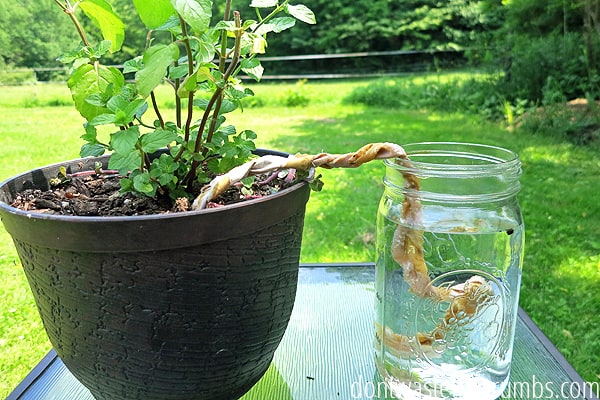
- Wicking Mechanism: Most self-watering pots use a wicking method, drawing water up from the reservoir to the soil as it dries out.
- Plant Type Compatibility: Check that the pot is suitable for the specific needs of your plants, especially regarding drainage and humidity levels.
Watering Globes and Spike Systems
Watering globes and spike systems are easy-to-use options that can slowly release water into the soil. Here’s how they work:
- Functionality: Watering globes are filled and inverted into the soil, allowing water to seep out gradually as the plant requires moisture.
- Spike Systems: These often connect to a water bottle and can continuously provide moisture to the soil through a spike placed into the ground.
- Duration: Depending on the size of the reservoir, these methods can last several days to weeks, making them suitable for short vacations.
Asking a Friend or Neighbor for Help
Having a friend or neighbor check on your plants can be one of the most reliable ways to ensure they are well taken care of. Consider the following when asking for assistance:
- Instructions: Provide clear watering instructions tailored to the needs of each plant, including how much and how often to water.
- Frequency: Suggest that they check on your plants once or twice a week, depending on the types and sizes of your plants.
- Additional Tasks: Inform them about other essential tasks, such as checking for pests or trimming wilting leaves.
Using Mulch to Retain Moisture
Applying mulch around your plants before leaving can help retain soil moisture, reducing the frequency of watering needed. Here are some benefits and types of mulch to consider:
- Organic Mulch: Materials like bark, wood chips, or straw decompose over time, adding nutrients back into the soil.
- Inorganic Mulch: Stones or rubber mulch can provide effective moisture retention without breaking down, suitable for long-term coverage.
- Application Techniques: Spread a layer of mulch 2-3 inches thick around the base of each plant, taking care not to pile it against the plant stems.
What will happen to a plant when it is not watered for two weeks?

When a plant is not watered for two weeks, it undergoes significant stress and physiological changes that can ultimately threaten its survival. Most plants rely on water not only for hydration but also for nutrient uptake, photosynthesis, and overall metabolic functions. The absence of water can lead to a variety of detrimental effects, which can vary depending on the type of plant, its environment, and its age. Here are some detailed implications of a plant being deprived of water for two weeks.
The Initial Effects of Water Deprivation
In the initial days of water deprivation, a plant will start to exhibit signs of stress. The first indication is often wilting, which occurs because the cells within the plant lose turgor pressure due to lack of moisture. This makes the plant unable to maintain its upright position.
- Leaves may begin to droop and curl inward.
- The plant may become visibly dry, showing signs of browning at the tips or edges of leaves.
- Growth may temporarily halt as the plant focuses on survival rather than growth.
Impact on Photosynthesis
Photosynthesis is crucial for the plant’s energy production, and without water, the process slows down considerably. During a water deficit, stomata (tiny openings on leaves) close to conserve moisture, significantly reducing carbon dioxide intake necessary for photosynthesis.
- The rate of photosynthesis decreases, limiting energy production.
- Chlorophyll may break down, causing leaves to yellow.
- The overall health and vigor of the plant decline due to reduced energy availability.
Long-term Effects on Plant Health
If a plant remains without water for two weeks, long-term damage can occur, often leading to permanent physiological issues. The plant's roots may respond by growing deeper in search of moisture, which can hinder their ability to absorb nutrients effectively.
- Root systems may die off if they cannot find water.
- Plants may develop stunted growth or die from severe dehydration.
- Photosynthesis can stop completely, leading to energy depletion and eventual death.
Behavioral Responses to Stress
Plants have various ways of responding to stress conditions such as drought. Some may develop adaptive mechanisms like shedding leaves to reduce water loss, while others may alter their growth patterns.
- Some plants may enter a dormant state to conserve resources.
- Leaf drop occurs as a survival strategy to reduce transpiration.
- Plants may produce deep-root systems over time if water becomes available again.
Potential for Recovery
The potential for recovery after a two-week drought heavily depends on the plant species and environmental conditions. Some plants are more resilient than others and can bounce back if water is reintroduced promptly.
- Once watered, some plants may quickly regain their turgor pressure.
- New growth can emerge if the roots have remained healthy and intact.
- However, permanent damage may prevent full recovery in severely stressed plants.
What is the best way to automate watering plants?
The best way to automate watering plants involves utilizing a combination of technology and appropriate systems that ensure your plants receive the right amount of water at the right time. Here are some effective methods to achieve successful automation of watering plants.
Timed Irrigation Systems
Timed irrigation systems are one of the most straightforward ways to automate plant watering. These systems allow you to set a schedule for watering, ensuring that your plants receive water consistently.
- Ease of Use: Simply set the timer according to the water needs of your plants.
- Cost-Effective: These systems are typically affordable and easy to install.
- Flexibility: You can adjust the schedule based on seasonal changes or plant growth stages.
Soil Moisture Sensors
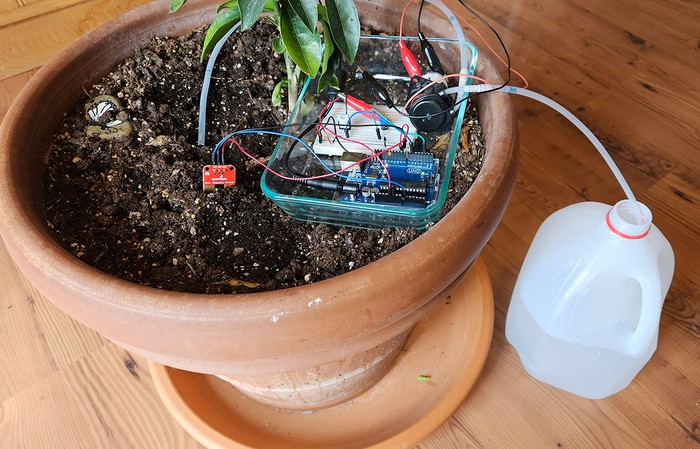
Soil moisture sensors are advanced tools that measure the moisture levels in the soil. They automatically trigger an irrigation system when the soil becomes too dry.
- Real-Time Data: Sensors provide accurate readings of soil moisture, helping avoid over or under-watering.
- Automated Control: They can integrate with existing irrigation systems for seamless automation.
- Environmentally Friendly: This method conserves water by only irrigating when necessary.
Smart Irrigation Controllers
Smart irrigation controllers can be programmed to adjust watering schedules based on weather conditions, plant types, and soil moisture.
- Weather Integration: These devices use local weather data to optimize water usage.
- User-Friendly Apps: Many smart controllers are controlled via smartphone apps for convenience.
- Customizable Settings: Allows for personalized settings based on specific plant needs and garden layouts.
Drip Irrigation Systems
Drip irrigation systems provide targeted watering directly to the plant's roots, reducing water waste and improving efficiency.
- Water Efficiency: Delivers water directly to the roots, minimizing evaporation and runoff.
- Minimal Maintenance: Generally low-maintenance once installed properly.
- Versatility: Suitable for various plant types and garden designs, both indoors and outdoors.
Rainwater Harvesting Systems
Rainwater harvesting systems collect and store rainwater, providing a sustainable water source for irrigation.
- Cost Savings: Reduces water bills by utilizing a free, natural resource.
- Environmental Impact: Contributes to sustainable gardening practices.
- System Automation: Can be integrated with irrigation systems for automated watering, especially during dry spells.
Questions from Our Readers
How can I ensure my plants receive enough water while I'm away for 2 weeks?
To ensure your plants receive enough water while you're away, consider using a self-watering system or drip irrigation. These systems can automatically deliver water to your plants over an extended period. Alternatively, you can fill a plastic bottle with water, create small holes in the cap, and bury it upside down in the soil to provide a slow, steady supply of moisture.
Is it safe to water my plants before I leave for 2 weeks?
Yes, it is safe and often recommended to water your plants thoroughly right before leaving for an extended period, ensuring that the soil is well-saturated. This will help keep the plants hydrated longer while you're away. Make sure to consider the specific needs of each plant, as different varieties may require different amounts of moisture.
Can I use ice cubes to water my plants while I'm away?
Using ice cubes can be a clever method to water your plants while you're away, as they will melt slowly and provide a consistent supply of moisture. Just place a few ice cubes on top of the soil before leaving; they will gradually dissolve, preventing the risk of overwatering that could occur with a traditional watering method.
Should I move my plants to a different location while I'm on vacation?
Moving your plants to a shadier location can help reduce their water requirements while you are away. By decreasing direct sunlight exposure, plants may use less water and remain healthier during your absence. However, be cautious and ensure that the new location still meets their light requirements to prevent stress.

If you want to read more articles like Essential Tips on How to Water Plants While Away for 2 Weeks, we recommend you check out our Irrigation category.
Leave a Reply
Related Articles