What is the Three Times Rule for Sprinklers? A Comprehensive Guide to Sprinkler System Efficiency
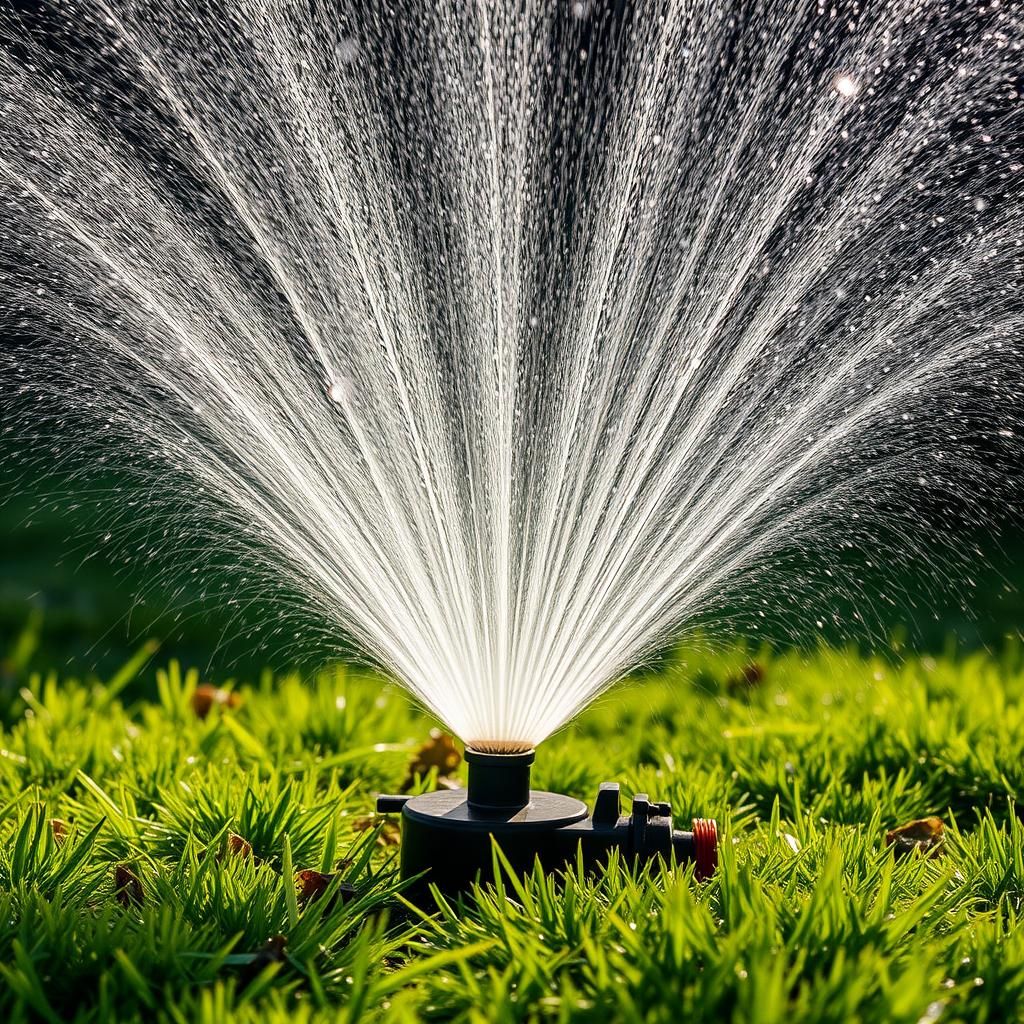
Understanding the efficiency of your sprinkler system is crucial for optimal water management and landscaping. One essential principle to consider is the Three Times Rule, which serves as a guideline for determining the adequate duration and frequency of watering. This rule ensures that plants receive the right amount of water without causing waste or over-saturation. In this comprehensive guide, we will explore the Three Times Rule in detail, its application in various landscaping scenarios, and how it can enhance the performance of your sprinkler system. Discover how implementing this guideline can lead to a healthier garden and reduced water costs.
Understanding the Three Times Rule for Sprinklers
The three times rule for sprinklers is a guideline used in landscape irrigation that dictates how often and how much to water plants to ensure optimal growth while conserving water. According to this rule, the overall watering schedule should be informed by the plant's water requirements, with adjustments made for the specific climate and soil type. Essentially, the rule suggests watering a garden three times a week at a depth of approximately one inch per watering session, thereby allowing the soil to maintain adequate moisture levels without causing runoff or over-saturation. This prudent approach not only supports healthy plant development but also promotes water efficiency in irrigation practices.
What Does the Three Times Rule Entail?
The three times rule essentially breaks down the watering schedule into three sessions per week, encouraging gardeners to water deeply and less frequently rather than shallowly and more often. This method allows moisture to penetrate deeper into the soil, encouraging root growth and enhancing the plant's resilience to drought conditions. By adhering to this guideline, plants are better able to access water and nutrients from the soil layers below, leading to a healthier growth cycle.
Benefits of Following the Three Times Rule
One significant advantage of the three times rule is its role in promoting water conservation. By limiting the frequency of watering, gardeners can reduce water waste and lower utility bills, especially in regions where drought is a concern. Additionally, this method can help prevent overwatering, which can lead to root rot and other plant diseases. Healthier plants thrive with less stress when their watering needs are balanced according to this rule.
How to Implement the Three Times Rule
Implementing the three times rule is relatively straightforward. Gardeners should start by assessing the specific water needs of their plants along with the local climate conditions and soil type. A rain gauge can help determine how much water is being deposited by rainfall. Watering should be done early in the morning to minimize evaporation, applying about one inch of water per session, and ensuring the water penetrates deeply into the soil.
Adjustments to the Three Times Rule
While the three times rule serves as a good baseline, adjustments may be necessary depending on several factors, such as seasonal changes, extreme weather conditions, or specific plant types. For example, during exceptionally hot or dry periods, more frequent watering might be needed, while in cooler months, a reduction can be beneficial. Monitoring soil moisture levels through probing or using moisture meters can aid in making these informed decisions.
Common Misconceptions About the Three Times Rule
A common misconception about the three times rule is that it applies uniformly to all types of plants. In reality, different plants have varying water requirements, and not all gardens necessitate the same care. For instance, drought-tolerant plants may require significantly less water, while others, such as those in sandy soils, may need more. Understanding the specific requirements of each plant type is crucial to effectively applying this rule.
| Aspect | Details |
|---|---|
| Frequency | Three times per week |
| Water Depth | Approximately one inch per session |
| Benefits | Water conservation, healthy plant growth |
| Adjustments | Based on climate and plant type |
| Common Misconception | Uniform applicability to all plants |
What is the 3 times rule for sprinklers?

The 3 times rule for sprinklers refers to a guideline used in landscape irrigation to ensure that water is effectively distributed to plants without causing overwatering or runoff. The essence of the rule is that irrigation systems, especially those employing oscillating or rotating sprinklers, should ideally run for no more than three times the duration of the average time it takes for water to penetrate the topsoil. This helps plants absorb water efficiently and promotes deeper root growth.
Understanding the 3 Times Rule
The 3 times rule essentially simplifies the management of sprinkler systems by focusing on the absorption capacity of the soil. This guideline helps gardeners and landscapers schedule their irrigation in a way that maximizes water utilization. The following points summarize the primary aspects of understanding this rule:
- Evaporation Factors: The time required for soil to absorb water can be affected by temperature, humidity, and wind.
- Soil Type: Different soils, such as sandy or clayey types, have varying absorption rates.
- Root Depth: Understanding the depth and root structure of plants can inform how long the sprinkler should run.
Calculating Irrigation Duration
To implement the 3 times rule effectively, one must first calculate how long it takes for soil to absorb water. This can involve a simple test where you measure the penetration of water into the soil after running a sprinkler for a set duration. Following this, the appropriate duration for the sprinkler system can be determined. Key calculation steps include:
- Water Time: Run the sprinkler for 15 minutes and observe how deep the water penetrates.
- Adjust for Absorption: If it takes 5 minutes for adequate absorption, the sprinkler should then run for up to 15 minutes.
- Frequency: You can repeat this process up to three times to ensure the soil is properly hydrated without overwatering.
Benefits of the 3 Times Rule
Adhering to the 3 times rule provides several advantages that enhance water conservation practices and improve plant health. Some notable benefits are:
- Water Conservation: Reduces water waste by ensuring that only necessary amounts of water are used.
- Improved Plant Health: Encourages deeper root systems, leading to healthier and more resilient plants.
- Cost Efficiency: Lowers water bills due to more efficient irrigation practices.
Common Mistakes to Avoid
When applying the 3 times rule, there are several common missteps that individuals should be cautious about. Being aware of these can lead to better irrigation outcomes:
- Ignoring Soil Conditions: Failing to adjust times based on soil conditions can lead to ineffective irrigation.
- Over-Scheduling: Running sprinklers more than recommended can cause runoff and erosive damage to the soil.
- Seasonal Changes: Not adjusting the times based on seasonally changing weather conditions can waste water.
Implementation in Different Irrigation Systems
The 3 times rule is versatile and can be adapted to various irrigation systems, including drip irrigation, soaker hoses, and conventional sprinklers. Effective implementation requires:
See also:
- Understanding Your System: Different systems may require unique adaptations to the 3 times rule due to their design and water delivery methods.
- Monitoring Plant Response: Observing how plants respond is crucial; adjustments should be made based on their health and growth.
- Regular Maintenance: Ensure that your watering system is free from leaks and operates at optimal performance to benefit from the rule fully.
What is the 3x rule for NFPA?
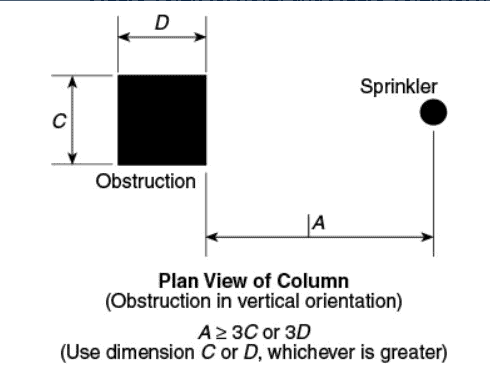
The 3x Rule for the National Fire Protection Association (NFPA) refers to a guideline used in the context of fire safety and protection planning. This rule emphasizes the importance of distance and spatial arrangement in relation to fire hazards, ensuring that any potential fire incidents can be managed effectively without jeopardizing safety. The essence of the 3x Rule is to create a comprehensive understanding of how to mitigate risks associated with fire hazards by maintaining appropriate distances between various elements such as buildings, hazardous materials, and fire protection systems.
Understanding the 3x Rule
The 3x Rule suggests that the distance between fire hazards should ideally be three times the appertaining size of the potential fire source. This principle is especially relevant when planning for the storage and use of flammable materials. Ensuring that appropriate distances are maintained can prevent fire escalation and allow for effective access by emergency responders.
- Defines safe distances from hazards.
- Helps in the planning of fire codes.
- Guides emergency response strategies.
Applications in Fire Safety Planning
The 3x Rule is applied in various fields of fire safety planning. It influences not only building codes but also the layout of construction sites, storage facilities, and industrial operations. Designers and safety officials use the rule to establish effective firebreaks and safe zones around hazardous materials.
- Influences zoning regulations.
- Guides the development of safety protocols.
- Improves risk assessment processes.
Distance Calculation
Calculating the distances referred to in the 3x Rule typically involves measuring the maximum height, width, or overall volume of a potential fire source and then multiplying that measurement by three. These calculations ensure that adequate space is maintained to facilitate safety in event of a fire.
- Establishes a standard metric for safety.
- Addresses dynamic factors in fire scenarios.
- Aids in emergency evacuation design.
Standards and Regulations
The 3x Rule is often reflected in various standards and regulations promoted by the NFPA, including those concerning hazardous materials (NFPA 30) and storage guidelines. Adherence to these standards helps minimize risks and enhances overall safety during operations handle fire-prone substances.
- Establishes compliance benchmarks.
- Informs best practices for industries.
- Promotes standardization among safety measures.
Training and Awareness
Implementing the 3x Rule requires ongoing training and awareness among personnel involved in fire safety. Organizations must educate workers about maintaining safe distances and understanding the implications of the rule concerning fire hazards. This education is crucial for effective risk management.
- Ensures personnel are well-informed.
- Promotes a culture of safety.
- Enhances preparedness for emergency situations.
How many sprinklers can I run off one zone?

The number of sprinklers that can be run off one zone depends on several factors, including the water pressure, the flow rate of the sprinklers, and the type of irrigation system being used. Generally, it is recommended to limit the number of sprinklers to optimize performance and avoid pressure drops. Assuming a standard residential setup, here are key considerations:
1. Water Pressure: The pressure is measured in psi (pounds per square inch). Most residential irrigation systems operate comfortably between 30-50 psi, but the actual pressure can vary widely depending on the source.
2. Flow Rate: Each sprinkler head will have a specific flow rate, typically measured in gallons per minute (GPM). You have to sum up the total GPM of all the sprinklers you wish to run.
3. Sprinkler Type: Different types of sprinklers (stationary, oscillating, drip) will have different requirements. For instance, rotating sprinkler heads usually require less flow than conventional spray heads.
To run sprinklers efficiently off one zone, the total GPM should not exceed the flow rate available for that zone, generally not more than 8-12 GPM depending on the system's capabilities.
Understanding Water Pressure
Water pressure is crucial in determining how many sprinklers can be connected to a single zone.
See also:
- A higher water pressure allows more sprinklers to operate simultaneously.
- Low pressure may lead to insufficient coverage and dry spots in the lawn.
- Check local regulations for pressure limitations and recommendations.
Calculating Flow Rates
Calculating the flow rates of sprinklers is essential for optimizing usage.
- Each sprinkler's GPM rating can be found in the specifications.
- Add the flow rates of all the sprinklers planned for one zone.
- This total should ideally be within the flow capacity of the irrigation system.
Types of Sprinklers
Different types of sprinklers have varying flow requirements.
- Fixed spray heads typically consume more water than drip systems.
- Rotary sprinklers are more efficient and may require less water pressure.
- Choose a type that matches the landscape and the irrigation needs.
Impact of Irrigation System Design
The design of your system affects how many sprinklers can operate simultaneously.
- Efficiently designed systems can distribute water better and often use fewer zones.
- Consider using zone controllers to adjust for varying landscape needs.
- Check for obstructions that could interfere with water distribution.
Increasing Efficiency and Coverage
Improving efficiency helps in maximizing the number of sprinklers in use.
- Group sprinklers based on landscape needs for better coverage.
- Implement smart irrigation practices to adapt to changing weather conditions.
- Regular maintenance of sprinklers helps in maintaining an efficient system.
What is the 18 inch rule for sprinklers?
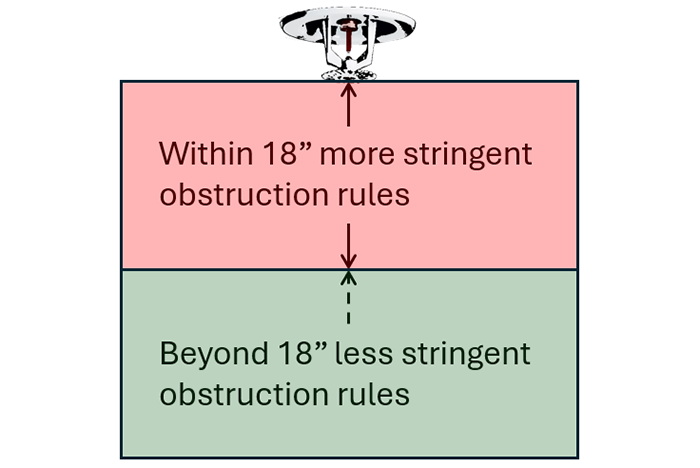
The 18 inch rule for sprinklers refers to the distance that sprinkler heads should be installed from walls and other obstructions to ensure adequate water distribution and coverage in a fire protection system. This guideline is crucial for maintaining the efficiency of the fire suppression system and ensuring that all areas are effectively protected.
Understanding the 18 Inch Rule
The 18 inch rule is primarily utilized in both residential and commercial fire protection systems to prevent water spray from being obstructed by walls or other structural features. Proper installation according to this rule ensures that the sprinklers can deliver water effectively to the areas that need protection. Key points to understand include:
- The distance of 18 inches is measured from the deflector of the sprinkler head.
- This rule aids in avoiding any obstacles that could impede the spray pattern of the sprinkler.
- Following this guideline ensures compliance with fire safety codes and regulations.
Importance of Sprinkler Coverage
Achieving uniform coverage is essential for effective fire suppression. The 18 inch rule plays a significant role in meeting this requirement. When installed properly, sprinklers can distribute water evenly, significantly improving the chances of extinguishing flames before they become uncontrollable. Consider the following:
- Effective coverage reduces the likelihood of fire spread.
- Proper sprinkler placement can lower overall property damage during a fire.
- Increasing protection can enhance the overall safety of occupants in the building.
Common Mistakes in Sprinkler Installation
Many installation errors stem from not adhering to the 18 inch rule, which can lead to ineffective fire protection. Common mistakes include placing sprinklers too close to walls or overlooking this guideline altogether. Important considerations are:
- Distance can often be compromised due to space constraints.
- Sometimes, there is a misunderstanding of the emergency water flow rates required.
- Adjustments to existing structures may impact the required spacing of sprinklers.
Fire Codes and Regulatory Compliance
Adhering to the 18 inch rule also ensures compliance with fire codes and regulations, such as those set by the National Fire Protection Association (NFPA). These codes provide a framework that governs how sprinklers should be installed in various types of buildings. Key points regarding compliance include:
- Fire codes dictate the minimum requirements for sprinkler system design.
- Failure to comply with these rules can result in penalties or issues during inspections.
- Regular updates to the codes require ongoing education for installers and designers.
Maintenance Considerations
Regular maintenance of sprinkler systems is essential for long-term functionality. The 18 inch rule is a part of this maintenance protocol as it ensures that no obstructions develop over time that could hinder sprinkler performance. Consider these maintenance tips:
- Regular checks should be made to ensure no obstructions have formed near sprinkler heads.
- Systems should be inspected for adequate water pressure and flow rates.
- Routine maintenance checks help to uphold compliance with local fire codes.
Questions from Our Readers
What is the three times rule for sprinklers?
The three times rule for sprinklers refers to the guideline that recommends spacing sprinkler heads such that they cover an area of no more than three times their diameter. This means that if a sprinkler has a radius of 10 feet, the next sprinkler should be placed no more than 30 feet apart to ensure even coverage and minimize overlap.
Why is the three times rule important?
The importance of the three times rule lies in its ability to ensure efficient water distribution, preventing dry spots and excessive water waste. By following this guideline, you can maintain a healthy landscape while also complying with local regulations regarding irrigation.
How do I apply the three times rule when installing sprinklers?
To apply the three times rule during installation, first, measure the maximum radius of each sprinkler head and then multiply that radius by three to determine the spacing between each head. By adhering to this spacing guideline, you can achieve optimal sprinkler performance and coverage.
See also:
Can the three times rule be adjusted for different sprinkler types?
Yes, the three times rule can be adjusted based on different types of sprinklers, as some models have varying coverage patterns and ranges. It's essential to consult the manufacturer's specifications for each sprinkler head to ensure proper installation and adherence to the rule for effective irrigation.

If you want to read more articles like What is the Three Times Rule for Sprinklers? A Comprehensive Guide to Sprinkler System Efficiency, we recommend you check out our Irrigation category.
Leave a Reply
Related Articles