Optimal Tips on Where to Position a Greenhouse in Australia?
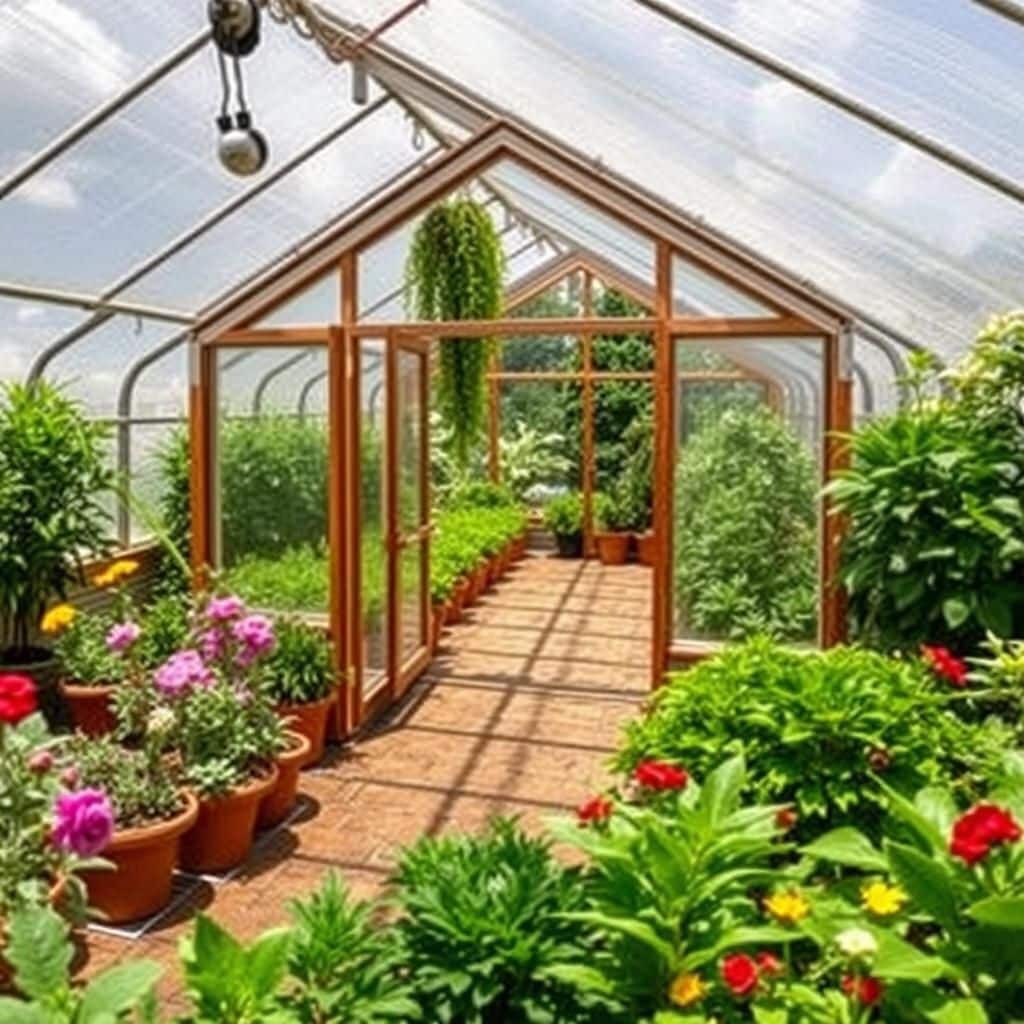
When embarking on the journey of greenhouse gardening in Australia, selecting the right location is crucial for maximizing plant growth and ensuring optimal conditions. The diverse Australian climate offers unique challenges and advantages for gardeners. This article will explore key factors to consider when positioning a greenhouse, including sunlight exposure, wind protection, and drainage. By understanding the specific needs of your plants and the regional climate variations, you can create an environment that promotes healthy growth year-round. Discover the optimal tips that will help you make the most of your greenhouse investment and achieve a thriving garden.
Optimal Locations for Greenhouses in Australia
When selecting a location for a greenhouse in Australia, it is crucial to consider factors such as sunlight, wind exposure, and drainage. Australia’s diverse climate means that choosing the right position can vary significantly based on the thermal conditions of your specific region. Ideally, a greenhouse should be placed in an area that receives maximum daily sunlight, particularly during the winter months to ensure adequate heat for plant growth. Additionally, avoiding sites prone to strong winds or frost can help in promoting a conducive growing environment. The land should also have good drainage, preferably on a slightly elevated surface to prevent water pooling, which can damage the greenhouse structure and the plants inside.
Considerations for Climate Zones
Australia is divided into multiple climate zones, which can significantly impact greenhouse placement. Northern regions typically experience tropical conditions, while southern areas can have more temperate climates. Greenhouses in tropical areas may benefit from some shade during the hottest parts of the day, whereas structures in temperate zones might require maximum sunlight exposure. Understanding the specific climate characteristics of your location will help maximize your greenhouse’s efficiency and productivity by aligning it appropriately with seasonal weather patterns.
Sunlight Exposure
Maximizing sunlight exposure is essential for any greenhouse in Australia. Greenhouses should generally face north in the southern hemisphere to capture the most sunlight throughout the day. It's important to ensure that surrounding structures or trees do not shade the greenhouse during peak sunlight hours. The ideal orientation helps achieve optimal thermal properties which contribute to a warmer and more suitable environment for plant growth. Evaluating sunlight patterns throughout the year will also aid in determining the best location.
Wind Protection
Wind can significantly affect the temperature and moisture levels inside a greenhouse, making it vital to select a location protected from strong winds. Sites near natural windbreaks, such as trees or hedges, can help shield the greenhouse from harsh weather and reduce the risk of damage to the structure and plants. In areas prone to strong gusts, positioning the greenhouse behind a wind barrier can create a more stable microclimate and enhance the overall growing experience.
See also:
Accessibility and Infrastructure
When positioning a greenhouse, consider its accessibility for maintenance tasks such as planting, watering, and harvesting. It should be located close to water sources for irrigation and pathways for easy access. Furthermore, proximity to power lines or existing buildings can facilitate the installation of heating, cooling, and lighting systems when necessary. Ensuring optimal infrastructure can enhance productivity and efficiency in greenhouse operations.
Soil Conditions and Drainage
The quality of the soil and drainage in the chosen area is another critical factor for greenhouse placement. Ideally, the site should have well-draining soil to prevent waterlogging, which can lead to root diseases and reduced plant health. It’s advisable to avoid areas where water tends to accumulate, particularly after heavy rains. Conducting a soil assessment prior to construction will help determine whether additional drainage solutions are necessary for maintaining healthy growing conditions.
| Factor | Recommendation |
|---|---|
| Sunlight Exposure | Face the greenhouse north for optimal light |
| Wind Protection | Locate near natural windbreaks |
| Accessibility | Ensure close proximity to water sources |
| Soil Conditions | Avoid waterlogged areas; ensure well-draining soil |
| Climate Zone | Understand and adapt to local climate characteristics |
Understanding Microclimates for Greenhouse Placement in Australia
When determining the optimal location for a greenhouse in Australia, it is essential to understand the various microclimates that exist within your property. Each area may have unique characteristics influenced by factors such as sunlight exposure, wind patterns, and moisture levels, all of which can significantly affect the growth of your plants. Identify areas that receive the most sunlight throughout the day, especially during the colder months, as well as locations that offer some protection from harsh winds. Additionally, observe where the highest humidity levels are found, as this will aid in maintaining the ideal temperature and environmental conditions inside the greenhouse, ultimately promoting healthier plant growth.
Sunlight and Orientation
The amount of sunlight your greenhouse receives is a critical factor to consider. In Australia, positioning your greenhouse to capture maximum sunlight—ideally facing north—can enhance its temperature regulation and promote optimal plant growth. Pay attention to any shading from trees, buildings, or other structures throughout the day to ensure that your greenhouse isn't obstructed, especially during winter when sunlight is less direct. This positioning helps maintain a warm environment, allowing for year-round cultivation of your desired plants.
Wind Protection
Wind can have a profound impact on greenhouse conditions, often leading to heat loss and increased stress on plants. It's vital to locate your greenhouse in an area that provides natural windbreaks, such as hedges, fences, or nearby buildings. By selecting a spot shielded from prevailing winds, you can not only enhance temperature stability inside the greenhouse but also reduce the risk of structural damage from severe weather. Understanding wind patterns in your region will help you select the best possible location.
See also:
Accessibility and Maintenance
Consider the practicality of your greenhouse's location in relation to accessibility for maintenance and harvesting. It should be easily reachable from your home or garden shed to facilitate routine checks, watering, and care. Over time, how often you'll need to manage your plants—be it for watering, pruning, or pest control—will dictate an ideal spot. Placing your greenhouse within a reasonable distance from your primary gardening areas can streamline these tasks and make your gardening experience more enjoyable.
Soil Quality and Drainage
The quality of the soil and the drainage capabilities in the chosen area can dramatically affect your greenhouse's success. It's advisable to test soil conditions, including its drainage, before positioning your greenhouse. Greenshouses thrive best in well-drained soil that allows for proper root development and nutrient absorption. If your property has areas with poor drainage, consider improving soil through amendments or selecting alternative locations where the soil is more suitable for plant growth.
Proximity to Water Sources
Having a nearby water source can greatly simplify the irrigation process within your greenhouse. When choosing a location, consider how easily you can access water for your plants, whether it be through a tap, hose, or rainwater collection system. Ideally, the greenhouse should be in close proximity to these sources to facilitate efficient watering, especially during hot summer months when plants are likely to require more hydration. This convenience can save you time and enhance the overall management of your greenhouse.
Questions from Our Readers
Where should a greenhouse be placed for maximum sunlight?
The ideal position for a greenhouse in Australia is to have it oriented along the north-south axis, which allows for optimal sunlight exposure throughout the day. This alignment ensures that the greenhouse receives full sunlight, particularly in the northern areas, where sunlight is abundant during the growing season.
What factors should be considered regarding wind protection for a greenhouse?
To protect your greenhouse from the prevailing winds, it's important to position it near natural windbreaks, such as trees or fences. These barriers can help reduce wind stress on the structure and create a more stable environment for your plants, enhancing their overall growth and health.
See also:
Is it important to have access to water near the greenhouse?
Yes, having easy access to water is crucial for the maintenance of a greenhouse. It’s best to position your greenhouse close to a water source to facilitate the irrigation process. This can significantly ease the burden of manual watering and help maintain consistent humidity levels inside the structure.
Should drainage be a concern when selecting a greenhouse location?
Absolutely, proper drainage is vital for any greenhouse location. Ensure that the site has a slight slope to prevent water accumulation around the foundation, which can lead to root rot in plants. Selecting an area with good drainage will promote a healthy growing environment and enhance the longevity of the greenhouse.
If you want to read more articles like Optimal Tips on Where to Position a Greenhouse in Australia?, we recommend you check out our Greenhouse category.
Leave a Reply
Related Articles