What Plants Can You Use 20/20/20 Fertilizer? A Guide to Boosting Your Garden's Growth
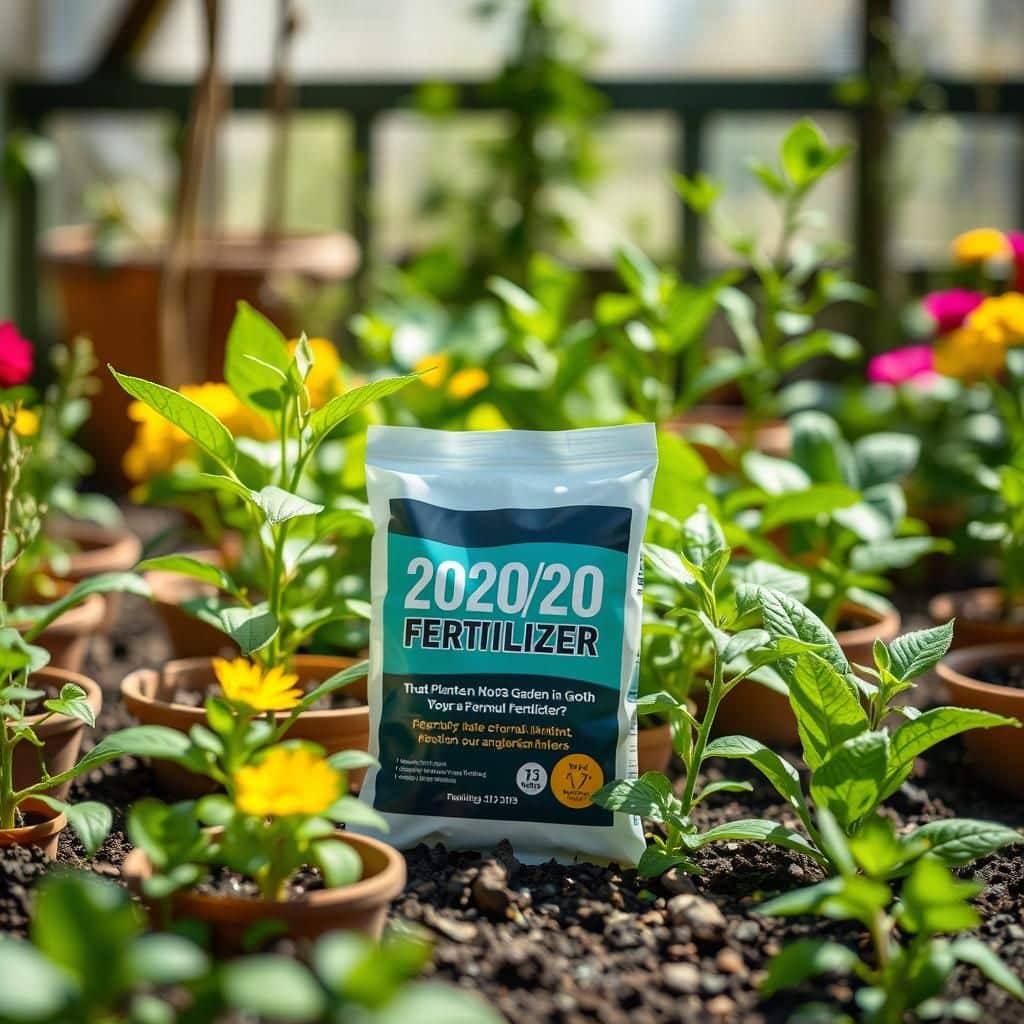
When it comes to nurturing a thriving garden, the right fertilizer can make all the difference. One versatile option is the 20/20/20 fertilizer, which contains an equal ratio of nitrogen, phosphorus, and potassium. This balanced formulation is ideal for a wide variety of plants, providing the essential nutrients they need for optimal growth and development. In this guide, we will explore which plants benefit most from 20/20/20 fertilizer, how to apply it effectively, and the best practices to ensure your garden flourishes. Discover how to harness the power of this fertilizer to transform your garden into a lush paradise.
Which Plants Benefit from 20/20/20 Fertilizer?
Many plants thrive when given a 20/20/20 fertilizer, which provides a balanced supply of nitrogen, phosphorus, and potassium, essential for healthy growth. This type of fertilizer is particularly effective for vegetables, flowers, and ornamental plants that require a nutrient boost during their growing seasons. Some examples include tomatoes, peppers, roses, and geraniums. The versatile ratio of 20/20/20 supports robust foliage development, root growth, and prolific blooming, making it an excellent choice for both indoor and outdoor gardening.
Vegetable Plants
Vegetable plants such as tomatoes, cucumbers, and peppers can greatly benefit from 20/20/20 fertilizer. These plants require a high nutrient intake to produce fruit and maintain healthy foliage. Applying a balanced fertilizer during the growing season encourages strong root systems and increases yields, ensuring that vegetables grow lush and flavorful.
Flowering Plants
Flowering plants like roses and marigolds also respond well to 20/20/20 fertilizer. The balanced nutrient composition helps promote vibrant blooms and healthy green leaves, improving the overall appearance of gardens and landscapes. Regular application during the flowering season fosters a longer blooming period and enhances color intensity and longevity.
Ornamental Plants
Ornamental plants such as hanging baskets and potted plants thrive with a regimen of 20/20/20 fertilizer. These plants often need additional nutrients to support their growth in confined spaces. A balanced approach to feeding helps maintain lush foliage and encourages flowering, leading to healthier plants that enhance decorative appeal in homes and gardens.
See also:
Indoor Plants
Indoor plants, including species like spider plants and peace lilies, benefit as well from 20/20/20 fertilizer. These plants may face nutrient deficiencies due to limited soil volume, and applying a balanced formula can restore vitality and promote growth. Regular feeding enhances leaf health and supports flowering, making indoor greenery more attractive and robust.
Fruits and Berries
Fruit-bearing plants and berries, such as strawberries and blueberries, appreciate the nutrient boost from 20/20/20 fertilizer. The balanced elements in this fertilizer support not just leaf and root growth but are particularly crucial as plants prepare to set fruit. Ensuring adequate nutrition from early growth stages contributes to more abundant and sweeter harvests.
| Plant Type | Example Plants | Benefits |
|---|---|---|
| Vegetables | Tomatoes, Peppers | Improved yields and lush foliage |
| Flowering Plants | Roses, Marigolds | Vibrant blooms and healthy appearance |
| Ornamental Plants | Hanging Baskets, Potted Plants | Lush growth and enhanced flowering |
| Indoor Plants | Spider Plants, Peace Lilies | Restored vitality and improved leaf health |
| Fruits and Berries | Strawberries, Blueberries | More abundant and sweeter harvests |
Understanding the Benefits of 20/20/20 Fertilizer for Various Plants
20/20/20 fertilizer is a balanced nutrient solution, providing equal parts of nitrogen, phosphorus, and potassium, which are essential for plant growth. This type of fertilizer is particularly beneficial for a wide range of garden plants, including vegetables, flowers, and shrubs, as it promotes vigorous growth, enhances root development, and increases flower and fruit production. By using 20/20/20 fertilizer during the growing season, gardeners can help their plants achieve optimal health and productivity, ensuring they flourish and yield the best results.
Best Vegetables for 20/20/20 Fertilizer
When it comes to vegetables, plants such as tomatoes, peppers, and cucumbers thrive with the application of 20/20/20 fertilizer. These plants require a significant amount of nutrients to support their growth and fruiting, and the balanced ratio in this fertilizer helps to promote healthy foliage and abundant yields. Applying this fertilizer periodically throughout the growing cycle can enhance their productivity and improve overall plant health.
Flowering Plants That Benefit from 20/20/20 Fertilizer
Many flowering plants, including roses, petunias, and geraniums, can greatly benefit from 20/20/20 fertilizer. The equal mix of nutrients supports robust blooms and lush foliage, helping these plants reach their full potential. It is especially important to fertilize these plants during their peak growing season to encourage continuous blooming and discourage common issues such as pest infestations and diseases.
See also:
How to Apply 20/20/20 Fertilizer
To effectively apply 20/20/20 fertilizer, it is crucial to follow the manufacturer's instructions for the correct dilution and frequency of application. Generally, it is recommended to mix the fertilizer with water and apply it during the active growing season of the plants. Ensuring that the soil is moist before application can enhance nutrient uptake, while avoiding over-fertilization helps prevent nutrient burn.
Effects on Indoor Plants
For indoor plants, using a diluted form of 20/20/20 fertilizer can be particularly beneficial for houseplants like peace lilies and spider plants. The balanced nutrients support healthy leaf growth and vibrant foliage, making indoor spaces more lively. Indoor plants typically have limited soil and nutrient diversity, so incorporating this fertilizer can replenish essential elements, promoting overall vitality.
Considerations for Organic Gardening
While 20/20/20 fertilizer is a chemical option, gardeners practicing organic gardening may need to consider alternatives that provide similar nutrient balances without synthetic components. Organic options such as compost tea, fish emulsion, or seaweed extract can be used to achieve comparable results without compromising organic principles. It is vital to maintain soil health and nutrient strategies that align with organic practices while still promoting vigorous plant growth.
Questions from Our Readers
What types of plants can benefit from 20/20/20 fertilizer?
20/20/20 fertilizer is a balanced all-purpose fertilizer suitable for a wide variety of plants, including flowers, vegetables, and houseplants. It contains equal parts of nitrogen, phosphorus, and potassium, making it ideal for supporting overall growth, blooming, and fruit production in many types of plants.
How often should I use 20/20/20 fertilizer on my plants?
It is generally recommended to apply 20/20/20 fertilizer every 4 to 6 weeks during the growing season. This frequency helps to ensure that plants receive a steady supply of nutrients to promote robust growth and health, but it's important to avoid over-fertilizing, which can harm plants.
See also:
Can I use 20/20/20 fertilizer for outdoor and indoor plants?
Yes, 20/20/20 fertilizer is suitable for use on both outdoor and indoor plants. When using it on indoor plants, it’s important to dilute the fertilizer to prevent nutrient burn, while outdoor plants can benefit from its use directly in the soil or through foliar feeding.
Is 20/20/20 fertilizer safe for all types of plants?
While 20/20/20 fertilizer is versatile, it is not suitable for all plants. Some sensitive plants, like succulents and certain ornamentals, may require a more specialized fertilizer with lower nutrient concentrations. Always check specific plant needs before using this fertilizer to ensure optimal health and growth.

If you want to read more articles like What Plants Can You Use 20/20/20 Fertilizer? A Guide to Boosting Your Garden's Growth, we recommend you check out our Fertilise category.
Leave a Reply
Related Articles