Can Pumpkin and Tomatoes Be Planted Together? A Complete Guide to Companion Planting

Companion planting is a strategic gardening technique that can enhance plant health, improve yields, and deter pests. One popular combination among gardeners is the pairing of pumpkins and tomatoes. These two crops have distinct growth habits, but when planted together, they can create a beneficial relationship that optimizes space and resources. In this complete guide, we will explore the compatibility of pumpkins and tomatoes, the advantages of planting them side by side, and practical tips for successful cultivation. Whether you're a seasoned gardener or a novice, understanding companion planting can transform your garden into a thriving ecosystem.
Can Pumpkin and Tomatoes Be Planted Together?
Planting pumpkins and tomatoes together can be beneficial in a garden, as they both thrive in similar growing conditions, including warm temperatures and full sunlight. However, it is essential to consider their space requirements and potential pest attraction. Pumpkins can spread and require more room, which could overshadow the tomatoes and inhibit their growth. In contrast, tomatoes often attract pests that can also harm pumpkins. Proper management of these plants’ spacing and monitoring of pests can result in a successful garden where both crops can coexist harmoniously.
Growth Conditions for Pumpkins and Tomatoes
Both pumpkins and tomatoes prefer full sun and well-drained soil. They thrive in warm conditions with a temperature range of 70°F to 85°F. The soil should be rich in organic matter and maintain a pH level between 6.0 and 6.8. Ensuring that these plants have adequate nutrients and regular watering can promote healthy growth. Additionally, using mulch can help retain soil moisture and regulate soil temperature, benefiting both crops.
Space Requirements
Pumpkins typically require a lot of space due to their vining nature, needing around 50 to 100 square feet per plant, while tomatoes can grow well in more compact areas with just 24 to 36 inches between plants. When planting them together, it's crucial to allocate enough space to prevent the pumpkin vines from overshadowing and overcrowding the tomato plants. This strategic arrangement allows both crops to access nutrients and sunlight without competition, resulting in a healthier yield.
Pest and Disease Management
Tomatoes can attract pests like aphids and whiteflies, whereas pumpkins can be susceptible to squash bugs and cucumber beetles. When planting these two crops together, it is essential to monitor for any signs of pest damage and take preventive measures such as using companion planting techniques. For example, planting marigolds nearby can deter some pests. Regular inspection for diseases like blight or yellowing leaves can also help ensure that both plants remain healthy and unaffected.
Harvesting Implications
Timing is critical when it comes to harvesting pumpkins and tomatoes, as they have different harvest periods. Pumpkins generally take about 90 to 120 days to mature, while tomatoes can be ready for harvest as early as 60 days after planting. Care must be taken to ensure that tomato plants are supported well, especially when pumpkins start to spread. Proper timing and monitoring will help avoid any conflict during the harvesting period, ensuring that both crops are gathered at their peak ripeness.
Benefits of Companion Planting
Companion planting, which includes growing pumpkins and tomatoes together, can lead to several benefits, such as improved biodiversity and optimizing space in the garden. When planted side by side, these crops can enhance pollination rates and reduce the likelihood of severe infestations by diverting pests. Additionally, this technique can increase overall yields and promote healthier soil as different plants contribute various nutrients back into the earth, benefiting each other throughout their growth cycle.
| Plant | Sun Requirement | Space Needed | Days to Harvest |
|---|---|---|---|
| Pumpkin | Full Sun | 50-100 sq ft | 90-120 days |
| Tomato | Full Sun | 24-36 inches apart | 60-90 days |
What can you not plant next to pumpkins?
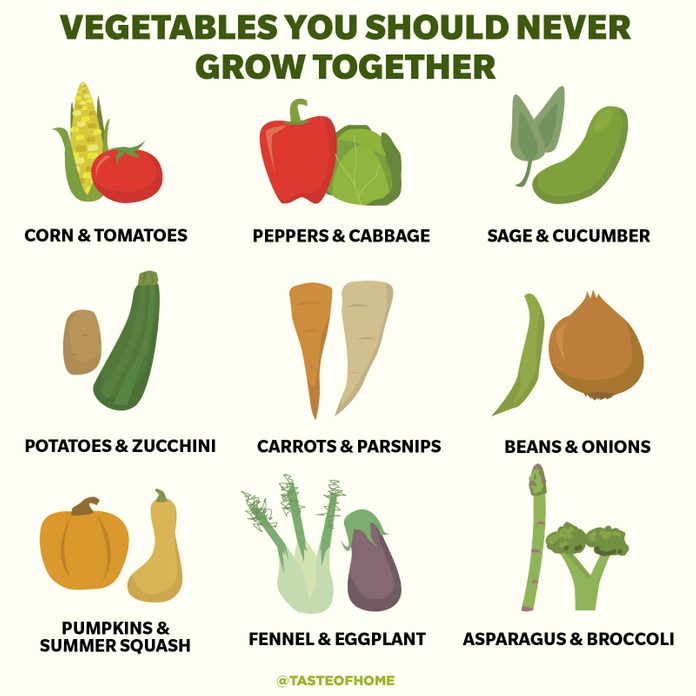
Pumpkins are popular garden crops, but they have specific companion planting guidelines, as certain plants can negatively impact their growth. Here are some plants that you should avoid planting next to pumpkins:
- Cucumbers: Both pumpkins and cucumbers belong to the same family (Cucurbitaceae) and are prone to similar pests and diseases. Planting them together can increase the risk of pest infestations and disease spread, such as powdery mildew.
- Potatoes: Potatoes are known to attract pests like the Colorado potato beetle, which can also affect pumpkins. Moreover, both crops have differing nutrient requirements, leading to competition for resources.
- Turnips: Similar to potatoes, turnips can attract pests that might also harm pumpkins. They have a similar growth cycle and could lead to overcrowding, affecting the health of both plants.
See also:
- Tomatoes: This family of plants can share diseases such as blight, which can negatively affect pumpkin productivity. They also compete for nutrients in the soil since both require similar minerals.
- Sunflowers: While not directly harmful, sunflowers can compete with pumpkins for sunlight, which is essential for pumpkin growth. Their height can overshadow pumpkin plants, leading to inadequate sunlight exposure.
Understanding Cucurbit Family Relationships
Pumpkins are part of the Cucurbitaceae family, which means they share many traits with other plants in this category. The close relationship can result in increased vulnerability to pests and diseases. When planting, consider the following:
- Shared Pests: Many pests are attracted to multiple cucurbits, which can spread quickly among plants.
- Disease Propagation: Diseases can transfer among similar plants, affecting yields.
- Nutrient Competition: Similar nutrient needs can lead to deficiency issues, impacting plant health.
Pest Management in the Garden
Managing pests is crucial when growing pumpkins. Certain crops attract pests, which can also attack pumpkins. Here’s how you can address this:
- Crop Rotation: Change plant locations each year to disrupt pest cycles.
- Companion Planting: Use plants that repel pests to enhance pumpkin health.
- Regular Monitoring: Keep an eye for early signs of pest infestations, allowing for timely interventions.
Nutrient Requirements of Pumpkins
Pumpkins require specific nutrients such as nitrogen, phosphorus, and potassium. When planting near incompatible crops, nutrient competition arises. Here's how you can manage this:
- Soil Testing: Before planting, test your soil to determine nutrient levels.
- Fertilization: Apply fertilizers that cater to the nutrient needs of pumpkins without harming nearby crops.
- Mulching: Use organic mulch to retain moisture and reduce weed competition for nutrients.
Planning for Sunlight Access
Pumpkins thrive in full sunlight, necessitating careful planning when considering neighboring plants. Sunlight competition can lead to reduced yields. To optimize sunlight exposure:
- Spacing: Plant pumpkins at adequate distances from tall crops to avoid overshadowing.
- Orientation: Consider the orientation of plants in relation to the sun's path.
- Pruning: Maintain the height of surrounding plants if necessary to enhance light access.
Organic Farming Practices
If you prefer to grow pumpkins organically, understanding what not to plant near them is essential for successful growth. Implementing organic practices includes:
- Biological Controls: Use natural predators to manage pests harmful to pumpkins.
- Organic Mulches: Use materials like straw or grass clippings to suppress weeds and maintain moisture.
- Intercropping: Plant compatible crops that benefit pumpkins while avoiding harmful neighbors.
Can you plant pumpkin next to tomatoes?

Planting pumpkins next to tomatoes can be a topic of interest for gardeners, especially those looking to maximize their space and ensure optimal growth for both plants. Here’s a detailed exploration of this question.
Companion Planting Benefits
Companion planting is the practice of growing different plants in proximity for mutual benefit. When planting pumpkins next to tomatoes, the following advantages may be observed:
- Pest Control: Certain plants can deter bugs that harm nearby vegetables, creating a natural barrier.
- Improved Growth: Some plants can enhance the growth of others by providing shade or support.
- Efficient Resource Use: Similar water and nutrient needs can lead to better resource management in the garden.
Potential Challenges
While there are benefits to planting pumpkins next to tomatoes, there are also potential challenges that may arise, such as:
- Space Competition: Both pumpkins and tomatoes need ample space and may compete for nutrients and sunlight.
- Vining: Pumpkins are vining plants that can overshadow tomatoes, potentially stunting their growth.
- Disease Spread: Proximity may lead to increased risk of sharing diseases between the two crops.
Soil and Nutrient Requirements
Both pumpkins and tomatoes have specific soil and nutrient requirements that must be met to ensure healthy growth. Consider the following:
See also:
- Soil pH: Both prefer a slightly acidic to neutral pH; however, monitoring is crucial.
- Nutrient Needs: Tomatoes require more nitrogen, while pumpkins thrive on phosphorous and potassium.
- Drainage: Good drainage is essential for both; failure to provide this can affect their health.
Spacing Recommendations
Proper spacing is critical when planting pumpkins next to tomatoes to avoid overcrowding and to ensure sufficient air circulation. Here are some guidelines:
- Row Spacing: Maintain a distance of at least 24-36 inches between rows to accommodate their growth.
- Within Rows: Space tomatoes approximately 18-24 inches apart, allowing pumpkins to spread out.
- Vertical Gardening: Consider using vertical support for tomatoes to free up ground space for pumpkins.
Seasonal Considerations
Understanding the seasonal needs of both crops is key to successful planting. Here are a few considerations:
- Planting Time: Tomatoes are typically planted in late spring, while pumpkins are sown after any frost risk.
- Harvest Time: Timing should be planned, as pumpkins may need longer to mature than tomatoes.
- Weather Conditions: Both crops enjoy warm weather, but extreme temperatures can affect their health.
What should not be planted next to tomatoes?
:max_bytes(150000):strip_icc()/Spruce_Companion_Plants_For_Tomatoes-b09296ce123143cbba06924494fffa98-8757a09df8a1461ea24f0e5e8013a58f.png)
Tomatoes are a popular garden plant, but not all plants thrive when grown in proximity to them. Certain plants can inhibit the growth of tomatoes or lead to increased pest problems. Here are several plants that should not be planted next to tomatoes.
1. Brassicas
Brassicas, which include cabbage, broccoli, and cauliflower, should be avoided when planting tomatoes. These plants are known to compete for similar nutrients, which can hinder the growth of the tomato plants. Additionally, they attract different pests that could make the tomato plants more vulnerable.
- Compete for nutrients
- Increased pest attraction
- Overall reduced yield
2. Potatoes
Planting potatoes near tomatoes can lead to the spread of common diseases, such as blight. Both plants are susceptible to similar pests and pressures, which could create a scenario where one weakens the other.
- Increased disease susceptibility
- Common pest attraction
- Reduced overall plant vigor
3. Peppers
Although both tomatoes and peppers belong to the Solanaceae family, planting them together can lead to competition for light and nutrients. This competition can reduce the overall vitality of both plants.
- Competition for sunlight
- Similar nutrient requirements
- Potentially decreased fruit quality
4. Corn
Corn can attract pests, such as earworms, which can also affect tomatoes. Additionally, the height of corn can shade tomato plants, preventing them from getting adequate sunlight.
- Attracts harmful pests
- Reduces sunlight for tomatoes
- May impact wind pollination
5. Fennel
Fennel is known to produce a chemical that inhibits the growth of nearby plants, including tomatoes. It can stunt the growth and fruit production of tomatoes if planted in close proximity.
- Produces growth-inhibiting chemicals
- Can stunt tomato plants
- Disrupts overall garden harmony
Questions from Our Readers
Can pumpkins and tomatoes be planted together?
Yes, pumpkins and tomatoes can be planted together, but there are some factors to consider. Both plants have similar water and sunlight requirements, which makes them compatible in some cases. However, it is important to monitor for pest issues and diseases, as the close proximity may encourage problems like blight.
What are the benefits of planting pumpkins and tomatoes together?
Planting pumpkins and tomatoes together can provide mutual benefits such as space optimization in the garden. Moreover, the large pumpkin leaves can provide some shade for tomatoes, helping to reduce stress from extreme heat. Additionally, both plants are attractive to beneficial insects, aiding in pollination.
Are there any drawbacks to planting pumpkins and tomatoes together?
One potential drawback is the competition for nutrients and space as both plants can become quite large and spread out. If not managed properly, they may compete too much, leading to stunted growth for one or both plants. Furthermore, their joint presence can lead to the spread of diseases such as fungal infections.
See also:
How should I care for pumpkins and tomatoes planted together?
To successfully care for pumpkins and tomatoes growing together, ensure they have access to adequate water, proper nutrient supplies, and sufficient sun exposure. Regular pruning can help manage their growth and minimize competition. Also, keep a close eye on pests and diseases, implementing preventative measures as necessary.

If you want to read more articles like Can Pumpkin and Tomatoes Be Planted Together? A Complete Guide to Companion Planting, we recommend you check out our Planter category.
Leave a Reply
Related Articles