What is the Most Effective Irrigation System? Discover Top Techniques for Optimal Water Use

In the quest for sustainable agriculture and efficient water management, selecting the most effective irrigation system is crucial. With the growing pressures of climate change and water scarcity, farmers and gardeners alike must explore advanced techniques that optimize water use while ensuring healthy crop yields. This article delves into various irrigation methods, comparing their effectiveness, efficiency, and suitability for different environments. By understanding the strengths and weaknesses of each system, readers will be equipped to make informed decisions that enhance productivity and conserve precious water resources. Join us as we uncover the top techniques for optimal irrigation practices.
What Is the Most Effective Irrigation System?
The most effective irrigation system is one that maximizes water efficiency while minimizing waste, tailoring the method to the specific crop requirements and local climate conditions. Among various systems, drip irrigation stands out as particularly efficient, delivering water directly to the plant roots, which reduces evaporation and runoff. Other popular options include sprinkler systems, which are versatile and suitable for various terrains, and subsurface irrigation, which encourages deep root growth by placing the water below the soil surface. Choosing the right system also involves consideration of factors such as cost, maintenance, and the type of crops being grown, making it essential for farmers to evaluate their unique circumstances.
Drip Irrigation
Drip irrigation is a highly efficient method that delivers water directly to the root zone of plants through a network of tubing and emitters. This technique minimizes water loss by reducing evaporation and runoff, resulting in healthier plants and optimal growth conditions. Additionally, drip systems can be automated with timers and sensors, allowing for precise control over watering schedules based on soil moisture levels.
Sprinkler Systems
Sprinkler systems are widely used for their versatility and ability to cover large areas with water. They can be adjusted to suit different field shapes and sizes, and they can effectively water a variety of crops. The system consists of a network of pipes and sprinkler heads that distribute water in a spray pattern, making it suitable for both large farms and residential gardens. However, it is important to account for potential evaporation losses during hot weather.
Subsurface Irrigation
Subsurface irrigation involves burying water delivery tubes below the soil surface to apply water directly to the plant roots, promoting deeper root development and reducing water loss from evaporation. This system is particularly beneficial in regions with limited water supplies as it conserves soil moisture. It also reduces weed growth since the surface remains drier, but it requires careful installation and maintenance to prevent clogging.
Cost Considerations
When selecting an irrigation system, understanding the cost implications is crucial. Initial installation costs can vary widely depending on the type of system, the size of the operation, and the complexity of the setup. Drip and subsurface systems may have higher upfront costs compared to traditional sprinkler systems; however, their water-saving benefits often lead to significant savings in the long run. Farmers must consider both short-term investments and long-term operational costs when making their decision.
Crop Suitability
The choice of irrigation system should align with the specific crop types and their water needs. Different crops require varying amounts of water and have unique growth patterns, influencing the efficiency of the irrigation method chosen. For instance, delicate seedlings often benefit more from drip irrigation due to controlled water delivery, while established fields may work well with sprinkler systems. Conducting a water requirement assessment based on crop type will help optimize irrigation efficiency.
| System Type | Efficiency | Cost |
|---|---|---|
| Drip Irrigation | High | Medium to High |
| Sprinkler Systems | Medium | Low to Medium |
| Subsurface Irrigation | Very High | High |
What irrigation system is most efficient?
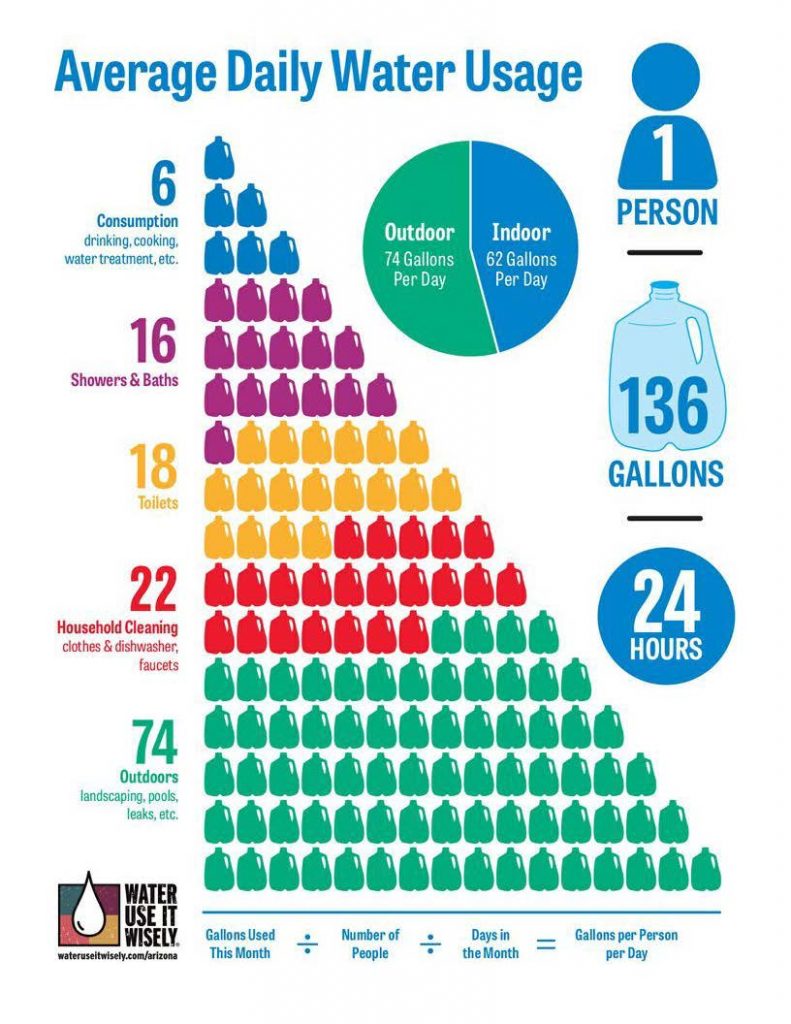
The most efficient irrigation system largely depends on the specific agricultural practices and environmental conditions. However, among various systems, drip irrigation is often considered the most efficient for water usage and crop yield.
What is Drip Irrigation?
Drip irrigation is a method that delivers water directly to the root zone of plants through a network of tubing, valves, and emitters. This efficient technique minimizes water loss and evaporation, ensuring that plants receive an adequate supply of moisture without excess runoff.
- Efficient Water Usage: Drip irrigation uses about 30% to 50% less water compared to traditional watering methods.
- Reduced Weed Growth: By targeting only the plants’ root zones, it limits water availability to weeds.
- Improved Crop Yields: Maintaining consistent moisture levels leads to healthier plants and higher yields.
Advantages of Drip Irrigation
Drip irrigation offers numerous advantages that contribute to its efficiency. These include reduced labor costs, enhanced crop performance, and minimal soil erosion.
- Labor Efficiency: Drip systems can be automated, reducing the need for manual watering.
- Uniform Water Distribution: Water is distributed evenly across the field, promoting uniform plant growth.
- Conserving Water Resources: This system is ideal for arid regions where water conservation is critical.
Considerations for Installing a Drip Irrigation System
Implementing a drip irrigation system requires careful planning and consideration of several factors. These include the type of crops, soil condition, and the available water source.
- System Design: Properly designed systems ensure optimal water flow and pressure.
- Soil Type: Different soils have varying capacities to hold moisture, which affects system efficiency.
- Water Quality: Ensure the water is free of contaminants that could clog the emitters.
Comparison with Other Irrigation Systems
When comparing drip irrigation to other systems like sprinkler or flood irrigation, its efficiency in water usage and effectiveness in targeting plants becomes apparent.
See also:
- Sprinkler Irrigation: While versatile, it can lead to higher evaporation losses and uneven distribution.
- Flood Irrigation: This traditional method can cause waterlogging and is less efficient due to runoff.
- Subsurface Irrigation: Similar in function to drip, but more complex and cost-prohibitive for many users.
Maintenance and Management of Drip Irrigation Systems
For a drip irrigation system to operate effectively, ongoing maintenance and management are crucial. This involves regular checks and repairs to prevent system failures.
- Regular Inspection: Check for leaks and clogs frequently to ensure optimal performance.
- Filter Maintenance: Clean filters regularly to avoid emitter blockages.
- Monitoring Water Usage: Use flow meters to track efficiency and optimize water applications.
Which irrigation system has the highest efficiency?
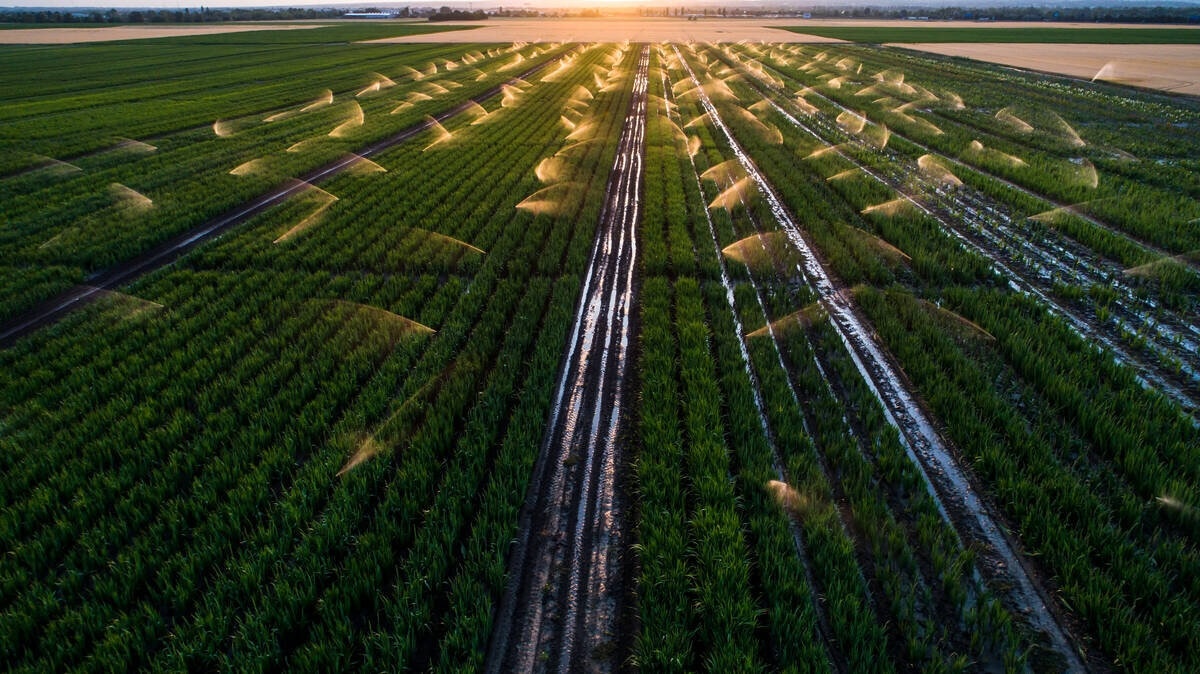
The irrigation system that is often considered to have the highest efficiency is drip irrigation. This system delivers water directly to the root zone of plants, minimizing evaporation and runoff. By providing a slow, steady supply of water, drip irrigation allows for optimal soil moisture conditions while using significantly less water than traditional methods.
Advantages of Drip Irrigation
Drip irrigation offers several benefits that contribute to its high efficiency compared to other systems.
- Water Conservation: Drip systems can reduce water consumption by up to 90% compared to surface irrigation methods.
- Improved Crop Yields: By supplying water directly to the roots, plants receive an adequate amount of moisture, leading to healthier growth and higher yields.
- Reduced Weed Growth: Since water is delivered specifically to the plants, the surrounding areas remain dry, reducing weed competition for nutrients and water.
Components of Drip Irrigation Systems
A drip irrigation system is composed of various components that work together to achieve efficient water delivery.
- Emitters: These devices control the flow of water from the mainline to the plants, providing a precise amount of water.
- Tubing: Flexible tubes transport water from the source to the emitters, allowing for strategic placement around the crop.
- Filters: Essential for maintaining system integrity, filters prevent debris from clogging the emitters, ensuring consistent water flow.
Comparing Efficiency with Other Irrigation Methods
When compared to other irrigation methods, drip irrigation stands out in terms of water efficiency.
- Surface Irrigation: Although this method is widely used, it can lead to significant water loss due to evaporation and runoff.
- Sprinkler Irrigation: While more efficient than surface irrigation, sprinklers can still waste water through evaporation before it reaches the ground.
- Soaker Hoses: Similar to drip systems but generally less efficient, soaker hoses may deliver water unevenly.
Implementation Considerations for Drip Irrigation
Installing a drip irrigation system requires careful planning and consideration to achieve the desired efficiency.
- Site Assessment: Understanding the soil type and crop requirements is crucial for designing an effective system.
- System Design: Proper design includes calculating the flow rate and emitter spacing based on the specific needs of the plants.
- Maintenance: Regular maintenance is important to ensure that the system operates efficiently over time, which includes cleaning filters and checking for clogs.
Advancements in Drip Irrigation Technology
The field of drip irrigation is continually evolving, with recent advancements aimed at improving efficiency and effectiveness.
- Smart Technology: Integrating sensors and automated systems can optimize water delivery based on real-time soil moisture data.
- Pressure Regulators: These devices maintain consistent water pressure, ensuring uniform delivery to all plants.
- Emphasizing Sustainability: New materials and efficient designs are being developed to reduce environmental impact and enhance resource conservation.
Which type of irrigation method will be best?

The best type of irrigation method varies depending on several factors, including the type of crop, soil conditions, climate, and water availability. Here are a few of the most common irrigation methods, along with a detailed overview to help determine which might be best suited for specific situations.
1. Drip Irrigation
Drip irrigation is often regarded as one of the most efficient methods for delivering water directly to the root zone of plants. This method minimizes water wastage and allows for precise application, making it ideal for a range of crops.
- Water Efficiency: Drip systems use 30-50% less water compared to traditional irrigation methods.
- Reduced Weed Growth: By delivering water directly to the plant roots, it reduces moisture in surrounding areas, thereby limiting weed growth.
- Soil Management: This method encourages deeper root growth and improves soil structure, promoting better health of the plants.
2. Sprinkler Irrigation
Sprinkler irrigation is another widely used method that mimics natural rainfall. It is suitable for various cropping systems and is particularly effective in fields with irregular shapes.
- Versatility: Sprinklers can be used for a variety of crops and are adaptable to different field conditions.
- Easier Application: This method allows for the application of fertilizers and pesticides while watering, saving time and labor.
- Setup Cost: Initial installation costs can be higher compared to surface irrigation methods, but the long-term benefits can outweigh these costs.
3. Surface Irrigation
Surface irrigation is the oldest and most traditional form. It involves applying water directly to the soil surface and allowing it to flow over the field. It is most effective in areas with flat terrain and sufficient water supply.
See also:
- Low Initial Cost: Surface irrigation systems typically require lower investment costs as they do not need complex equipment.
- Soil Fertility: It can enhance soil fertility as the slow infiltration of water allows for better absorption of nutrients.
- Labor Intensity: This method can require more labor for maintenance and monitoring compared to modern irrigation systems.
4. Subsurface Irrigation
Subsurface irrigation involves burying the irrigation tubing below the soil surface. This method is particularly effective for crop types that are sensitive to water stress, as it reduces evaporation and runoff.
- Water Conservation: Subsurface irrigation effectively minimizes water loss through evaporation.
- Pest and Disease Control: Because the water is applied below the surface, there is less opportunity for certain pests and diseases to develop.
- Temperature Regulation: The method can help maintain consistent soil temperatures for optimal crop growth.
5. Center Pivot Irrigation
Center pivot irrigation is a mechanized system that waters crops in a circular pattern. It is commonly used in large-scale farming operations due to its efficiency and ability to cover vast acreages.
- High Efficiency: This method is designed to apply water evenly and efficiently, greatly reducing water waste.
- Automation: Many center pivot systems are equipped with automation features that simplify management and reduce labor costs.
- Adaptability: It can be used for various crops and is suitable for different soil types and terrain.
Which of the following is the most efficient type of irrigation?
.webp)
The most efficient type of irrigation is drip irrigation. This system directly delivers water to the root zone of plants through a network of tubes and emitters, minimizing evaporation and runoff. As a result, drip irrigation can significantly reduce water usage, sometimes by as much as 50% compared to traditional methods. This efficiency not only conserves water but also helps in enhancing crop yields and reducing fertilizer runoff.
What is Drip Irrigation?
Drip irrigation is a method that uses localized water application through a system of tubing or pipes that slowly releases water directly to the plant's root zone. This technique is beneficial in various agricultural settings, including gardens, orchards, and large fields. It effectively minimizes water wastage and allows for precise control over water delivery.
- Reduces water wastage significantly.
- Ensures proper nutrient delivery.
- Improves crop quality and yield.
Benefits of Drip Irrigation
The advantages of drip irrigation extend beyond simple water conservation. It provides a host of other benefits, such as reduced labor costs and improved plant health. The system allows farmers to use fewer resources while maximizing output, making it an economically favorable option.
- Dramatic reduction in water use.
- Decreased weed growth due to targeted watering.
- Lower overall maintenance and labor requirements.
Comparison with Other Irrigation Systems
When compared to traditional methods like surface irrigation and sprinkler systems, drip irrigation consistently shows higher efficiency. Surface irrigation can lead to significant water loss through evaporation and runoff, while sprinkler systems may distribute water unevenly, causing over-watering in some areas and drought in others.
- Surface irrigation can waste up to 70% of water through runoff.
- Sprinkler systems distribute water unevenly, creating inefficient practices.
- Drip irrigation applies water directly where it's needed with minimal loss.
Applications of Drip Irrigation
Drip irrigation has a wide range of applications, from small home gardens to extensive agricultural landscapes. It's particularly effective in regions where water is scarce or in arid climates where efficient water use is essential for sustainable farming practices.
- Ideal for vegetable and fruit production.
- Applicable in greenhouses to control humidity and water levels.
- Useful in orchards and vineyards to enhance plant health.
Future of Drip Irrigation Technology
As technological advancements continue, the future of drip irrigation looks promising. Integration with smart farming technologies, such as sensors and automation, can optimize water use even further. These innovations can help farmers adjust watering schedules based on real-time data, leading to more sustainable agricultural practices.
- Integration of IoT devices for real-time monitoring.
- Automation of irrigation based on soil moisture levels.
- Advanced tracking of water usage for efficiency improvements.
Questions from Our Readers
What are the different types of irrigation systems?
There are several types of irrigation systems, including drip irrigation, sprinkler systems, and surface irrigation. Each system has its unique advantages and disadvantages, depending on factors like crop type, soil conditions, and water availability. Drip irrigation is known for its efficiency in delivering water directly to the plant roots, while sprinkler systems can cover larger areas. Surface irrigation is generally easier to implement but may be less efficient.
Which irrigation system is best for farms with limited water resources?
For farms with limited water resources, drip irrigation is often considered the best option. This system minimizes water waste by delivering water directly to the root zone of plants, promoting healthy growth while using less water. Additionally, it can help reduce weed growth by keeping the surrounding soil drier. Overall, drip irrigation enhances water conservation and is suitable for regions facing water scarcity.
How does climate affect the choice of an irrigation system?
Climate plays a significant role in selecting the appropriate irrigation system. In arid regions with low rainfall, systems that conserve water, such as drip irrigation, are preferable. In contrast, areas with ample rainfall may opt for sprinkler systems to manage excess water more efficiently. Moreover, understanding the local climate can help farmers choose a system that aligns with the seasonal variations and specific crop requirements.
What factors should be considered when choosing an irrigation system?
When choosing an irrigation system, several factors should be considered, including crop type, soil characteristics, water availability, and budget. Each crop may have different watering needs, so understanding their requirements is essential. Additionally, local regulations and infrastructure can influence the decision, as well as long-term maintenance costs and the potential for automation in the irrigation system.
See also:

If you want to read more articles like What is the Most Effective Irrigation System? Discover Top Techniques for Optimal Water Use, we recommend you check out our Irrigation category.
Leave a Reply
Related Articles