Will Tomatoes Ripen in a Plastic Greenhouse? Expert Tips for Success
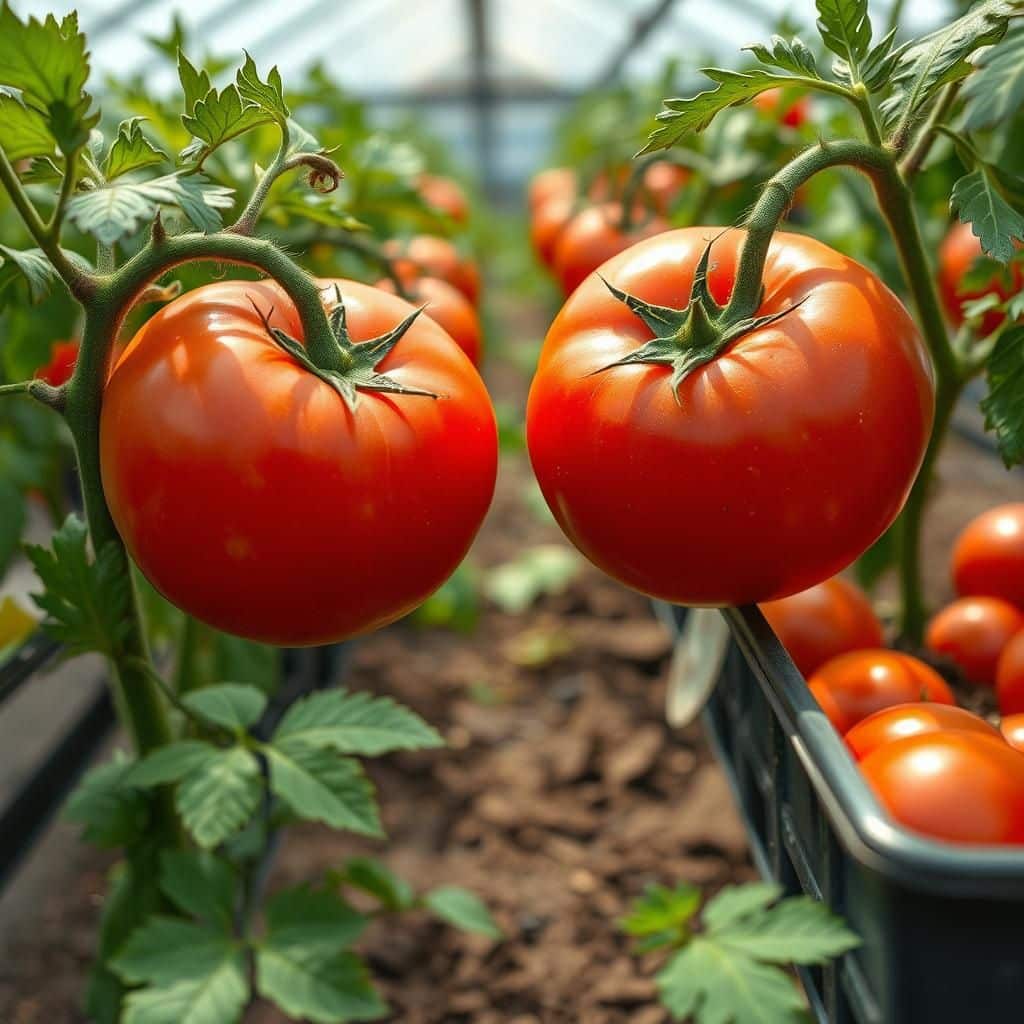
Growing tomatoes can be a rewarding experience, especially when nurtured under the right conditions. One common question among gardeners is whether tomatoes will ripen effectively in a plastic greenhouse. Utilizing a greenhouse can enhance the growing season and protect plants from adverse weather, but it's essential to understand the factors that influence ripening. In this article, we will explore expert tips and strategies to ensure your tomatoes thrive and reach their full flavor potential. From temperature control to light exposure, discover the best practices to make the most of your plastic greenhouse and enjoy a bountiful harvest.
Will Tomatoes Ripen in a Plastic Greenhouse?
Yes, tomatoes can indeed ripen in a plastic greenhouse, thanks to the controlled environment that these structures provide. The use of a plastic greenhouse helps to maintain optimal temperature and humidity levels, which are essential for the ripening process of tomatoes. These greenhouses protect plants from adverse weather conditions and pests while allowing for adequate sunlight exposure, which promotes the development of sugars and acids that contribute to the fruit's flavor and color. Furthermore, the artificial environment can extend the growing season, allowing for faster ripening compared to growing tomatoes outdoors.
Understanding the Role of Temperature
Temperature plays a crucial role in the ripening of tomatoes, as it influences enzymatic reactions within the fruit. Ideally, tomatoes ripen best at temperatures between 70°F and 85°F (21°C to 29°C). In a plastic greenhouse, maintaining these temperatures is relatively easy, as it can trap heat during the day while insulating plants from cooler night temperatures. This stable temperature regime can significantly accelerate the ripening process, leading to better quality fruit.
The Importance of Light Exposure
Light exposure is essential for the ripening of tomatoes, as it facilitates photosynthesis, which contributes to sweetening the fruit. In a plastic greenhouse, tomatoes can receive consistent sunlight throughout the day, enabling them to produce the necessary sugars. However, it's important to ensure that the plants are not overexposed to direct sunlight, which can lead to heat stress. Positioning the greenhouse appropriately or utilizing shading techniques can help achieve the right balance.
Humidity Levels and Their Impact
Humidity levels in a plastic greenhouse can significantly impact tomato ripening. High humidity can create an environment conducive to diseases such as fungal infections, while too low humidity can lead to stress in the plants. Ideally, maintaining a humidity level between 60% and 70% fosters optimal conditions for ripening while preventing moisture-related diseases. Regular monitoring and ventilation can help maintain this balance.
Protection from Pests and Diseases
One significant advantage of using a plastic greenhouse is the protection it offers from pests and diseases that can ravage tomato crops. By minimizing exposure to these threats, the plants can focus their energy on ripening rather than fighting off infestations. This improved health can lead to quicker and more uniform ripening, resulting in higher quality tomatoes. Utilizing integrated pest management (IPM) techniques within the greenhouse can further enhance this protective effect.
Extending the Growing Season
A plastic greenhouse allows for an extended growing season, which is particularly beneficial in regions with short summers. By providing a controlled environment, tomatoes can be planted earlier in the spring and harvested later into the fall. This extended season not only increases the potential yield of ripe tomatoes but also provides more opportunities for multiple harvests throughout the year, making it a practical solution for tomato growers.
| Factor | Ideal Range | Impact on Ripening |
|---|---|---|
| Temperature | 70°F - 85°F (21°C - 29°C) | Accelerates ripening |
| Humidity | 60% - 70% | Prevents diseases, promotes ripening |
| Light Exposure | Consistent sunlight | Increases sweetness and flavor |
| Pest Protection | Minimized exposure | Improves fruit quality |
| Growing Season | Extended | Increases potential yield |
How do you ripen tomatoes in a greenhouse?

To ripen tomatoes in a greenhouse effectively, several methods can be employed. These methods utilize the controlled environment of a greenhouse, which allows for optimal temperatures, light, and humidity to promote the ripening process. Here are some detailed approaches:
Temperature Management
Maintaining an appropriate temperature in the greenhouse is essential for ripe tomatoes. The ideal temperature range is between 70°F and 85°F (about 21°C to 29°C). Here are some key points to consider:
- Maintain consistency: Fluctuations in temperature can hinder the ripening process.
- Use heating systems: If temperatures drop, consider using heaters to maintain warmth.
- Ventilation: Ensure proper airflow to prevent overheating and encourage optimal conditions.
Light Exposure
Tomatoes require ample light for proper ripening. Adequate sunlight helps in the synthesis of sugars, contributing to flavor as well. Consider these aspects:
- Maximize sunlight: Position plants to receive the maximum amount of natural light.
- Supplement with grow lights: In case of low light conditions, using artificial lighting can promote growth.
- Monitor shading: Ensure that larger plants do not block sunlight from smaller ones.
Humidity Control
Humidity plays a critical role in the ripening of tomatoes. High levels can encourage rot, whereas low levels can slow ripening. Focus on the following:
- Ideal humidity levels: Aim for a humidity level of around 60-70% to promote ripening effectively.
- Use humidifiers or dehumidifiers: Depending on the current humidity, to maintain balanced moisture levels.
- Watering practices: Water the plants adequately but avoid excessive watering that could lead to overly moist conditions.
Ethylene Gas Exposure
Tomatoes produce ethylene, a natural gas that promotes ripening. You can enhance this process in the greenhouse in various ways:
See also:
- Group ripe fruits with unripe ones: This allows the ethylene produced by ripe tomatoes to accelerate ripening.
- Use ethylene gas generators: These can artificially boost ethylene levels in the greenhouse if necessary.
- Monitor ripeness: Check the maturation of tomatoes frequently to ensure they are being influenced by ethylene effectively.
Ventilation and Airflow
Proper ventilation is vital to ensure a healthy environment that encourages ripening. Stagnant air can lead to mold and other issues, hindering ripening. Implement these strategies:
- Install ventilation systems: Use fans or vents to facilitate airflow within the greenhouse.
- Adjust window openings: Open windows during the day to allow fresh air to circulate.
- Check for obstructions: Ensure that plants are not overcrowded, allowing each plant to receive adequate air circulation.
Can you grow tomatoes in a plastic greenhouse?

Yes, you can grow tomatoes in a plastic greenhouse. A plastic greenhouse provides a controlled environment that can significantly enhance the growth of tomato plants. The benefits of using a plastic greenhouse include optimal temperature management, protection from pests and diseases, and the ability to extend the growing season. Here’s a more detailed explanation and related topics.
Benefits of Growing Tomatoes in a Plastic Greenhouse
Growing tomatoes in a plastic greenhouse offers several advantages:
- Temperature Control: Greenhouses help maintain a consistent temperature which is crucial for tomato plants.
- Protection: They shield plants from harsh weather conditions and various pests.
- Extended Season: The environment allows for earlier planting and later harvests.
Choosing the Right Type of Plastic
The type of plastic used for the greenhouse can affect light transmission and insulation:
- Polyethylene: Commonly used for its cost-effectiveness and flexibility.
- Polycarbonate: Provides better insulation and durability, protecting plants from UV rays.
- Recycled Plastic: An eco-friendly option that helps in reducing waste while maintaining functionality.
Ideal Conditions for Tomato Growth
Tomato plants thrive under specific conditions that a plastic greenhouse can provide:
- Light: Tomatoes require at least 6-8 hours of sunlight daily for optimal growth.
- Humidity: Maintaining humidity levels between 60-70% helps prevent blossom drop.
- Ventilation: Proper airflow is crucial to prevent fungal diseases and overheating.
Watering Strategies for Tomatoes in a Greenhouse
Watering methods in a plastic greenhouse can impact tomato yield:
- Drip Irrigation: This method delivers water directly to the roots, minimizing waste.
- Soil Moisture Monitoring: Using moisture meters can help determine when to water.
- Avoiding Overwatering: Ensuring proper drainage is essential to prevent root rot and other diseases.
Pest Management in Plastic Greenhouses
To protect tomatoes from pests in a greenhouse setting, consider the following:
- Natural Predators: Introducing beneficial insects such as ladybugs can control pest populations.
- Row Covers: Utilizing lightweight fabric can deter pests while allowing light penetration.
- Regular Inspections: Frequent checks for signs of pests or diseases ensure early intervention.
Why won't my tomatoes ripen in the greenhouse?

There are several reasons why your tomatoes may not be ripening in the greenhouse. Understanding these factors can help you create a more favorable environment for your plants.
Temperature Issues
Temperature plays a crucial role in the ripening process of tomatoes. When temperatures are either too high or too low, it can hinder their natural ripening.
- High temperatures: If the temperature in the greenhouse exceeds 90°F (32°C) during the day and 70°F (21°C) at night, the ripening process may be disrupted. Heat stress can lead to blossom drop and fruit development issues.
- Low temperatures: Conversely, if nighttime temperatures drop below 55°F (13°C), it can slow down or halt the ripening process altogether. Tomatoes thrive in a warm environment.
- Temperature variation: Fluctuations between high and low temperatures can stress plants, causing them to prioritize survival over fruit ripening.
Insufficient Light
Light is essential for photosynthesis as well as the ripening of tomatoes. A lack of adequate light can result in poor fruit color development and taste.
- Light quality: Tomatoes require full sun exposure, ideally around 6 to 8 hours of direct sunlight daily. High-intensity light encourages better photosynthesis.
- Light duration: If your greenhouse does not provide enough light, consider using supplemental lighting, especially during shorter daylight months.
- Light blockage: Ensure that there are no obstructions, such as foliage from other plants, which may block light from reaching the tomatoes.
Watering Practices
Proper watering is essential for the overall health of your tomato plants and can significantly impact their ability to ripen.
See also:
- Overwatering: Excess water can lead to root rot, which may prevent plants from absorbing necessary nutrients needed for ripening.
- Underwatering: Insufficient water can stress plants, leading to poor fruit development and hindered ripening.
- Soil moisture: Maintaining consistent soil moisture is critical; both extremes can negatively affect the plants' health and fruit ripening.
Nutrient Imbalance
An imbalance of nutrients can significantly affect the growth and ripening of tomatoes. Both deficiency and excess can create problems.
- Nitrogen levels: Too much nitrogen can lead to lush foliage but less fruit development. A balanced fertilizer that focuses on phosphorus and potassium can enhance ripening.
- Deficiencies: Lack of essential nutrients like potassium can impair fruit development and maturation, leading to delayed ripening.
- Soil testing: Regular soil tests can help identify deficiencies or imbalances, allowing for proper amendments to be added.
Pest and Disease Problems
Pests and diseases can compromise the health of your tomato plants, hindering their ability to ripen.
- Common pests: Aphids, whiteflies, and spider mites can sap the strength of your plants, preventing them from thriving and not allowing proper ripening.
- Diseases: Fungal infections, such as blight or wilt, can damage the plants and lead to poor fruit development and ripening issues.
- Preventative measures: Regular inspection, maintaining plant health, and using organic pest control methods can help mitigate risks to your tomato plants.
Can you ripen tomatoes in a plastic container?

Yes, you can ripen tomatoes in a plastic container. This method is often used by gardeners who want to speed up the ripening process of their tomatoes. Here’s how it works and what you should consider:
Why Use a Plastic Container for Ripening?
Using a plastic container for ripening tomatoes can be effective due to several reasons:
- Controlled Environment: A plastic container helps to create a controlled environment for the tomatoes, trapping ethylene gas which is crucial for ripening.
- Protection: Keeps tomatoes safe from pests and external elements while they ripen.
- Convenience: Plastic containers are easy to handle and can be placed in various locations to optimize warmth and light exposure.
Choosing the Right Container
Selecting the proper plastic container is important for successful ripening. Consider the following:
- Size: Ensure the container is large enough to accommodate multiple tomatoes without crowding.
- Ventilation: Choose a container that allows for some ventilation to prevent mold and over-ripening.
- Material: Opt for safe food-grade plastic to avoid any chemical leaching into the tomatoes.
How to Ripen Tomatoes in a Plastic Container
Ripening tomatoes in a plastic container requires a few simple steps:
- Preparation: Select undamaged green tomatoes and place them in the container.
- Add Ethylene Producers: Include a ripe banana or apple to boost ethylene production, which accelerates the ripening process.
- Seal the Container: Seal or cover the container loosely to retain heat and humidity while allowing some air circulation.
Ideal Conditions for Ripening
For optimal ripening in a plastic container, certain conditions should be maintained:
- Temperature: Keep the container in a warm location, ideally between 70°F to 85°F (21°C to 29°C).
- Light Exposure: A well-lit area can help, but avoid direct sunlight which may overheat the tomatoes.
- Humidity: Moderate humidity levels are beneficial, but too much moisture can lead to mold growth on the tomatoes.
Monitoring the Ripening Process
Regular checks are necessary to ensure your tomatoes ripen successfully:
- Check Daily: Inspect the tomatoes every day for ripeness and any signs of spoilage.
- Rotate Tomatoes: Occasionally rotate the tomatoes to ensure even ripening.
- Remove Ripe Tomatoes: As tomatoes reach desired ripeness, remove them to avoid overripening.
Questions from Our Readers
Will tomatoes ripen in a plastic greenhouse?
Yes, tomatoes will definitely ripen in a plastic greenhouse. The controlled environment within the greenhouse, such as temperature and humidity, helps create optimal conditions for tomato ripening, allowing them to turn from green to red more effectively.
What temperature is ideal for ripening tomatoes in a greenhouse?
The ideal temperature for ripening tomatoes in a greenhouse is typically between 70°F and 85°F (21°C to 29°C). Staying within this range ensures the fruit can develop its sugars and flavors, leading to a better taste and texture.
Do I need to provide extra light for ripening tomatoes in a plastic greenhouse?
While tomatoes love sunlight, a plastic greenhouse usually allows enough natural light for them to ripen. However, if the greenhouse is shaded or during shorter days, it may be beneficial to provide additional lighting to enhance growth and ripening.
How can I speed up the ripening process of tomatoes in a greenhouse?
To speed up the ripening process of tomatoes in a greenhouse, you can ensure adequate warmth, maintain consistent watering, and reduce nitrogen fertilizer. Additionally, placing ripe bananas or apples in the greenhouse can introduce ethylene gas, which naturally promotes ripening.
See also:

If you want to read more articles like Will Tomatoes Ripen in a Plastic Greenhouse? Expert Tips for Success, we recommend you check out our Greenhouse category.
Leave a Reply
Related Articles