Will Hedges Grow Back If You Cut Them Down? Understanding Hedge Regrowth and Care Tips

Hedges are a popular choice for landscaping, providing privacy, structure, and beauty to gardens. However, many homeowners may wonder about the consequences of cutting them down. Will they regrow, or are they doomed to be permanently removed? Understanding hedge regrowth is crucial for maintaining the health and appearance of your landscape. This article delves into the factors influencing hedge recovery, the types of hedges that are most resilient, and essential care tips to foster their regrowth. By exploring these aspects, you can make informed decisions about your hedges and ensure they continue to thrive in your outdoor space.
Will Hedges Grow Back After Being Cut Down?
Yes, most hedges will grow back if you cut them down, but the extent and speed of their recovery can depend on several factors such as the type of plant, the time of year when they are cut, and the care provided afterward. Generally, many deciduous and evergreen hedges have the ability to regenerate from their stumps or roots. Some species may respond better to pruning than others, so it is crucial to know what type of hedge you have. Additionally, providing proper care, including appropriate watering and fertilization, can significantly enhance the chances of successful regrowth.
Types of Hedges and Their Regrowth Potential
Different types of hedges have varied regrowth potential. For instance, deciduous hedges like beech and hornbeam typically recover well from heavy pruning, as they can produce new growth from dormant buds. Conversely, some evergreen species may take longer to bounce back, particularly if cut back severely during the wrong season. Knowing the specific species of your hedge is crucial for understanding its ability to regrow.
Best Time to Cut Hedges for Optimal Growth
The best time to cut hedges for optimal regrowth is usually in late winter or early spring before new growth begins. This timing allows plants to recover and take advantage of the upcoming growing season. Cutting during this period minimizes stress on the hedge and can lead to a fuller and healthier resprout of leaves and branches. However, some species may benefit from pruning in late summer to prepare for winter, so it’s important to research individual plant needs.
Methods of Cutting Hedges
There are various methods of cutting hedges, including shearing, thinning, and rejuvenation pruning. Shearing is commonly used for creating formal shapes but can limit natural growth, while thinning involves removing specific branches to promote better circulation and light penetration, which is beneficial for overall health. Rejuvenation pruning is a more drastic method suitable for overgrown hedges, enabling them to replace old wood with new growth but requires careful management to avoid shock.
Care After Cutting Hedges
After cutting, providing proper care is vital to ensure regrowth. Regular watering helps maintain soil moisture, especially if the weather is dry. Applying a balanced fertilizer can also give a nutritional boost, encouraging healthy new growth. Additionally, avoiding over-pruning in subsequent seasons allows the hedge to maintain its vigor without being stressed. Monitoring for pests and diseases is essential too, as newly cut plants can be vulnerable to infections.
Factors Influencing Hedge Regrowth
Several factors can influence the regrowth of hedges. These include the species of the plant, the severity of the cut, environmental conditions such as sunlight and moisture, and the overall health of the hedge before cutting. A well-established hedge that has been properly maintained is more likely to regrow quickly and robustly compared to a neglected one. Therefore, understanding these factors can inform better maintenance practices.
| Factor | Impact on Regrowth |
|---|---|
| Species | Different species have different regrowth abilities. |
| Time of Year | Optimal cutting times enhance recovery. |
| Care | Proper post-cut care aids in healthy growth. |
| Cutting Method | Method affects the extent of new growth. |
| Environmental Conditions | Sunlight and moisture influence growth rates. |
What happens if you cut a hedge back too far?
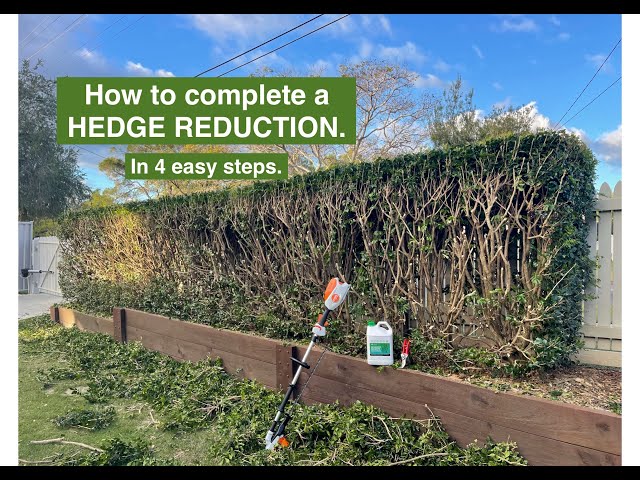
If you cut a hedge back too far, several consequences can arise that may negatively impact the health and appearance of the plant. Hedge plants have specific growth patterns and cutting them excessively can lead to problems such as stunted growth, loss of vitality, and increased vulnerability to diseases and pests.
Stress on the Plant
When a hedge is cut back too far, the plants experience significant stress. This is because they are losing a large amount of foliage, which is essential for photosynthesis. The lack of leaves means reduced energy production, leading to:
- Reduced Growth: The hedge may take longer to recover, resulting in slow growth for the upcoming seasons.
- Weak Branches: New growth may be spindly and weak, making it more susceptible to breakage.
- Shortened Lifespan: Continuous stress can ultimately shorten the life of the hedge plants.
Increased Exposure to Pests and Diseases
A hedge cut back too aggressively leaves it vulnerable to pests and diseases. The loss of foliage weakens the plant’s defenses, leading to:
- Fungal Infections: Open wounds from cutting can be entry points for diseases.
- Pest Infestations: Pests may be attracted to stressed plants, leading to infestations.
- Compromised Health: Once a plant is infected, its overall health deteriorates, making recovery more challenging.
Disruption of Growth Patterns
Cutting a hedge too far can disrupt its natural growth patterns. This can lead to:
See also:
- Uneven Growth: The plant may grow unevenly, with patches being denser or sparser than others.
- Unattractive Appearance: The hedge may appear ragged or poorly maintained, affecting the overall landscape.
- Difficulty in Shaping: Future trimming will require more effort and care to maintain the desired shape.
Potential for Sunburn
When a hedge has been cut back severely, the innermost parts of the plant may become exposed to direct sunlight, leading to sunburn. This results in:
- Leaf Scorch: Newly exposed leaves may burn, resulting in browning or wilting.
- Transpiration Issues: With reduced foliage, the balance of moisture loss through transpiration can be disrupted.
- Need for Additional Care: Extra watering or shading might be necessary to prevent further damage.
Longer Recovery Time
Finally, cutting a hedge back too far means that the time taken to recover will be significantly longer. This can manifest as:
- Delayed Aesthetics: The hedge will take longer to return to its original shape and fullness.
- Increased Maintenance: More frequent maintenance might be needed during the recovery phase.
- Potential for Regrowth Issues: In some cases, the hedge may not recover fully or may need replacing.
How to cut back a hedge without killing it?
To cut back a hedge without killing it, it’s crucial to follow proper techniques that ensure the health and vitality of the plant. Cutting back a hedge incorrectly can lead to stress, disease, or even death of the plant. The key is to perform the pruning at the right time, use the right tools, and adhere to some basic principles that foster healthy growth.
Understanding the Right Time to Prune
Timing is essential when it comes to hedging. The best time to cut back most hedges varies depending on the type of plants; however, general rules apply:
- Late Winter or Early Spring: Most hedges benefit from a trim before new growth starts.
- After Flowering: If the hedge blooms, wait until it has finished flowering before cutting back.
- Avoid Frosty Conditions: Pruning during a frost can harm the plant.
Choosing the Right Tools for the Job
Using the appropriate tools is vital for making clean cuts that minimize damage to the plant:
- Pruning Shears: For small branches, sharp pruning shears provide precision.
- Loppers: For thicker branches, use loppers to ensure you cut efficiently.
- Hedge Trimmers: Electric or manual hedge trimmers are good for shaping larger hedges.
Techniques for Cutting Back Hedges
Employing correct cutting techniques is essential for maintaining a healthy hedge structure:
- Make Clean Cuts: Always ensure your tools are sharp to make clean cuts.
- Cut at an Angle: Cutting at a slight angle helps to prevent water retention on cut surfaces.
- Follow Natural Shape: Avoid drastic cuts; maintain the natural shape of the hedge to encourage healthy growth.
Cleaning Up After Pruning
After pruning, it is crucial to properly clean up the area to prevent disease and promote healthy regrowth:
- Remove Debris: Clear away cut branches and leaves to prevent pests and diseases.
- Disinfect Tools: Clean your tools with a disinfectant to avoid spreading any diseases to other plants.
- Mulch: Applying mulch can help retain moisture and suppress weeds.
Monitoring Hedge Health Post-Pruning
After cutting back your hedge, it is important to monitor its health to spot any issues early:
- Watch for New Growth: Healthy hedges should show signs of new growth within a few weeks.
- Check for Pests: Regularly inspect for any signs of pest infestation or disease.
- Water and Fertilize: Ensure the hedge receives adequate water and nutrients, particularly after pruning.
How hard can you cut back a hedge?
How hard you can cut back a hedge depends on several factors, including the type of hedge, its current health, and the time of year. Generally, cutting back hedges is a common practice to encourage new growth and maintain or reshape their appearance. Here are some key points to consider when determining how hard you can cut back a particular hedge.
Understanding Different Hedge Types
Cutting back a hedge varies significantly depending on the species of plant. Some hedges, like deciduous plants, can be pruned heavily in late winter or early spring, as they will readily bounce back with new growth. Others, like evergreens, might not respond as well to severe pruning, and over-cutting can result in bald spots. Consider the following types of hedges:
See also:
- Deciduous Hedges: Can withstand hard pruning.
- Evergreen Hedges: Should be pruned more cautiously.
- Flowering Hedges: Timing depends on their blooming cycle.
Timing Your Pruning
The timing of when to cut back your hedge is crucial. Most hedges should ideally be pruned during their dormant phase, which for many plants is late winter to early spring. However, this can vary, and pruning at the wrong time can cause stress to the plant or inhibit blooming. Consider these key elements:
- Spring Pruning: Best for early blooming shrubs.
- Summer Pruning: Ideal for maintenance and shaping.
- Autumn Pruning: Risk of damage from frost; generally avoided.
Assessing Hedge Health
Before deciding how hard to cut back a hedge, assess its overall health. An unhealthy hedge that's suffering from disease, pests, or environmental stresses may need more gentle treatment. Pruning should prioritize the well-being of the plant, promoting vigor and preventing further damage. Evaluate the following aspects:
- Leaf Color and Density: Determine overall vitality.
- Presence of Pests: Check for infestations.
- Signs of Disease: Look for discoloration or wilting.
Pruning Techniques
When pruning hedges, using the right techniques is essential to ensure that cutting does not harm the plant. Different methods can help control how much you cut and encourage desirable growth. Here are effective techniques to consider:
- Tip Pruning: Removes the ends of branches for shape.
- Crown Reduction: Lowers the overall height without compromising health.
- Thinning: Removes some branches to increase airflow.
Post-Pruning Care
After pruning, proper care of the hedge can aid recovery and promote healthy growth. Plants often require additional resources to thrive after being cut back. Here’s how to ensure your hedge rebounds well:
- Watering: Ensure adequate moisture, especially in dry periods.
- Fertilization: Consider a balanced fertilizer to encourage growth.
- Mulching: Apply mulch to retain soil moisture and suppress weeds.
What months are you not supposed to cut hedges?

Months to Avoid Cutting Hedges
It is generally advised to avoid cutting hedges during the dormant seasons, which typically include late fall to early spring. The exact months can vary depending on your geographic location and the specific type of species you are working with, but most gardeners agree that the following months should be avoided:
- November - The start of winter in many regions.
- December - A time when plants are in their dormant state.
- January - Cold weather can damage cut branches.
- February - Continued dormancy for many hedge plants.
- March - Early indicators of growth may not be fully apparent.
Potential Risks of Cutting Hedges in Unsuitable Months
Cutting hedges during inappropriate months can lead to several risks that may impact the health of the plants. When hedges are cut during dormant periods, they may experience stress and damage that slows down their growth. It's crucial to recognize these potential issues to ensure that your hedges remain healthy.
- Stress to the plant - Cutting during dormancy can cause unnecessary trauma.
- Increased susceptibility to pests - Damaged plants are more vulnerable.
- Reduced aesthetic appeal - Poorly timed cuts can lead to an unkempt look.
Signs That It is Safe to Cut Hedges
Understanding the growth patterns of your hedges is essential to knowing when it is appropriate to cut them. The primary indicator is the appearance of new growth and changes in weather conditions. Specifically, look for the following:
- New leaf development - Indicates that the plant is reviving from dormancy.
- Warmer temperatures - A sign that spring is approaching.
- Longer days - Increased sunlight promotes growth.
Best Practices for Hedge Cutting
When the right time to cut hedges arrives, following best practices ensures healthy results. Utilizing the appropriate techniques will help avoid errors that could harm the plants. Key practices include:
- Using sharp tools - Ensures clean cuts that heal better.
- Trimming during the cooler parts of the day - Reduces stress on the plant.
- Keeping the shape natural - Encourages healthy growth patterns.
Species-Specific Timing for Hedge Maintenance
Different hedge species have unique growth cycles, which dictate when they should be cut. Understanding the specific needs of the plants in your garden can lead to better outcomes. Here are some examples:
- Evergreens - Generally can be trimmed in late spring or early summer.
- Deciduous plants - Best cut in late winter or early spring.
- Flowering shrubs - Timing can vary; some are pruned after flowering, while others should be cut early.
Questions from Our Readers
Will hedges grow back if you cut them down?
Yes, in most cases, hedges can grow back if you cut them down, as long as the plants are healthy and there is enough foliage left to support new growth. Timing and technique are crucial, so it's best to prune during the growing season for optimal results.
How long does it take for hedges to grow back?
The time it takes for hedges to grow back varies depending on the species, conditions, and how much was cut. Generally, you can expect noticeable regrowth within a few weeks to several months, but full restoration may take one to three years.
See also:
What is the best way to cut hedges for regrowth?
To encourage regrowth, it's important to cut hedges using clean, sharp tools and to avoid cutting them back too severely. Aiming to remove no more than one-third of the plant at a time allows the hedge to recover effectively while maintaining a good shape.
Are there specific types of hedges that recover better than others?
Yes, some species of hedges, like boxwood and yew, are more resilient and recover better from hard pruning compared to others. Choosing the right type and understanding its specific growth habits can greatly affect the success of regrowth after cutting.

If you want to read more articles like Will Hedges Grow Back If You Cut Them Down? Understanding Hedge Regrowth and Care Tips, we recommend you check out our Hedges category.
Leave a Reply
Related Articles