Why Won't My Tomatoes Ripen in the Greenhouse? Key Factors Affecting Tomato Ripening and Solutions

Growing tomatoes in a greenhouse can be a rewarding endeavor, but many gardeners face a common frustration: unripe tomatoes despite ideal conditions. Understanding the factors that influence tomato ripening is essential for successful cultivation. Issues such as temperature fluctuations, humidity levels, light exposure, and nutrient availability can significantly affect the maturation process. In this article, we will explore the key elements that hinder tomato ripening in the greenhouse and offer practical solutions to help you achieve a bountiful harvest of juicy, ripe tomatoes. By addressing these factors, you can enhance your greenhouse environment and ensure your tomatoes reach their full potential.
Why Won't My Tomatoes Ripen in the Greenhouse?
Growing tomatoes in a greenhouse can offer many advantages, yet there are several factors that may prevent your tomatoes from ripening effectively. One of the most critical aspects is the temperature; tomatoes thrive best in warm conditions, ideally between 70°F and 85°F (21°C to 29°C) during the day and slightly cooler at night. If temperatures drop below 55°F (13°C) or rise above 90°F (32°C), the ripening process may slow down or stop altogether. Additionally, inadequate light exposure, insufficient pollination, and high levels of humidity can also hinder the ripening of tomatoes. It's essential to monitor these conditions closely to promote healthier fruit development.
Temperature Issues
Tomatoes require specific temperature ranges to ripen properly. If the temperature in your greenhouse is consistently too high or too low, it can interfere with the ripening process. During the day, temperatures should optimally be kept between 70°F and 85°F (21°C to 29°C), while nighttime temperatures should not fall below 55°F (13°C). When temperatures exceed 90°F (32°C), the fruit may experience thermal stress, leading to issues like blossom drop and delayed ripening.
Light Exposure
Another significant factor affecting the ripening of tomatoes is light. Tomatoes need a minimum of six to eight hours of direct sunlight each day to produce energy through photosynthesis. Lack of adequate light can result in slower growth and ripening. In greenhouses, make sure to position your plants to receive maximum sunlight, and consider using reflective materials or grow lights if natural light is insufficient.
Humidity Levels
High humidity levels can also impede the ripening of tomatoes by creating a moisture-rich environment that fosters disease and reduces fruit quality. Tomatoes prefer humidity levels between 40% and 60%. If your greenhouse is too humid, consider improving air circulation by using fans or vents to help lower humidity levels and encourage the ripening process.
Pollination Problems
Pollination plays a vital role in the development of fruit. In the greenhouse setting, the lack of wind or pollinating insects can lead to poor pollination rates, resulting in fewer fruits and delayed ripening. Hand-pollination can be an effective method to ensure that flowers are properly pollinated, enhancing fruit set and subsequently speeding up the ripening process.
Nutrient Deficiencies
Nutrient deficiencies can also affect how well tomatoes ripen, as they require specific nutrients to grow healthily and efficiently. A balanced fertilizer containing essential elements like nitrogen, phosphorus, and potassium is necessary for optimal tomato growth. If your plants are lacking in specific nutrients, this can lead to poor growth and delayed fruit ripening. Regularly testing your soil and adjusting your fertilization regimen can help prevent these issues.
| Factor | Optimal Range | Impact on Ripening |
|---|---|---|
| Temperature | 70°F - 85°F (21°C - 29°C) | Critical for normal ripening |
| Light Exposure | 6-8 hours of direct sunlight | Essential for photosynthesis |
| Humidity | 40% - 60% | Excess can lead to diseases |
| Pollination | N/A | Necessary for fruit set |
| Nutrients | Balanced fertilizer | Supports healthy growth |
Why are my greenhouse tomatoes not ripening?
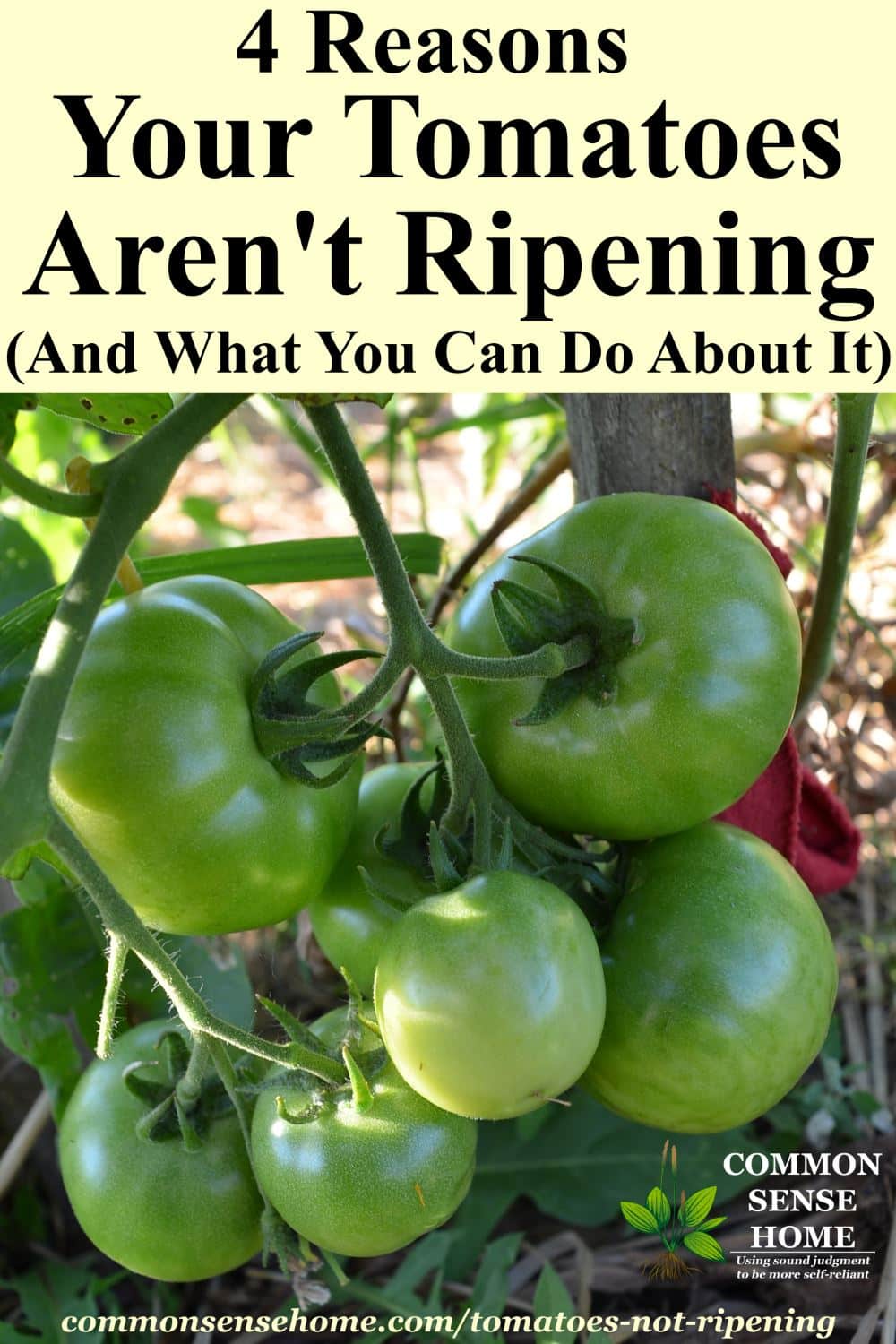
The lack of ripening in greenhouse tomatoes can be attributed to several factors, including environmental conditions, plant health, and cultivation practices. Tomatoes require specific conditions to ripen effectively, and deviations from these can hinder the process. Here are some reasons why your greenhouse tomatoes might not be ripening:
Temperature Issues
Temperature plays a crucial role in the ripening process of tomatoes. Ideal temperatures for tomato ripening are between 70°F and 85°F (21°C to 29°C). If the temperatures are too low or too high, ripening can be significantly delayed.
- Low temperatures can cause tomatoes to become dormant, slowing down the biochemical processes required for ripening.
- High temperatures, especially above 90°F (32°C), can lead to blossom drop and fruit set issues, preventing proper ripening.
- Temperature fluctuations can stress plants, resulting in uneven growth and delayed ripening.
Insufficient Light Exposure
Light is essential for the photosynthesis process, which contributes to the energy needed for fruit development and ripening. Inadequate light can lead to less energy production in the plant.
- Tall plants or excessive foliage can shade lower fruits, causing them to fail to ripen.
- Insufficient natural light, especially in winter months, can hinder photosynthesis.
- Supplemental lighting may be necessary in low-light conditions to aid in the ripening process.
Nutrient Imbalance
The nutrient composition of the soil directly affects the health of tomato plants and their ability to ripen fruits. An imbalance can stunt growth and delay ripening.
- Excess nitrogen fertilizer can lead to lush foliage at the expense of fruit production.
- Deficiencies in potassium and phosphorus can impair fruit development, affecting color and ripeness.
- Regular soil testing can help identify nutrient deficiencies or surpluses that need addressing.
Watering Practices
Watering issues can also impact the ripening of tomatoes. Consistent moisture levels are necessary for the optimal growth of the plant and fruit.
- Under-watering can cause stress, leading to blossom drop and slow ripening.
- Over-watering can lead to root rot and other diseases, which affect plant health.
- Implementing a consistent watering schedule is crucial for optimal growth and ripening.
Pest and Disease Management
Pests and diseases can weaken tomato plants and slow or halt the ripening process. Healthy plants have a better chance of ripening fruit effectively.
See also:
- Common pests like aphids and whiteflies can sap nutrients from the plant, delaying ripening.
- Diseases such as blight and wilt can damage the plant's vascular system, stunting growth.
- Regular monitoring and prompt intervention are essential to manage pest and disease issues.
What to do with tomatoes that won't ripen?
:strip_icc()/green-and-orange-tomatoes-on-plant-c0d6e1c03b274bac93db2b666879cf5e.jpg)
When dealing with tomatoes that won't ripen, there are several effective methods you can use to encourage them to turn from green to red. Here are some strategies and tips for managing unripe tomatoes.
Use Ethylene Gas
One of the most straightforward methods to ripen tomatoes is to expose them to ethylene gas, which is a natural plant hormone. Here’s how you can utilize this method:
- Place your tomatoes in a paper bag, which helps to trap the gas.
- Add a ripe banana or apple to the bag; these fruits emit ethylene gas.
- Seal the bag and store it in a warm area, checking daily for ripening.
Provide Adequate Temperature
The ripening process can be influenced by temperature. Tomatoes prefer warmer conditions for growth and ripening. Here are some temperature-related tips:
- Keep the tomatoes in a location where the temperature is between 68-77°F (20-25°C).
- Avoid placing them in a refrigerator, as the cold can hinder the ripening process.
- Ensure they are out of direct sunlight; too much light can lead to sunburn and may hinder ripening.
Prune the Plant
Sometimes, unripe tomatoes can be a sign that the plant is overburdened. Pruning helps to redirect the plant's energy toward ripening existing fruit. Here’s what you can do:
- Remove excess foliage that is not producing fruit to allow better airflow.
- Cut off any small, green tomatoes that are unlikely to ripen before the end of the season.
- Focus on the larger tomatoes; they need more energy to ripen successfully.
Utilize a Windowsill
Using a windowsill for your unripe tomatoes can help harness natural light and warmth. Here’s how to set them up effectively:
- Line the tomatoes up on a windowsill that receives plenty of sunlight during the day.
- Monitor the moisture levels; ensure they don't dry out completely.
- Turn them occasionally to ensure even exposure to light and warmth across all sides.
Consider a Ripening Box
Creating a ripening box is an innovative way to control the environment for your unripe tomatoes. Here’s how to build and use one:
- Find a cardboard box or plastic container with ventilation holes.
- Place the tomatoes inside along with a piece of ripen fruit.
- Keep the box in a warm, dark area to promote ripening without the risk of spoiling.
Why are my tomatoes staying green for so long?
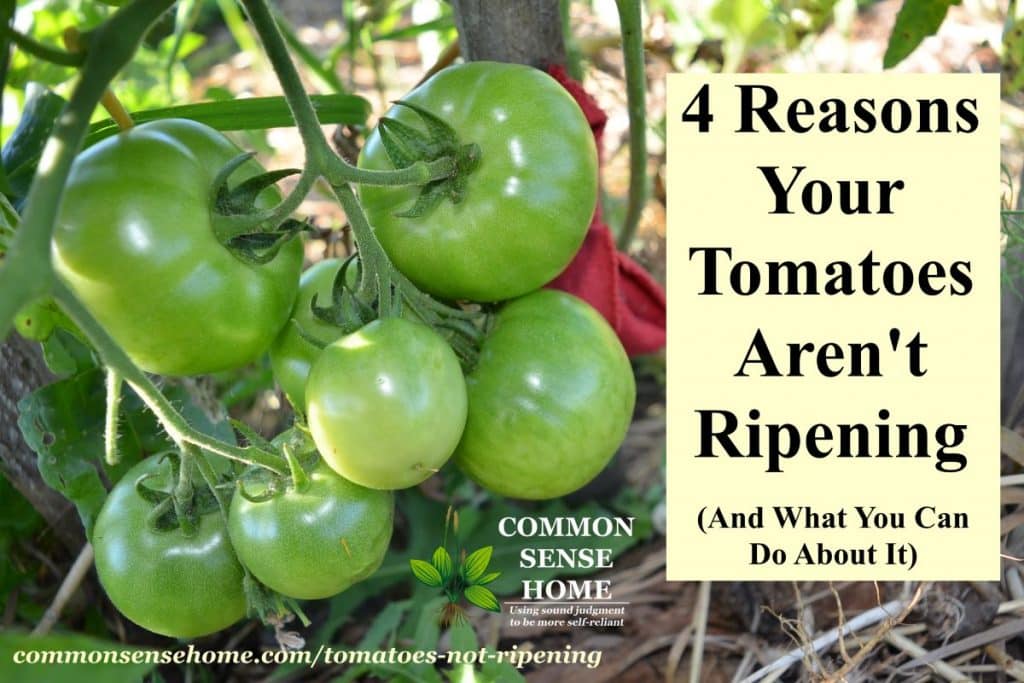
Tomatoes can take a while to ripen and turn from green to red for several reasons. Understanding these factors can help you troubleshoot why your tomatoes are staying green for an extended period.
Temperature and Climate Conditions
The temperature and overall climate can significantly affect the ripening process of tomatoes. Ideal conditions for tomato ripening are between 70°F to 85°F (21°C to 29°C). If the temperature is too low or high, the ripening can slow down considerably.
- Low Temperatures: Temperatures below 50°F (10°C) can hinder the ripening process.
- High Temperatures: Extreme heat over 90°F (32°C) can cause tomatoes to remain green or even drop prematurely.
- Humidity: High humidity can also encourage diseases that affect ripening.
Varietal Differences
Different varieties of tomatoes have distinct growing and ripening times. Some types may naturally take longer to mature than others.
- Determinate Varieties: These generally ripen all at once, but if conditions aren't ideal, they can take longer.
- Indeterminate Varieties: They produce fruit throughout the season, which may lead to staggered ripening.
- Local Adaptation: Some varieties are better suited for specific climates and may take longer in less suitable conditions.
Nutrient Deficiencies
The lack of essential nutrients can also affect ripening. Tomatoes require balanced levels of nitrogen, phosphorus, and potassium for optimal growth and fruit development.
- Nitrogen Overload: Too much nitrogen can lead to lush green foliage but less emphasis on fruit ripening.
- Phosphorus Deficiency: This nutrient is crucial for fruit development; insufficient levels can delay ripening.
- Potassium Deficiency: Important for overall plant health, a lack of potassium could also slow down the ripening process.
Watering Practices
Watering is an essential aspect of growing tomatoes that affects their ripening. Both overwatering and underwatering can impact the growth and maturation of fruit.
- Inconsistent Watering: Fluctuations in soil moisture can stress the plant, causing delays in ripening.
- Overwatering: Too much water can lead to root rot or other diseases, hampering the ripening process.
- Underwatering: Insufficient water can restrict nutrient uptake and lead to stress on the plant.
Pests and Diseases
Pests and diseases can also impede the ripening of tomatoes. If the plant is under attack, it may prioritize survival over fruit maturation.
See also:
- Pests: Insects like aphids and spider mites can stress the plant, delaying ripening.
- Fungal Diseases: Such as blight can weaken the plant, negatively affecting the fruit.
- Viral Infections: These can disrupt normal growth processes, leading to longer ripening times.
Why are my greenhouse tomatoes soft?

The softness of greenhouse tomatoes can be attributed to several factors, which can affect their texture and overall quality. Here are some common reasons why your tomatoes may be soft:
- Watering Practices: Overwatering can lead to waterlogged soil, causing roots to suffocate and limiting nutrient uptake. This can result in soft and mushy tomatoes.
- Temperature Fluctuations: Tomatoes thrive in specific temperature ranges. When exposed to fluctuating temperatures, especially if they are kept too warm, they can become soft due to rapid ripening.
- Nutrient Deficiencies: Essential nutrients, particularly calcium and potassium, play a critical role in fruit development. A deficiency in these nutrients can weaken the cell walls of the tomatoes, leading to a soft texture.
- Pest and Disease Issues: Certain pests and diseases can compromise the structural integrity of the tomato plants. For instance, blight can lead to a softening of the fruit.
- Harvesting Timing: If tomatoes are harvested too late, they may become overripe and soft. Ideally, they should be picked when they are firm but fully colored.
Watering Practices
Improper watering practices can lead to significant issues with tomato texture. Tomatoes require consistent moisture but can suffer from root rot if overwatered. Here are some points to consider:
- Ensure proper drainage in your pots or garden beds to avoid standing water.
- Water tomatoes deeply but less frequently to encourage strong root growth.
- Monitor soil moisture levels, ideally keeping the soil evenly moist but not soggy.
Temperature Fluctuations
Temperature control is vital for tomato cultivation, as extreme fluctuations can lead to fruit softness. Here’s what you should keep in mind:
- Maintain an optimal temperature range of 70-85°F (21-29°C) during the day.
- Protect plants from sudden drops in temperature or extreme heat by using shade cloths or maintaining adequate ventilation.
- Avoid placing tomatoes in areas with poor air circulation, which can exacerbate heat issues.
Nutrient Deficiencies
Nutrient balance is crucial for the firm texture of tomatoes. Calcium and potassium, in particular, are necessary for robust cell structure. Consider the following:
- Frequent testing of soil to ensure adequate nutrient levels are maintained.
- Incorporate supplements like lime or gypsum to counteract calcium deficiencies.
- Use potassium-rich fertilizers during the fruit-setting stage for optimal firmness.
Pest and Disease Issues
Pests and diseases can degrade tomato quality and promote softness. Being vigilant is essential for maintaining healthy plants. Here are some strategies:
- Regularly inspect plants for signs of pests or diseases, such as spots or unusual growths.
- Utilize organic pesticides or introduce beneficial insects to manage infestations.
- Remove affected plants immediately to prevent the spread of disease.
Harvesting Timing
Picking tomatoes at the right time is crucial for their texture. Late harvesting can cause them to become soft and overly ripe. Follow these tips for optimal harvesting:
- Monitor the color of the fruit; they should be fully colored yet firm when picked.
- Avoid letting tomatoes sit on the vine too long after they reach maturity.
- Check for firmness by gently squeezing; they should yield slightly but not feel mushy.
Questions from Our Readers
Why are my tomatoes not turning red in the greenhouse?
The lack of ripening in tomatoes can often be attributed to temperature conditions. Tomatoes thrive in temperatures between 70°F and 85°F (21°C to 29°C), and if the greenhouse is too hot or too cold, it can hinder the ripening process.
Does the amount of light affect tomato ripening in a greenhouse?
Yes, the amount of natural light can significantly impact the ripening of tomatoes. Tomatoes require a good amount of direct sunlight for at least 6 to 8 hours a day, so insufficient light could lead to delayed ripening.
See also:
How does humidity influence my greenhouse tomatoes?
High or fluctuating humidity levels can negatively affect tomato ripening. If the humidity is too high, it can create an environment conducive to disease, while low humidity can lead to blossom end rot, both of which can inhibit the ripening process.
Are there specific nutrients that help tomatoes ripen faster?
Yes, an imbalance in nutrients can slow down the ripening of tomatoes. Providing adequate potassium and phosphorus while avoiding excessive nitrogen can help encourage a quicker and more efficient ripening process.

If you want to read more articles like Why Won't My Tomatoes Ripen in the Greenhouse? Key Factors Affecting Tomato Ripening and Solutions, we recommend you check out our Greenhouse category.
Leave a Reply
Related Articles