Why Was the Discovery of the Wollemi Pine So Important? Unveiling Its Ecological and Historical Significance

The discovery of the Wollemi Pine in 1994 marked a significant turning point in our understanding of biodiversity and conservation. Initially thought to be extinct for millions of years, this ancient tree, scientifically known as Wollemia nobilis, has captured the interest of ecologists, botanists, and the general public alike. Its existence not only highlights the importance of preserving unique ecosystems but also serves as a living link to our planet's prehistoric past. The Wollemi Pine's re-emergence has profound implications for ecological research and conservation efforts, enabling us to appreciate the intricacies of evolution and the necessity of safeguarding our natural heritage.
Why Was the Discovery of the Wollemi Pine So Important?
The discovery of the Wollemi Pine (Wollemia nobilis) in 1994 was significant because it represented a living link to the Jurassic Period, showcasing a species previously believed to be extinct for approximately two million years. This remarkable tree was found in a remote part of Australia, revealing not only its unique evolutionary lineage but also its vital role in the ecosystem. The Wollemi Pine's discovery underscored the importance of conservation efforts, highlighting the fragility of biodiversity and raising global awareness about the need to protect such ancient species from extinction and habitat loss.
The Significance of the Wollemi Pine
The Wollemi Pine is significant as it offers insights into plant evolution and the climate conditions of the past. As one of the world's rarest plants, it stands as a symbol of survival, having adapted to changing environments over millions of years. Researchers study this tree to understand its genetic traits and resilience, which may inform future conservation strategies and contribute to our understanding of plant responses to environmental changes.
Biodiversity and Ecosystem Impact
The existence of the Wollemi Pine plays a crucial role in promoting biodiversity in its native habitat. By hosting various species of flora and fauna, it helps maintain ecological balance and supports the health of its surroundings. Furthermore, the tree's unique characteristics contribute to habitat complexity, supporting various species that rely on its presence for shelter and sustenance.
Conservation Awareness
The discovery of the Wollemi Pine has sparked increased conservation awareness globally. It serves as a case study of how critical it is to protect endangered species and their habitats. Efforts to conserve and propagate this tree have led to heightened public interest in biodiversity conservation, urging communities and governments to prioritize environmental stewardship and sustainable practices.
Scientific Research Opportunities
The Wollemi Pine offers numerous scientific research opportunities that can enhance our understanding of plant biology. Researchers analyze its genetic makeup and evaluate its adaptability to various environmental conditions, potentially discovering compounds that could have applications in medicine or agriculture. This research not only aids conservation efforts but also expands our knowledge of evolutionary processes.
Cultural and Economic Significance
The Wollemi Pine holds both cultural and economic significance for the region where it is found. As a unique natural treasure, it attracts tourists, boosting local economies through eco-tourism. Additionally, it has captured the interest of horticulturists and collectors, leading to commercial opportunities that promote responsible cultivation and appreciation for this ancient tree without risking its survival in the wild.
| Aspect | Importance |
|---|---|
| Evolutionary Link | Connects to the Jurassic Period, offering insights into plant evolution. |
| Biodiversity | Contributes to ecosystem health and supports various species. |
| Conservation | Raises awareness about the need for habitat protection. |
| Research | Facilitates studies on genetics and plant adaptation. |
| Cultural Impact | Boosts local economies and promotes eco-tourism. |
What is the claim to Fame of Wollemi Pine?

The Wollemi Pine (Wollemia nobilis) is renowned primarily for its remarkable story of survival and unexpected discovery. This tree species, believed to have been extinct for millions of years, was rediscovered in 1994 in a remote area of the Wollemi National Park in New South Wales, Australia. Here are some key elements that contribute to its fame:
Discovery in the 1990s
The discovery of the Wollemi Pine was a significant event for both science and conservation.
- Rediscovery: The tree was first described in the early 1990s by a park ranger named David Noble.
- Oldest Living Fossil: Prior to its discovery, the Wollemi Pine was known only from fossil records dating back to the Age of Dinosaurs.
- Protective Measures: After its discovery, strict conservation measures were put in place to ensure the survival of the species in the wild.
Ecological Importance
The Wollemi Pine is critical to the ecosystem where it thrives and has much to offer in terms of ecological research.
- Biodiversity: It serves as an important genetic reservoir that contributes to biodiversity.
- Habitat: The tree creates a unique habitat that supports various wildlife species.
- Carbon Sequestration: Its growth contributes to carbon sequestration, helping in the fight against climate change.
Unique Characteristics
The Wollemi Pine possesses several distinctive characteristics that set it apart from other tree species.
- Growth Form: It can grow up to 50 meters tall and features unique, tiered branches.
- Foliage: The leaves are glossy and resemble those of the ancient conifers found in the fossil records.
- Resilience: This species can survive in both wet and dry conditions, showcasing its adaptability.
Conservation Status
The conservation status of the Wollemi Pine is a focal point for environmentalists and conservationists.
See also:
- Endangered Species: It is classified as critically endangered, emphasizing the need for continued conservation efforts.
- Cultivation Programs: There are initiatives aimed at cultivating the Wollemi Pine in controlled environments to ensure its survival.
- Public Awareness: The fame of the Wollemi Pine has raised public awareness about the importance of biodiversity and conservation.
Cultural Impact
The impact of the Wollemi Pine extends to cultural and scientific realms.
- Symbol of Conservation: It has become a symbol of the success of conservation efforts in Australia and worldwide.
- Educational Value: The tree provides a learning opportunity in schools and institutions about paleobotany and conservation.
- Commercial Value: The Wollemi Pine has also entered the horticultural market, available for planting by enthusiasts.
Is the Wollemi Pine thought to be extinct?
The Wollemi Pine, known scientifically as Wollemia nobilis, is a rare and ancient tree species that was believed to be extinct until its surprising rediscovery in 1994. Despite the previous assumption of extinction, the reality is more complex.
The Rediscovery of the Wollemi Pine
The rediscovery of the Wollemi Pine in a remote area of the Wollemi National Park in Australia was a significant botanical find. Prior to this, it had not been seen for about 2 million years. The tree grows exclusively in a hidden valley, which led scientists to believe that it had vanished from the global landscape. This rediscovery highlighted its resilience and the importance of conservation efforts.
- Discovered by Australian ranger David Noble.
- Found in a remote valley, protecting it from extensive deforestation.
- Estimated to have existed during the time of dinosaurs.
Current Status of the Wollemi Pine
Today, the Wollemi Pine is no longer considered extinct, but it remains extremely rare. Researchers estimate that there are only about 100 adult trees remaining in the wild. This limited population makes the species vulnerable to threats such as climate change, disease, and habitat destruction. Conservation efforts are underway to protect its remaining habitat.
- Population estimated at around 100 mature individuals.
- Conservation programs in place to monitor and protect existing trees.
- Planting initiatives to cultivate the species in other locations.
Conservation Efforts
Conservationists are actively engaged in protecting the Wollemi Pine through various strategies. These include habitat conservation, seed banking, and cultivating the species for educational and research purposes. The efforts aim to ensure that this ancient tree can survive in the long term while raising awareness about the importance of biodiversity.
- Habitat preservation from logging and land development.
- Establishing seed banks for genetic diversity.
- Cultivating the tree in botanical gardens globally.
Threats Facing the Wollemi Pine
Despite its rediscovery, the Wollemi Pine faces numerous threats that could endanger its existence. The primary concerns include climate change and the potential for wildfires, which can devastate its limited habitat. Other threats include invasive species and diseases that could further reduce its population.
- Climate change increasing the likelihood of extreme weather.
- Wildfires destroying existing habitats.
- Invasive species competing for resources or bringing diseases.
Wollemi Pine in Culture and Science
The Wollemi Pine has captured the fascination of both scientists and the public due to its unique place in evolutionary history. It has become a symbol of conservation success and is often discussed in environmental education. Moreover, it has been introduced into cultivation, allowing more people to appreciate this ancient species.
- Featured in ecological discussions about conservation.
- Sold as a garden plant to raise awareness.
- Inspire scientific research on ancient flora.
What tree was rediscovered in 1994?

The tree that was rediscovered in 1994 is the Wollemi Pine (Wollemia nobilis). This rare and ancient species was found in a remote area of the Wollemi National Park, located a few hours northwest of Sydney, Australia. Prior to its rediscovery, the Wollemi Pine was known only from fossil records dating back to about 200 million years, leading scientists to believe it was extinct. Its discovery in 1994 shocked the botanical community and has since become a significant conservation success story.
History of the Wollemi Pine
The Wollemi Pine has a fascinating history that dates back to the time of the dinosaurs. This ancient tree was widespread across Gondwana, the southern supercontinent, before undergoing severe decline due to changing climates. Its extinction in the wild was believed to have occurred millions of years ago, but the discovery of a small population in 1994 overturned this belief.
- Fossil records indicate that the species thrived during the Jurassic period.
- The Wollemi Pine was classified as a living fossil due to its long evolutionary history.
- Scientific interest surged after the tree's discovery, highlighting its importance for botanical studies.
Conservation Efforts
After its rediscovery, extensive conservation efforts were initiated to protect the Wollemi Pine from threats such as logging, development, and climate change. The Australian government took significant action to restrict access to the tree's natural habitat, which has contributed to the better survival of the species.
- Establishment of protected areas around the known Wollemi Pine population.
- Development of a recovery plan that includes ongoing monitoring and research.
- Collaboration with local communities to raise awareness about the significance of this rare species.
Propagation and Cultivation
The Wollemi Pine has been cultivated in various botanical gardens and is available for commercial sale. Its introduction to horticulture aims to facilitate public awareness and raise funds for conservation efforts. Growing this unique tree can also help to promote biodiversity.
See also:
- Propagation techniques include growing from cuttings and seeds.
- The tree is adapted to various climatic conditions, making it suitable for diverse environments.
- Public campaigns have helped increase the popularity of the Wollemi Pine outside its natural habitat.
Ecological Significance
The ecological role of the Wollemi Pine is vital as it contributes to the biodiversity of its native environment. The existence of this ancient species offers insight into the evolutionary processes of coniferous trees and their adaptations over millions of years.
- It provides a habitat for various wildlife species in its native ecosystem.
- The Wollemi Pine serves as an important species for studying climate change impacts on flora.
- Understanding its adaptation strategies can inform conservation practices for other endangered plant species.
Current Research and Studies
Ongoing research on the Wollemi Pine focuses on its genetics, physiology, and conservation strategies. Scientists are keen to understand its resilience and adaptive traits to better predict how it might cope with future environmental changes.
- Studies on genetic diversity help inform conservation breeding programs.
- Research on its ecological interactions contributes to a broader understanding of forest dynamics.
- Publications from ongoing research are vital for educating future generations about plant conservation.
How is Wollemi National Park under threat?
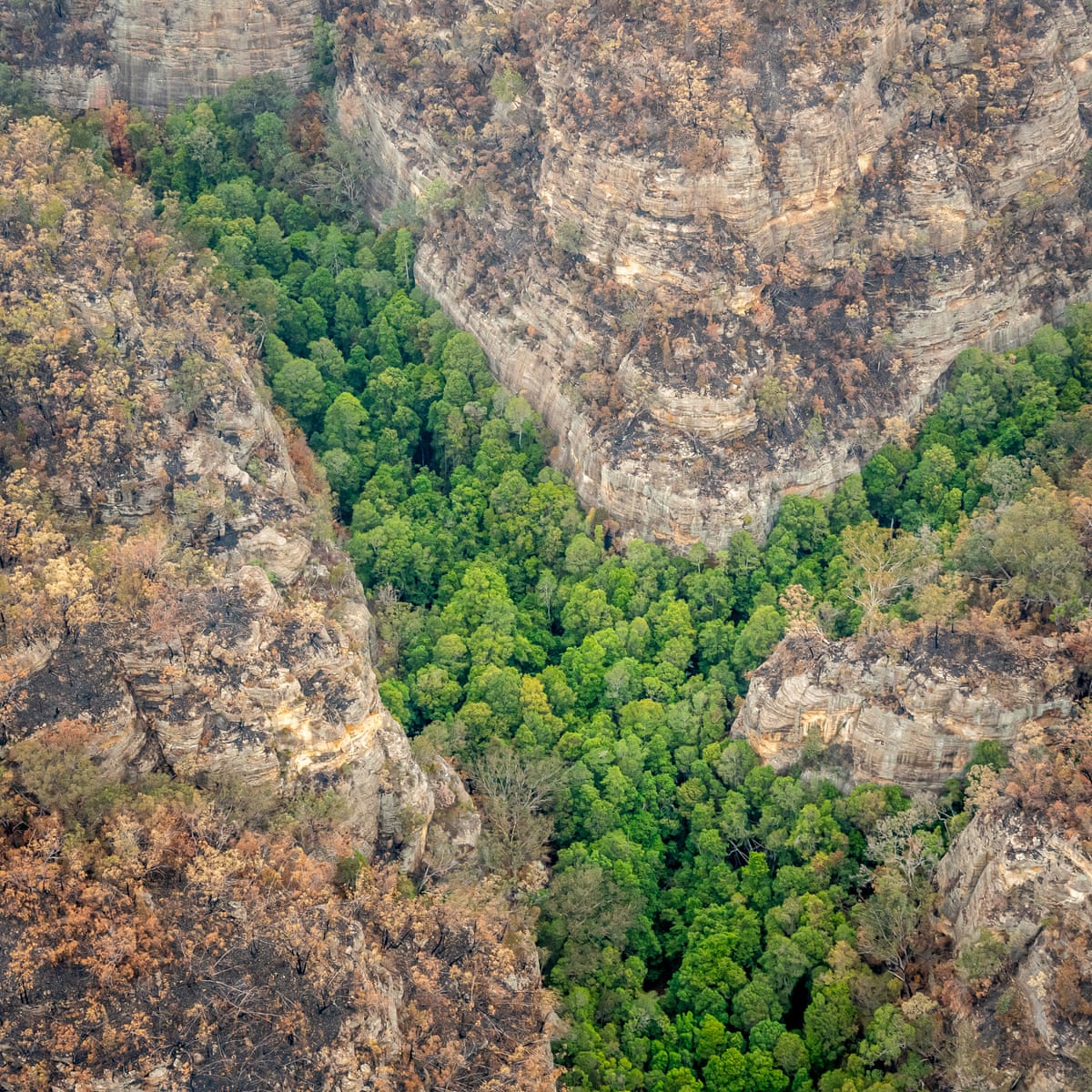
Wollemi National Park, located in New South Wales, Australia, is a UNESCO World Heritage site renowned for its unique biodiversity, including the rare Wollemi pine. However, this stunning natural area is under threat from various factors that compromise its ecological integrity. Here are some of the major threats faced by Wollemi National Park.
Climate Change
Climate change poses a significant threat to Wollemi National Park. Rising temperatures and changing precipitation patterns can disrupt local ecosystems.
- Increased Temperatures: Higher temperatures can lead to increased heat stress on native flora and fauna, which may affect their survival rates.
- Altered Weather Patterns: Changes in rainfall can lead to droughts or floods, both of which can have devastating impacts on the park's unique habitats.
- Species Migration: Many species may be forced to migrate to higher altitudes or latitudes in search of suitable environments, which can disrupt existing ecosystems.
Invasive Species
Invasive species are another major threat to the integrity of Wollemi National Park. These non-native organisms can outcompete local species and disrupt ecological balances.
- Plant Invasives: Species such as lantana and blackberry can invade native vegetation, choking out local plants and altering habitat structures.
- Animal Invasives: Animals like feral cats and foxes prey on native wildlife, including vulnerable species, threatening their populations.
- Pathogen Spread: Invasive species can introduce diseases that native flora and fauna have not adapted to, leading to declines in their populations.
Illegal Activities
Illegal activities, such as poaching and unauthorized land clearing, significantly threaten Wollemi National Park.
- Wildlife Poaching: Certain species in the park may be targeted for illegal hunting, which can destabilize local populations.
- Illegal Logging: Unlicenced removal of trees poses a direct threat to the park's biodiversity and can lead to erosion and habitat loss.
- Campsites and Fire Usage: Unauthorized campsites can disturb wildlife and increase the risk of bushfires, profoundly impacting the park's ecosystem.
Tourism Pressure
While tourism is essential for raising awareness and funding conservation efforts, uncontrolled tourism can pose challenges for Wollemi National Park.
- Overcrowding: High foot traffic can lead to soil erosion, pollution, and disturbance of wildlife, particularly during sensitive times such as breeding seasons.
- Infrastructure Development: The construction of new facilities can encroach on natural habitats and disrupt the park's ecological balance.
- Waste Management Issues: Inadequate facilities can lead to littering and pollution, which negatively impacts both land and water systems.
Natural Disasters
Natural disasters, such as bushfires and floods, increasingly threaten Wollemi National Park due to climate change and other factors.
- Bushfires: Extreme weather conditions can lead to severe bushfires that devastate vast areas of the park, harming wildlife and destroying habitats.
- Flooding: Intense rain events can cause flash floods, washing away soil, vegetation, and even entire ecosystems.
- Soil Erosion: Following natural disasters, the stability of the land can be compromised, leading to further ecological degradation.
Questions from Our Readers
Why was the discovery of the Wollemi Pine significant?
The discovery of the Wollemi Pine was significant as it revealed a living species thought to be extinct for about two million years. This ancient tree, native to Australia, provides valuable insight into the planet's prehistoric environmental conditions and evolutionary history.
What makes the Wollemi Pine unique?
The Wollemi Pine is unique due to its structure and genetic lineage, being the only surviving member of its family, Wollemia. Its distinctive features, such as fern-like leaves and unique bark, set it apart from other trees and attract considerable scientific interest.
How does the Wollemi Pine contribute to conservation efforts?
The Wollemi Pine plays a crucial role in conservation efforts as it serves as a symbol of biodiversity and the importance of preserving endangered species. Its discovery has propelled initiatives to protect not only the species itself but also its habitat, promoting overall ecological health.
What threats does the Wollemi Pine face?
The Wollemi Pine faces numerous threats, including climate change, disease, and habitat destruction. These factors jeopardize its survival, making ongoing conservation and monitoring efforts essential to ensure the species continues to thrive in its natural environment.
See also:

If you want to read more articles like Why Was the Discovery of the Wollemi Pine So Important? Unveiling Its Ecological and Historical Significance, we recommend you check out our Landscaping category.
Leave a Reply
Related Articles