Why is my plant dying even though I'm watering it? Common Causes and Solutions
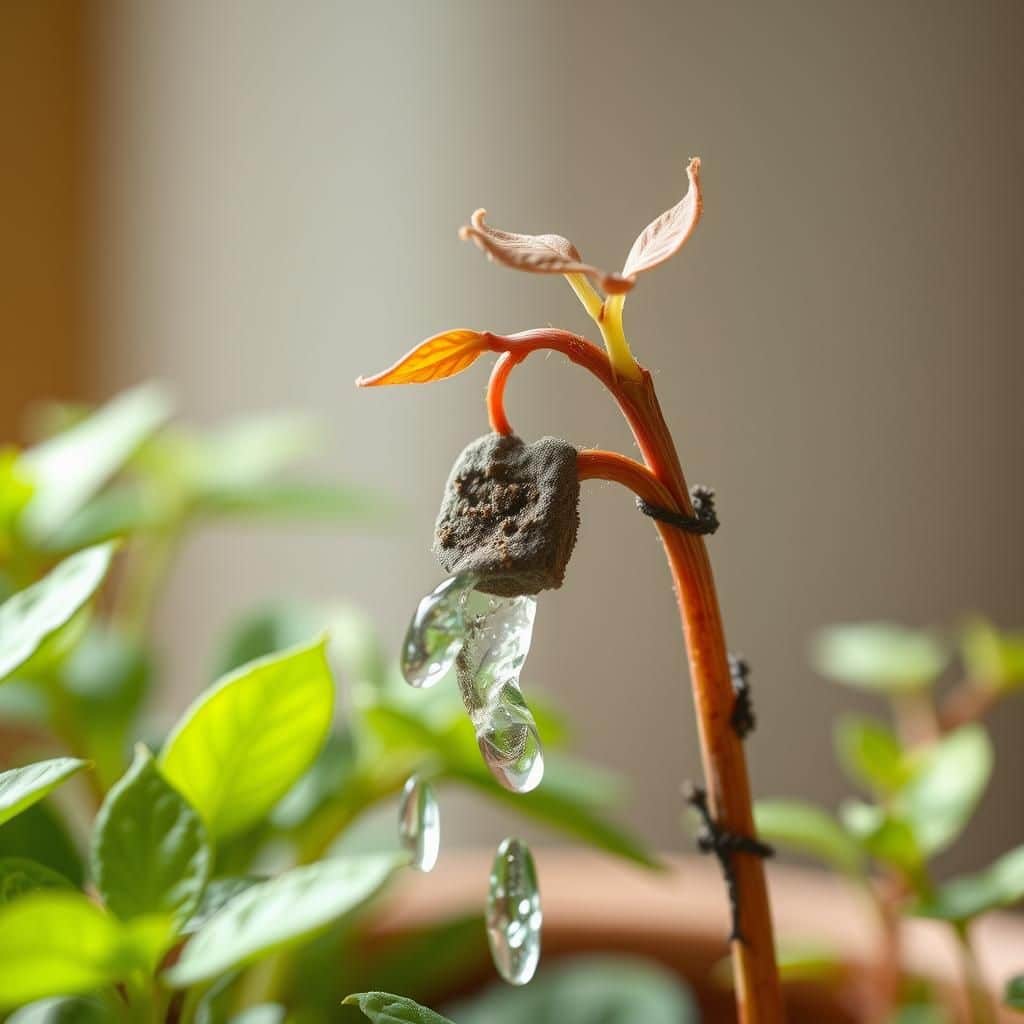
Keeping plants healthy can sometimes feel like a daunting task, especially when they start to show signs of distress despite regular watering. Many plant owners find themselves perplexed, asking, Why is my plant dying even though I'm watering it? The answer lies not only in the frequency of watering but also in understanding the specific needs of each plant. From overwatering to incorrect light exposure, various factors can contribute to a decline in plant health. In this article, we will explore common causes of plant distress and provide practical solutions to revive your green companions and ensure they thrive.
Understanding Why Your Plant is Dying Despite Watering
Many plant owners often find themselves puzzled when their beloved greens show signs of distress, even after regular watering. This dilemma can arise due to various factors beyond just the amount of water provided. Overwatering is a common issue, where excessive moisture can lead to root rot and hinder the plant's ability to absorb essential nutrients. Additionally, poor drainage in pots or soil can trap water, suffocating the roots. Other potential culprits include light conditions, as plants require appropriate sun exposure to thrive; inadequate nutrient supply, which can happen if the soil is depleted; or pest infestations that damage the plant. Understanding these variables is crucial for diagnosing and remedying the problem effectively.
Overwatering vs. Underwatering
Overwatering occurs when the soil remains saturated for too long, leading to root rot and other fungal diseases. Conversely, underwatering results in dry soil, causing the plant to become stressed and wilt. Striking the perfect balance is vital, as both extremes can be harmful. Monitoring soil moisture levels and ensuring proper drainage can help maintain the right consistency for healthy plant growth.
Pest Infestations
Pests like aphids, spider mites, and mealybugs can sap the vitality of your plant by damaging leaves and sucking out nutrients. Even if you are watering correctly, a persistent infestation can hinder the plant's recovery and growth. Regularly checking for pest signs and employing natural or chemical remedies can prevent and address these issues effectively.
Soil Quality and Nutrients
The quality of soil directly affects plant health. Soil can lose its nutrient content over time, leading to poor growth. It's essential to use high-quality potting mix and consider fertilizing periodically, especially during the growing season, to replenish essential nutrients such as nitrogen, phosphorus, and potassium. Regularly checking and refreshing the soil can ensure that your plant receives the ingredients it needs to thrive.
Light Conditions
Plants have specific light requirements that, if unmet, can lead to decline. Too much direct sunlight can scorch leaves, while too little can stunt growth. Understanding your plant's light preferences—whether it thrives in full sun, partial shade, or low light—is crucial for its overall health. Positioning your plant in the appropriate lighting environment can significantly improve its vitality.
Drainage and Potting Issues
Proper drainage is essential for healthy plants. If the container lacks drainage holes or the soil is compacted, excess water can accumulate, leading to root suffocation and decay. It's essential to use pots with adequate drainage and consider adding materials like perlite or sand to improve soil aeration and drainage. Regularly changing pots or refreshing the soil can help prevent these issues.
| Factor | Effect | Solution |
|---|---|---|
| Overwatering | Root rot | Check soil moisture; ensure proper drainage |
| Pest infestations | Nutrient loss | Inspect regularly; treat with appropriate methods |
| Soil quality | Poor growth | Refresh soil; use quality potting mix |
| Light conditions | Stunted growth/scorched leaves | Adjust location according to plant's needs |
| Drainage issues | Root suffocation | Use pots with drainage; improve soil aeration |
Why are my plants dying even though I watering them?

When your plants are dying despite regular watering, it can be frustrating and disheartening. Several factors can contribute to this issue, ranging from overwatering to nutrient deficiencies. Understanding the specific needs of your plants and the conditions they are in is crucial for their health.
Overwatering Issues
One of the most common reasons for plants dying despite proper watering is overwatering. This condition causes the roots to suffocate due to a lack of oxygen and leads to root rot. Signs of overwatering include yellowing leaves, wilting despite wet soil, and a foul smell coming from the soil.
- Waterlogged soil prevents roots from getting necessary oxygen.
- Fungus and bacteria thrive in overly moist conditions.
- Plants may show no growth or decline rapidly.
Poor Drainage
Another critical factor is poor drainage in the plant's pot or the garden bed. Excess water needs a place to go; if it can't escape, it can drown the plant's roots.
- Ensure pots have drainage holes to allow excess water to escape.
- Consider using a well-draining potting mix.
- Elevate pots slightly for better water flow.
Soil Quality
The quality of the soil can also impact plant health. Poor soil may lack necessary nutrients or become compacted, inhibiting root growth and water absorption.
- Use a high-quality potting mix suitable for your specific plants.
- Test the soil pH to ensure it's appropriate for your plant species.
- Replenish nutrients periodically with organic fertilizers.
Inadequate Light Conditions
Plants require the right amount of light to thrive. Insufficient light can weaken plants, making them more susceptible to disease and stress, even if they are watered regularly.
- Identify whether your plants need full sun, partial shade, or indirect light.
- Move your plants to a location that meets their light requirements.
- Consider using grow lights if natural light is insufficient.
Pest Infestation
Pests can also contribute to the decline of your plants. They can feed on leaves, roots, or sap, causing stress and potentially leading to death even with proper watering.
See also:
- Regularly inspect plants for signs of pests like aphids, spider mites, or mealybugs.
- Use insecticidal soap or neem oil if you find an infestation.
- Keep your plants clean by wiping leaves with a damp cloth to prevent pest buildup.
Why is my plant wilting even though I'm watering it?

When a plant is wilting despite being regularly watered, it can be indicative of several underlying issues. It's essential to consider various factors that may affect the plant's health, beyond just the frequency of watering.
Improper Watering Techniques
Improper watering techniques can significantly affect a plant's ability to absorb moisture effectively. Overwatering or underwatering, even if it is consistent, can lead to wilting.
- Overwatering: This can cause root rot, suffocating the roots and preventing them from absorbing necessary nutrients.
- Underwatering: Insufficient watering may not reach the roots, resulting in dehydration despite frequent checks for moisture.
- Water Quality: If the water contains high levels of chlorine or other chemicals, it could affect the plant's health negatively.
Soil Drainage Issues
The type of soil and its drainage capabilities play a critical role in a plant's hydration. Poor drainage can lead to waterlogged soil, which can suffocate roots.
- Soil Composition: Heavy clay soils retain too much moisture, while sandy soils may drain too rapidly.
- Pot Choice: Ensure that pots have adequate drainage holes to prevent excess water buildup.
- Soil Amendments: Adding organic matter or perlite can improve drainage and aeration in the soil.
Pests and Diseases
The presence of pests and diseases can cause stress to plants, leading to wilting. Infestations can interrupt nutrient and water uptake.
- Pest Infestations: Aphids, spider mites, and other pests suck out the plant's moisture and nutrients.
- Diseases: Fungal infections can affect the roots or leaves, impairing water intake and causing wilting.
- Symptoms to Watch: Look for discolored leaves, webbing, or visible insects as signs of infestation or disease.
Environmental Conditions
Environmental factors play a vital role in plant health. Conditions such as light, temperature, and humidity can cause wilting.
- Light Exposure: Insufficient light can weaken plants, making them susceptible to wilting.
- Temperature Extremes: High temperatures can lead to excessive evaporation, while too low temperatures can shock the plant.
- Humidity Levels: Low humidity may cause the plant to lose water quickly, leading to wilting symptoms.
Nutrient Deficiencies
A deficiency in essential nutrients can exacerbate wilting symptoms, even if the plant is properly watered.
- Macro Nutrients: Lack of nitrogen, phosphorus, or potassium can weaken the plant and affect overall health.
- Micro Nutrients: Essential elements like magnesium or iron are necessary for photosynthesis and proper growth.
- Soil Testing: Regular testing can help identify nutrient deficiencies and adjust fertilization accordingly.
How do you revive a dying plant?
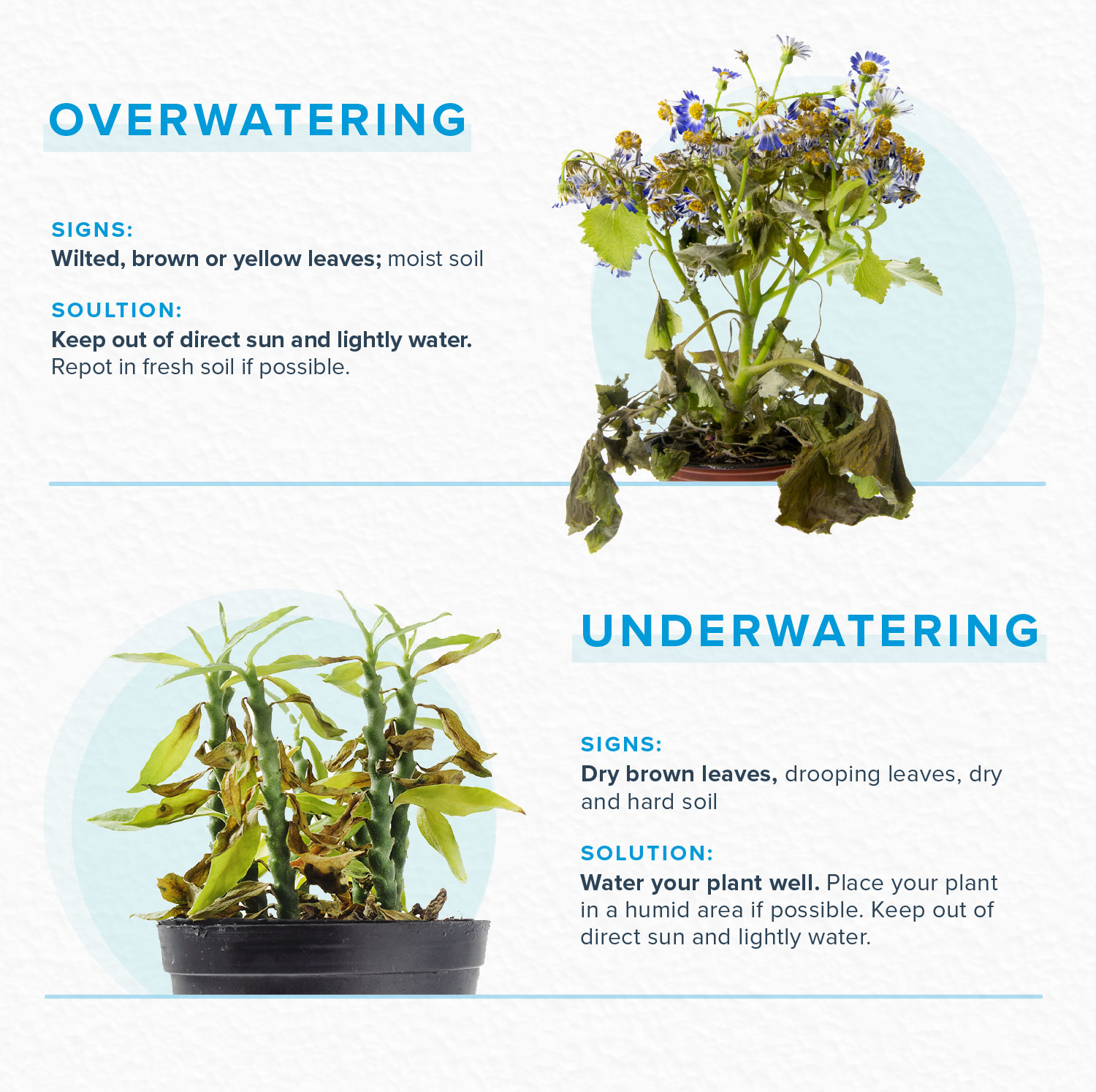
To revive a dying plant, it’s crucial to first identify the underlying issues causing its poor health. Common problems include lack of water, overwatering, insufficient light, pests, or nutrient deficiencies. Here are some steps to effectively rejuvenate your plant:
1. Assess Watering Needs: Check the soil moisture. If the soil is too dry, water the plant until it drains from the bottom of the pot. Conversely, if the soil is soggy, hold off on watering and allow it to dry out completely.
2. Improve Light Conditions: Ensure the plant is getting the appropriate amount of light for its species. If it’s not thriving, consider moving it to a brighter location or adjusting its exposure to direct sunlight.
3. Inspect for Pests: Look closely for any signs of pests such as aphids, spider mites, or mealybugs. If present, treat the plant with a mild insecticide or natural solutions like neem oil.
4. Fertilize as Needed: If the plant has not been fertilized in a while, use a balanced fertilizer to provide essential nutrients. However, be cautious not to over-fertilize, which can further harm the plant.
5. Prune Dead or Dying Leaves: Remove any dead or yellowing leaves to allow the plant to focus its energy on healthier foliage. This also improves airflow and reduces the risk of disease.
See also:
Assessing Watering Needs
To effectively revive a dying plant, the first step is to assess its watering needs. Overwatering and underwatering are common issues for houseplants. Start by checking the top inch of soil; if it feels dry, water the plant thoroughly. If the soil is consistently wet, it may be time to repot with fresh, well-draining soil. Use a moisture meter for precise readings if needed.
- Check soil moisture by sticking your finger an inch deep into the soil.
- For underwatering, give the plant a deep watering.
- If overwatered, allow the plant to dry out before resuming watering.
Improving Light Conditions
Light conditions play a critical role in a plant's health. Different plants require varying amounts of light, from low to bright indirect sunlight. Inspect your plant’s current location—if it’s too dark or receives intense direct sunlight, it could be affecting its growth. Move the plant to an area that aligns with its light requirements to promote recovery.
- Determine the light needs of your specific plant species.
- Adjust its location to a brighter or more suitable spot.
- Consider using grow lights for indoor plants not getting enough natural light.
Inspecting for Pests
Pests can be a major factor in a plant's decline. Regularly inspecting your plant helps catch any infestations early. Look for visible insects or webs and treat them promptly to prevent further damage. Keep your plant clean by wiping leaves with a damp cloth to remove dust and potential eggs or larvae.
- Examine leaves and stems for visible pests.
- Use insecticidal soap or neem oil for treatment.
- Isolate infested plants to protect others.
Fertilizing as Needed
If your plant appears pale or stunted, it may benefit from fertilization. Ensure you choose the right type of fertilizer for your plant’s needs. Organic options like compost or slow-release granules can be effective. Apply during the growing season, ensuring to follow the recommended dosage to avoid over-fertilization.
- Verify the plant's specific nutrient needs.
- Use a balanced or species-specific fertilizer.
- Apply fertilizer during the active growing season to promote recovery.
Pruning Dead or Dying Leaves
Pruning is crucial to revitalizing a plant by removing parts that are beyond recovery. Dead or severely wilted leaves can steal energy from the healthier sections of the plant. Use sharp, clean scissors to cut away these unhealthy parts, promoting better air circulation and encouraging the growth of new leaves.
- Identify and remove dead or discolored leaves.
- Make clean cuts to prevent injury to the rest of the plant.
- Regularly check for new growth as a sign of recovery.
Why is my plant dying but the soil is moist?

Your plant may be dying despite the soil being moist for several reasons. Overwatering, improper drainage, root rot, and issues related to temperature and humidity can significantly impact the health of your plant. Here are some common issues and potential solutions that may explain this phenomenon.
Overwatering
Overwatering is one of the most frequent reasons for plant distress, even when the soil feels moist. It leads to root suffocation and deprives roots of necessary oxygen. Symptoms may include yellowing leaves, wilting, and drooping.
- Monitor the watering schedule: Ensure you are watering your plant only when necessary.
- Check for excess water: Look for pooled water at the bottom of the pot.
- Adjust the watering practices for seasonal changes: Reduce watering in winter or during dormancy.
Improper Drainage
If the pot doesn't have adequate drainage holes, water can accumulate at the bottom, creating a waterlogged environment. This can lead to root rot and ultimately cause the plant to die.
- Inspect your plant pot for drainage holes: Ensure there are enough holes for water to escape.
- Use a drainage layer: Add gravel or clay pellets at the bottom of the pot.
- Consider repotting into a container that provides better drainage.
Root Rot
Root rot occurs when roots are consistently exposed to wet conditions, making them susceptible to fungal infections. This can drastically hinder the plant’s ability to absorb water and nutrients.
- Look for brown or black roots: Healthy roots should be white or light tan.
- Remove the affected roots and repot the plant in fresh soil.
- Apply a fungicide if necessary, to prevent further infection.
Temperature and Humidity Issues
Plants are sensitive to their environment, and the wrong temperature or humidity levels can lead to stress. Even if the soil is moist, high humidity or low temperatures can negatively affect plant health.
- Avoid drafts and extreme temperatures near your plant.
- Monitor the humidity levels: Use a hygrometer to check if humidity is suitable for your plant type.
- Adjust your environment: Consider using a humidifier or placing a pebble tray underneath the pot to stabilize humidity.
Pest Infestation
Pests can cause significant damage to plants, and some may thrive in moist soil. These pests may suck the plant's sap or introduce disease, ultimately leading to decline.
- Inspect the leaves and stems for signs of pests such as webs or spots.
- Utilize natural or chemical pest control methods depending on the severity of the infestation.
- Regularly check and clean your plants to prevent future infestations.
Questions from Our Readers
Why is my plant dying even though I'm watering it?
Your plant may be dying despite regular watering due to several factors, including overwatering, inadequate lighting, or poor soil drainage. It's essential to assess the environment and ensure your plant is receiving the right conditions to thrive.
Could overwatering be the reason my plant is dying?
Yes, overwatering is a common issue that can lead to root rot and other problems. When the soil is too wet, it can suffocate the roots and promote the growth of harmful fungi, ultimately harming your plant.
See also:
What role does soil type play in plant health?
The type of soil is crucial for plant health; well-draining soil allows excess water to flow away, while heavy or compact soil can retain too much moisture. If the soil is not suited for your plant, it might lead to drowning the roots, causing the plant to decline.
How does light affect my plant's health?
Lighting is vital for photosynthesis; without adequate light, your plant may struggle to produce energy, leading to weakness and eventual death. Ensure your plant is receiving the right type and amount of light for its species.
If you want to read more articles like Why is my plant dying even though I'm watering it? Common Causes and Solutions, we recommend you check out our Pots category.
Leave a Reply
Related Articles