Why Can't You Use Potting Soil in the Garden? Discover the Key Reasons!
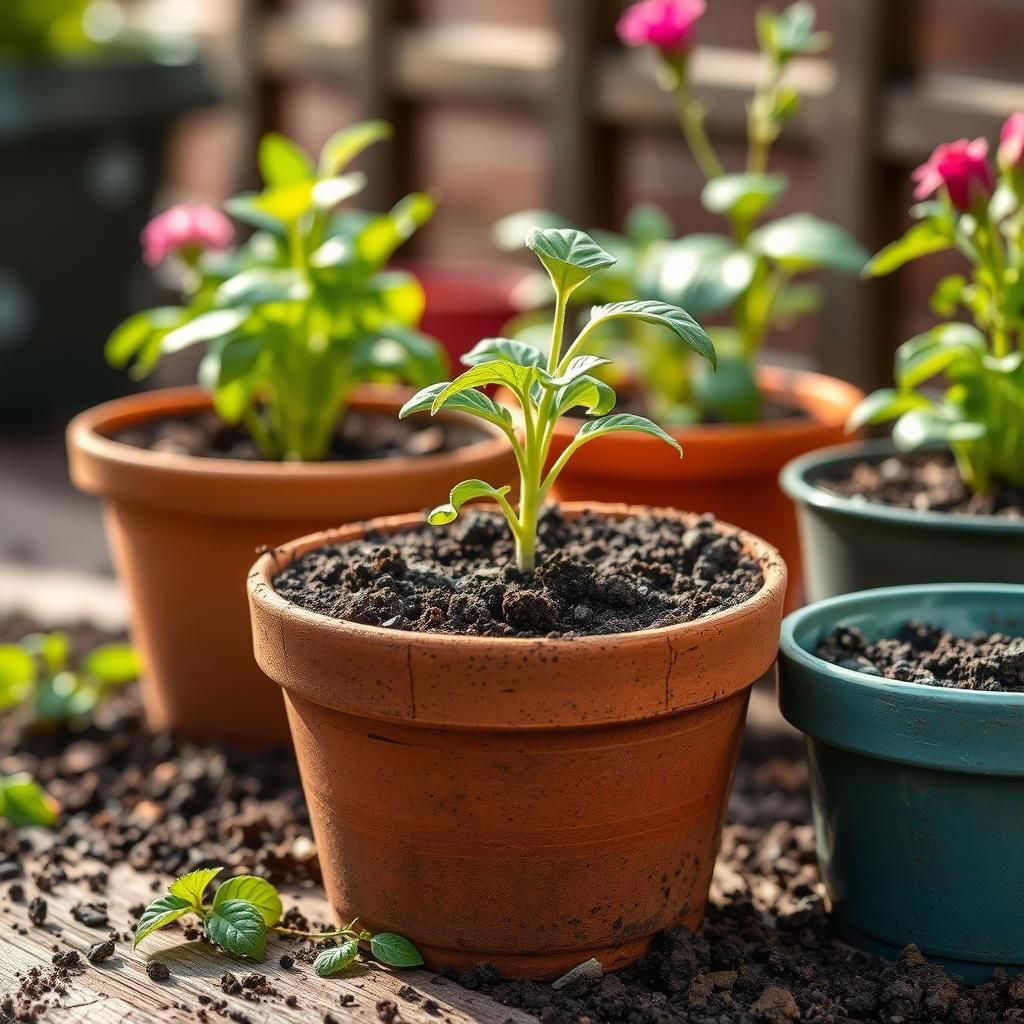
When it comes to gardening, choosing the right soil is crucial for the health and growth of your plants. Many novice gardeners may wonder why potting soil, often used in containers, can't be used in traditional garden beds. While potting soil offers benefits like excellent drainage and a lightweight texture, it lacks essential elements needed for outdoor gardening. In this article, we will explore the key reasons why potting soil is not suitable for use in your garden. Understanding these differences will help you make informed choices for your gardening projects and ensure your plants thrive in their natural environment.
Why Can't You Use Potting Soil in the Garden?
Using potting soil in the garden is generally discouraged because it is specifically formulated for use in containers, not for in-ground planting. Potting soil typically contains a mixture of peat moss, compost, and perlite or vermiculite, which aids in drainage and aeration in pots, but may lack essential nutrients and microorganisms that are present in native garden soil. Furthermore, potting mixes can often be too light, making it difficult for plants to anchor their roots properly, and they may also retain too much moisture, leading to issues such as root rot. In contrast, garden soil is better suited to provide the necessary structure, nutrients, and ecosystem that plants need to thrive in an outdoor environment.
Differences in Composition
The primary difference between potting soil and garden soil lies in their composition. Potting soil is crafted for optimal performance in pots, often including ingredients like coconut coir or pine bark, which improve moisture retention and aeration. Conversely, garden soil consists of a complex mix of sand, silt, clay, and organic matter, providing a stable environment that supports plant growth. These differences mean that while potting soil excels at retaining moisture in small containers, it may not provide the appropriate conditions needed for larger, outdoor plants.
Lack of Nutrients
One major issue with using potting soil in the garden is the lack of nutrients. Potting mixes are often designed to contain primarily organic materials to support plant growth in a contained system, but these materials can deplete quickly in a garden setting. Without the presence of native soil's diverse nutrient profile, plants may struggle to get the necessary elements like nitrogen, phosphorus, and potassium, leading to stunted growth or poor health.
Water Retention Problems
Another concern with potting soil is its tendency to retain too much moisture. In container settings, potting soil is formulated to manage moisture levels effectively, but in a garden, this can lead to oversaturation. Such conditions may encourage the development of fungal diseases or root rot, especially in plant species that prefer drier soil conditions. An appropriate garden soil mix strikes a better balance between drainage and moisture retention.
Potential Pests and Diseases
Using potting soil may inadvertently introduce pests and diseases into the garden. Because potting mixes often originate from commercial sources, there’s a risk of introducing harmful organisms that could attack garden plants. Native garden soil typically contains beneficial microorganisms that help repel pests while encouraging healthy growth, so forgoing this natural ecosystem can leave plants vulnerable.
Root Anchorage Issues
Finally, potting soil can create problems with root anchorage. Its lightweight and loose texture may not provide the necessary support for plants rooted in garden soil, leading to instability during heavy winds or rain. In contrast, garden soil allows for secure root development, offering stability that is essential for larger plants, shrubs, or trees that need strong anchorage to thrive.
| Aspect | Potting Soil | Garden Soil |
|---|---|---|
| Composition | Light materials like peat and perlite | Mix of sand, silt, clay, and organic matter |
| Nutrient Content | Often lacks essential nutrients | Rich in nutrients |
| Moisture Retention | Can retain too much moisture | Balanced moisture levels |
| Pest and Disease Risk | Potential introduction of pests | Supports beneficial microorganisms |
| Root Stability | Poor root anchorage | Strong root anchorage |
What happens if I use potting soil in my garden?

Using potting soil in your garden can have a variety of effects, both positive and negative. Potting soil, often formulated for container plants, can differ significantly from native garden soil in terms of composition and properties.
Differences Between Potting Soil and Garden Soil
Potting soil is typically designed for container gardening and contains organic materials such as peat moss, compost, and perlite. In contrast, garden soil often includes a mix of sand, silt, clay, and organic matter directly from the earth. Here are some differences:
- Texture: Potting soil is usually lighter and fluffier, making it easier for roots to penetrate.
- Nutrient Content: Potting mixes are often enriched with fertilizers, while garden soil's nutrient level can vary widely depending on its source.
- pH Levels: Potting soil is typically formulated for a neutral pH, while garden soil can be more acidic or alkaline depending on location.
Impact on Soil Drainage
Utilizing potting soil in your garden can significantly affect drainage. Most potting soils are designed to provide excellent drainage and aeration, which can be beneficial in heavy clay soils. However, this might lead to issues in sandy soils. Consider the following:
- Improved drainage: Potting soil can enhance drainage in overly compacted soils.
- Water retention: Some potting soils may retain too much moisture in areas prone to flooding.
- Root development: Good drainage facilitates healthy root growth, reducing the risk of root rot.
Impact on Fertility
Potting soil often has added nutrients to support plant growth. When used in a garden, this can lead to varying fertility levels. Here are some key points:
- Initial nutrient boost: Potting soils provide immediate nutrients, which can benefit newly planted crops.
- Nutrient depletion: Over time, the nutrients may deplete quicker than traditional garden soil.
- Need for supplementation: Garden plants may require additional fertilizers to maintain nutrient levels over time.
Compatibility with Native Plants
Different plants have unique requirements, and using potting soil can affect their growth. Consider the following compatibility issues:
See also:
- Native species adaptation: Some native plants may struggle with the artificial composition of potting soils.
- Soil microbes: Potting soil can lack beneficial microbes found in native garden soil, affecting plant health.
- Long-term establishment: Native plants may prefer to be planted in their natural soil environment for better adaptation.
Cost and Availability
Buying potting soil can sometimes be more expensive compared to using garden soil, especially if you have a large garden. Key considerations include:
- Price: Potting soil can be costlier due to the quality of ingredients compared to locally sourced garden soil.
- Availability: Potting soil may not be readily available in bulk quantities, making it less convenient for large gardens.
- Long-term costs: Ongoing reliance on potting soil can increase costs over time if it's used extensively.
Is there really a difference between potting soil and garden soil?
:max_bytes(150000):strip_icc()/topsoil-vs-garden-soil-7501844-7d8db8d8a1aa4d85b91458b3e2597073.png)
Yes, there is a significant difference between potting soil and garden soil. Understanding these distinctions is crucial for gardeners and plant enthusiasts, as the choice between the two can greatly influence plant growth and health.
Potting soil (also known as potting mix) is specifically formulated for container gardening and provides an ideal environment for potted plants. It is typically lighter and contains a blend of organic matter, such as sphagnum moss, bark, and perlite or vermiculite, which enhances aeration and drainage. On the other hand, garden soil is designed for use in outdoor beds and is usually heavier and denser, containing more clay and silt, making it better suited for open ground cultivation.
What is Potting Soil?
Potting soil is a specialized growing medium designed for use in containers and pots. Its composition includes ingredients that help retain moisture while offering excellent drainage and aeration, crucial for potted plants. The following points outline its main characteristics:
- Lightweight: Potting soil is usually less dense, making it easier for plants to establish their roots.
- Aeration: Ingredients like perlite provide necessary air spaces for roots, promoting healthy growth.
- Nutrient-rich: Often pre-fertilized, potting mixes can supply essential nutrients to the plants.
What is Garden Soil?
Garden soil refers to soil found in outdoor gardens or fields. It is generally a combination of clay, sand, and silt, often enriched with organic matter like compost. The primary attributes of garden soil include:
- Density: Garden soil is denser than potting soil, which can help with moisture retention.
- Microorganisms: It is rich in beneficial microorganisms that help with soil fertility and plant health.
- Natural Composition: The soil contains minerals and organic matter that develop naturally over time.
Key Differences in Composition
The composition of potting soil and garden soil varies significantly. Understanding these components can help gardeners choose the right medium for their plants. Key differences include:
- Ingredients: Potting soil often contains lightweight components such as peat moss and perlite, while garden soil consists primarily of natural minerals and organic matter.
- pH Levels: Potting soils are typically pH-adjusted to accommodate various indoor plants, whereas garden soils can be more variable based on location.
- Drainage Qualities: Potting soil is engineered for excellent drainage, making it ideal for containers, whereas garden soil can become compacted.
Best Uses for Potting Soil vs. Garden Soil
Each type of soil is ideal for different gardening scenarios. Here are their best uses:
- Potting Soil: Best for indoor plants, window boxes, and potted herbs due to its lightweight and aerating features.
- Garden Soil: Ideal for planting flowers, shrubs, and vegetables directly in the ground where natural soil structure can support growth.
- Potting Mixes with Additives: Some potting soils come with added ingredients like fertilizers, making them suitable for specific plant types.
How to Choose the Right Soil for Your Plants
Selecting the appropriate soil for your gardening needs can significantly affect plant growth. Consider the following factors:
- Plant Type: Different plants have varied requirements, so identify whether your plants prefer container or ground conditions.
- Location: Assess whether you are planting indoors or outdoors, as this will influence your choice.
- Watering Needs: Consider how much moisture your plants require and choose based on drainage capacity.
Is regular potting soil ok for vegetables?
Using Regular Potting Soil for Vegetables
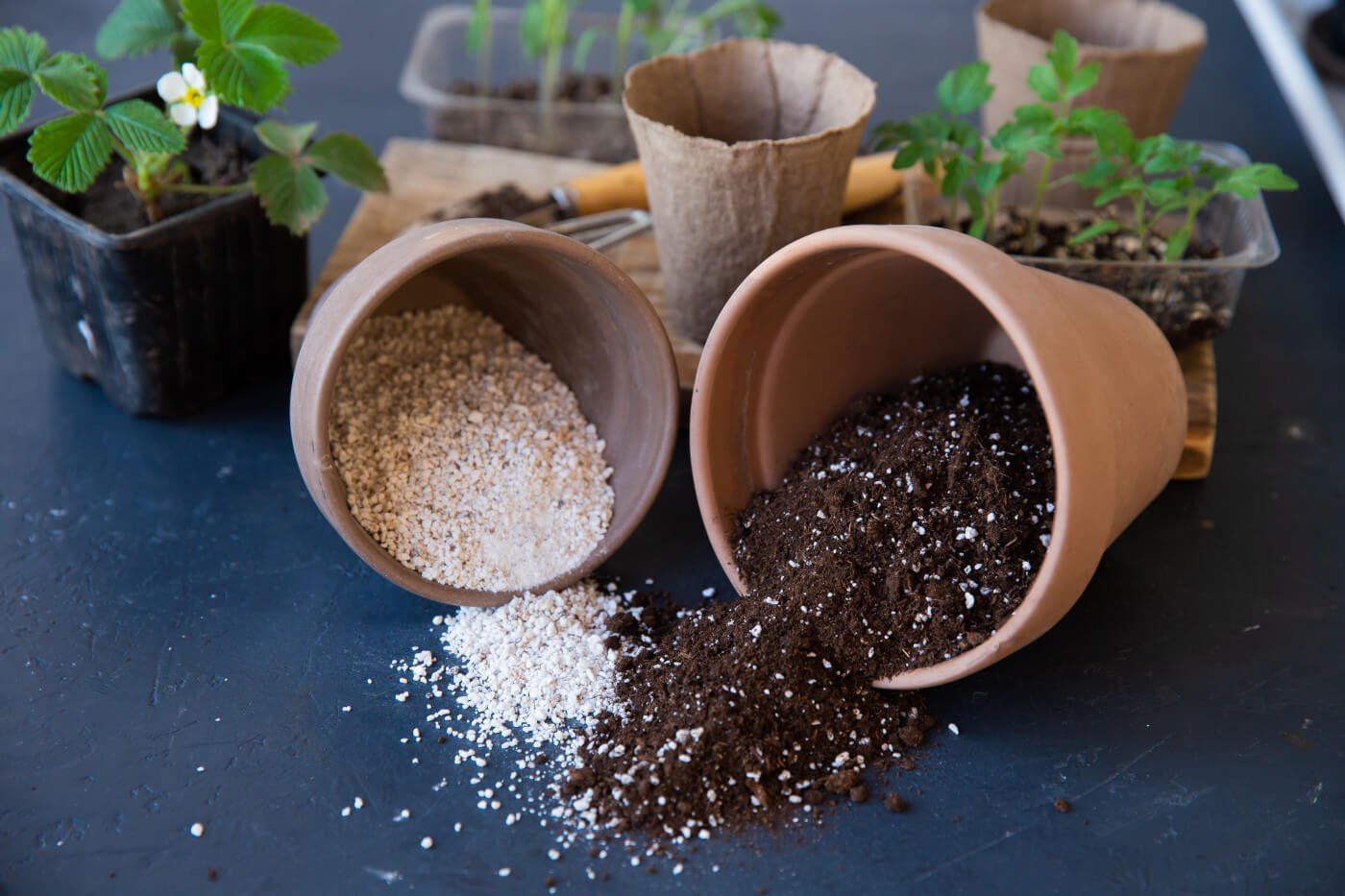
Regular potting soil can be used for vegetables, but it may not always be the best choice. Standard potting soil is designed primarily for container gardening and typically contains a mix of organic materials, such as peat moss, vermiculite, or perlite. While it provides good drainage and aeration, it may lack essential nutrients for growing edible plants.
- Drainage: Potting soil generally provides sufficient drainage, which is crucial for vegetable growth.
- Nutrient Content: It may lack the specific nutrients that vegetables need for optimal growth.
- pH Levels: Regular potting soil may not have a balanced pH, which can affect the nutrient uptake of vegetables.
Benefits of Using Potting Soil for Vegetables
Using potting soil can offer several benefits, especially in container gardening settings. The lightweight and soil-less nature of many potting mixes allows for easy transport and handling, making them convenient for small urban gardens or patios.
- Lightweight: Easier to handle and move around.
- Good drainage: Reduces the risk of root rot.
- Encourages root development: The loose texture helps roots grow freely.
Limitations of Regular Potting Soil for Vegetables
Despite the benefits, there are limitations to using regular potting soil for vegetables. Its formulation might not meet the specific needs of all vegetable plants, especially in terms of nutrient availability and water retention.
See also:
- Nutrient deficiency: May require additional fertilizers.
- Water retention issues: Some mixes may dry out quickly.
- Not ideal for all vegetables: Certain vegetable varieties thrive better in garden soil.
Enhancing Regular Potting Soil for Vegetable Growth
If you choose to use regular potting soil for your vegetable garden, consider enhancing it with additional components. This will help improve its overall performance and provide a more suitable environment for vegetable growth.
- Add compost: Boosts nutrient levels and improves soil structure.
- Incorporate worm castings: Supplies beneficial microorganisms and nutrients.
- Use organic fertilizers: Provides a steady release of nutrients over time.
Comparison: Potting Soil vs. Garden Soil for Vegetables
When deciding between potting soil and garden soil, understanding the differences can help you make a more informed choice. While potting soil is specifically designed for containers, garden soil is more suited for in-ground planting and may provide better nutrient content for vegetable growth.
- Texture: Garden soil is denser, while potting soil is more lightweight.
- Nutrient availability: Garden soil typically contains more nutrients than regular potting soil.
- Microbial life: Garden soil has a diverse range of microorganisms beneficial for plant health.
Is potting mix ok for garden beds?
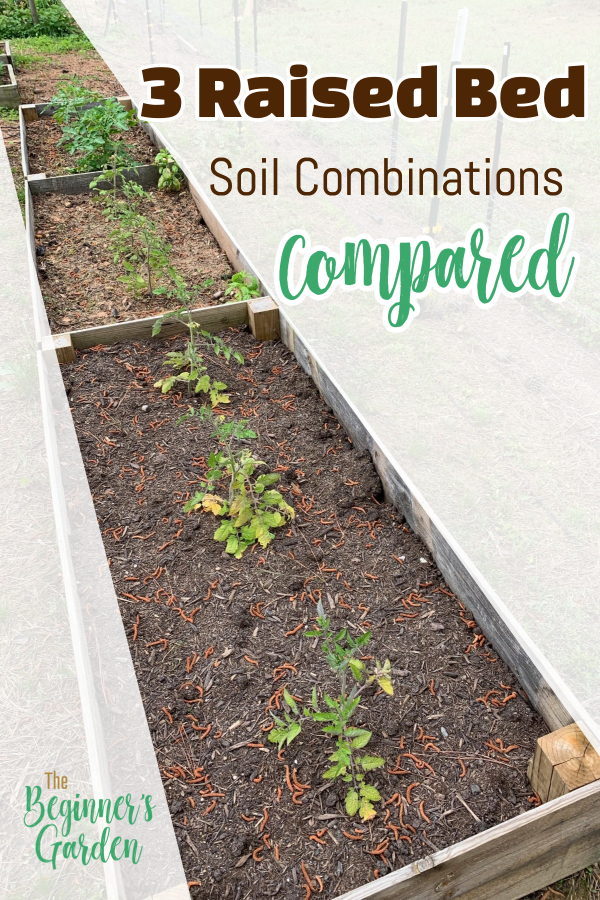
Potting mix can be a suitable option for garden beds, but there are important considerations to keep in mind. Primarily, potting mixes are designed for container gardening and may not provide the same benefits as traditional garden soil. Below are key points to consider when evaluating the use of potting mix in garden beds.
What is Potting Mix?
Potting mix is specifically formulated for potted plants. It typically contains a blend of organic materials, such as peat moss, composted bark, and perlite or vermiculite. These ingredients offer excellent drainage and aeration, which are critical for plant roots in containers. Unlike garden soil, potting mix lacks many of the nutrients and microorganisms found in the ground.
- Composition: It generally includes lightweight ingredients for optimal drainage.
- pH Level: The acidity can be adjusted for specific plants.
- Sterilization: Potting mixes are often sterilized to prevent weed seeds and pathogens.
Benefits of Using Potting Mix in Garden Beds
There are several benefits to using potting mix in garden beds, especially for certain types of planting. Its composition allows for better moisture retention and drainage, which can lead to healthier root systems and overall plant growth.
- Improved Drainage: Helps prevent waterlogging, which can be detrimental to many plants.
- Lightweight Composition: Makes it easier to amend when planting.
- Less Compaction: Supports root development without compacting the soil.
Limitations of Potting Mix in Garden Beds
While potting mix has its advantages, there are significant limitations when using it directly in garden beds. Because it lacks key nutrients found in traditional soil, relying solely on potting mix may not suffice for long-term garden health.
- Nutrient Deficiency: May require additional fertilization to provide essential nutrients.
- Short Longevity: Typically breaks down faster than garden soil, leading to the need for replenishment.
- Potential for Over-Drainage: Some plants that prefer moist conditions may suffer.
Best Practices for Mixing Potting Mix with Garden Soil
To optimize the use of potting mix in a garden bed, consider mixing it with natural garden soil. This combination can create a balanced medium that takes advantage of the strengths of both.
- Ratio: Use a blend of 50% potting mix and 50% garden soil for optimal results.
- Amendments: Add organic matter such as compost to improve nutrient availability.
- Test Soil: Perform a soil test to understand existing nutrient levels.
Which Plants Thrive in Potting Mix?
Certain plants may perform exceptionally well in beds amended with potting mix due to their specific growth requirements. Understanding the type of plants can help you make suitable choices for your garden setup.
- Container Plants: Ideal for flowering annuals and perennials.
- Vegetables: Quick-growing vegetables like lettuce and radishes.
- Herbs: Many herbs thrive in the drainage and aeration offered by potting mix.
Questions from Our Readers
Why can't you use potting soil in the garden?
Using potting soil in the garden can lead to poor nutrient availability and water retention issues. Potting soil is designed for container plants and may not have the same balance as garden soil, potentially causing nutrient deficiencies and impacting plant growth negatively.
What are the main differences between potting soil and garden soil?
The main differences include texture, composition, and drainage capabilities. Potting soil typically contains organic matter, perlite, and peat, while garden soil is usually a mix of topsoil, sand, and clay, which is better suited for in-ground planting.
Can using potting soil harm garden plants?
Yes, using potting soil can harm garden plants due to its high moisture retention and lack of essential nutrients. This can create an unsuitable environment for root growth and lead to overwatering issues, resulting in root rot and other plant diseases.
What should I use instead of potting soil for my garden?
Instead of potting soil, it's best to use garden soil or a mixture of compost and soil amendments tailored to the specific needs of your plants. This combination will provide the right nutrient balance and drainage for healthier growth in your garden.
See also:

If you want to read more articles like Why Can't You Use Potting Soil in the Garden? Discover the Key Reasons!, we recommend you check out our Soil category.
Leave a Reply
Related Articles