Why Are the Leaves on My Citrus Tree Turning Yellow? Common Causes and Solutions

The vibrant foliage of citrus trees is often a sign of health and vitality, but when the leaves start turning yellow, it can be a cause for concern among gardeners. Yellowing leaves may indicate various underlying issues, ranging from environmental stress to nutrient deficiencies. Understanding the common causes of this phenomenon is crucial for maintaining a thriving citrus tree. In this article, we will explore the typical reasons behind yellowing leaves, provide insights on how to diagnose the problem, and offer effective solutions to restore your tree’s health and ensure its continued growth and productivity.
Why Are the Leaves on My Citrus Tree Turning Yellow?
The yellowing of leaves on a citrus tree can be attributed to several factors, ranging from nutrient deficiencies to environmental stresses. One of the most common reasons is a lack of nitrogen, which is essential for healthy leaf growth. Additionally, overwatering or poor drainage can lead to root rot, causing the leaves to discolor. Other issues may include pests, diseases, or improper lighting conditions. It's crucial to assess the overall health of the tree, as well as its growing conditions, to accurately diagnose the cause of the yellowing leaves.
Nutrient Deficiencies
A common reason for the yellowing of citrus leaves is a nutrient deficiency, particularly in nitrogen. Citrus trees require a balanced supply of essential nutrients, including nitrogen, phosphorus, and potassium. When they lack nitrogen, older leaves tend to turn yellow first, while new growth may still appear green. To address this problem, applying a balanced fertilizer specifically formulated for citrus can help restore nutrient levels and promote healthy leaf color.
Watering Issues
Improper watering is another critical factor in leaf yellowing. Overwatering can lead to root rot, while underwatering can stress the tree, causing leaves to yellow and drop. It's important to ensure that the soil remains consistently moist but not waterlogged. Checking the drainage of the pot or planting site and adjusting the watering schedule as necessary can help maintain proper moisture levels and prevent yellowing leaves.
Pests and Diseases
Pest infestations and diseases can also cause yellowing in citrus leaves. Common pests, such as aphids, spider mites, and scale insects, feed on the sap, leading to insufficient nutrients and causing leaf discoloration. Diseases like citrus greening disease or fungal infections may further contribute to leaf yellowing. Regularly inspecting the tree for signs of pests or disease and taking appropriate action, such as insecticidal soap or fungicides, can be effective in preventing and addressing these issues.
Environmental Stress
Environmental stress factors, including inadequate sunlight, temperature fluctuations, and humidity levels, can also induce yellowing in citrus leaves. Citrus trees thrive in full sunlight, and prolonged periods of shade can cause leaves to yellow as the tree struggles to photosynthesize adequately. Similarly, exposure to cold drafts or extreme temperatures can stress the tree, resulting in yellowing leaves. Providing optimal growing conditions can help minimize environmental stress and maintain healthy foliage.
Soil pH and Quality
The pH level and quality of the soil are crucial in determining a citrus tree's overall health. If the soil is too acidic or alkaline, it can hinder the tree's ability to absorb necessary nutrients, leading to yellow leaves. Ideally, citrus trees prefer slightly acidic soils with a pH range of 5.5 to 6.5. Conducting a soil test can help identify any pH issues, allowing for proper amendments to improve soil quality and ensure that the tree can effectively access the nutrients it needs for vibrant green leaves.
| Cause | Impact | Treatment |
|---|---|---|
| Nutrient Deficiency | Leaves turn yellow due to lack of essential nutrients. | Apply balanced citrus fertilizer. |
| Watering Issues | Over or under watering leads to yellowing. | Adjust watering habits and improve drainage. |
| Pests and Diseases | Infestations cause nutrient deficiencies and stress. | Use insecticidal soap or fungicides as needed. |
| Environmental Stress | Inadequate light or temperature changes affect growth. | Provide optimal sunlight and stable temperatures. |
| Soil pH and Quality | Improper pH restricts nutrient absorption. | Conduct a soil test and amend soil accordingly. |
How do I fix yellow leaves on my tree?
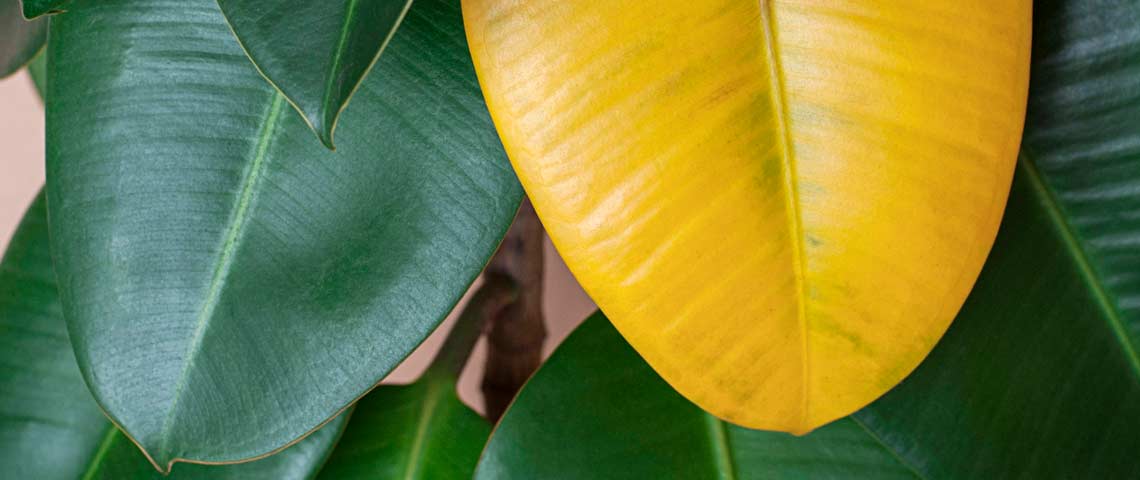
To address the issue of yellow leaves on your tree, it's important to first identify the underlying causes. Yellow leaves can be indicative of various issues, including nutrient deficiencies, water-related problems, or pest infestations. Here are steps you can take to remedy the situation:
Identify Nutrient Deficiencies
Determining whether your tree is suffering from nutrient deficiencies is crucial. Trees require essential nutrients such as nitrogen, iron, and magnesium for healthy foliage. Yellow leaves may signal a lack of these nutrients.
- Test the soil to check nutrient levels.
- Apply appropriate fertilizers based on test results.
- Consider using organic amendments like compost to enhance soil fertility.
Check Watering Practices
Inconsistent watering can cause yellowing leaves, whether due to overwatering or underwatering. Proper hydration is essential for tree health.
See also:
- Examine the soil moisture: it should be moist but not soggy.
- Water your tree deeply and less frequently to encourage root development.
- Look for drainage issues that may lead to excessive moisture retention.
Assess Sunlight Exposure
Insufficient sunlight can also lead to yellow leaves. Trees require adequate light to perform photosynthesis effectively.
- Evaluate the tree's location and its access to direct sunlight.
- Consider trimming surrounding vegetation that may be casting shade.
- If possible, relocate young trees or plan new plantings where they receive ample light.
Inspect for Pest Infestations
Pests can hinder a tree's health by feeding on leaves or roots, leading to yellowing foliage. Identifying and controlling pests is essential for recovery.
- Regularly inspect leaves for signs of pests like aphids, spider mites, or scale.
- Use appropriate pesticides or natural remedies to manage infestations.
- Encourage beneficial insects that can naturally keep pest populations in check.
Evaluate Soil pH
Soil pH plays a significant role in nutrient availability. If the pH is too high or too low, it can lead to nutrient lockout, resulting in yellow leaves.
- Conduct a soil pH test to determine acidity or alkalinity levels.
- If necessary, amend the soil with lime (to raise pH) or sulfur (to lower pH).
- Regularly check pH levels to ensure they remain optimal for tree growth.
What do overwatered citrus leaves look like?
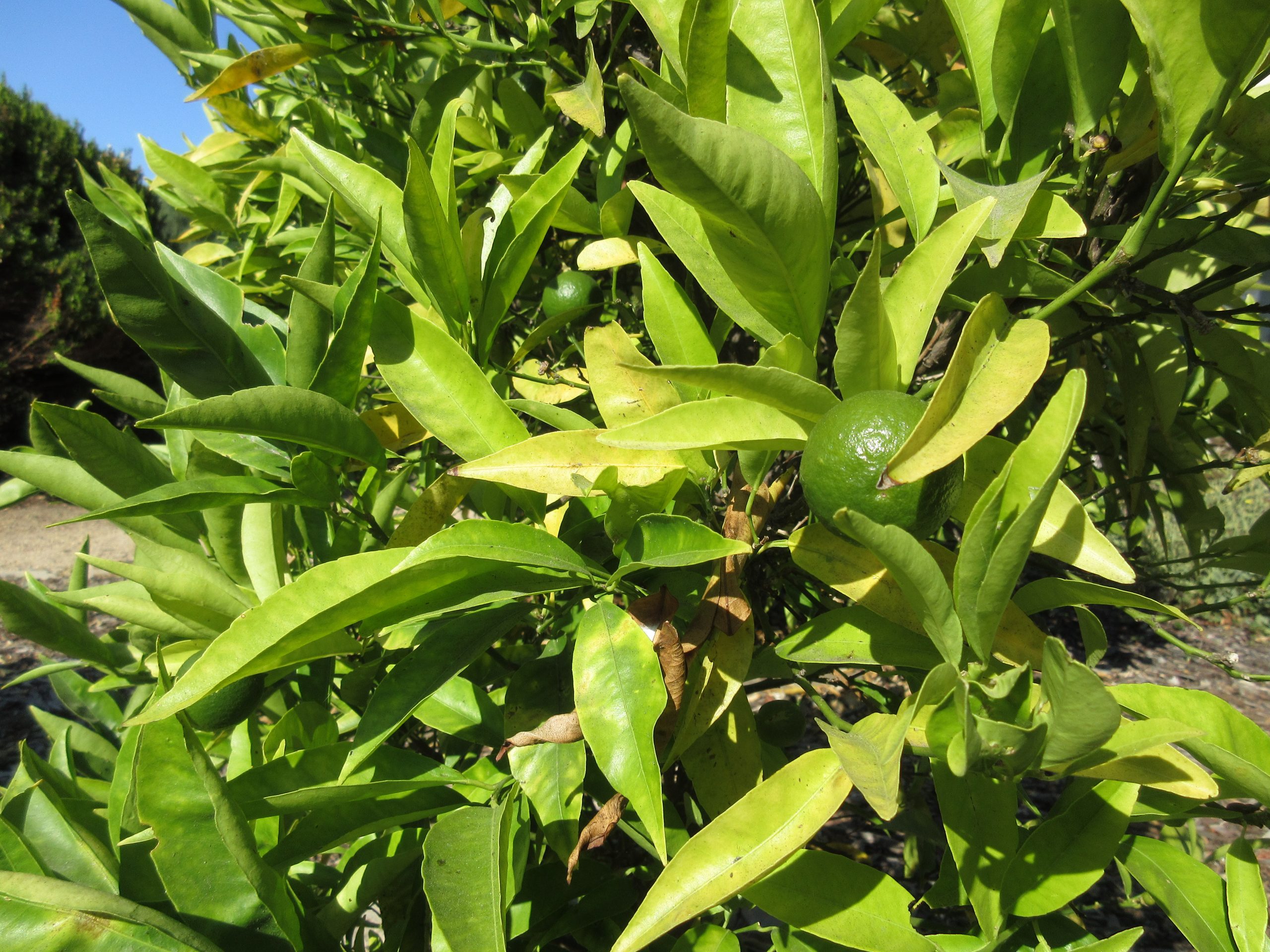
Overwatering citrus plants can lead to various symptoms that manifest in their leaves. When the leaves of citrus trees are overwatered, they tend to exhibit certain characteristics that indicate the plant is not healthy.
Signs of Overwatered Citrus Leaves
One of the most evident signs that your citrus tree is overwatered is the appearance of its leaves. They will often showcase several notable indications.
- Yellowing of Leaves: The leaves may turn yellow, starting from the edges and moving inward.
- Wilting: Despite the presence of moisture, overwatered leaves can appear wilted and droopy.
- Brown Tips: The edges of leaves may start to brown, which is a classic sign of stress caused by too much water.
Texture Changes in Overwatered Leaves
In addition to color changes, the texture of overwatered citrus leaves can also change significantly.
- Softness: Overwatered leaves tend to feel softer than healthy leaves and can be easily damaged.
- Wilting: Leaves may appear limp instead of firm, which affects their overall structure.
- Decaying: Prolonged overwatering can cause leaves to start decaying, leading to a mushy texture.
Root Health and Its Impact
The health of the roots is directly impacted by overwatering and can further influence the condition of the leaves.
- Root Rot: Overwatering can lead to root rot, which prevents the roots from taking in nutrients and water.
- Reduced Oxygen Supply: Excess water can suffocate roots by blocking oxygen, impacting leaf health.
- Fungal Infections: Overwatered conditions create a favorable environment for fungi that can harm both roots and leaves.
How to Identify Overwatering in Citrus Trees
To determine if your citrus tree is being overwatered, several visual and experiential assessments can be made.
- Soil Moisture Level: Check if the soil is consistently soggy or wet to the touch.
- Leaf Appearance: Look for signs like yellowing, wilting, or browning at the leaf edges.
- Watering Schedule: Evaluate how often you are watering compared to the needs of the plant.
Prevention of Overwatering in Citrus Plants
Preventing overwatering is crucial for maintaining healthy citrus leaves. Implementing effective strategies can greatly reduce risks.
- Proper Drainage: Ensure that the pot has adequate drainage holes to allow excess water to escape.
- Soil Type: Use well-draining soil mix that helps to keep moisture at optimal levels.
- Watering Schedule: Adjust your watering frequency based on the season and the moisture needs of the plant.
What do Epsom salts do for citrus trees?


Epsom salts, chemically known as magnesium sulfate, are often recommended for citrus trees due to their beneficial effects on growth, health, and fruit production. Here is a detailed overview of what Epsom salts can do for these trees:
Epsom salts can help enhance the magnesium levels in the soil, which is essential for various physiological processes in citrus trees. Magnesium plays a crucial role in chlorophyll production, contributing to the tree's overall health and its ability to perform photosynthesis efficiently. Additionally, increased magnesium availability can lead to improved fruit quality, flavor, and aroma in citrus crops.
Here are some detailed benefits of using Epsom salts for citrus trees:
Improvement of Nutrient Absorption
Epsom salts can enhance the absorption of essential nutrients in citrus trees, particularly nitrogen and phosphorus. The presence of magnesium in Epsom salts acts as a catalyst for various plant metabolic activities.
- Enhanced Photosynthesis: Magnesium is a vital component of chlorophyll, which aids in photosynthesis.
- Improved Nutrient Transport: Higher magnesium levels facilitate the movement of nutrients within the tree.
- Greater Fertilizer Efficacy: Epsom salts support nutrient uptake, helping trees utilize fertilizers more effectively.
Enhanced Fruit Production
Applying Epsom salts can lead to increased fruit yield and quality. The magnesium helps improve flower and fruit set, resulting in a more abundant harvest.
- Increased Flowering: Magnesium promotes stronger flowering, which is critical for fruit formation.
- Improved Fruit Quality: Epsom salts can enhance the size, flavor, and juiciness of citrus fruits.
- Greater Resistance to Disease: Healthy trees produce fewer insect pests and diseases, thus increasing crop yields.
Correction of Magnesium Deficiency
Citrus trees may exhibit signs of magnesium deficiency, such as yellowing leaves or poor growth. Epsom salts offer a remedy for this common issue.
- Identifying Deficiency: Symptoms often include interveinal chlorosis, particularly in older leaves.
- Application Rate: A common recommendation is about 1-2 tablespoons of Epsom salts per gallon of water applied to the base of the tree.
- Regular Monitoring: Regular use can maintain magnesium levels and promote tree vitality.
Support for Soil Quality
Epsom salts can help improve overall soil quality, which benefits citrus trees. Healthy soil can retain moisture better and provide a balanced nutrient profile.
- Improved Soil Structure: Magnesium helps flocculate clay soils, leading to better aeration and drainage.
- Enhanced Microbial Activity: Healthy soil encourages beneficial microorganisms that support plant health.
- Balanced pH Levels: Epsom salts can contribute to maintaining appropriate pH levels in acidic soils.
Reduction of Stress
Using Epsom salts can also help citrus trees recover from stress caused by environmental factors such as drought or temperature fluctuations.
- Improved Drought Resilience: Magnesium helps trees maintain turgor pressure during dry spells.
- Support During Transplanting: Adding Epsom salts can mitigate shock when moving trees.
- Overall Tree Health: Healthy trees are better equipped to withstand environmental stresors.
Questions from Our Readers
Why are the leaves on my citrus tree turning yellow?
The yellowing of leaves on your citrus tree can be attributed to several factors, including nutrient deficiencies, overwatering, or pests. It's crucial to examine the tree for signs of lack of nitrogen, iron, or magnesium, which are vital nutrients for healthy foliage.
Can overwatering cause yellow leaves on citrus trees?
Yes, overwatering is a common issue that leads to yellow leaves on citrus trees. When the soil is consistently wet, it can cause root rot, which hinders the tree's ability to absorb essential nutrients and water, resulting in yellowing leaves.
What pests should I look for if my citrus tree's leaves are yellowing?
If your citrus tree's leaves are turning yellow, you should check for pests such as aphids, spider mites, or whiteflies. These insects can damage the leaves and affect the overall health of the tree, leading to yellowing foliage.
See also:
How can I fix yellow leaves on my citrus tree?
To address yellow leaves on your citrus tree, start by checking the soil moisture levels and adjust your watering routine. Also, consider applying a balanced fertilizer to ensure the tree receives adequate nutrients and inspect for any pest infestations that may need treatment.
https://youtube.com/watch?v=UZm1jYmnFww
If you want to read more articles like Why Are the Leaves on My Citrus Tree Turning Yellow? Common Causes and Solutions, we recommend you check out our Gardeners category.
Leave a Reply
Related Articles