Who Owns the Biggest Seed Bank in the World? Unveiling the Global Guardians of Biodiversity
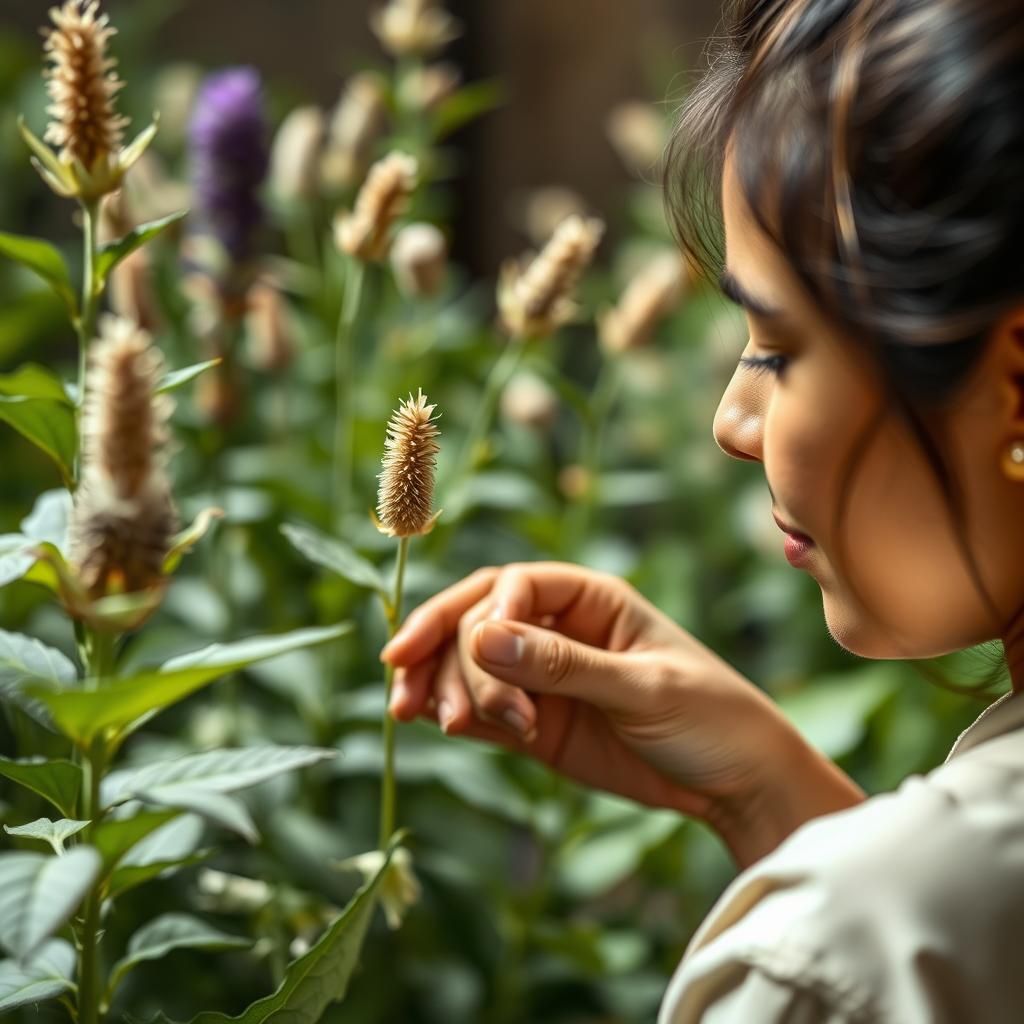
In a world increasingly threatened by climate change, habitat loss, and biodiversity decline, seed banks have emerged as crucial sanctuaries for preserving the genetic diversity of plants. These repositories serve as a safeguard against extinction and play a vital role in food security and agricultural resilience. But who holds the keys to the largest seed bank in the world? This article delves into the fascinating world of seed banks, exploring their history, purpose, and the organizations behind them. Join us as we unveil the global guardians of biodiversity and examine their impact on future food production and ecological sustainability.
Who Owns the Biggest Seed Bank in the World?
The largest seed bank in the world is the Svalbard Global Seed Vault, located on the Svalbard archipelago in Norway. Officially opened in 2008, this facility is managed by the Norwegian government in partnership with the Global Crop Diversity Trust and the Food and Agriculture Organization (FAO) of the United Nations. The vault's purpose is to safeguard a wide variety of seeds from around the globe, acting as a backup for gene banks to ensure that plant biodiversity is preserved in the face of potential disasters, climate change, or human conflict. The Svalbard Global Seed Vault can hold up to 4.5 million seed samples, making it an essential resource for protecting the future of global agriculture.
The Purpose of the Svalbard Global Seed Vault
The Svalbard Global Seed Vault serves as a global insurance policy for the world’s food supply. It is designed to protect seeds from catastrophic events such as natural disasters, war, and climate change, ensuring that agricultural biodiversity is preserved. By housing seeds from various regions, it aims to foster food security and allow future generations to restore crops that may be lost permanently due to unforeseen circumstances.
The Management and Ownership Structure
The seed vault is owned by the Norwegian government, which has invested in its construction and maintenance. However, the vault also operates under a cooperative agreement with the Global Crop Diversity Trust and the Food and Agriculture Organization of the United Nations. These organizations work together to coordinate the seed storage process and facilitate access to the seeds as needed, ensuring that they can be utilized by nations if their local supplies are compromised.
Seed Variety and Global Contributions
The vault contains a diverse array of seeds from around the world, representing crucial crops such as rice, wheat, and maize as well as lesser-known species. Many countries have contributed to the vault, sending duplicates of their national gene banks to ensure the seeds are preserved in a secure and remote location. The global nature of this collection highlights international collaboration in preserving agricultural diversity, crucial for adapting to changing environmental conditions.
Security Features of the Seed Vault
The Svalbard Global Seed Vault is designed with several security features to protect the seeds stored inside. It is built into a mountain and is located approximately 130 meters above sea level, making it resistant to flooding and other natural disasters. The vault is maintained at an optimal temperature and humidity level, ensuring the seeds remain viable for long-term storage. Furthermore, it is equipped with advanced security systems to prevent unauthorized access.
The Impact of Climate Change on Seed Preservation
As climate change continues to pose a significant threat to global agriculture, the role of the Svalbard Global Seed Vault becomes increasingly critical. The facility not only provides a safe haven for seeds but also serves as a cornerstone for research on climate resilience in crops. By preserving genetic diversity, the vault helps scientists and farmers adapt to changing environmental conditions, enabling the development of new crop varieties that can withstand challenges such as drought, flood, and pest outbreaks.
| Aspect | Details |
|---|---|
| Location | Svalbard, Norway |
| Opened | 2008 |
| Capacity | 4.5 million seed samples |
| Owners | Norwegian government, Global Crop Diversity Trust, FAO |
| Purpose | Preserve agricultural biodiversity and food security |
Which country has the biggest seed bank in the world?

The country with the biggest seed bank in the world is Norway, specifically the Svalbard Global Seed Vault. Located on a remote island in the Arctic Ocean, this seed bank was opened in 2008 and serves as a global backup storage facility for seed varieties from around the world. The Svalbard Global Seed Vault is designed to safeguard the genetic diversity of the world’s crops against potential global crises such as climate change, war, and natural disasters. With the capability to store over 1 million seed samples, it plays a crucial role in preserving the genetic resources of food crops for future generations.
The Purpose of the Svalbard Global Seed Vault
The Svalbard Global Seed Vault is primarily aimed at ensuring food security for future generations. This seed bank serves important functions:
See also:
- Diversification of crops: It preserves a wide range of seeds from various crops, ensuring that genetic diversity is maintained.
- Backup storage: The vault acts as a secondary storage facility for gene banks worldwide, providing a safety net in case of local losses.
- Research support: It allows scientists and researchers to access preserved genetic material for future agricultural innovation.
How It Works
The operations of the Svalbard Global Seed Vault are meticulously designed to ensure the longevity of the seeds stored within. The vault functions under these principles:
- Temperature control: Seeds are stored at temperatures around -18 degrees Celsius to slow down their metabolic processes.
- Stable environment: The geological formation of the island provides natural insulation, making it a secure location against natural disasters.
- International collaboration: Countries and international organizations contribute seeds, creating a global network for biodiversity protection.
Global Significance of Seed Banks
Seed banks like the Svalbard Global Seed Vault play a pivotal role in agricultural sustainability and biodiversity. Their significance includes:
- Preservation of biodiversity: They help maintain a diverse gene pool that is crucial for adapting to changes in climate and disease.
- Food security: By preserving a variety of seeds, they provide resources to counteract food shortages and ensure a stable food supply.
- Scientific research: They support studies that contribute to improving crop resilience and sustainability.
Structure and Security of the Vault
The Svalbard Global Seed Vault is built with advanced technology to ensure that it remains secure and functional over centuries. This includes:
- Reinforced construction: The vault is constructed in a mountain, providing natural protection from external threats.
- Surveillance: It is equipped with security systems and limited access to ensure the safety of the seeds.
- Emergency protocols: Measures are in place for disaster recovery to protect the seeds from potential risks.
Future of Seed Conservation
As climate change and global food security issues become increasingly pressing, the future of seed conservation through facilities like Svalbard remains essential. Key considerations include:
- Innovation in preservation: Ongoing research in seed preservation techniques will help enhance the viability of stored seeds.
- Global partnerships: Collaborations between countries and organizations are necessary for maintaining a robust seed bank network.
- Public awareness: Educating the public about the importance of biodiversity and food security plays a crucial role in sustaining these efforts.
Who owns most of the seeds in the world?
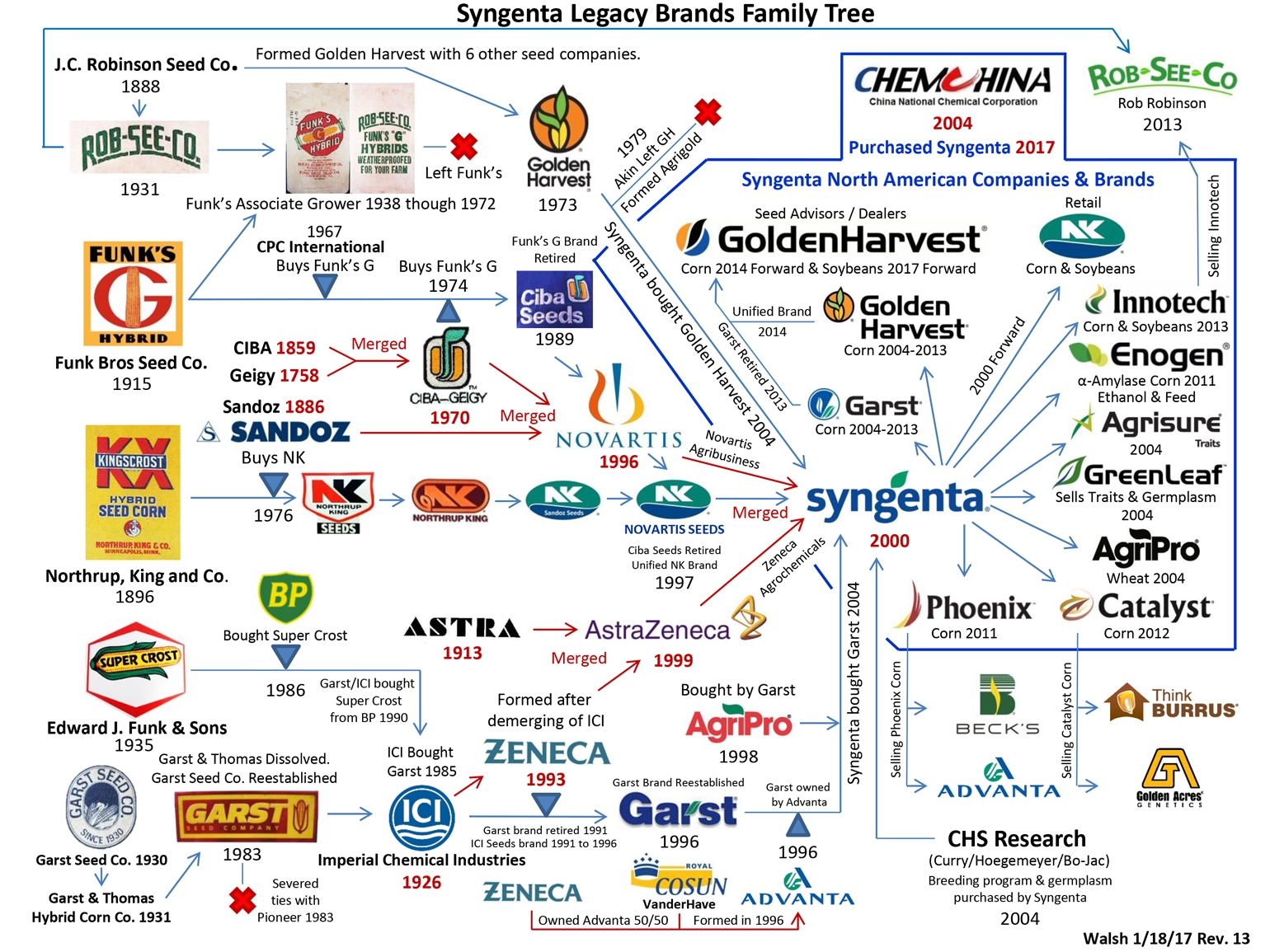
The ownership of seeds around the world is a complex issue, dominated by a few major corporations. As of recent data, approximately 75% of the global seed market is controlled by just a handful of multinational companies. These companies include Bayer (which acquired Monsanto), Syngenta, DowDuPont, BASF, and Monsanto, which plays a significant role in the agricultural sector. These corporations not only produce seeds but also develop biotechnologies, including genetically modified organisms (GMOs), which have a significant impact on food production and agricultural diversity.
The Major Seed Corporations
The leading corporations that dominate the seed market have a substantial influence on agriculture globally.
- Bayer – Following its merger with Monsanto, Bayer has become a giant in the biotech seed industry.
- Syngenta – Known for its wide range of seed varieties and agricultural products, Syngenta is a key player in the market.
- DowDuPont – This merger has created a powerful entity focusing heavily on agricultural innovations and superior seed varieties.
Impact of Seed Ownership on Agriculture
The concentration of seed ownership has led to several implications for farmers and agricultural practices.
- Reduced Biodiversity – Many traditional seed varieties are being replaced by proprietary seed types, leading to a loss of crop diversity.
- Dependency on Corporations – Farmers often become reliant on these companies for seeds and technology, increasing their vulnerability to price fluctuations.
- Intellectual Property Rights – The enforcement of patents on seeds often restricts farmers' ability to save seeds for future planting.
Global Seed Market Trends
Recent trends in the seed market indicate a shift towards increased consolidation and the development of genetically modified crops.
- Market Consolidation – Smaller companies are being absorbed by larger ones, reducing competition.
- Rise of GMOs – The adoption of genetically modified crops is increasing, influenced by high yields and pest resistance.
- Focus on Sustainability – There is a growing emphasis on sustainable agricultural practices that support ecological balance.
Regulations and Seed Ownership
The regulatory environment significantly affects how seeds are owned and distributed globally.
See also:
- Seed Laws – Different countries have various laws governing seed rights, patenting, and biodiversity conservation.
- Trade Agreements – International trade agreements can influence seed availability and market access.
- Consumer Demand – Growing consumer preference for organic and non-GMO products can impact seed company strategies.
The Future of Seed Ownership
The future landscape of seed ownership is likely to evolve based on technological advancements and consumer preferences.
- Innovation in Breeding – Advances in technology, such as CRISPR, might reshape how crops are developed.
- Open Source Seeds – A movement towards open-source seed initiatives may emerge, promoting biodiversity.
- Focus on Local Adaptation – There is an increasing recognition of the importance of locally adapted seed varieties to boost resilience in agriculture.
Who is the largest seed seller in the world?

The largest seed seller in the world is Monsanto Company, which is now part of Bayer AG following a significant acquisition in 2018. Monsanto has established itself as a leader in the agricultural biotechnology sector, particularly through its development of genetically modified organisms (GMOs). These products have become essential for modern agriculture due to the traits they offer, such as pest resistance and increased yield.
Monsanto/Bayer dominates the seed market with a substantial share. Their market positioning is the result of several strategic mergers and acquisitions, allowing them to leverage advances in biotechnology to develop and distribute high-yielding seeds. The following points highlight their market presence:
- Global Reach: Monsanto/Bayer operates in multiple countries, providing seeds for a variety of crops.
- Revenue Generation: The company's revenue from seed sales significantly contributes to overall profits, reflecting their market leadership.
- Research and Development: Significant investment in R&D helps them maintain a competitive edge in seed innovations.
Types of Seeds Offered
Monsanto/Bayer offers a diverse range of seeds encompassing various crops. This breadth of products is essential to cater to different agricultural needs across the globe. Their product portfolio includes:
- Corn Seeds: Leading the market with varieties engineered for maximum yield and pest resistance.
- Soybean Seeds: Popular among farmers due to their adaptability and resistance to herbicides.
- Vegetable Seeds: Targeted at food production, enhancing nutrition and availability.
Impact of Genetically Modified Seeds
The introduction of genetically modified (GM) seeds has had a profound impact on farming practices worldwide. These seeds are engineered to enhance certain desirable traits, which has been crucial for addressing food security:
- Increased Crop Resistance: GM seeds provide better resistance to pests and diseases, reducing the need for chemical pesticides.
- Higher Yields: These seeds often produce higher agricultural yields, which is vital for feeding the growing global population.
- Environmental Sustainability: Reduced pesticide usage contributes to more sustainable farming practices and less environmental impact.
Controversies and Challenges
Monsanto has faced various controversies regarding the use of genetically modified seeds, leading to a polarized public opinion regarding their products. The key aspects include:
- Health Concerns: Some consumer groups have raised concerns about the long-term health effects of GM foods.
- Legal Battles: Monsanto has been involved in numerous lawsuits related to patent infringement and biotechnology issues.
- Market Competition: The emergence of organic and non-GMO alternatives has challenged Monsanto’s dominance in the seed market.
Future Trends in Seed Selling
As the agricultural landscape evolves, several trends are likely to shape the future of seed selling. Monsanto/Bayer, as a leader, will be at the forefront of these changes:
- Technological Innovations: Advancements in seed technology will continue to emerge, including precision breeding techniques.
- Sustainability Practices: There will be a growing focus on developing seeds that meet sustainability criteria, responding to environmental concerns.
- Regulatory Changes: As governments introduce new regulations on GMOs, companies will need to adapt their offerings accordingly.
Questions from Our Readers
Who owns the biggest seed bank in the world?
The biggest seed bank in the world is owned by the Global Seed Vault, which is located in Svalbard, Norway. It was established by the Norwegian government in collaboration with the Global Crop Diversity Trust and the Food and Agriculture Organization of the United Nations to ensure the preservation of biodiversity.
What is the purpose of the Svalbard Global Seed Vault?
The purpose of the Svalbard Global Seed Vault is to provide a secure and backup storage facility for the seeds of various crops, ensuring that they are preserved for future generations in case of natural disasters, wars, or other catastrophic events that may threaten global food supply.
See also:
How many seed samples are stored in the vault?
As of now, the Svalbard Global Seed Vault houses more than 1 million seed samples from countries around the world, including about seeds from various crops and plant species crucial for maintaining agricultural diversity and food security.
Can anyone access the seeds stored in the Global Seed Vault?
Access to the seeds stored in the Svalbard Global Seed Vault is restricted; only authorized institutions can request seeds. This ensures that the seeds are effectively managed and remain available for research, agricultural development, and conservation efforts when needed.

If you want to read more articles like Who Owns the Biggest Seed Bank in the World? Unveiling the Global Guardians of Biodiversity, we recommend you check out our Seeds category.
Leave a Reply
Related Articles