Which is the Best and Cheapest Method of Irrigation? Discover Cost-Effective Solutions for Your Garden
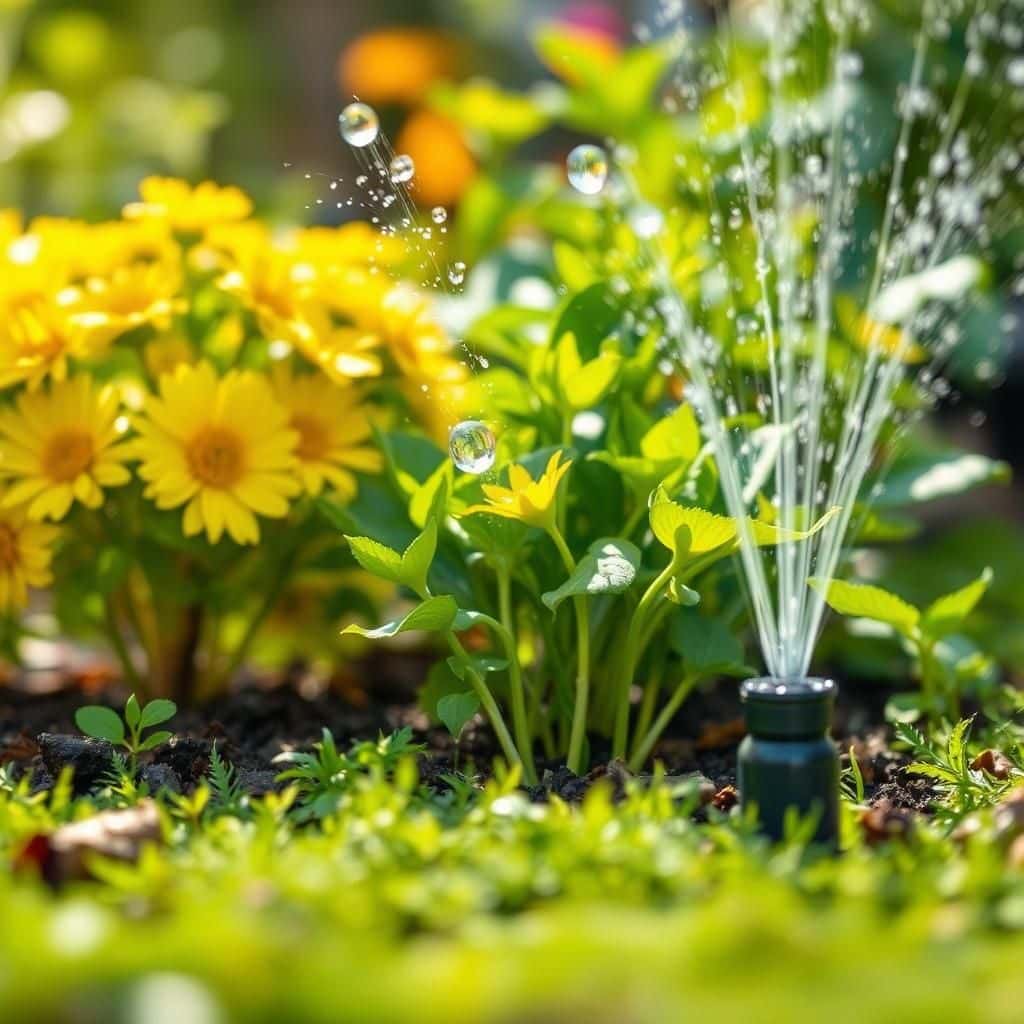
Irrigation is a crucial element in gardening, ensuring that plants receive the right amount of water for optimal growth. However, with various methods available, selecting the best and most affordable option can be daunting for homeowners and gardeners. This article explores the most cost-effective irrigation techniques, highlighting their benefits, disadvantages, and practicality for different garden sizes. Whether you're looking to conserve water, save money, or improve your garden’s health, understanding these methods will empower you to make informed decisions. Join us as we uncover the best and cheapest irrigation solutions to transform your garden while being mindful of your budget.
Identifying the Most Cost-Effective Irrigation Method
The best and cheapest method of irrigation often depends on several factors including the type of crops, local climate conditions, and available resources. One of the most efficient ways is drip irrigation, which delivers water directly to the roots of plants through a system of tubing and emitters. This method minimizes water waste and reduces evaporation, making it an excellent choice for areas facing water scarcity. While the initial setup cost might be higher than traditional methods, the long-term savings in water usage and increased crop yields often make drip irrigation the most affordable option in the long run.
Overview of Various Irrigation Methods
When considering the best irrigation method, it's essential to understand the different options available. Traditional methods like flood irrigation and furrow irrigation involve applying water directly to the soil surface and relying on gravity to distribute it. These methods can be inexpensive in the short term but less efficient due to water loss through evaporation and runoff. In contrast, modern techniques such as sprinkler systems and micro-irrigation offer more precise water applications, ensuring better crop growth and optimized water use, albeit at a higher installation cost.
The Benefits of Drip Irrigation
Drip irrigation is widely considered one of the best methods because it provides a direct water supply to plant roots, resulting in less water being wasted compared to other methods. It minimizes weed growth and reduces the occurrence of diseases by limiting fungus and bacteria exposure in the soil. Despite the initial investment for equipment and installation, the reduced labor and water costs over time contribute to significant savings, making it an economically viable option for many farmers.
Cost Comparison of Irrigation Techniques
A cost comparison shows that while traditional irrigation methods might have lower upfront costs, they often lead to higher water consumption and increased utility bills. Meanwhile, high-efficiency systems like drip irrigation may require a greater initial investment, but they significantly lower water use and can lead to higher agricultural productivity. The difference in costs between these methods can be crucial for budget-conscious growers, particularly in regions where water is a precious resource.
Choosing the Right Method for Your Crop
The best irrigation method can vary based on the type of crop being grown. For instance, row crops such as corn or soybeans might benefit most from center pivot systems, while vegetable gardens are more suited to drip irrigation. Understanding the specific water requirements of each crop type can guide farmers in selecting the most effective irrigation method that balances cost and efficiency, leading to better crop yields and sustainable farming practices.
The Role of Soil and Climate in Irrigation Selection
Soil type and climate conditions play a vital role in determining the best irrigation method. Sandy soils, for instance, drain quickly and may require more frequent watering, suggesting a drip system might be optimal. In contrast, heavier clay soils retain moisture, making less frequent flooding feasible. Additionally, understanding local climate patterns, such as average rainfall and temperature, helps optimize irrigation schedules and method selections, ultimately improving water conservation and crop health.
| Irrigation Method | Initial Cost | Water Efficiency | Crop Suitability | Maintenance |
|---|---|---|---|---|
| Flood Irrigation | Low | Low | General | Low |
| Drip Irrigation | High | Very High | Vegetables, Fruits | Medium |
| Sprinkler System | Medium | Medium | General | High |
| Micro-Irrigation | Medium | High | Orchards | Medium |
| Cente Pivot | High | Medium | Cereal Crops | High |
What is the cheapest irrigation method?
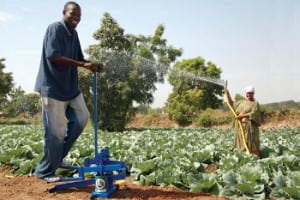
The cheapest irrigation method is generally considered to be drip irrigation. This system delivers water directly to the base of plants through a network of tubes, which minimizes water waste and maximizes efficiency. Drip irrigation systems reduce evaporation and runoff, ensuring that more water is utilized by the plants. The initial setup cost can be lower compared to other methods like sprinkler systems, especially for small-scale farming or gardening.
Benefits of Drip Irrigation
Drip irrigation has numerous benefits that make it a cost-effective choice for many agricultural needs. The system is designed to provide water directly at the root zone, which promotes healthier plant growth.
See also:
- Water Efficiency: It uses significantly less water than other irrigation methods.
- Reduced Labor: Automated systems can reduce the need for manual watering.
- Targeted Watering: Minimizes water loss through evaporation and runoff.
Cost-Effectiveness of Drip Irrigation
The overall cost-effectiveness of drip irrigation stems from its design and operational efficiency. Despite the initial installation cost, which can range based on the scale, the long-term savings on water, labor, and nutrients make it an economically viable option.
- Lower Water Bills: Reduces water consumption significantly.
- Long Lifespan: Durable materials lead to long-term use.
- Fewer Inputs: Less need for fertilizers due to efficient water delivery.
Installation Considerations
When considering the installation of a drip irrigation system, there are several important factors to evaluate. Properly installed systems will function optimally, leading to greater efficiency and lower costs.
- Soil Type: Different soils may require adjustments in system design.
- Crop Requirements: Different crops have varying water needs.
- System Layout: Planning the layout can maximize efficiency and minimize costs.
Alternatives to Drip Irrigation
While drip irrigation remains one of the cheapest options, other methods can also be cost-effective depending on the specific agricultural environment. Each method has its advantages and limitations.
- Surface Irrigation: Simple and low-cost but may waste water.
- Rainwater Harvesting: Free and eco-friendly but depends on rainfall.
- Sprinkler Systems: Efficient for larger areas but can be more expensive to install.
Maintenance of Drip Irrigation Systems
Regular maintenance is crucial for ensuring that a drip irrigation system remains functional and efficient. Neglected systems can lead to increased costs over time.
- Regular Checks: Inspections for clogs or damage should be routine.
- Filter Maintenance: Clean filters to prevent blockages.
- Schedule Replacements: Replace worn-out parts proactively to avoid leaks.
What is the cheapest and less efficient method of irrigation?
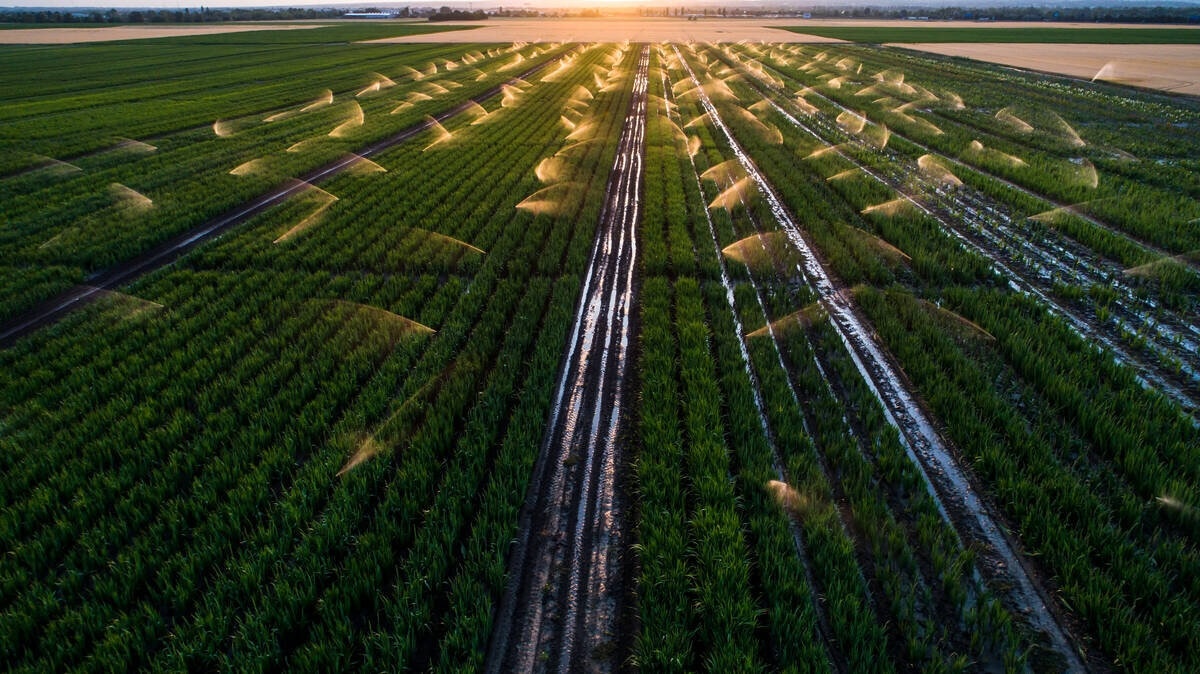
The cheapest and less efficient method of irrigation is the flood irrigation system. This method involves flooding the entire agricultural field with water, allowing it to soak into the soil to nourish crops. While it’s low-cost since it requires minimal infrastructure and technology, it tends to waste a significant amount of water and is often inefficient in terms of water usage.
What is Flood Irrigation?
Flood irrigation is a traditional method wherein water is distributed over the soil by gravity. It involves creating channels or furrows for the water to flow, allowing substantial areas to be irrigated without advanced equipment. This method is primarily used in regions with abundant water supply and can be advantageous in specific conditions but is generally considered less efficient due to:
- Water runoff: A considerable amount of water runs off without being absorbed by plants.
- Evaporation: Water is lost through evaporation, especially in hot climates.
- Soil erosion: Excess water can lead to soil erosion, degrading soil quality over time.
Cost-Effectiveness of Flood Irrigation
One of the primary reasons for the popularity of flood irrigation in developing regions is its low cost. The setup does not typically require elaborate equipment or technology. Farmers can dig ditches by hand and use gravity to move water. The cost-effectiveness comes from:
- Minimal investment: Low startup costs as it avoids complex irrigation systems.
- Maintenance simplicity: Easier and cheaper maintenance compared to high-tech systems.
- Use of local resources: Utilizing natural water sources and labor can reduce expenses.
Impact on Water Resources
Despite being cheap, flood irrigation can have detrimental effects on water resources. The method can lead to over-extraction of water from rivers or aquifers, especially when quantities are not carefully managed. This mismanagement affects:
- Groundwater depletion: Excessive water use can lower groundwater levels.
- Water quality: Runoff can carry fertilizers and pesticides into local water bodies, harming ecosystems.
- Competition for resources: Oversubscribed water sources can lead to conflicts among users in arid regions.
Alternatives to Flood Irrigation
Given its inefficiency, many farmers are exploring alternatives to flood irrigation. Although they often require a greater upfront investment, these methods can save water and increase yields:
See also: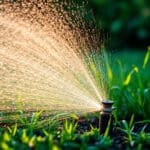
- Drip irrigation: Delivers water directly to plant roots, minimizing waste.
- Sprinkler systems: Mimics natural rainfall, allowing for more uniform water distribution.
- Soil moisture sensors: Helps in timely irrigation based on soil moisture levels, optimizing water use.
Environmental Impact of Flood Irrigation
The environmental impact of flood irrigation can be significant, leading to long-term soil and ecosystem damage. Some areas are more adversely affected by this method due to:
- Siltation: Accumulation of silt from runoff can change water bodies’ dynamics.
- Salinization: Excess water can lead to salt build-up in soils, harming crop yields.
- Habitat destruction: Flooding can change local ecosystems, impacting flora and fauna.
What is the most economical method of irrigation?

The most economical method of irrigation is drip irrigation. This technique delivers water directly to the roots of plants through a system of tubing and emitters. It minimizes water waste by reducing evaporation and runoff. Drip irrigation is highly efficient, as it can use up to 90% less water compared to traditional methods such as flood or furrow irrigation. This method is particularly suitable for crops that require consistent moisture, making it a favored option in areas facing water scarcity.
Advantages of Drip Irrigation
Drip irrigation offers several advantages that contribute to its economic efficiency:
- Water Savings: It uses water directly at the root zone, reducing wastage.
- Improved Crop Yields: By providing the right amount of water, crops grow healthier and yield more.
- Reduced Labor Costs: Automation and minimal maintenance lower labor demands.
Cost of Installation
The initial cost of installing a drip irrigation system can be higher than other methods, but it pays off in the long run:
- System Components: The cost of pipes, emitters, and control valves needs to be considered.
- Maintenance: Regular maintenance is essential but remains lower than traditional systems.
- Durability: With proper care, a drip system can last many years, spreading costs over time.
Environmental Benefits
Drip irrigation contributes positively to the environment:
- Reduced Water Use: It significantly lowers water consumption, aiding in conservation efforts.
- Soil Health: It minimizes soil erosion and maintains organic material.
- Decreased Weed Growth: By applying water directly to plants, the surrounding areas remain drier, discouraging weeds.
Applications in Different Regions
Drip irrigation is versatile and can be applied in various regions:
- Agricultural Use: Widely used in farming for crops like vegetables, fruits, and nuts.
- Landscaping: Ideal for gardens and parks, providing adequate moisture without wastage.
- Greenhouse Production: Helps maintain optimal growing conditions in controlled environments.
Challenges and Considerations
Despite its benefits, drip irrigation comes with challenges:
- Clogging: Emitters can clog due to impurities in water, needing regular checks and filters.
- Initial Investment: High upfront costs can deter some farmers or gardeners.
- Technical Knowledge: Requires understanding of system design and maintenance for optimal performance.
Questions from Our Readers
What is the most cost-effective irrigation method?
The most cost-effective irrigation method often varies depending on the specific needs of the crop and local conditions. However, drip irrigation is widely regarded as one of the cheapest long-term solutions, as it minimizes water usage and targets plant roots directly.
How does drip irrigation save money?
Drip irrigation saves money by reducing water consumption through precise delivery, which leads to lower water bills. Additionally, it minimizes labor costs and enhances crop yields, ultimately providing better returns on your initial investment.
See also:
Are there cheaper alternatives to traditional methods?
Yes, there are cheaper alternatives such as furrow irrigation or surface irrigation, which can be less expensive to set up initially. However, these methods often result in higher water waste, which can increase costs in the long run.
Can I implement a DIY irrigation system to save costs?
Absolutely! A DIY irrigation system can be a cost-effective solution, utilizing materials like hoses, PVC pipes, or recycled containers. However, careful planning is essential to ensure it meets the specific needs of the plants and conserves water effectively.

If you want to read more articles like Which is the Best and Cheapest Method of Irrigation? Discover Cost-Effective Solutions for Your Garden, we recommend you check out our Irrigation category.
Leave a Reply
Related Articles