Which is Better, Natural Mulch or Rubber Mulch? A Comprehensive Comparison for Your Gardening Needs
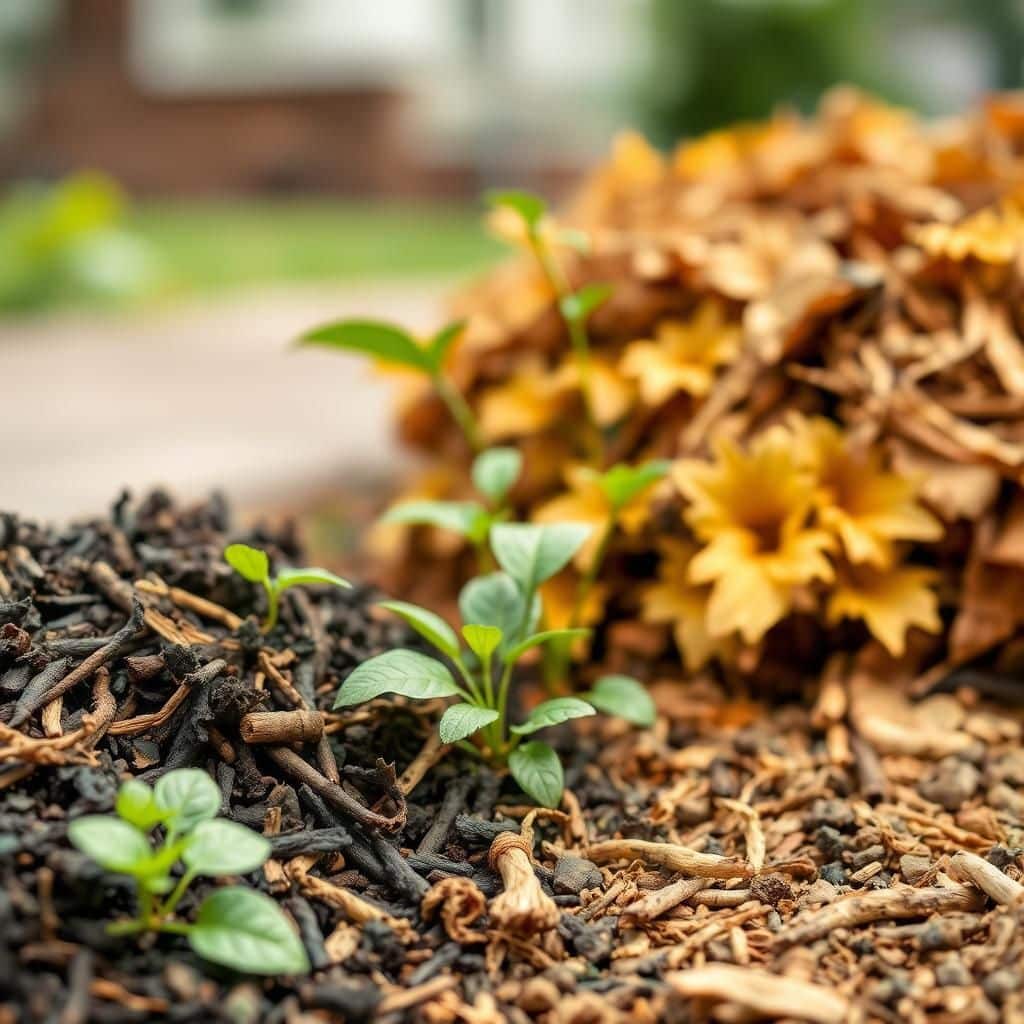
When it comes to enhancing your garden, the choice of mulch can significantly impact both aesthetics and functionality. Two popular options are natural mulch and rubber mulch, each boasting unique advantages and disadvantages. Natural mulch, derived from organic materials like wood chips and leaves, offers benefits such as improved soil health and water retention. On the other hand, rubber mulch, made from recycled tires, provides durability and low maintenance. This comprehensive comparison will delve into the merits and drawbacks of both types, helping you make an informed decision tailored to your gardening needs. Discover which mulch may be the best fit for your landscape.
Which is Better: Natural Mulch or Rubber Mulch?
When considering whether natural mulch or rubber mulch is better, it largely depends on your specific gardening needs, environmental considerations, and personal preferences. Natural mulch, made from organic materials like wood chips or straw, enriches the soil as it decomposes, providing essential nutrients to plants and improving soil structure. Additionally, it is biodegradable, which can contribute positively to the ecosystem. On the other hand, rubber mulch, derived from recycled tires, offers durability and longevity, requiring less frequent replacement compared to its natural counterpart. It is also excellent for weed prevention and does not attract pests, but it does not contribute any nutrients to the soil. Ultimately, the choice between these two types of mulch should be based on factors like aesthetic preference, environmental impact, and your specific garden goals.
Benefits of Natural Mulch
Natural mulch offers numerous benefits for gardens, such as soil health improvement, moisture retention, and weed suppression. As it decomposes, it adds organic matter, which fosters microbial activity and enhances soil fertility. Additionally, its natural appearance can blend seamlessly with plants, enhancing the visual appeal of a garden. By keeping soil temperatures stable, it protects plant roots from extreme weather conditions, making it a favorable option for many gardeners.
Advantages of Rubber Mulch
Rubber mulch provides distinct advantages, particularly its remarkable durability and low maintenance requirements. Unlike natural mulch, rubber mulch does not decompose, which means it lasts significantly longer and requires less frequent replenishment. Furthermore, it is resistant to pests and diseases, minimizing the need for chemical treatments. Its lightweight nature and vibrant colors can also add a visual element to playgrounds and landscaping, appealing to those seeking a colorful aesthetic.
Environmental Impact of Natural Mulch
Natural mulch is primarily made from renewable resources, making it an environmentally friendly choice. As it breaks down, it contributes to the nutrient cycle, enriching the soil and supporting biodiversity. However, the extraction of raw materials can sometimes impact forest ecosystems, depending on the sourcing practices. Overall, when sourced sustainably, natural mulch promotes healthier ecosystems and reduces reliance on synthetic materials.
Environmental Concerns of Rubber Mulch
While rubber mulch is often praised for its durability, it does present environmental concerns. Being made from recycled tires, there is ongoing debate about the potential for chemical leaching into the soil. Moreover, the production and disposal of rubber mulch can contribute to environmental issues if not managed properly. As such, those prioritizing sustainability may need to weigh these factors carefully when considering rubber mulch for their gardens.
Cost Comparison
The initial cost of rubber mulch tends to be higher than that of natural mulch, but it can be more cost-effective in the long run due to its longevity and reduced maintenance needs. A comparison of costs can show that while natural mulch may need replace every few years, rubber mulch can last a decade or more. The choice often comes down to upfront vs. long-term expenditure based on your gardening goals.
| Type of Mulch | Cost (per cubic yard) | Longevity | Environmental Impact |
|---|---|---|---|
| Natural Mulch | Approximately $30-$50 | 1-3 years | Biodegradable, but sourcing matters |
| Rubber Mulch | Approximately $150-$200 | 10+ years | Potential chemical concerns, but made from recycled materials |
Is rubber mulch better than natural mulch?
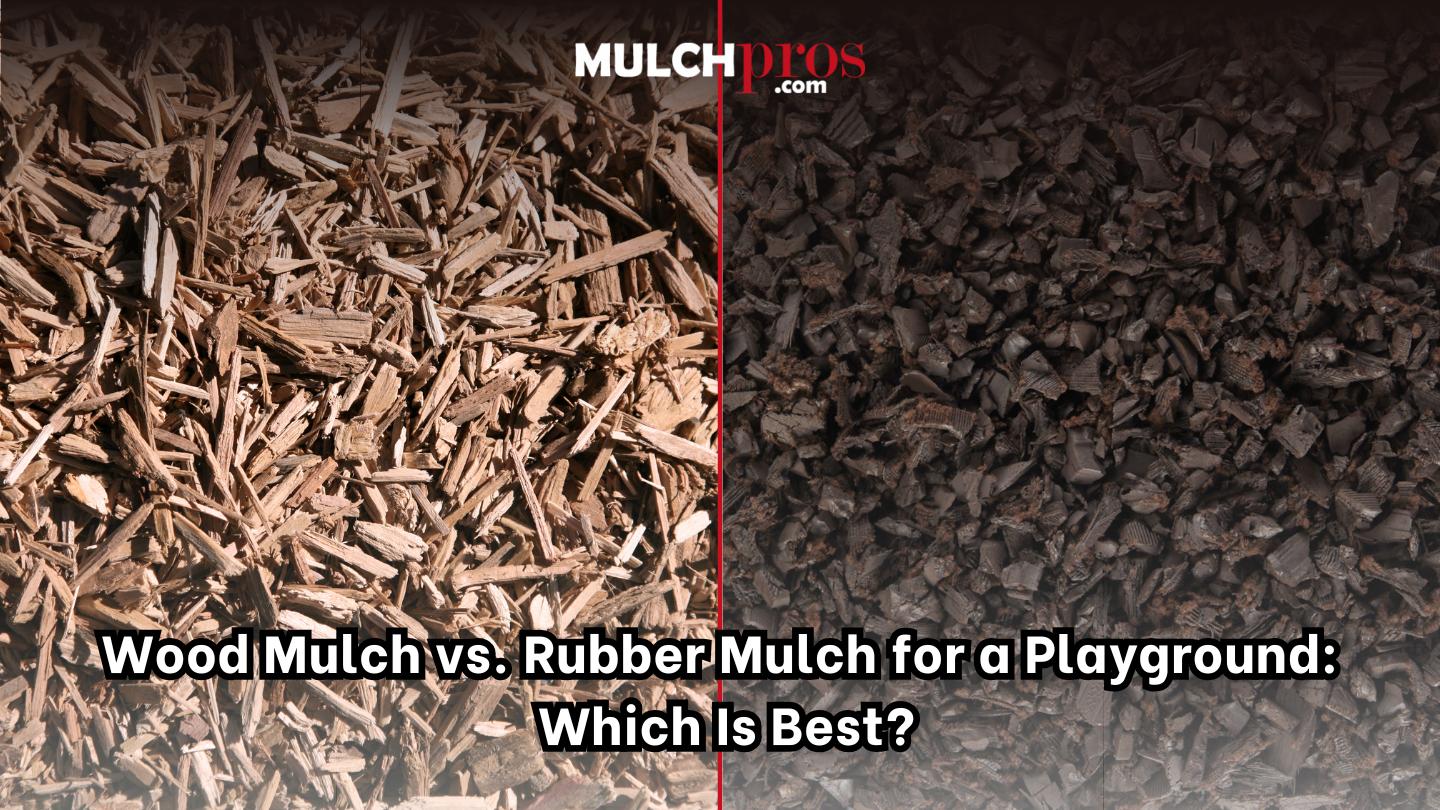
Rubber mulch and natural mulch serve similar purposes in landscaping and gardening, but they have distinct advantages and disadvantages that can make one better than the other depending on the specific needs of a project. Below is a detailed comparison of rubber mulch versus natural mulch.
Durability and Longevity
Rubber mulch is known for its exceptional durability and can last significantly longer than natural mulch. While natural mulches like wood chips or straw can decompose over time, leading to the need for replacement every year or two, rubber mulch can remain intact for 10 years or more. This longevity translates to lower maintenance costs and less frequent replenishing.
- Rubber mulch does not break down or decay.
- It can withstand harsh weather conditions without deteriorating.
- Natural mulch often requires annual replacement, leading to increased labor and material costs.
Environmental Impact
When evaluating the environmental impact, natural mulch is often seen as the more eco-friendly option. Natural mulches are biodegradable and can enrich the soil as they break down, providing nutrients to plants. In contrast, rubber mulch, while made from recycled tires, is not biodegradable and may leach chemicals into the soil over time.
- Natural mulch improves soil quality as it decomposes.
- Rubber mulch may release harmful substances depending on manufacturing quality.
- Natural options can offer a habitat for beneficial insects and microorganisms.
Weed Control
Both rubber mulch and natural mulch can be effective for weed control, but their effectiveness can vary. Rubber mulch is particularly effective because its density and weight prevent weeds from penetrating the ground. Natural mulch, while it can suppress weeds, is more prone to being displaced by wind or rain.
- Rubber mulch provides a solid barrier against weed growth.
- Natural mulch may require more frequent adjustment to maintain coverage.
- Both types can be used in conjunction with landscape fabric for improved results.
Aesthetic Appeal
In terms of aesthetic appeal, natural mulch tends to have a more organic look that many gardeners prefer. It can blend seamlessly into natural landscapes and provide a vibrant color, especially when using mulch made from cedar or pine. Conversely, rubber mulch comes in various colors but may not have the same organic feel as natural options.
See also:
- Natural mulch provides a more traditional appearance desirable for garden aesthetics.
- Rubber mulch can be found in multiple colors, but may lack versatility in natural settings.
- Personal preference plays a significant role in determining aesthetic appeal.
Safety Considerations
When it comes to safety considerations, rubber mulch has mixed reviews. It's known for providing a softer surface, which can enhance safety in play areas by reducing the risk of injury from falls. However, there are concerns about potential toxicity from chemicals leaching from the rubber. Natural mulch, while generally safer, can attract pests or harbor mold if not maintained properly.
- Rubber mulch decreases fall-related injuries in playgrounds.
- Natural mulch can be more prone to fungal growth if not properly managed.
- Assessing the safety of materials used in rubber mulch is crucial for children’s areas.
What are the negatives to rubber mulch?
Rubber mulch is increasingly used as an alternative to traditional mulch materials, but it has several potential negatives that users should consider.
Environmental Concerns
Rubber mulch is made from recycled tires, raising questions about its environmental impact. While it keeps tires out of landfills, the production process can release potentially harmful chemicals. Additionally, when exposed to the elements, rubber mulch may degrade over time, releasing microplastics that can contaminate soil and waterways.
- The chemical leaching from rubber can affect soil health.
- Microplastics can enter the food chain, impacting marine and terrestrial ecosystems.
- The production of rubber mulch doesn’t always guarantee it is a completely green option.
Health Risks
There are concerns regarding the health risks associated with using rubber mulch, especially for children playing on it. Studies have indicated that the toxic metals and chemicals in rubber can be harmful if ingested or inhaled, posing potential risks for long-term exposure.
- Children may be at risk due to direct contact with rubber particles.
- Some studies have shown that volatile organic compounds (VOCs) can release harmful gases.
- Allergic reactions to rubber materials may occur in sensitive individuals.
Fire Hazard
Rubber mulch has been noted for its potential fire hazard in dry conditions. Unlike organic mulches, which can be more resistant to flames, rubber mulch can ignite and burn uncontrollably, potentially spreading fire to nearby structures or vegetation.
- It can act as a fuel source, particularly in hot, dry environments.
- Once ignited, it can be difficult to extinguish, releasing toxic smoke.
- Proximity to flammable structures poses a risk to homes and outbuildings.
Limited Nutritional Benefits
Rubber mulch does not decompose like organic materials, meaning it offers no nutritional benefits to the soil. Unlike wood chips or bark, rubber does not improve soil structure or increase micronutrient availability, which can be detrimental for garden plants.
- Soil can become depleted of essential nutrients over time.
- Rubber mulch does not improve soil aeration or water retention.
- Plants may require additional fertilizers to compensate for the lack of nutrients.
Installation and Maintenance Issues
Installing rubber mulch can be a more labor-intensive process than traditional mulch due to its weight and the need for a solid base. Moreover, rubber mulch can shift over time, requiring periodic maintenance and replacement to maintain its intended appearance and effectiveness.
- It is heavier and can be difficult to transport for DIY projects.
- Regular maintenance is needed to keep it looking visually appealing.
- Shifting of the mulch can create uneven surfaces, which might be a tripping hazard.
What is the healthiest mulch to use?
:max_bytes(150000):strip_icc()/gettyimages-486162787-2000-7f52593611a144f482977fb8df8544f7.jpg)
The healthiest mulch to use primarily depends on your specific gardening goals, local climate, and the types of plants you are cultivating. However, organic mulches generally tend to be the best choice for most gardeners, as they contribute to soil health while providing various benefits.
1. Wood Chips and Bark Mulch
Wood chips and bark are among the most common types of organic mulch. They are effective at suppressing weeds, retaining soil moisture, and gradually breaking down into organic matter, which enriches the soil.
- Weed suppression: The thickness of wood chips and bark discourages weed growth.
- Soil enrichment: Over time, these materials decompose and add valuable nutrients to the soil.
- Aesthetic appeal: Wood chips and bark provide a natural look that complements gardens and landscapes.
2. Leaf Mulch
Shredded leaves can serve as an excellent mulch option. They are highly beneficial when decomposed and are generally readily available during the fall.
- Nutrient-rich: Leaves break down quickly and contribute substantial nutrients to the soil.
- Affordable: Utilizing fallen leaves is a cost-effective way to mulch.
- Soft and fine texture: This makes it easy to spread and helps prevent soil compaction.
3. Straw and Hay Mulch
Straw and hay can be beneficial for vegetable gardens, particularly for crops like tomatoes and squash. They also help maintain soil temperature and moisture.

- Moisture retention: Straw effectively holds moisture, reducing the need for frequent watering.
- Temperature regulation: A layer of straw can insulate plants against temperature fluctuations.
- Soil improvement: As they decompose, straw and hay improve soil structure and fertility.
4. Compost as Mulch
Using compost as mulch adds the benefits of nutrients while enhancing soil structure. It can improve plant health immensely when applied in appropriate amounts.
- Nutrient boost: Compost provides a wide array of nutrients to plants.
- Microbial activity: It promotes a thriving ecosystem of beneficial bacteria in the soil.
- Versatility: Compost can be used in flower beds, vegetable gardens, and around trees and shrubs.
5. Cocoa Hulls
Cocoa hulls are an attractive mulch option with a delightful chocolate scent. They are high in nitrogen and support soil fertility.
- Nutrient content: Rich in nitrogen, cocoa hulls enhance soil fertility.
- Aesthetic appeal: They have a unique look and scent that make them visually appealing in gardens.
- Beneficial for moisture retention: They help retain soil moisture while keeping the soil temperature stable.
Do weeds grow through rubber mulch?

Weeds can cause significant problems in gardens and landscapes, prompting the need for effective weed control measures. One common option used to suppress weed growth is rubber mulch. However, the question arises:
The short answer is that while rubber mulch does a decent job of inhibiting weed growth, it is not entirely foolproof. Rubber mulch can significantly reduce the incidence of weeds, mainly due to its dense layer and the way it blocks sunlight. Here’s a detailed explanation of how effective it is in preventing weed growth and the factors that can affect its performance.
How Rubber Mulch Works Against Weeds
Rubber mulch operates on the principle of blocking sunlight, a crucial factor for weed germination. Since most weed seeds require light to sprout, the opaque nature of rubber mulch creates a barrier. Additionally, rubber does not provide a suitable growing medium for most weed types.
- Sunlight Blocking: The mulch layer deprives weed seeds of the light they need.
- Non-Organic Material: Rubber does not provide nutrients or a medium for weeds.
- Density: Its weight keeps it in place, forming an effective barrier.
Factors Impacting Weed Growth Through Rubber Mulch
While rubber mulch is effective, certain conditions may encourage the growth of weeds, even through it. Several factors can create openings for weeds to thrive in these settings.
- Depth of Mulch: If the rubber mulch layer is too thin, it may not sufficiently block sunlight.
- Weed Seed Bank: Pre-existing seeds in the soil can still germinate if they are below the mulch.
- Organic Matter Accumulation: If debris or organic matter builds up, it can provide a planting medium for weeds.
Common Weeds Found with Rubber Mulch
Despite being a deterrent, some resilient weeds can still manage to poke through rubber mulch. Certain species have high adaptability and can exploit small gaps or conditions that favor their growth.
- Dandelions: These hardy weeds can push through various types of mulch.
- Clover: Often find niches in rubber mulch and can spread quickly.
- Crabgrass: Known for its aggressive growth, it can sometimes break through the surface.
Maintenance Tips for Rubber Mulch to Prevent Weeds
To maximize the effectiveness of rubber mulch in weed prevention, regular maintenance is crucial. Specific practices can enhance its longevity and weed-suppressing properties.
- Reapply Mulch: Ensure it maintains a proper depth, typically 3-4 inches.
- Regular Inspection: Check for any signs of weed growth and take immediate action.
- Clean Surrounding Areas: Remove nearby weeds to prevent seed movement into the mulch.
Benefits of Using Rubber Mulch Beyond Weed Control
Apart from being effective against weeds, rubber mulch offers several additional advantages for gardeners and landscapers. These benefits often make it a preferred choice for various applications.
- Durability: Rubber mulch lasts significantly longer than organic options.
- Water Conservation: It helps retain soil moisture due to its insulating properties.
- Safety: It provides a softer surface for play areas, reducing the risk of injury.
Questions from Our Readers
What are the main benefits of natural mulch?
Natural mulch offers several benefits, including improved moisture retention, temperature regulation for the soil, and the addition of nutrients as it decomposes. It also aids in weed suppression and enhances the aesthetic appeal of garden beds.
What are the advantages of rubber mulch over natural mulch?
Rubber mulch provides long-lasting durability compared to natural mulch, as it does not decompose or lose its color over time. It also offers superior weed control and reduces the risk of pest infestations, making it a low-maintenance option for landscaping.
Is one type of mulch better for the environment than the other?
While natural mulch is typically considered more eco-friendly due to its biodegradable properties, rubber mulch is often made from recycled materials, which can reduce landfill waste. However, both types have their environmental impacts, and the choice depends on specific landscaping needs and preferences.
See also:
How do cost and maintenance compare between natural and rubber mulch?
Natural mulch tends to be less expensive upfront but requires more frequent replacement and maintenance, making its long-term cost higher. In contrast, rubber mulch has a higher initial cost but typically requires minimal upkeep, providing a cost-effective solution over time.

If you want to read more articles like Which is Better, Natural Mulch or Rubber Mulch? A Comprehensive Comparison for Your Gardening Needs, we recommend you check out our Mulch category.
Leave a Reply
Related Articles