Which Fertilizer is Called the King of Fertilizer? Discover the Top Choice for Your Garden
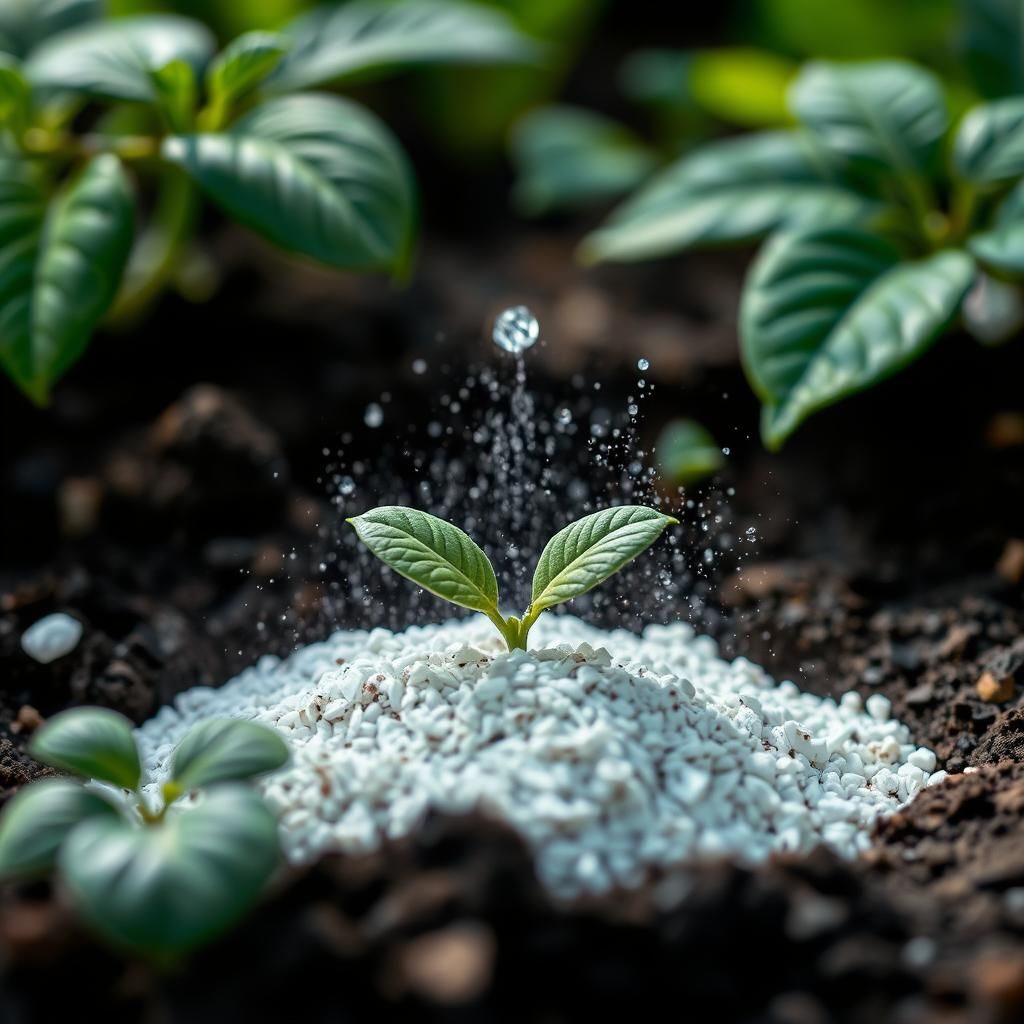
When it comes to enhancing garden productivity, choosing the right fertilizer is crucial. Among the many options available, one stands out as the undisputed champion: the King of Fertilizers. This title is not just a marketing gimmick; it reflects the unique properties and benefits that this fertilizer offers to gardeners of all skill levels. In this article, we'll explore what makes this fertilizer so exceptional, how it can transform your garden, and why it’s considered the top choice for achieving vibrant flowers, lush greenery, and bountiful harvests. Dive in to discover the ultimate solution for your gardening needs.
Which Fertilizer is Called the King of Fertilizer?
The fertilizer often referred to as the king of fertilizers is urea. This is due to its high nitrogen content, which typically ranges around 46%, making it one of the most potent sources of this essential nutrient. Urea is widely used in agricultural practices due to its effectiveness in promoting plant growth and increasing crop yields. Its ability to dissolve in water makes it easy to apply, and it can be used in various forms such as granular, liquid, or as a solution for fertigation. Moreover, urea is economically viable compared to other nitrogen sources, thereby making it a popular choice among farmers and agriculturalists worldwide.
What is Urea Fertilizer?
Urea fertilizer is a nitrogen-rich synthetic compound that contains the highest amount of nitrogen of any commercially available fertilizer. Composed of carbon, nitrogen, and oxygen, it is produced through a chemical reaction between ammonia and carbon dioxide. Due to its high nitrogen concentration, urea is highly effective in providing plants with the necessary nutrients they need for healthy growth and development. Its unique properties allow it to release nutrients over time, which can lead to improved fertilizer efficiency and reduced leaching.
Why is Urea Considered the King of Fertilizers?
Urea is considered the king of fertilizers primarily due to its unparalleled nitrogen content and versatility. Nitrogen is a crucial element for plants, playing a significant role in the formation of proteins, DNA, and various other vital molecules. The efficiency of urea allows it to be used effectively in numerous agricultural systems. Additionally, its relatively low cost and ease of application make it accessible for a wide range of farmers, further cementing its title as the most popular form of nitrogen fertilizer across the globe.
How to Apply Urea Fertilizer?
Applying urea fertilizer requires careful management to maximize its benefits and minimize potential environmental impacts. It can be applied broadcast, banded, or injected into the soil. The method chosen often depends on the type of crop and the growth stage. Proper timing is also essential; it is advisable to apply urea when plants are actively growing to ensure efficient uptake. Additionally, incorporating urea into the soil can reduce the risk of nitrogen loss through volatilization. Special attention should be given to the soil moisture and temperature conditions to optimize absorption.
What Are the Advantages of Using Urea Fertilizer?
Urea fertilizer offers several advantages that contribute to its reputation as the king of fertilizers. Firstly, its high nitrogen content means that smaller amounts can be used to achieve desired crop yields. Secondly, urea promotes quick and effective uptake of nitrogen by plants, leading to rapid growth and development. Thirdly, it is highly soluble in water, making it easy to incorporate into irrigation systems for fertigation purposes. Lastly, the relatively lower cost of urea compared to other nitrogen sources, such as ammonium nitrate, makes it an economical choice for farmers.
What Are the Disadvantages of Urea Fertilizer?
Despite its numerous benefits, urea fertilizer does have some disadvantages that should be considered. One major issue is its potential for nitrogen volatilization; when applied to the soil surface, some nitrogen can be released into the atmosphere as ammonia gas. This can lead to nutrient loss and reduced fertilizer effectiveness. Additionally, if not managed properly, urea application can cause soil acidification over time. Furthermore, excessive use of urea can lead to water pollution through runoff, affecting surrounding water bodies and ecosystems.
| Aspect | Details |
|---|---|
| Nitrogen Content | Approximately 46% |
| Form | Available in granular, liquid, and solution forms |
| Application Methods | Broadcast, Banded, or Injected |
| Cost | Generally lower than other nitrogen sources |
| Environmental Impact | Potential for volatilization and water pollution |
The Benefits of Choosing the Right Fertilizer for Your Garden
Selecting the right fertilizer is crucial for achieving a healthy and productive garden. Often referred to as the "king of fertilizers," organic fertilizers like compost and manure offer a slow release of nutrients, improve soil structure, and enhance microbial activity. This not only supplies essential elements needed for robust plant growth but also contributes to improved water retention and reduced erosion. Understanding the specific needs of your plants and soil can help you determine the most suitable fertilizer that promotes greener gardens while maintaining environmental sustainability.
What Makes a Fertilizer the "King"?
A fertilizer earns the title of "king" primarily due to its nutrient-rich composition, ensuring optimal plant growth. This is typically achieved through a balanced mix of nitrogen, phosphorus, and potassium, which are the cornerstone elements plants rely on for biological functions. Additionally, high-quality fertilizers often contain essential micronutrients that further enhance plant health and vitality, making them instrumental in yield production.
Top Characteristics of the Best Fertilizers
The best fertilizers possess several key characteristics that maximize their effectiveness. These include nutrient availability, which ensures that plants can readily absorb essential elements, and sustainability, allowing for long-term benefits without harming the environment. Furthermore, their ability to improve soil health and promote microbial diversity is critical in fostering a thriving garden ecosystem, making these fertilizers a preferred choice among gardeners.
Comparing Organic vs. Chemical Fertilizers
When discussing fertilizers, it's vital to compare organic and chemical options. Organic fertilizers, while often slower to act, provide long-lasting benefits by enriching the soil over time, which leads to improved plant resilience and sustainability. On the other hand, chemical fertilizers can deliver quick results but may lead to soil degradation and environmental issues if used improperly. Understanding the trade-offs between these types can help gardeners make informed decisions tailored to their individual goals.
How to Properly Apply Fertilizer in Your Garden
Application techniques play a crucial role in maximizing the benefits of fertilizers. It's essential to follow manufacturer guidelines regarding the correct timing, amount, and method of application. Techniques such as side-dressing or using fertigation can ensure even distribution and optimal absorption by plants. Additionally, knowing the specific growing stage of the plants can guide when to apply fertilizers to achieve the best results without overloading the soil with nutrients.
Common Mistakes to Avoid When Fertilizing
Fertilizing can be beneficial, but common mistakes can hinder plant health. Over-fertilization, for instance, can lead to nutrient burn, negatively affecting plant growth. It is also crucial to misinterpret the soil test results, which can lead gardeners to apply unnecessary or inappropriate fertilizers. Failing to incorporate fertilizers into the soil properly can also prevent plants from effectively accessing the nutrients they need. Avoiding these pitfalls ensures that fertilization contributes positively to the garden's health.
Questions from Our Readers
Which fertilizer is called the king of fertilizer?
Urea is often referred to as the king of fertilizers due to its high nitrogen content and versatility in usage. It is widely used in agriculture because it effectively promotes plant growth and is economical to produce.
What are the benefits of using urea fertilizer?
The primary benefits of using urea fertilizer include its high nitrogen concentration, which supports lush and healthy plant growth. Additionally, it has a low cost compared to other nitrogen sources and can be used on various crops and soil types.
How is urea fertilizer applied?
Urea fertilizer can be applied through different methods, including broadcasting, where it is spread over the soil surface, and injection, where it is incorporated directly into the soil. Different methods may impact the efficiency of nitrogen uptake by plants.
Are there any downsides to using urea fertilizer?
While urea has many advantages, it can also lead to nitrogen volatilization if not applied correctly, which can decrease its effectiveness. Additionally, over-application can result in soil and water pollution, making proper management essential.
See also:

If you want to read more articles like Which Fertilizer is Called the King of Fertilizer? Discover the Top Choice for Your Garden, we recommend you check out our Fertiser category.
Leave a Reply
Related Articles