Where is the best place to plant a hydrangea? Discover Ideal Locations for Your Blossoms
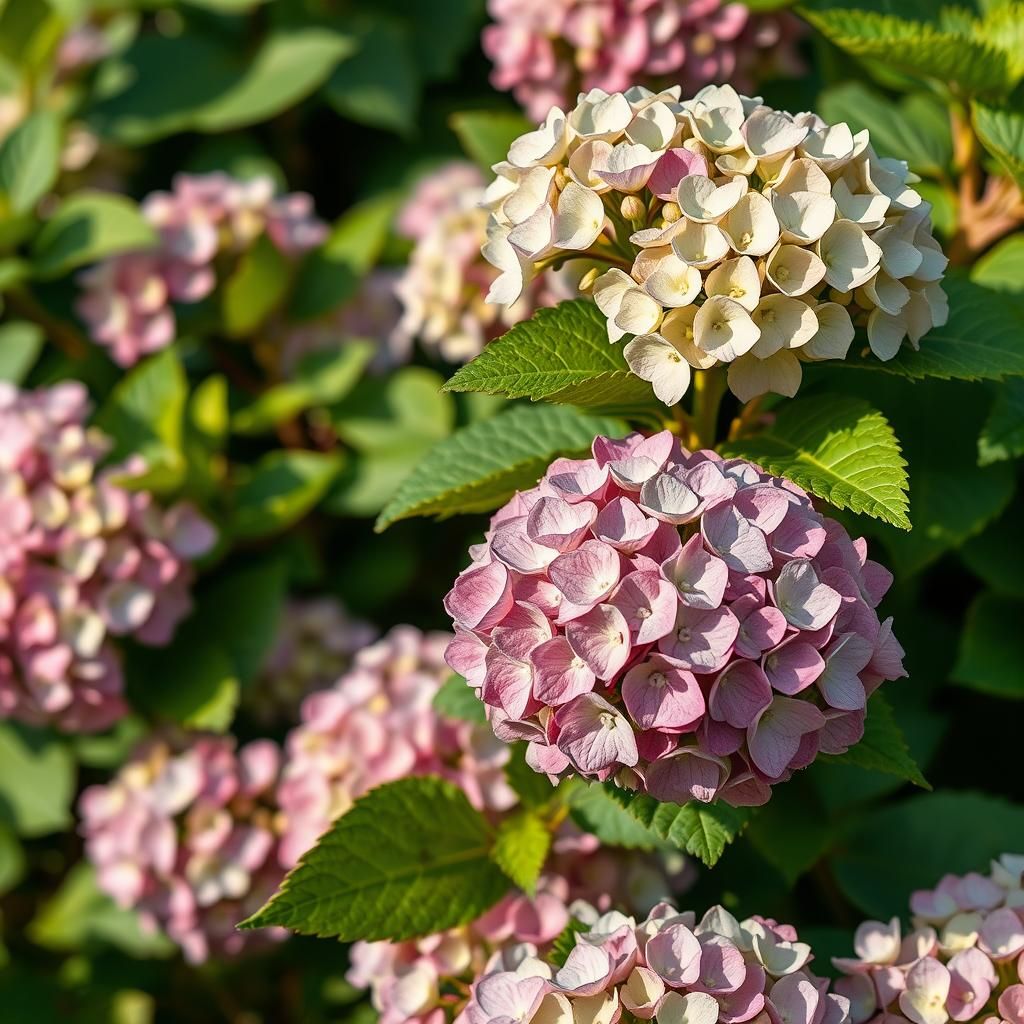
Hydrangeas are beloved for their stunning blooms and ability to transform gardens into vibrant landscapes. However, selecting the perfect location to plant these beautiful flowering shrubs is crucial for their health and growth. Factors such as sunlight, soil type, and moisture levels play significant roles in determining where hydrangeas will thrive best. In this article, we'll explore the ideal locations to plant hydrangeas, considering various conditions that can enhance their blossoming potential. Whether you're aiming for a spectacular display in your front yard or a serene corner in your garden, understanding the needs of hydrangeas will ensure a flourishing floral experience.
Where is the Best Place to Plant a Hydrangea?
Planting a hydrangea in the ideal location can significantly enhance its growth and blooming potential. The best place to plant a hydrangea is in a spot that receives partial shade, ideally receiving morning sun and afternoon shade. This helps protect the plant from the harsh midday sun while allowing it to absorb enough light for thriving. The soil should be well-draining and rich in organic matter, as hydrangeas prefer moist, but not waterlogged conditions. Additionally, it’s important to consider the climate of your area, as hydrangeas thrive in USDA hardiness zones 3 to 9. Finally, avoid planting them too close to trees or tall shrubs that may compete for nutrients and water.
Sunlight Requirements
Hydrangeas generally flourish best with partial shade—around four to six hours of direct sunlight daily. Morning sun is particularly beneficial as it warms the plant and allows it to dry off quickly, reducing the risk of disease. While some varieties can tolerate full sun if given enough water, too much heat can stress the plant, leading to wilting and fewer blooms. Thus, finding a balance between sun and shade is key to their vitality.
Soil Type
The soil type is crucial for hydrangea health; they thrive in loamy soil that retains moisture yet drains well. Heavy clay or sandy soils can hinder their growth. It’s best to amend the soil with plenty of organic matter, such as compost or peat moss, to improve its structure and nutrient content. A pH level between 5.5 and 6.5 is often ideal, affecting the color of the blooms, particularly in species like the bigleaf hydrangea. Hence, testing the soil and adjusting accordingly can lead to more vibrant flowers.
Spacing Considerations
When planting hydrangeas, spacing is another vital consideration. Depending on the variety, hydrangeas can grow quite large and may require a distance of at least three to six feet apart to allow for proper air circulation. This helps prevent overcrowding, which can lead to fungal diseases. Additionally, adequate spacing allows each plant to receive sufficient light and nutrients, promoting overall health and more abundant flowers.
See also:
Watering Needs
Hydrangeas require consistent moisture to thrive; however, they do not like to sit in waterlogged soil. It’s essential to water deeply at least once a week, more often in hot, dry weather. Mulching around the plant with bark or wood chips helps retain soil moisture and regulate temperature. Observe the leaves—if they start to droop, it’s a sign that the plant needs more water. Strike a balance where the soil remains moist but well-drained to ensure the best results.
Climate Adaptations
Finally, the local climate plays a significant role in the success of hydrangeas. They adapt well to various climates but prefer temperate zones where winters are cool and summers are warm. In extremely hot areas, providing afternoon shade becomes essential to prevent stress. Conversely, in colder climates, it may be beneficial to plant hydrangeas in sheltered locations to protect them from harsh winter winds. The choice of hydrangea variety should also depend on your specific climate conditions.
| Factor | Ideal Conditions |
|---|---|
| Sunlight | Partial shade, morning sun, afternoon shade |
| Soil Type | Loamy, rich in organic matter, good drainage |
| Spacing | 3 to 6 feet apart, depending on variety |
| Watering | Deeply, once a week, more often in drought |
| Climate | USDA hardiness zones 3 to 9, adapt to local conditions |
Understanding Soil and Sunlight Requirements for Hydrangeas
To achieve thriving hydrangeas, it's crucial to understand their specific needs regarding sunlight and soil conditions. Hydrangeas generally prefer partial shade, particularly in hotter climates, as too much direct sunlight can scorch their delicate leaves and impede flower production. On the other hand, too little light can result in fewer blooms and weak growth. Additionally, the soil should be well-draining, rich in organic material, and adequately moist to support health and flowering. Testing your soil's pH can also yield benefits, as hydrangeas have different color responses based on acidity, ranging from blue in acidic soil to pink in alkaline conditions.
Choosing the Right Time to Plant Hydrangeas
The best time to plant hydrangeas is during the spring or fall when the temperatures are mild. Planting in these seasons allows the roots to establish before the stress of summer heat or winter cold sets in. Spring planting provides ample time for the hydrangeas to grow throughout the warmer months, while fall planting gives them an opportunity to develop roots before the ground freezes. When planting, ensure that the risk of frost has passed to avoid any damage to the young plants.
Factors to Consider When Selecting a Location
When selecting a location for planting hydrangeas, consider drainage, access to sunlight, and protection from wind. Areas with poor drainage can lead to root rot, so it's essential to choose spots that allow excess water to drain away. Sunlight is another critical factor; hydrangeas with sufficient morning sun and afternoon shade tend to flourish. Finally, positioning them away from strong winds can protect delicate blooms and minimize stress on the plants, ensuring they remain healthy and vibrant.
See also:
Potential Hazards to Avoid Near Hydrangeas
Avoid planting hydrangeas near elements that pose potential hazards to their growth, such as overhead trees or large shrubs that may cast excessive shade or compete for nutrients. Additionally, areas prone to flooding or water pooling should be avoided, as hydrangeas require well-drained soil to prevent root rot. Keeping them away from pests like slugs and snails is also crucial, as these pests can damage the foliage and overall health of the hydrangeas.
Understanding Different Hydrangea Varieties
Different varieties of hydrangeas have unique site preferences and characteristics. For instance, Panicle Hydrangeas prefer more sunlight compared to Mophead Hydrangeas, which thrive better in shaded areas. Knowing the characteristics of specific hydrangea types will help determine their placement in your garden. By understanding these distinctions, you can ensure each variety receives the optimal light and care, significantly enhancing their growth potential and blooming capacity.
The Impact of Climate on Hydrangea Planting
The climate of your region plays a significant role in the success of your hydrangeas. In humid areas, hydrangeas may require more shade to prevent leaf scorch, whereas in cooler, drier climates, they may benefit from extra sunlight for more vigorous growth. Extreme weather conditions, such as frost or prolonged drought, also impact their viability, so consider the guidelines specific to your climate zone while choosing the best location for planting. Understanding these interactions between climate and plant health will contribute to creating a flourishing landscape.
Questions from Our Readers
Where is the best place to plant a hydrangea?
The best place to plant a hydrangea is in a spot that receives morning sun and afternoon shade. This helps to protect the plant from the intense heat of the afternoon sun, which can cause wilting. Additionally, hydrangeas thrive in well-drained soil that retains some moisture but does not become waterlogged.
Can hydrangeas tolerate full sun?
While some hydrangea varieties can tolerate full sun, most prefer a balance of sun and shade. Too much direct sunlight can lead to scorched leaves and reduced blooming. It is important to consider the specific type of hydrangea and local climate when determining sun exposure.
See also:
What type of soil is best for planting hydrangeas?
Hydrangeas prefer rich, loamy soil that is slightly acidic to neutral. The soil should be well-drained yet able to retain sufficient moisture. Amending the soil with organic matter, such as compost, can enhance its fertility and drainage capabilities.
How far apart should hydrangeas be planted?
When planting hydrangeas, it is recommended to space them about 3 to 10 feet apart, depending on the variety. This spacing allows for adequate air circulation, preventing disease and supporting healthy growth. Always check the specific needs of the hydrangea species you are planting for optimal spacing.

If you want to read more articles like Where is the best place to plant a hydrangea? Discover Ideal Locations for Your Blossoms, we recommend you check out our Landscaping category.
Leave a Reply
Related Articles