Discovering the Origins: Where does the term planters come from?

The term planters has roots that extend far beyond its contemporary usage, invoking images of agriculture and land cultivation. Understanding its origins provides valuable insights into historical social structures, economic systems, and cultural practices. This article will delve into the etymology of the word, tracing its evolution from classical languages to its application in various contexts over the centuries. By exploring the historical significance and transformations of the term, we can uncover how planters came to symbolize not only agricultural labor but also the complex interplay of power, land ownership, and colonialism throughout history.
Origins of the Term Planters
The term planters originates from the early colonial period in America, particularly during the 17th century. It was used to describe individuals who cultivated land and grew crops, particularly in the southern colonies. These early planters played a crucial role in the agricultural economy, especially in the production of cash crops like tobacco and cotton. The term itself derives from the act of planting, reflecting their primary activity of sowing seeds and nurturing plants for harvest. Over time, the term evolved to refer not only to those who worked the land but also those who owned plantations, often utilizing enslaved labor to maximize production and profits.
The Historical Context of Planters
The term planters is deeply intertwined with the history of American agriculture, particularly in the Southern states. In the colonial era, wealthy landowners established large plantations that relied on enslaved Africans for labor. These planters not only grew crops but also shaped the social and economic structures of the region. The planter class became associated with wealth and political power, influencing legislation and society in profound ways.
Economic Impact of Planting
In the context of the American economy, planters were instrumental in the development of the agrarian sector. They contributed significantly to the growth of cash crops like tobacco, rice, and cotton that became foundational to the export market. This agricultural model created wealth for planters while also establishing trade relationships with Europe, making the Southern economy reliant on plantation agriculture and, regrettably, on enslaved labor.
Within the social hierarchy of the Southern colonies, planters occupied a privileged position. They often held substantial land and wealth, which allowed them to wield considerable influence over local and state affairs. The planters' lifestyle symbolized prosperity, but it also perpetuated a system of inequality and dependence on enslaved workers, resulting in significant social tensions that would persist throughout American history.
Modern Usage of the Term
Today, the term planters has evolved to include anyone involved in agricultural activities, not just those who operate large plantations. In contemporary usage, it can refer to individuals who engage in any form of planting, whether for personal, commercial, or ecological purposes. The historical implications persist, however, reminding society of the complexities involved in agriculture and land ownership.
Global Context of Planters
The concept of planters is not unique to the United States but is a global phenomenon. In many countries, especially those with a history of colonialism, planters have played significant roles in shaping agricultural practices and land use. The impact of these practices varies greatly across different regions, often leading to cultural and social implications linked to land ownership and agricultural production, similar to the legacy left by American planters.
| Term | Definition |
|---|---|
| Planters | Individuals who cultivate land for agricultural production. |
| Agriculture | The science and art of cultivating soil, producing crops, and raising livestock. |
| Cash Crops | Crops produced for commercial value rather than for use by the farmer. |
| Plantation | A large estate where cash crops are cultivated, often using enslaved labor. |
| Colonial Era | A period when European powers colonized various regions, impacting local economies and societies. |
Where did the planters come from?

The planters, also known as plantation owners or agricultural entrepreneurs, primarily emerged from the need to cultivate large areas of land for cash crops. These planters were instrumental in the establishment and growth of plantations, especially in regions like the Caribbean, Southern United States, and parts of South America. The origins of these planters can be traced to various socio-economic backgrounds, including wealthy European colonizers and local landowners who took advantage of fertile land and favorable climates.
Historical Context of Planters
The rise of planters can be linked to the era of colonial expansion and the establishment of European colonies in the New World. Various factors contributed to their emergence:
See also:
- Colonization: European powers, like Spain, England, and France, sought to exploit the resources of their colonies.
- Economic Motivation: The lucrative nature of cash crops such as sugar, tobacco, and cotton encouraged investment in plantation agriculture.
- Labor Systems: The introduction of systems such as slavery significantly increased the workforce available to planters, allowing for large-scale production.
Geographic Origins
The location of plantation systems significantly influenced where planters came from. Several key regions played a crucial role:
- The Caribbean: Islands like Jamaica and Barbados became hubs for sugar production, attracting planters from Europe.
- The Southern United States: States such as Virginia and South Carolina became prominent for tobacco and cotton farming.
- Brazil: This South American nation was central to the production of sugar, necessitating an influx of planters.
Demographics of Planters
The demographic profile of planters included a mix of local and foreign individuals:
- Wealthy Europeans: Many planters were of aristocratic or affluent merchant background, seeking investment opportunities.
- Local Landowners: Indigenous landholders adapted to the plantation system, seeking profits from their lands.
- Immigrants: Many planters were also immigrants who arrived seeking wealth in the new agricultural markets.
Economic Impact of Planters
The activities of planters had profound economic implications on local and global scales:
- Trade: Cultivation led to the development of trade networks that connected Europe with the New World.
- Export Growth: Cash crops became essential for export, contributing significantly to the economy of colonial powers.
- Urban Development: The wealth generated by plantations fostered growth in nearby urban centers, creating markets and jobs.
The emergence of planters shaped the social and cultural landscape in many regions:
- Social Hierarchy: Plantation societies often developed rigid class structures where planters were at the top.
- Cultural Exchange: Interactions between diverse groups, including enslaved Africans, indigenous peoples, and European planters, created unique cultural blends.
- Legacy of Inequality: The plantation system established socio-economic disparities that persisted long after the abolition of slavery.
What does the term planter refer to?

The term planter can refer to various meanings depending on the context in which it is used. Generally, it refers to any device, person, or mechanism involved in the act of planting seeds or plants. The definition can further expand into different areas such as agriculture, gardening, and even manufacturing.
Definition of Planter
A planter primarily denotes a person or a machine that plants seeds or young plants into the ground for cultivation. While human planters historically performed this role, the advent of technology has led to the development of mechanical planters that enhance efficiency in agricultural methods.
- It symbolizes the initiation of agricultural production.
- Modern planters have advanced features for precision planting.
- They serve as essential tools in both commercial and home gardening.
Types of Planters
Different types of planters are designed for various planting methods and environments. They can be categorized into several groups such as hand tools, mechanical devices, and specialized equipment for specific crops.
- Hand Planters: Simple tools used for manual planting.
- Seed Drills: Mechanical devices that plant seeds at uniform depths and spacing.
- Transplanters: Machines designed to transplant seedlings from trays into the ground.
Role in Agriculture
In agricultural settings, the role of planters is vital for successful crop production. They enhance productivity and ensure that seeds are planted efficiently, which influences the overall yield of crops.
- Planters are designed to work in various soil conditions.
- They help to reduce labor costs and increase planting speed.
- High-tech planters can integrate GPS technology for precise planting.
Planters in Gardening
In gardening, planters provide an effective solution for planting flowers, vegetables, or herbs in a controlled environment. Garden planters can come in various forms, including raised beds and pots.
See also:
- Garden containers allow for better soil management.
- They can enhance the aesthetics of outdoor and indoor spaces.
- Planters suitable for vertical gardening maximize space efficiency.
Environmental Impact of Planters
The choice and use of planters can significantly impact the environment. Sustainable planting practices can reduce soil degradation and improve biodiversity.
- Using eco-friendly materials for planters reduces plastic waste.
- Proper planting techniques help maintain soil health.
- Planters that promote crop rotation can contribute to better ecological balance.
Who were the planters in slavery?
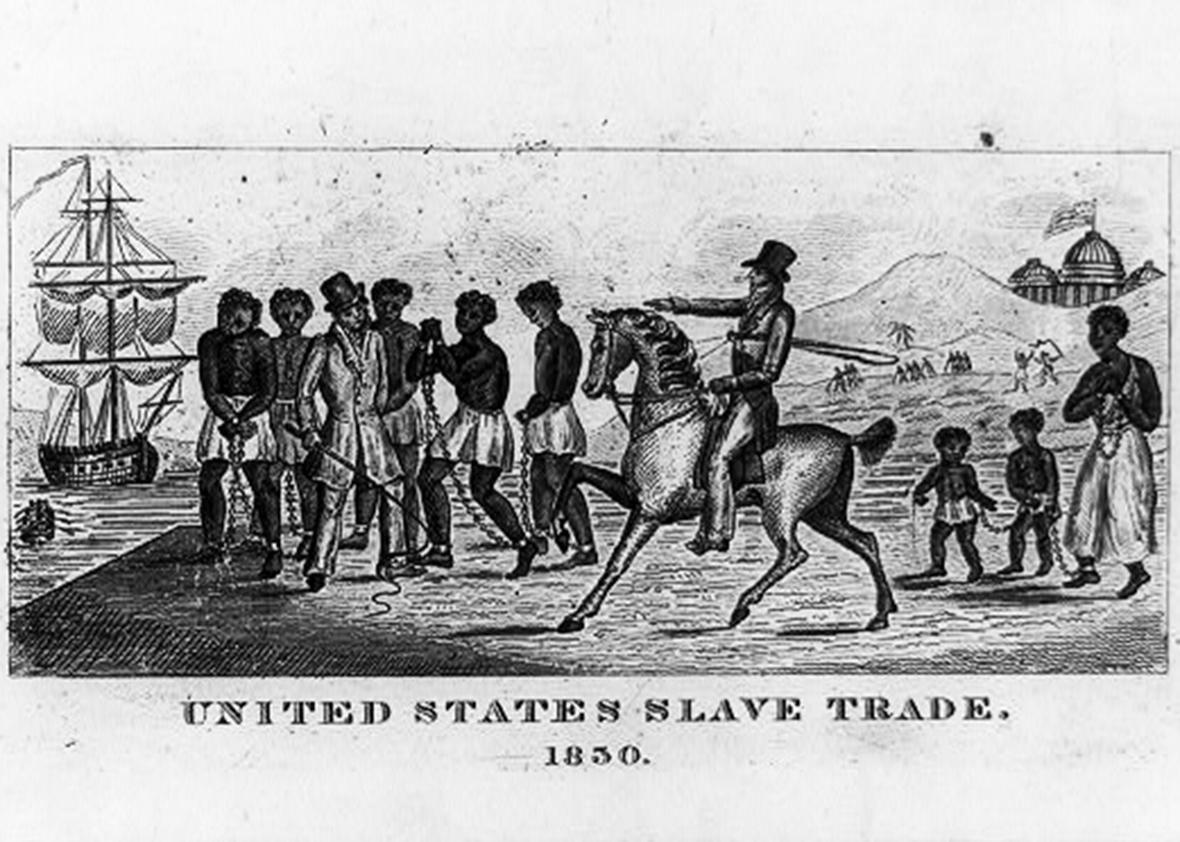
The planters in the context of slavery were individuals, often members of the wealthy elite, who owned and managed large agricultural estates in the antebellum Southern United States. These estates predominantly grew cash crops, such as cotton, tobacco, and sugar cane, which were labor-intensive and required significant manpower to cultivate. The planters played a pivotal role in the economic and social structure of the South, relying heavily on the labor of enslaved Africans and their descendants to maintain and expand their agricultural enterprises. Their success was often measured by the size of their landholdings and the number of enslaved individuals they owned, which in turn reinforced the institution of slavery as a critical component of the Southern economy.
The Role of Planters in the Economy
The planters were central to the Southern economy during the era of slavery, significantly contributing to both regional and national economic growth. Their agricultural activities promoted the exportation of cash crops, creating wealth not only for themselves but also for merchants, shipowners, and other associated businesses. The prosperity generated by planters had several key features:
- Crop Production: Planters focused on cash crops like cotton, which became the backbone of the Southern economy.
- Trade Networks: They established extensive trade networks that facilitated the export of goods, further enhancing their economic status.
- Labor Practices: The reliance on enslaved labor allowed planters to maximize profits while minimizing labor costs.
Planters typically belonged to the upper tier of Southern society, often living in large, opulent homes surrounded by vast tracts of land. Their lifestyle was characterized by a distinct social structure, influenced heavily by their wealth and agricultural success. Some aspects include:
- Education and Culture: Many planters ensured their children received private education and cultivated refined cultural interests.
- Political Power: Planters often held significant political positions, influencing local and state legislation.
- Social Networks: Their wealth allowed them to form exclusive social circles, reinforcing the elite status among the planter class.
The Relationship Between Planters and Enslaved People
The relationship between planters and the enslaved individuals they owned was marked by exploitation and dominance. Enslaved people were regarded as property, and their lives were controlled entirely by their owners. Elements of this relationship included:
- Control and Coercion: Planters enforced strict supervision and discipline to maintain productivity and obedience among enslaved workers.
- Family Structures: Enslaved families were often torn apart through sales, with little regard from planters for the familial bonds.
- Resistance and Rebellion: Enslaved individuals often resisted through subtle acts of defiance or more overt rebellions, challenging the authority of planters.
Impact of Planters on Southern Society
The actions and decisions of planters markedly shaped not only the economy but also the social fabric of the South. Their wealth and influence played a crucial role in various aspects of Southern life, including:
- Legal Framework: Planters contributed to the establishment and enforcement of laws that protected slavery and their economic interests.
- Social Stratification: The planter class maintained a rigid social hierarchy that both exalted their status and marginalized free and enslaved Black people.
- Cultural Norms: They promoted cultural values that emphasized paternalism, viewing themselves as caretakers of enslaved people while justifying their practices.
Decline of the Planter Class
The emergence of the Civil War and subsequent changes in social and economic structures led to the decline of the planter class. Several factors contributed to this decline:
- Emancipation: The legal abolition of slavery dismantled the economic foundation upon which planters relied.
- War Destruction: The Civil War devastated many plantations, leading to significant loss of land and infrastructure.
- Economic Transition: Post-war, the South faced a need to transition from an agrarian economy to a more diversified one, diminishing the power of former planters.
Questions from Our Readers
Where does the term planters originate from?
The term planters primarily comes from the colonial era, referring to individuals who established agricultural plantations. These individuals played a key role in the cultivation of crops such as tobacco, cotton, and sugar, particularly in the Southern United States and the Caribbean.
What was the role of planters in society?
Planters were often among the wealthiest individuals in their communities, holding significant power and influence. They relied on a system of enslaved labor to maintain their plantations, which contributed to the economic foundation of many southern states and deeply impacted the development of American society.
See also:
How did the term planters evolve over time?
Over time, the term planters has evolved to include those involved in modern agriculture and not just the historical context of slavery and plantations. It now refers to individuals who grow crops and manage farms, irrespective of historical connotations, showcasing a transition to contemporary farming practices.
Is the term planters still relevant today?
Yes, the term planters remains relevant today, particularly in the context of agriculture and horticulture. It is used to describe people who engage in cultivating land for various crops, highlighting the ongoing importance of sustainable farming and food production in today's world.

If you want to read more articles like Discovering the Origins: Where does the term planters come from?, we recommend you check out our Planter category.
Leave a Reply
Related Articles