Discover Where Do Hydrangeas Grow Best, Sun or Shade? Tips for Optimal Growth
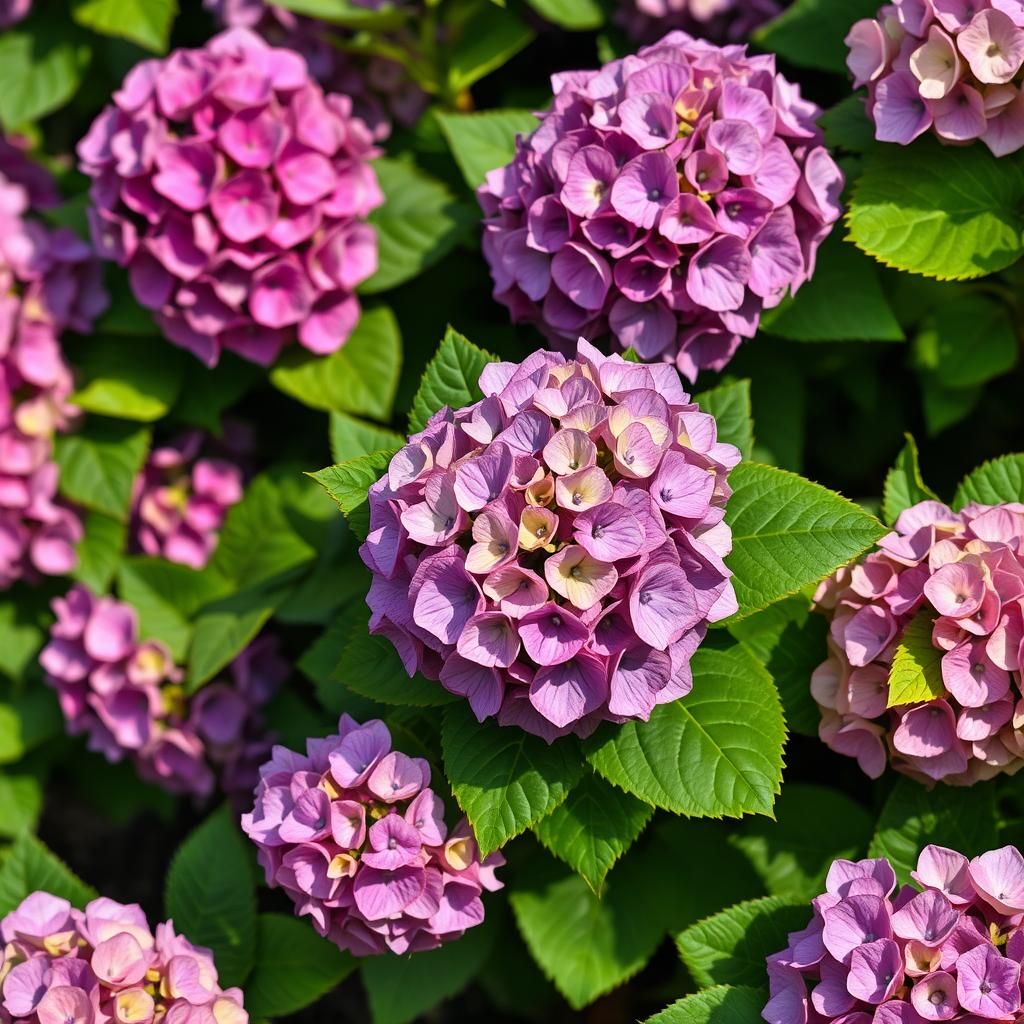
Hydrangeas are beloved for their stunning blooms and lush foliage, making them a popular choice for gardens across various climates. However, understanding their optimal growing conditions is crucial for achieving vibrant, healthy plants. One of the key factors influencing hydrangea growth is light exposure—specifically, whether they thrive in sun or shade. This article delves into the ideal environments for hydrangeas, offering insights and tips to help you choose the best location for these exquisite flowers. Whether you're a seasoned gardener or a novice, discovering the best conditions for hydrangea growth will ensure your garden flourishes with color.
Where Do Hydrangeas Grow Best: Sun or Shade?
Hydrangeas are versatile plants that can thrive in a variety of conditions, but they generally prefer partial shade for optimal growth. In locations with intense afternoon sun, hydrangeas can become stressed, leading to leaf scorch and decreased blooming. Conversely, while they can tolerate some shade, too much can hinder their growth and make them more susceptible to pests and diseases. Ideal conditions typically involve morning sun with some protection from the harsh midday rays, allowing these beautiful blooms to flourish without compromising their health.
Sun Requirements for Hydrangeas
Hydrangeas can benefit from full sun in the cooler regions, as this exposure helps promote vigorous growth and lush blooms. However, in warmer climates, too much direct sunlight can cause leaf burn and wilting, stressing the plant. A balance is key; therefore, ensuring that hydrangeas receive a few hours of sunlight each day, particularly in cooler parts of the day, will yield healthier plants and more abundant flowers.
Shade Tolerance of Hydrangeas
While hydrangeas thrive in partial shade, they can tolerate full shade but often at the cost of reduced blooming. In deep shade, these plants may produce smaller flowers and have spindly, leggy growth as they stretch toward any available light. Therefore, while they can survive in shaded areas, their overall health and flower production will significantly benefit from some degree of sunlight.
Impact of Soil on Hydrangeas' Growth
The type of soil where hydrangeas are planted can significantly influence their performance regardless of sun exposure. They prefer moist, well-draining soil that retains some moisture but does not become waterlogged. Proper soil conditions can help the plants manage stress from both sun and shade, allowing them to thrive in a range of lighting situations. Conducting a soil test may help determine if amendments are needed to maintain the right pH and fertility, which supports healthy growth.
Best Practices for Planting Hydrangeas
When planting hydrangeas, it's crucial to choose a spot that offers adequate sunlight while also providing some protection from the harshest elements. An area that receives morning sun and afternoon shade is typically ideal. Additionally, when planting, ensure to dig a hole twice as wide as the root ball and incorporate organic matter to enhance drainage and nutrient availability, creating a supportive environment for the plant to flourish.
See also:
Common Mistakes When Growing Hydrangeas
One common mistake made by gardeners is choosing the wrong location based on sun exposure. Many mistakenly believe that hydrangeas can thrive in full sun all day long, leading to stressed plants and poor blooming. Others may plant them in too much shade, not realizing that this condition can limit flowering potential. Understanding the specific requirements of the hydrangea variety being planted will help avoid these pitfalls and promote vibrant blooms.
| Condition | Ideal Exposure | Growth Impact |
|---|---|---|
| Full Sun | Cooler Regions | Increased Blooming |
| Partial Sun | Morning Sun, Afternoon Shade | Optimal Growth |
| Full Shade | Deep Shade | Reduced Blooming |
| Overwatering | Moist, Well-Draining Soil | Root Rot |
| Underwatering | Consistent Moisture | Stressed Plants |
What is the 1 3 rule for hydrangeas?

The 1-3 Rule for hydrangeas is a guideline used primarily for pruning these popular flowering shrubs. This rule helps gardeners achieve optimal growth and flowering by specifying how much of the plant to prune based on the age of the stems. It is particularly relevant for hydrangea varieties that bloom on old wood, such as Hydrangea macrophylla and Hydrangea serrata.
Understanding the 1-3 Rule
The 1-3 Rule states that during the pruning process, gardeners should remove one-third of the oldest branches at the base of the plant and one-third of the remaining growth from the previous season. This approach encourages new growth while still allowing the plant to maintain its structure.
- Promotes healthy growth
- Lowers the risk of over-pruning
- Encourages abundant flowering
Benefits of Following the 1-3 Rule
Applying the 1-3 Rule helps ensure that hydrangeas remain robust and produce beautiful blooms. By adhering to this rule, gardeners can enjoy several benefits that contribute to plant health and aesthetics.
- Improved air circulation around the plant
- Enhanced light penetration for better flowering
- Reduction of disease potential by removing old wood
When to Implement the 1-3 Rule
Timing is crucial when applying the 1-3 Rule. Ideally, pruning should occur in late winter or early spring, just as new growth begins. This timing allows the plants to recover quickly and encourages robust blooming when the growing season starts.
See also:
- Wait until after the last frost
- Observe the plant for emerging buds
- Choose a dry day for pruning to minimize stress
Identifying Old Wood vs. New Wood
To effectively employ the 1-3 Rule, it is essential to distinguish between old wood and new wood. Older stems typically produce flowers, while new wood may not have the same blooming capabilities for certain hydrangea types.
- Old wood: thicker, grayish stems with past blooms
- New wood: lighter-colored, greenish stems that appeared in the previous growing season
- Prune old wood to encourage rejuvenation
Common Mistakes to Avoid
While the 1-3 Rule is effective, gardeners can make a few common mistakes that hinder the plant’s potential. Avoiding these can enhance the outcome of your pruning efforts significantly.
- Pruning too late in the season, resulting in less flowering
- Removing too much growth, which can stress the plant
- Not using clean, sharp tools, which can spread diseases
Questions from Our Readers
Where do hydrangeas grow best, in sun or shade?
Hydrangeas generally thrive in partial shade, particularly in the afternoon. While some varieties can tolerate full sun, too much direct sunlight can cause the leaves to wilt or scorch. Therefore, providing a mix of sun and shade can lead to optimal growth and blooming.
Can hydrangeas tolerate full sun?
Yes, certain types of hydrangeas, like the Panicle and Smooth Hydrangeas, can tolerate full sun, but they will require more consistent watering to prevent drying out. It's important to keep an eye on them during hot spells to ensure they remain healthy.
What are the signs of hydrangeas getting too much sun?
If hydrangeas receive too much sun, you may notice scorched leaves, faded blooms, and overall wilting. These signs indicate that the plant is stressed and not receiving adequate moisture, emphasizing the need for a more balanced light setting.
How does shade affect hydrangea blooming?
Shade can significantly impact hydrangea blooming; while some shade is beneficial, too much can result in reduced flower production. Hydrangeas require some sunlight to produce blooms, so ensuring they receive the right amount of light is crucial for a vibrant display.
https://youtube.com/watch?v=lsIw-dMLnX4

If you want to read more articles like Discover Where Do Hydrangeas Grow Best, Sun or Shade? Tips for Optimal Growth, we recommend you check out our Shrubs category.
Leave a Reply
Related Articles