When to Prune Stone Fruit Trees in Australia: Essential Tips for Optimal Growth
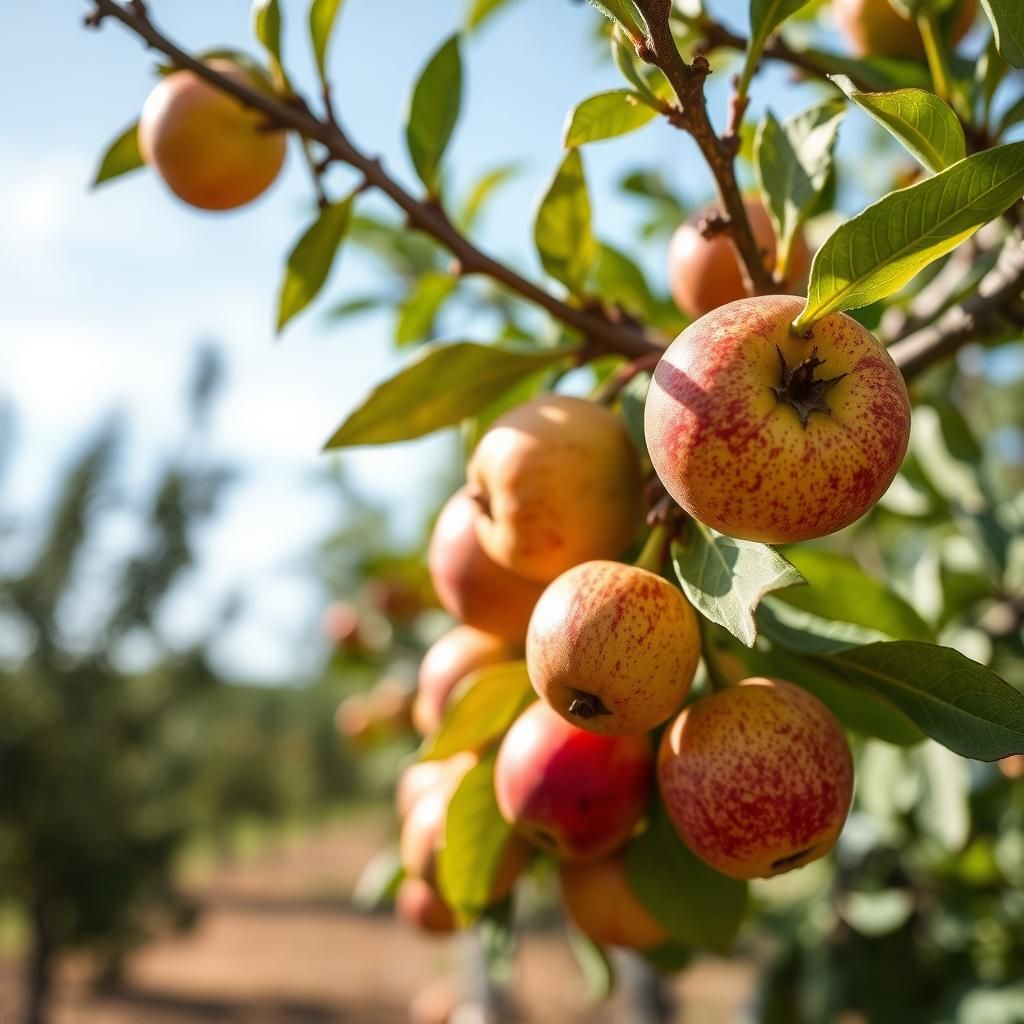
Pruning stone fruit trees is a vital practice for maintaining their health and maximizing fruit production in Australia. Understanding the best timing and techniques for pruning can significantly influence the growth and yield of these trees. Proper pruning encourages better air circulation, sunlight exposure, and the removal of diseased wood, which ultimately contributes to robust harvests. In Australia’s diverse climate, different regions may require tailored approaches to pruning practices. This article will explore essential tips and guidelines for when and how to prune your stone fruit trees, ensuring optimal growth and a bountiful fruit harvest throughout the seasons.
When to Prune Stone Fruit Trees in Australia
Pruning stone fruit trees in Australia is best accomplished during the dormant season, typically in late winter before the trees begin to bud. This timeframe, often from June to August, allows for optimal growth and fruit production without the stress that can occur if pruned at other times of the year. Additionally, pruning during dormancy helps to minimize the risk of disease and encourages strong growth in spring. It's essential to clean pruning tools to prevent the spread of pathogens between cuts, ensuring the health of the tree.
Understanding Dormancy
The dormant period of stone fruit trees is a crucial time for maintenance. During winter, trees conserve energy, and their sap flow decreases, making them less susceptible to damage when pruned. Recognizing the signs of dormancy, such as the absence of leaves and the stalling of growth, helps determine the right moment to perform this important task. Pruning during this time sets the stage for healthy blossom and fruit production when warmer weather arrives.
Signs It's Time to Prune
Observing the condition of your stone fruit trees can help identify the right time for pruning. Look for overgrown branches, crossing limbs, and weak or dead wood. These issues often become apparent in late autumn or early winter when the trees are bare of foliage. Addressing these concerns promptly can enhance airflow and light penetration within the canopy, promoting better fruit quality and reducing the likelihood of diseases caused by of overcrowding.
Pruning Techniques
When pruning stone fruit trees, several techniques can be employed to ensure a proper cut. The most common methods include thinning, which removes select branches to allow more light and air to reach the inner canopy, and heading back, where the tips of branches are cut to encourage bushier growth. Using clean, sharp tools allows for clean cuts that heal faster, minimizing the risk of infection and facilitating optimal regrowth in the spring.
Post-Pruning Care
After pruning, providing proper care is essential to support recovery and growth. Ensure your stone fruit trees receive adequate water during dry spells, as they will need extra moisture to cope with the stress of pruning. Fertilization with a balanced product in early spring can also promote strong growth and encourage a healthy bloom. Regular monitoring for pests and diseases following pruning can help catch any issues early on.
Common Mistakes in Pruning
There are several common mistakes to avoid when pruning stone fruit trees. One major error is pruning too late in the season, which can lead to poor flowering and fruit set. Another mistake is removing too many branches at once, which can shock the tree and reduce its yield. Additionally, failing to clean tools can spread disease from cut to cut. Being mindful of these pitfalls ensures a successful pruning experience, leading to a more fruitful harvest.
| Aspect | Recommendation |
|---|---|
| Best Time to Prune | Late winter, before bud break |
| Key Pruning Techniques | Thinning and heading back |
| Post-Pruning Care | Watering and fertilizing |
| Avoid | Pruning too late or too aggressively |
| Disease Prevention | Clean tools before use |
What month to prune stone fruit trees?

The best time to prune stone fruit trees, such as peaches, plums, and cherries, is during late winter or early spring, typically between February and April. This timing is crucial as it allows the trees to heal quickly from cuts before they enter full bloom. By pruning during this period, you can also improve light penetration and air circulation within the tree, promoting better fruit production in the upcoming season.
Why Late Winter is Ideal for Pruning
Pruning stone fruit trees in late winter helps to minimize the risk of fungal diseases and pests that can affect the tree after it starts to bloom. During this time, the trees are dormant, which means they are less likely to bleed sap from cuts. Furthermore, the absence of leaves allows for greater visibility of the branches and structure of the tree.
- Reduced risk of disease.
- Improved visibility for pruning.
- Less sap loss during cuts.
Signs That Your Tree Needs Pruning
Before starting the pruning process, it’s essential to recognize when your stone fruit trees require attention. Signs include overgrown branches, crossing limbs that can rub against each other, and dead or diseased wood that needs removal to maintain tree health.
- Visible overgrowth of branches.
- Crossed or rubbing branches.
- Signs of disease or damage.
Tools for Pruning Stone Fruit Trees
Using the right tools is crucial for effective pruning of stone fruit trees. Sharp pruning shears, loppers, and saws help make clean cuts, which promotes better healing. Ensure your tools are sterilized to prevent the spread of disease during the pruning process.
- Pruning shears for small branches.
- Loppers for medium-sized limbs.
- Saws for larger cuts on thick branches.
Pruning Techniques to Employ
Several techniques can be employed when pruning stone fruit trees to enhance their structure and productivity. Thinning cuts remove entire branches back to the point of origin, whereas heading cuts reduce the length of branches to encourage bushier growth. Each technique plays a vital role in shaping the tree.
See also:
- Thinning cuts for better airflow.
- Heading cuts to encourage bushiness.
- Removal of dead/diseased branches for health.
Post-Pruning Care for Your Trees
Once pruning is complete, it's essential to take care of your stone fruit trees to ensure they recover properly. This includes watering them adequately and providing nutrients through fertilizer. Monitoring for signs of stress or disease is also vital as the tree begins its growth cycle.
- Ensure proper watering.
- Apply balanced fertilizers.
- Monitor for signs of stress or disease.
When should you not prune fruit trees?
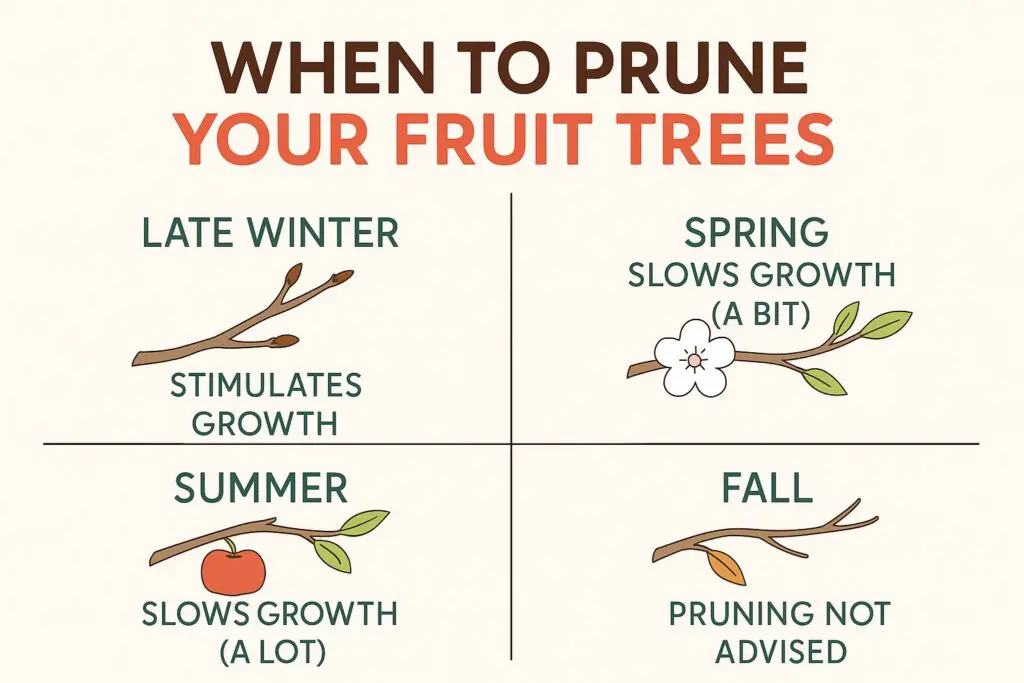
When it comes to pruning fruit trees, timing is crucial to ensure the health and productivity of the trees. There are specific situations when it is advisable to refrain from pruning, as doing so can lead to adverse effects. Here are some of the key instances when you should not prune fruit trees.
Pruning During Extreme Weather Conditions
Pruning fruit trees should be avoided during periods of extreme weather, such as heavy frost, extreme heat, or violent storms. These conditions can stress the tree and make it more susceptible to damage and diseases. When you prune during adverse weather, it can lead to:
- Increased vulnerability: Exposed cuts can suffer from frost damage or sunburn.
- Hindered healing: Trees may not recover properly from cuts in harsh conditions.
- Higher disease risk: Stress from weather can lead to an increased risk of pests and diseases.
Before the Trees Have Fully Leafed Out
Another crucial time not to prune is before the trees have fully leafed out in the spring. Pruning too early can disrupt the natural growth cycle of the tree. Key reasons to avoid this are:
- Reduced growth: Pruning when the buds are still dormant can slow down growth.
- Uncertain structure: It’s difficult to determine which branches to prune without the full foliage.
- Energy depletion: The tree may lose important energy reserves needed for growth.
During the Fruit Development Phase
Pruning during the fruit development phase, typically in late spring and summer, can lead to unintended consequences. This period should be avoided because:
- Fruit drop: Pruning can lead to stress and cause the tree to drop developing fruits.
- Energy diversion: The tree may redirect energy from fruit production to healing wounds.
- Impaired fruit quality: The remaining fruit may not develop properly due to shock.
When Trees Are Already Compromised
If a fruit tree is already suffering from disease or pest infestations, it is not advisable to prune. Pruning under these conditions can exacerbate issues due to stress on the tree. Important considerations are:
- Increased stress: Pruning can further weaken an already compromised tree.
- Spread of disease: Cutting can expose the tree to new infections.
- Pest attraction: Fresh cuts can attract pests if the tree is not healthy.
In Late Fall or Winter
Pruning in late fall or winter is often discouraged, especially in colder climates, due to the tree’s dormancy. This period should be avoided for several reasons:
- Frost damage: Pruned branches may be more susceptible to frost injury.
- Delayed recovery: Trees have limited ability to heal in colder temperatures.
- Disruption of dormancy: Pruning can disturb the natural dormancy cycle of the tree.
Can you prune a nectarine tree in summer?
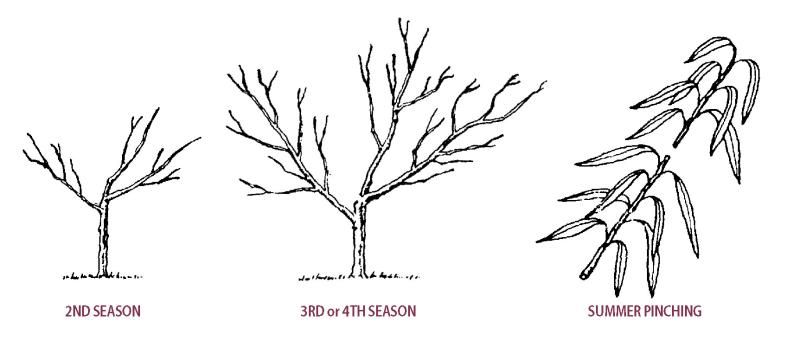
Yes, you can prune a nectarine tree in summer, but it is important to do it carefully and with a clear understanding of the tree's growth patterns. Summer pruning is often recommended for specific purposes, including managing the tree's size, improving sunlight penetration, and encouraging fruit production. This type of pruning differs significantly from winter pruning, which is typically more extensive.
Reasons for Summer Pruning
Summer pruning can be beneficial for several reasons:
- Control growth: Pruning in summer helps reduce excessive growth and maintain shape, preventing the tree from becoming overgrown.
- Improve air circulation: Pruning during this season increases air flow through the tree, which can help deter pests and diseases.
- Increase fruit quality: By removing certain branches, the tree can direct more energy toward producing larger and healthier fruit.
How to Prune a Nectarine Tree
When pruning a nectarine tree in summer, consider the following steps:
- Identify dead or diseased branches: Always start by removing any branches that are dead, diseased, or damaged to promote overall tree health.
- Thin out crowded areas: Selectively prune to open up the canopy, allowing sunlight to reach more parts of the tree.
- Trim for shape: Maintain the desired shape by cutting back excessive growth, focusing on maintaining a balanced structure.
Best Time for Summer Pruning
Timing is critical when it comes to summer pruning:
See also:
- Early to mid-summer: The best time to prune is typically between late June and early August, as the tree is actively growing but not yet in the most vigorous fruiting stage.
- Post-harvest period: If you are looking to prune after fruit has been harvested, you can do this to help prepare the tree for future seasons.
- Avoid hot days: It’s advisable to prune on cooler days or in the evening to reduce stress on the tree and minimize moisture loss.
Risks of Summer Pruning
While summer pruning can offer benefits, it also presents certain risks:
- Tree stress: Pruning during the growing season can stress the tree if too much foliage is removed at once.
- Increased sunburn risk: Sudden exposure to sunlight for previously shaded areas may lead to sunburn on the bark.
- Potential for pest attraction: Open wounds on the tree can attract pests and diseases if not managed properly.
Post-Pruning Care
After pruning, it’s essential to provide proper care for your nectarine tree:
- Watering: Ensure the tree receives adequate water to support new growth, especially during dry spells.
- Fertilization: Applying a balanced fertilizer can help rejuvenate the tree and support its recovery after pruning.
- Monitoring for pests: Keep an eye on the tree for any signs of pests or disease, and act quickly to manage any issues.
What months are best for tree trimming?

The best months for tree trimming largely depend on the type of trees and the specific climate of the region. Generally, the ideal time for trimming trees is during their dormant season, which is typically in late fall to early spring. Here are the best months for tree trimming based on different factors.
1. Dormant Season (Late Fall to Early Spring)
Trimming trees during their dormant season is highly beneficial. At this time, trees are not actively growing, which minimizes stress for the plant. The lack of foliage also allows for better visibility, making it easier to identify any branches that need removal.
- This period allows for healthy recovery once the growing season begins.
- Tree trimming during dormancy reduces the risk of disease and pest infestation.
- It enhances the tree's shape and structure, promoting stronger growth when spring arrives.
2. Ideal Months for Broadleaf Trees
For broadleaf trees, the best months for trimming are typically from November to March. This time frame allows for adequate time for healing before the trees begin to grow in the spring.
- Trimming in late fall can prepare trees for winter storms and prevent damage.
- Removing dead or diseased wood during dormancy promotes healthier growth.
- This timeframe helps improve air circulation and light penetration for overall tree health.
3. Best Time for Coniferous Trees
Coniferous trees, such as pines, often benefit from trimming in late winter to early spring, typically around February and March. This timing helps reduce sap loss and keeps the tree healthy.
- Trimming at this time helps maintain the natural shape of the tree.
- It minimizes damage to the tree, as they are less stressed when pruned just before the growing season.
- Improving light exposure can lead to better health and growth in the upcoming season.
4. Factors Influencing Trimming Timing
While the general guidelines are beneficial, various factors can influence the ideal months for tree trimming, including tree species, local climate, and specific conditions such as disease presence.
- Always consider local weather patterns as extreme temperatures may affect trimming efficiency.
- Different tree species may have unique needs for trimming times based on their growth cycles.
- Consulting a professional arborist can provide tailored advice for specific conditions.
5. Regional Considerations
Different regions experience varying climates, which can affect the best months for tree trimming. Areas with severe winters may require trimming to be done earlier than milder climates.
- Regions with late frosts may need to avoid trimming until the risk of frost has passed.
- In warm climates, some trees may have a different growing season, making late winter the best time for trimming.
- Understanding local environmental conditions can help in making optimal trimming decisions.
Questions from Our Readers
When is the best time to prune stone fruit trees in Australia?
Pruning stone fruit trees in Australia is typically recommended during the winter months, from June to August, when the trees are dormant. This helps minimize stress on the plants and allows for healthier growth in spring.
What are the signs that my stone fruit tree needs pruning?
You may notice that your stone fruit tree has dead or damaged branches, excessive crowding of limbs, or poor fruit production, indicating that pruning is needed to improve air circulation and facilitate growth.
Should I prune my stone fruit trees before or after flowering?
It is best to prune stone fruit trees before flowering, as this encourages better fruit production and allows for healthier blooms. Pruning after flowering can lead to the removal of potential fruits.
What tools do I need for pruning stone fruit trees?
Essential tools for pruning stone fruit trees include pruning shears, loppers, and a pruning saw. Ensure that all tools are sharp and clean to make precise cuts and reduce the risk of disease transmission.
See also:

If you want to read more articles like When to Prune Stone Fruit Trees in Australia: Essential Tips for Optimal Growth, we recommend you check out our Pruning category.
Leave a Reply
Related Articles