Ultimate Guide: When to Fertilize Citrus Trees in Australia for Optimal Growth
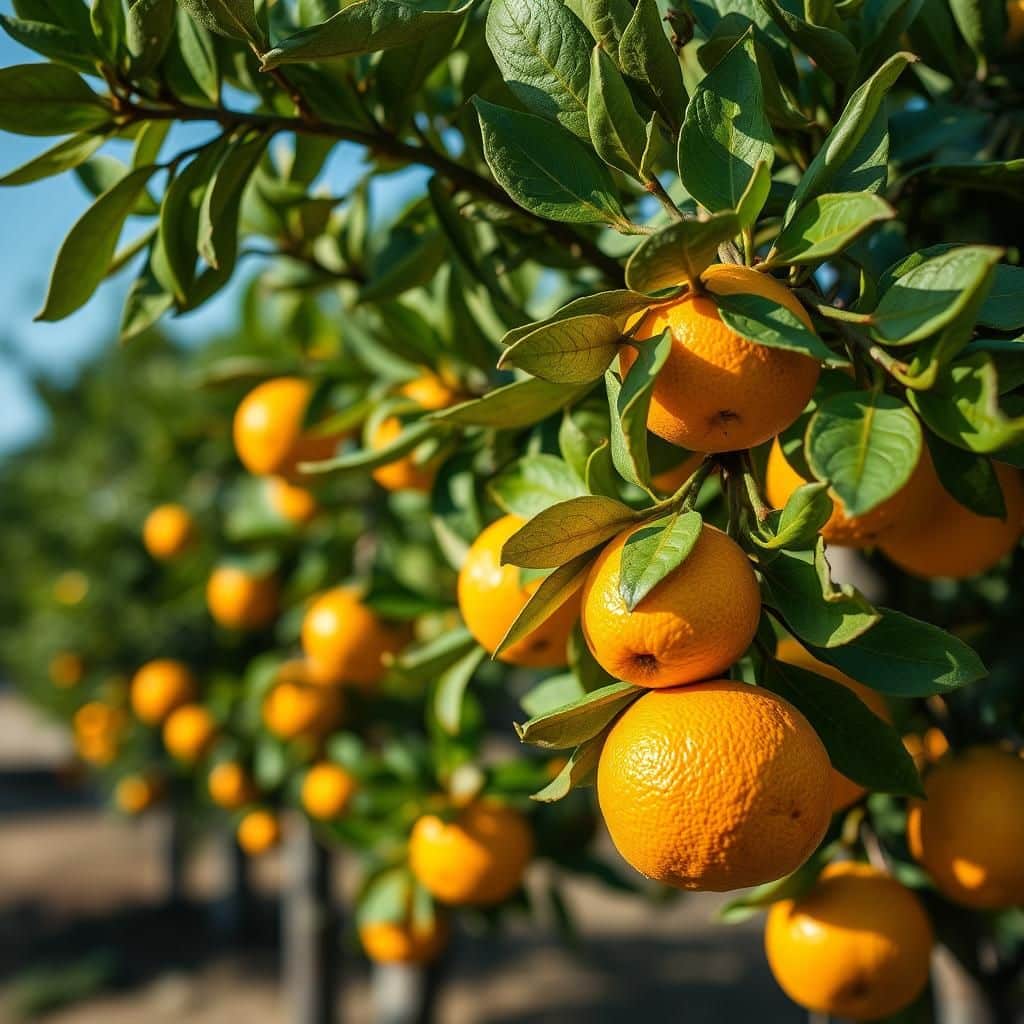
Fertilizing citrus trees is essential for promoting healthy growth and maximizing fruit production, especially in the diverse climates of Australia. Understanding the right timing and types of fertilizers can significantly impact the vitality of your citrus plants. This ultimate guide explores the optimal times to fertilize citrus trees, taking into account seasonal variations, soil conditions, and specific nutrient needs. By following these expert tips, you can ensure your citrus trees thrive, producing luscious, juicy fruits that reflect the best of Australia’s agricultural heritage. Join us as we delve into the key practices that will elevate your citrus gardening experience.
When to Fertilize Citrus Trees in Australia
In Australia, the ideal timing for fertilizing citrus trees largely depends on the local climate and the specific growth stages of the trees. Generally, the best times to apply fertilizer are at the beginning of spring, just before new growth begins, and again in late summer after the fruit has set. This timing helps to ensure that the trees receive the necessary nutrients when they are most actively growing. It's essential to monitor soil conditions and tree health, as applying too much fertilizer too late in the season can adversely affect the tree's performance and increase the risk of burning the roots.
Understanding Citrus Nutrient Requirements
Citrus trees require a balanced supply of nutrients including nitrogen, phosphorus, and potassium, as well as micronutrients like magnesium and iron. Knowing the specific requirements of your trees can aid in selecting the right fertilizer. A soil test is recommended to identify deficiencies and help tailor the fertilization schedule to address any nutrient gaps specifically suited for your tree's growth stage and fruit-bearing capacity.
Signs of Nutrient Deficiency
Identifying signs of nutrient deficiencies is crucial in determining when to fertilize. Common symptoms include yellowing leaves, stunted growth, and poor fruit quality. For instance, a deficiency in nitrogen can cause older leaves to turn yellow, while a lack of magnesium may result in interveinal chlorosis. Observing these symptoms can help you decide whether additional fertilizer is needed and if adjustments to your fertilization schedule are necessary.
Types of Fertilizers Suitable for Citrus Trees
In Australia, different types of fertilizers are available for citrus trees, including granular, liquid, and organic options. Granular fertilizers typically release nutrients slowly over time, making them suitable for less frequent applications. Liquid fertilizers provide an immediate nutrient boost, which can be beneficial during critical growth periods. Organic fertilizers such as compost or well-rotted manure improve soil health and provide essential nutrients sustainably.
Watering Practices Post-Fertilization
After fertilizing citrus trees, proper watering practices are essential to ensure that the nutrients are effectively absorbed. Adequate watering helps to dissolve the fertilizer and carry the nutrients down to the root zone. It's advisable to water the trees thoroughly after applying fertilizer, especially if rainfall isn't expected. Over-watering, however, can lead to root rot, so it’s essential to maintain a balance based on soil moisture levels and weather conditions.
Annual Fertilization Schedule for Citrus Trees
An annual fertilization schedule is crucial for maintaining the health of citrus trees. In most Australian regions, the first application of nutrients should occur in early spring as trees start to bud, followed by another in mid-summer. For young trees, smaller amounts of fertilizer can be beneficial, while mature trees may require higher quantities. The table below outlines a suggested fertilization schedule for citrus trees.
| Season | Recommended Action |
|---|---|
| Spring | Apply balanced fertilizer to boost new growth. |
| Summer | Supplement with additional nutrients post-fruit setting. |
| Autumn | Evaluate soil health and adjust watering as needed. |
| Winter | Limit fertilization and focus on tree maintenance. |
What months are best to fertilize citrus trees?

Citrus trees require specific fertilization timings to ensure optimal growth and fruit production. The best months to fertilize citrus trees typically vary based on the climate and specific species, but general recommendations suggest that the most suitable months are early spring and late summer.
Best Time for Spring Fertilization
Fertilizing citrus trees in early spring, generally around March or April, is effective for encouraging new growth. During this period, the tree begins to wake from dormancy and starts budding. Applying fertilizer at this time helps in increasing nutrient availability as the tree prepares for a productive growing season.
- Encourages new growth and flowering.
- Supports root development after winter dormancy.
- Enhances nutrient uptake during the growing season.
Importance of Late Summer Fertilization
Fertilizing again in late summer, especially in August, allows for sustained nutrient levels as the tree begins to produce fruit. This timing is crucial for ensuring that the tree has the necessary resources to support fruit development before the onset of cooler months.
- Bolsters fruit development and maturation.
- Prepares trees for dormant season with adequate nutrients.
- Improves overall tree health and resilience against pests and diseases.
Types of Fertilizers for Citrus Trees
Choosing the right type of fertilizer during these months can significantly impact the health of citrus trees. Balanced fertilizers that contain nitrogen, phosphorus, and potassium (N-P-K) are usually the best choices, ensuring that the trees receive a holistic nutrient profile.
- Granular fertilizers are commonly used for their ease of application.
- Liquid fertilizers provide quick nutrient uptake for immediate effects.
- Organic options like compost can improve soil health over time.
Signs That Your Citrus Trees Need Fertilization
Recognizing the signs that citrus trees need fertilization is vital for successful gardening. Symptoms such as yellowing leaves, poor fruit set, or stunted growth suggest nutrient deficiencies that can be addressed through proper fertilization practices.
- Yellowing leaves indicate a nitrogen deficiency.
- Poor fruit set may show a lack of essential nutrients.
- Stunted growth often reflects inadequate soil nutrition.
Factors Influencing Fertilization Timing
Various factors, including climate, soil type, and tree age, play a crucial role in determining the best fertilization timing. Adjusting the fertilization schedule based on these elements can vastly improve the health and productivity of citrus trees.
- Humidity and rainfall can affect nutrient absorption.
- Soil type influences how fertilizers interact with tree roots.
- Tree age can dictate nutrient needs and growth patterns.
When should citrus not be fertilized?
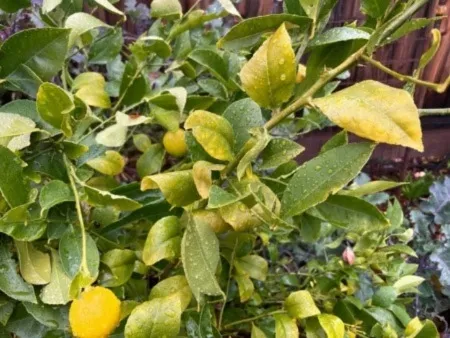
Citrus trees are known for their vibrant fruits and lush foliage, but knowing when not to fertilize these plants is crucial for their healthy growth. Fertilizing at the wrong time may lead to nutrient imbalances or harm the plant. Citrus trees should not be fertilized during specific periods and conditions:
See also:
1. During Dormancy:
Citrus trees typically enter a state of dormancy in the winter months. Fertilizing during this time can lead to nutrient wastage and can disturb the natural growth cycle of the tree. During dormancy, the plant’s nutrient uptake is significantly reduced, making it less effective to apply fertilizer.
Not During Winter Months
In most regions, winter is when citrus trees minimize their growth activities. Applying fertilizer in this period is unproductive as the trees are not actively using the nutrients. Care should be taken to defer fertilization until the spring.
- Reduced nutrient absorption
- Risk of nutrient leaching
- Possible root damage
2. After Heavy Rainfall:
Following significant precipitation, the soil becomes saturated, and nutrient runoff can occur. Fertilizing immediately after heavy rains can result in losing nutrients before the tree can absorb them, thus minimizing the effectiveness of the fertilizer applied.
Soil Saturation Conditions
When the soil is saturated with water, the roots of the citrus trees may struggle to uptake nutrients effectively. Additionally, the risk of leaching increases, leading to nutrient loss. Thus, it’s advised to wait until the soil has dried adequately.
- Leaching of nutrients
- Potential root rot
- Decreased fertilizer efficacy
3. In Extremely Hot Weather:
Fertilizing during extreme heat can stress citrus trees. High temperatures can curb the tree's ability to absorb water and nutrients, and adding fertilizer can exacerbate the stress already placed on the tree.
Hot Weather Considerations
In hot weather, fertilizer application can lead to burning of roots and foliage. Additionally, the tree may not be able to utilize the provided nutrients properly, which could negatively impact growth and fruit production.
- Root burn risk
- Water absorption issues
- Potential for decreased fruit yield
4. When Trees Are Under Pest or Disease Stress:
Fertilizing citrus trees that are suffering from pest infestations or diseases can be counterproductive. Under these conditions, the tree’s energy should focus on recovery and managing stress rather than on growth.
Pest and Disease Management
Applying fertilizer when a tree is under stress from pests or diseases can divert the energy away from fighting these issues. It's more beneficial to treat the underlying problems first before introducing any fertilizers.
- Energy diversion
- Potential for exacerbating stress
- Delayed recovery
5. During Flowering or Fruiting Stages:
While some fertilization can be helpful during the growth stages, applying fertilizer during heavy flowering or fruiting can induce excess vegetative growth at the expense of fruit development.
Flowering and Fruiting Phases
During flowering and fruiting, citrus trees benefit from a balanced ratio of nutrients. Excess fertilization in these phases can lead to overproduction of foliage instead of fruit, affecting overall yield and quality.
- Excess foliage production
- Reduced fruit quality
- Potential for nutrient imbalance
What does Epsom salt do for lemon trees?

Epsom salt, chemically known as magnesium sulfate, can have significant benefits for lemon trees. When applied correctly, it helps improve nutrient uptake and promotes healthy growth. Here are some specific ways Epsom salt benefits lemon trees:
- Enhances magnesium availability: Magnesium is crucial for chlorophyll production, which is essential for photosynthesis. This enhances the tree's ability to produce food effectively.
- Improves nutrient absorption: Epsom salt helps lemon trees absorb other nutrients, such as nitrogen and phosphorus, by improving their overall health and metabolic processes.
- Reduces leaf yellowing: A deficiency in magnesium can lead to yellowing leaves (chlorosis). Applying Epsom salt can mitigate this issue and restore vibrant green foliage.
- Encourages fruiting and flowering: By providing magnesium, Epsom salt can promote greater flower and fruit production in lemon trees, resulting in a more abundant harvest.
See also:
- Pest and disease resistance: Healthy trees are less susceptible to pests and diseases. By promoting overall vitality, Epsom salt indirectly helps lemon trees resist threats.
Benefits of Magnesium in Epsom Salt
Magnesium is a vital mineral that lemon trees need for various physiological processes. When magnesium is present in sufficient quantities, it facilitates chlorophyll synthesis, which is essential for photosynthesis. This process enables the tree to convert sunlight into energy more efficiently. A sufficient supply of magnesium ensures that lemon trees remain healthy and productive.
- Promotes photosynthesis
- Essential for enzyme activity
- Helps create cell membranes
Application Methods for Epsom Salt
To maximize the benefits of Epsom salt, it’s important to apply it correctly. Epsom salt can be applied in various ways, either as a soil amendment or through foliar feeding. For soil application, dissolve the salt in water and apply it directly to the base of the tree. For foliar feeding, a diluted solution can be sprayed on the leaves.
- Dissolving Epsom salt in water for direct soil application
- Mixing Epsom salt with water for foliar sprays
- Timing applications around blooming or fruiting stages
Signs of Magnesium Deficiency in Lemon Trees
Recognizing the symptoms of magnesium deficiency in lemon trees is crucial for timely intervention. Common signs include yellowing leaves, especially in older leaves, and a general lack of vigor in the tree. The leaves may also curl or develop a scorched appearance.
- Yellowing of older leaves
- Curling or distorted leaf edges
- Poor fruit development
Overall Health Improvement
Using Epsom salt contributes to the overall health of lemon trees. A healthy tree is more resilient against environmental stressors such as drought or extreme temperatures. Epsom salt strengthens metabolic functions, enhancing the tree's ability to withstand adverse conditions.
- Improved drought resistance
- Higher resilience against pests and diseases
- Enhanced metabolic functions
Timing and Frequency of Application
The timing and frequency of Epsom salt applications can greatly influence its effectiveness. It's often best applied during the early spring when the trees begin to show new growth. Depending on the tree’s health and soil quality, applications can be done every month or every few months.
- Spring application for new growth
- Summer application during fruiting
- Periodic applications based on soil tests
What is the best fertiliser for lemon trees?

To ensure that lemon trees thrive, the choice of fertiliser is crucial. The best fertiliser for lemon trees typically has a balanced ratio of nitrogen, phosphorous, and potassium (N-P-K). A common recommendation is to use a fertiliser formulated with an N-P-K ratio around 6-6-6 or 8-2-10, which promotes healthy leaf growth, flowering, and fruit production. Organic options, such as well-rotted compost or specific citrus fertilisers, can also be highly effective.
Benefits of Using Citrus-Specific Fertilisers
Citrus-specific fertilisers are designed to meet the unique nutritional needs of lemon trees. These products often contain essential micronutrients like iron, zinc, and magnesium that are vital for chlorophyll production and overall tree health.
- Enhanced Fruit Quality: These fertilisers boost sugar content, improving the taste.
- Leaf Greenery: They promote a vibrant green foliage essential for photosynthesis.
- Resistance to Pests: Healthy trees are better at fending off pests and diseases.
Organic Fertiliser Options for Lemon Trees
Using organic fertilisers can be an excellent way to provide nutrients to lemon trees without synthetic chemicals. These options improve soil health and encourage beneficial microbes which enhance nutrient uptake.
- Compost: Rich in nutrients, it helps retain moisture and enriches the soil.
- Bone Meal: A great source of phosphorous which supports root development and flowering.
- Fish Emulsion: Provides a quick nutrient boost and is high in nitrogen.
How to Determine the Right Fertiliser Schedule
The timing of fertilisation is just as crucial as the type used. Lemon trees benefit from a regular feeding schedule during their active growing season to provide the nutrients needed for optimal growth and fruiting.
- Spring Application: Fertilising in spring promotes new growth as the tree comes out of dormancy.
- Mid-Summer Boost: A second round of fertilisation can help sustain growth into the heat of summer.
- Avoid Late-Fall Fertilisation: Feeding too late can encourage new growth that is vulnerable to frost.
Signs of Nutrient Deficiency in Lemon Trees
Recognizing the signs of nutrient deficiency can help you address issues before they affect the health of your lemon trees. Common symptoms include yellowing leaves, stunted growth, and poor fruit development.
- Chlorosis: Yellowing of leaves usually indicates a lack of nitrogen or iron.
- Weak Growth: Short stature or sparse foliage may suggest inadequate nutrients.
- Misshapen Fruit: Deformed or small fruit can be a sign of insufficient phosphorous.
Tips for Applying Fertiliser to Lemon Trees
Proper application techniques can enhance the effectiveness of the fertiliser and minimize waste. Following these tips will help ensure that lemon trees receive the nutrients they need efficiently.
- Even Distribution: Spread fertiliser evenly around the root zone to prevent burning.
- Water After Application: Irrigation helps dissolve and distribute nutrients into the soil.
- Avoiding Contact: Keep fertiliser away from the trunk to prevent injury to the tree.
Questions from Our Readers
When is the best time to fertilize citrus trees in Australia?
The best time to fertilize citrus trees in Australia is typically in spring and autumn. This is when the trees are actively growing, allowing them to take full advantage of the nutrients. It's important to apply fertilizer just before the growing season starts to support healthy growth and fruit production.
What type of fertilizer should I use for citrus trees?
For citrus trees, a balanced fertilizer with a ratio of N-P-K (nitrogen, phosphorus, and potassium) like 8-2-10 or similar is recommended. Additionally, incorporating micronutrients such as magnesium, zinc, and iron can enhance fruit quality and tree health, ensuring your citrus trees thrive.
How often should I fertilize my citrus trees?
Citrus trees should be fertilized twice a year, once in early spring and once in autumn. This schedule provides essential nutrients throughout the growing season while minimizing the risk of over-fertilization, which can be detrimental to tree health.
See also:
Can I use organic fertilizers for my citrus trees?
Yes, you can definitely use organic fertilizers for your citrus trees. Options like compost, aged manure, and specific organic citrus fertilizers are beneficial as they improve soil quality and provide a slow release of nutrients. These organic options can lead to healthier trees and improved fruit flavor.

If you want to read more articles like Ultimate Guide: When to Fertilize Citrus Trees in Australia for Optimal Growth, we recommend you check out our Fertiliser category.
Leave a Reply
Related Articles