When's the best time to irrigate your lawn? Expert Tips for Optimal Lawn Care
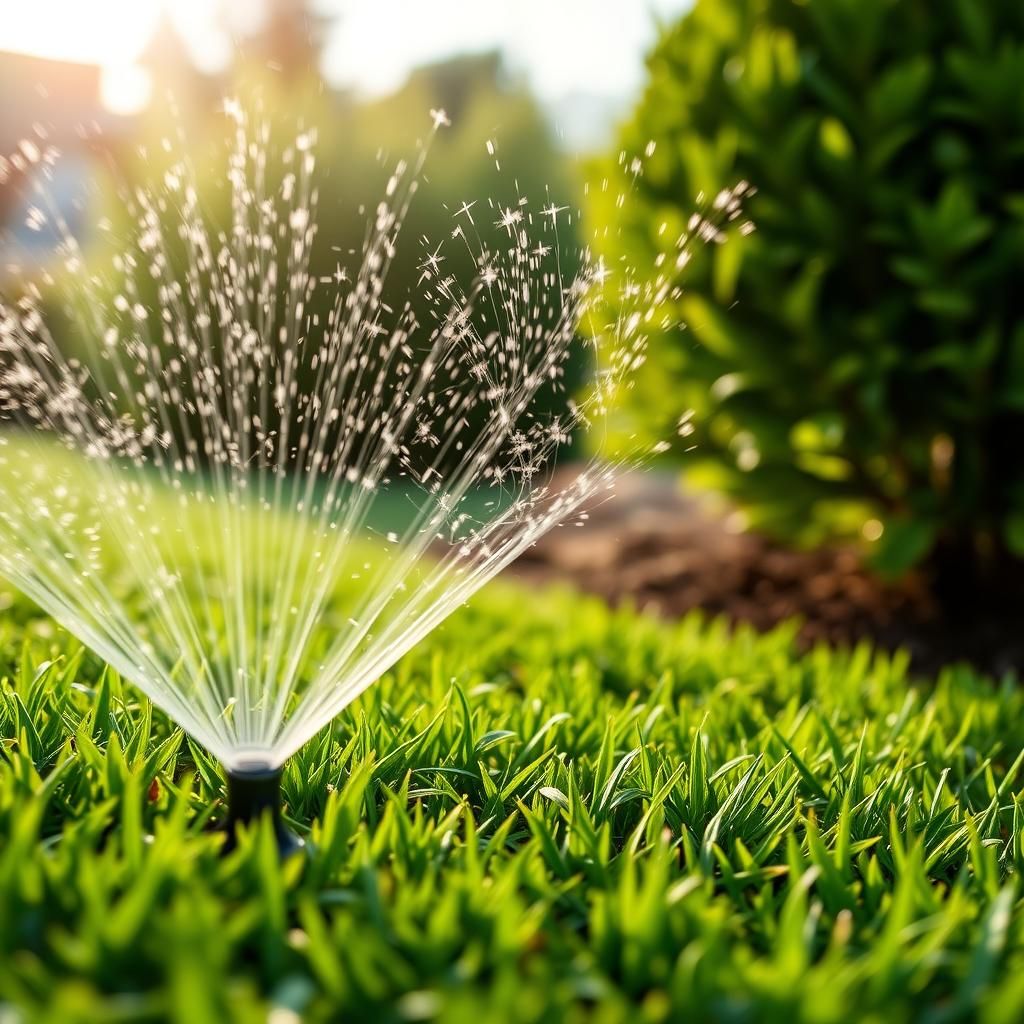
Irrigating your lawn at the right time is crucial for maintaining a lush, healthy landscape. Understanding the best times to water not only promotes optimal growth but also conserves water and reduces waste. Factors such as climate, soil type, and grass species play significant roles in determining your lawn's watering needs. In this article, we will explore expert tips and insights on when to irrigate your lawn for maximum effectiveness. By following these guidelines, you can ensure that your grass remains vibrant and resilient throughout the seasons, ultimately enhancing the beauty and health of your outdoor space.
When is the Optimal Time to Water Your Lawn?
Watering your lawn at the right time is crucial for maintaining a healthy and vibrant landscape. The best time to irrigate your lawn is early in the morning, ideally between 5 a.m. and 10 a.m. During these hours, temperatures are cooler, and winds are typically calmer, which limits evaporation. This allows the grass to absorb more moisture before the heat of the day kicks in, promoting deep root growth and reducing the risk of disease. Additionally, watering in the morning gives the grass blades time to dry out, which helps prevent fungal problems associated with prolonged moisture.
Benefits of Morning Irrigation
Irrigating your lawn in the morning has several benefits, including better water absorption and reduced disease risk. Early watering ensures that the grass receives adequate moisture before the heat of the day. This helps to prevent water loss due to evaporation, which is common when watering during the hotter parts of the day. Additionally, grass blades can dry quickly after morning watering, minimizing the chances of developing mold or fungus, thus maintaining a healthier lawn.
Impact of Evening Watering
While watering in the evening might seem convenient, it can have negative effects on your lawn. Watering at this time means that the grass may stay moist overnight, creating a perfect environment for fungal diseases to thrive. The moisture retained through the night can also lead to other issues, such as pest infestations and reduced grass health. Therefore, if evening watering is necessary, it is advisable to do so earlier to give the lawn enough time to dry before nightfall.
How Weather Conditions Affect Irrigation
Weather conditions significantly impact the effectiveness of your irrigation schedule. On windy days, watering in the morning may still result in some losses due to evaporation, while watering during the afternoon when temperatures are high can lead to even more significant water loss. Rainy weather can adjust your irrigation needs as well; after a rainfall, the soil might be adequately moistened, thus reducing the necessity to water. It's essential to monitor local weather forecasts to adjust your irrigation plans accordingly.
See also:
Soil Type and Irrigation Timing
The type of soil in your lawn can also influence the best time to water. Sandy soils tend to drain quickly, requiring more frequent irrigation, often in the morning to prevent dryness. In contrast, clay soils retain moisture for longer periods, making them less responsive to mid-day watering. Understanding your lawn's soil type can help in creating an effective watering schedule. Different soil textures will require adjustments in how much and how often you should water.
Best Practices for Lawn Irrigation
Implementing effective watering practices can optimize your lawn's health. Aiming for a deeper irrigation strategy, such as delivering 1 to 1.5 inches of water per week in increments, can encourage deep root growth. Using a timer can also help regulate watering times, ensuring that your lawn receives consistent moisture without overwatering. Additionally, incorporating methods like using soaker hoses or drip irrigation can provide targeted watering, which is particularly efficient in conserving water and promoting a greener lawn.
| Time of Day | Pros | Cons |
|---|---|---|
| Morning | Reduced evaporation, healthier grass | Requires early wake-up |
| Afternoon | Convenient for some homeowners | High evaporation loss, stress on grass |
| Evening | No immediate evaporation | Increased fungal disease risk |
Understanding Soil Moisture Levels for Effective Irrigation
Monitoring soil moisture levels is crucial for determining the optimal time to irrigate your lawn. It ensures that you apply water only when necessary, helping to conserve resources and promote a healthy root system. A soil probe or moisture meter can assist in gauging the moisture content, allowing you to customize your irrigation schedule based on the unique needs of your lawn and fluctuating weather conditions. This approach not only enhances the sturdiness of your grass but also reduces the risk of overwatering, which can lead to problems such as root rot and the proliferation of pests.
Best Times of Day to Water Your Lawn
Watering your lawn during the early morning is considered the best practice, as temperatures are cooler and winds are typically calmer. This timing allows for maximum absorption before the heat of the day causes evaporation, leading to efficient use of water. Moreover, watering in the morning helps avoid the risk of fungal diseases that can develop when grass stays wet overnight.
How Weather Affects Lawn Irrigation
Understanding the impact of weather on lawn care is essential for effective irrigation. For instance, after a significant rainfall, the soil may already be sufficiently moist, negating the need for immediate watering. On the other hand, during hot or windy days, lawns may require additional irrigation to compensate for moisture loss. Regularly checking the forecast can help you adjust your irrigation schedule accordingly and ensure that your lawn remains healthy and hydrated.
See also:
The Role of Grass Type in Irrigation Timing
The type of grass in your lawn significantly influences its water requirements. Cool-season grasses generally thrive in the spring and fall and may need less frequent watering during their dormant summer period. Conversely, warm-season grasses prefer the hot summer months and may require more frequent irrigation. Understanding the specific needs of your grass type will help you determine the most effective irrigation strategy tailored to its growth cycle.
Signs of Underwatering and Overwatering
Being able to identify the signs of underwatering and overwatering is vital for maintaining a healthy lawn. Symptoms of underwatering include yellowing blades, wilting, and a generally dull appearance. In contrast, overwatering can lead to soft, mushy patches, the presence of mushrooms, and even a weed infestation. Regularly observing your lawn can help you adjust your irrigation practices to promote the best health and beauty.
Irrigation Techniques for Optimal Lawn Health
Employing effective irrigation techniques can greatly enhance the health of your lawn. Methods such as drip irrigation and soaker hoses deliver water directly to the soil, reducing evaporation and ensuring deeper penetration. Traditional sprinklers can also be optimized by adjusting the spray pattern and duration. Understanding these techniques enables homeowners to provide precise watering that caters to their lawn's specific needs, allowing for a flourishing landscape while minimizing water waste.
Questions from Our Readers
When is the ideal time of day to irrigate my lawn?
The ideal time to irrigate your lawn is in the early morning, typically between 4 AM and 10 AM. Watering during this time allows the grass to soak up the moisture before the heat of the day causes evaporation, ensuring that the water reaches the roots effectively.
How often should I water my lawn?
You should water your lawn about once or twice a week, providing deep irrigation to encourage deep root growth. Adjust the frequency based on rainfall, temperature, and the specific needs of your grass type to maintain a healthy lawn throughout the growing season.
See also:
What are the signs that my lawn needs to be watered?
Signs that your lawn needs watering include brown patches, a dry appearance, and grass blades that are folded or curling. If you walk on the lawn and it doesn't spring back, it's a clear indication that your lawn is thirsty and needs irrigation.
Can I overwater my lawn?
Yes, overwatering can lead to several issues, including root rot and the development of fungi. It's essential to monitor the moisture levels and adjust your irrigation schedule to avoid saturating the soil or causing runoff, as this can harm your lawn's overall health.

If you want to read more articles like When's the best time to irrigate your lawn? Expert Tips for Optimal Lawn Care, we recommend you check out our Irrigation category.
Leave a Reply
Related Articles