When is the Best Time to Plant Lavender in Australia? A Seasonal Guide for Gardeners
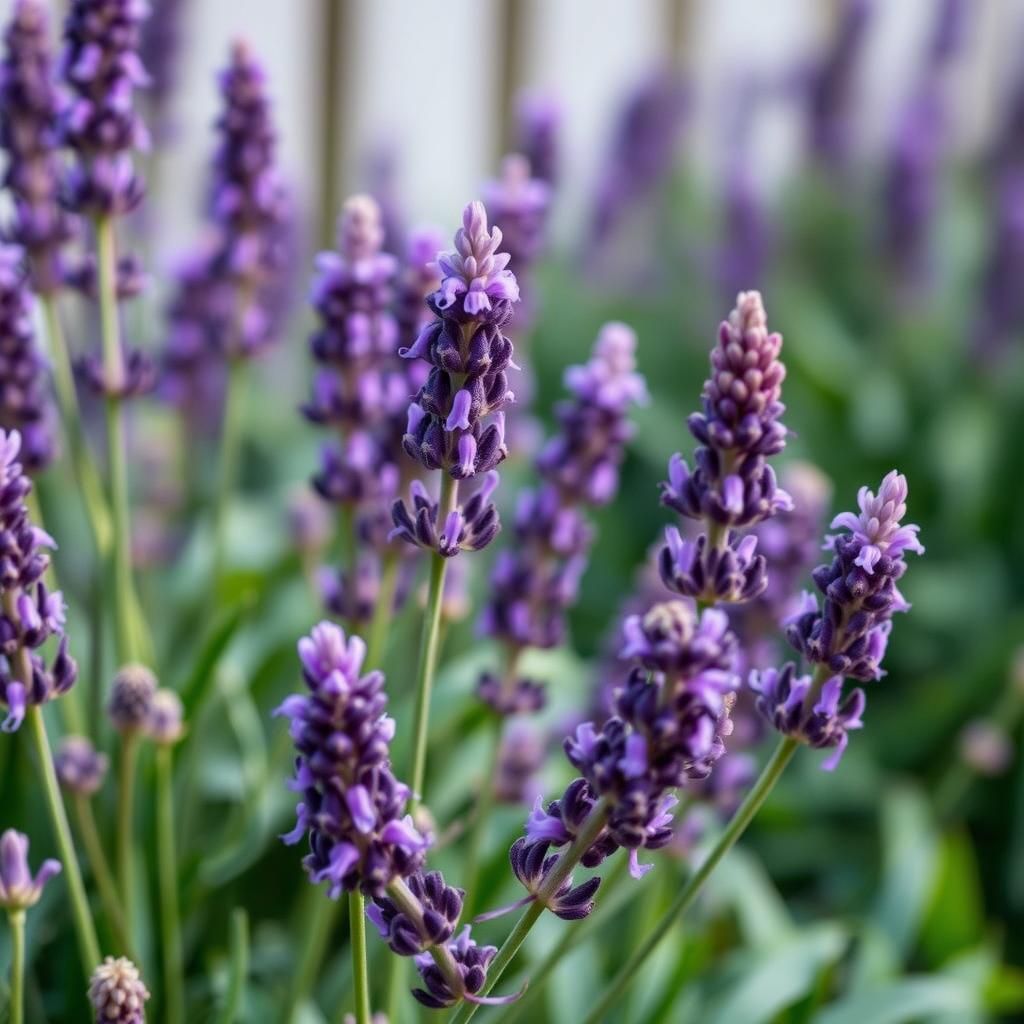
Lavender is a beloved aromatic plant known for its vibrant flowers and soothing fragrance. In Australia, the optimal time to plant lavender can vary significantly based on climate and regional conditions. Understanding the seasonal cycles and the specific requirements of lavender is crucial for gardeners looking to achieve robust growth and stunning blooms. This article serves as a comprehensive guide to help you determine the best time to plant lavender across different Australian climates, taking into account factors such as soil type, temperature, and rainfall. By following this seasonal guide, you can cultivate a healthy and thriving lavender garden.
Best Time to Plant Lavender in Australia
Planting lavender in Australia requires careful consideration of the climate and seasonality to ensure optimal growth. The best time to plant lavender is during the spring, specifically from September to November, when the soil starts to warm up. This allows the lavender plants to establish their root systems before the harsh summer heat arrives. In northern regions, you can also plant in late autumn, but avoiding frost is crucial. Choosing the right time not only promotes healthy growth but also enhances the plant's fragrance and overall vigor.
Understanding the Climate in Australia
Australia's climate can vary significantly, ranging from tropical in the north to temperate in the south. Understanding this variation is key to determining when to plant lavender. In regions with milder winters and warm summers, such as parts of Queensland and New South Wales, lavender can thrive with appropriate planting times adjusted accordingly. Conversely, coastal areas may experience higher humidity which can affect lavender's growth, making spring the most suitable time for planting.
Soil Conditions for Lavender
Lavender prefers well-drained, sandy to loamy soils with a pH level between 6.0 and 7.5. Before planting, it is advisable to amend the soil to improve drainage and fertility. Testing the soil and adding amendments such as lime or organic matter can help create an optimal environment. Planting lavender during spring allows time for the soil to warm and for the necessary changes to take effect, resulting in healthier plants.
Choosing the Right Variety
There are several varieties of lavender suited for cultivation in Australia, including English Lavender (Lavandula angustifolia) and French Lavender (Lavandula dentata). Each variety has its own growth requirements and resilience to climatic conditions. When selecting a variety, consider your local climate, as some lavenders are more tolerant to heat while others prefer cooler temperatures. Spring planting is ideal as it gives the chosen variety the necessary time to acclimatize.
See also:
Pest and Disease Management
During the spring planting period, it is important to monitor for pests and diseases that can affect lavender growth. Common issues include aphids and root rot caused by overwatering and poor drainage. Ensuring proper spacing and air circulation among plants minimizes the likelihood of disease. Spring planting allows gardeners to establish a robust health-monitoring routine throughout the growing season.
Watering and Maintenance
After planting lavender in spring, a careful watering regimen is essential for establishing new plants. During the first few weeks, lavender should be watered regularly but be sure not to overwater, as this can lead to root rot. Once established, lavender is quite drought-resistant and requires minimal watering. Regular maintenance, including pruning and deadheading flowers, will ensure continued growth and flowering throughout the summer months.
| Best Time to Plant | Regions | Soil Type | Pest Management |
|---|---|---|---|
| Spring (September to November) | All areas, adjust for climate | Sandy to loamy, well-drained | Monitor for aphids and root rot |
| Autumn (for some regions) | North Australia but avoid frost | pH between 6.0 and 7.5 | Ensure good air circulation |
Understanding Lavender Varieties for Optimal Planting
Planting lavender in Australia requires an understanding of the various lavender varieties, as each has unique growth patterns and climate preferences. The most common types such as English lavender (Lavandula angustifolia) thrive in cooler southern climates, making late summer or early spring the best times for planting. In contrast, French lavender (Lavandula dentata) is more suited for warmer, northern regions and can be planted in autumn or spring. The timing of planting also greatly depends on local weather conditions, as well as the specific soil quality and drainage capabilities of your garden.
Best Climatic Conditions for Lavender
Lavender benefits from a Mediterranean climate, which means it flourishes in areas with hot, dry summers and mild winters. In Australia, this is typically found in the southern regions, particularly in places like Victoria and Tasmania. Ensuring your lavender plants receive at least 6-8 hours of sunlight each day is crucial for their health. Moreover, they require well-draining soils to prevent root rot, so it's important to amend the soil with sand or gravel if necessary.
Soil Preparation Techniques
Before planting lavender, it's essential to prepare the soil properly. Loamy, well-draining soil is ideal, as it allows for proper root development. Conduct a soil test to check for pH levels; ideally, lavender prefers a slightly alkaline soil, around pH 6.5 to 7.5. Incorporate organic matter like compost or well-rotted manure to enhance nutrient levels while ensuring the drainage is optimal by adding sand or perlite. This preparation not only supports healthy growth but also augments the plant's fragrance and oil production.
See also:
Watering and Irrigation Strategies
Once lavender is planted, implementing appropriate watering strategies is critical. Initially, young plants should be watered regularly until they're established, which typically takes about two to three weeks. However, once mature, lavender is quite drought-tolerant. It’s essential to avoid overwatering, as this can lead to issues like root rot. Instead, consider using a drip irrigation system or soaker hoses to provide moisture directly to the roots while keeping the foliage dry, thus mimicking its native environment.
Fertilization Recommendations
Lavender generally requires minimal fertilization to thrive; however, it can benefit from a light application of fertilizer early in the growing season. Use a low-nitrogen fertilizer to avoid excessive foliage growth at the expense of blooms. Organic fertilizers, such as bone meal or fish emulsion, can enhance soil health without overpowering the plants. Fertilizing too late in the season may interfere with the plant's natural winter dormancy, so timing is crucial for optimal blooming.
Seasonal Pest and Disease Management
Seasonal awareness of potential pests and diseases is essential for maintaining healthy lavender plants. Common issues include aphids and spider mites, which can be managed through regular inspection and the application of insecticidal soap if necessary. Furthermore, ensuring proper air circulation around the plants can help prevent fungal diseases like root rot and powdery mildew. Regular pruning not only improves airflow but also encourages bushier growth and more abundant flowering, especially during the spring.
Questions from Our Readers
When is the best time to plant lavender in Australia?
The best time to plant lavender in Australia is typically during the spring months of September to November. This timing allows the plants to establish their roots before the hotter summer months. Additionally, planting in spring takes advantage of the mild weather and optimal rainfall, promoting healthier growth.
What is the ideal climate for growing lavender in Australia?
Lavender thrives in dry, sunny conditions and is best suited for areas with low humidity and well-draining soil. In Australia, it can be grown in a variety of climates, but it particularly flourishes in the Mediterranean regions where summer temperatures are warm and winters are mild.
See also:
How much sunlight does lavender need?
Lavender requires at least 6 to 8 hours of direct sunlight each day to grow properly. This is essential for healthy flowering and overall plant vigor. If the plant does not receive enough light, it may become leggy and fail to bloom adequately.
Can I plant lavender in winter in Australia?
While it is not the typical time to plant lavender, you can plant it in mild winter climates, particularly in areas where the frost risk is low. Ensuring proper protection during cold snaps and making sure the soil is well-drained is crucial for success if you choose to plant in winter.

If you want to read more articles like When is the Best Time to Plant Lavender in Australia? A Seasonal Guide for Gardeners, we recommend you check out our Gardeners category.
Leave a Reply
Related Articles