When Do Cymbidium Orchids Flower in Australia? A Complete Guide to Their Blooming Season

Cymbidium orchids are renowned for their stunning blooms and vibrant colors, making them a popular choice among gardeners and orchid enthusiasts in Australia. Understanding when these beautiful flowers bloom is essential for optimal care and display. This comprehensive guide will explore the blooming season of Cymbidium orchids in Australia, discussing the environmental factors that influence their flowering, the best cultivation practices, and tips on how to extend their blooming period. Whether you are a seasoned horticulturist or a novice looking to enhance your garden, this guide will provide the knowledge you need to enjoy these exquisite orchids year-round.
When do Cymbidium Orchids Flower in Australia?
Cymbidium orchids typically flower in Australia from late winter to early spring, generally between July and September. This blooming period is influenced by the subtropical and temperate climates in various regions of Australia. The careful balance of temperature and light exposure during these months prompts the growth of vibrant flower spikes. Growers often optimize conditions to ensure that these stunning orchids produce abundant blooms, making it a favorite time for enthusiasts to enjoy their breathtaking colors and forms while showcasing their horticultural skills.
Optimal Growing Conditions
To achieve the best flowering in Cymbidium orchids, it is crucial to provide optimal growing conditions. These orchids thrive in bright, indirect sunlight and prefer temperatures ranging from 22°C to 30°C during the day and slightly cooler at night. Adequate humidity levels around 40% to 60% and proper airflow are also important to prevent disease, ensuring healthy growth and vibrant blooms during their flowering period. Adequate fertilization during their active growth phase enhances their ability to produce beautiful flowers.
Factors Affecting Flowering Time
Various factors can affect the flowering time of Cymbidium orchids, including temperature, light, and moisture levels. For instance, an early warmth in winter can trigger premature buds, while prolonged cold spells may delay flowering. Additionally, the light exposure during this period plays a pivotal role, as Cymbidium orchids require longer daylight hours to stimulate blooming. Therefore, it is essential for growers to monitor these environmental factors to predict and manage flowering accordingly.
Watering Practices during Flowering
Proper watering is essential during the flowering stage of Cymbidium orchids. The plant should be watered regularly but not excessively, allowing the potting media to dry out slightly between waterings. Overwatering can lead to root rot, while underwatering may result in dormant or poor flowering. During the blooming period, it's advisable to use rainwater or distilled water, as these options are less likely to contain harmful chemicals that could negatively impact the flowers' appearance.
Common Pests and Diseases
Cymbidium orchids can be susceptible to various pests and diseases that can hinder blooming. Common pests include aphids, scale insects, and mealybugs, which can sap the plant's strength and vitality. Regular inspection and maintaining clean growing conditions can help to prevent infestations. Furthermore, diseases like root rot and gray mold can occur due to excessive moisture or poor air circulation, thereby affecting the overall health and flowering potential of the plant.
Post-Bloom Care
After the blooming period, appropriate post-bloom care is vital for the continued health of Cymbidium orchids. Pruning spent flowers and any damaged foliage encourages new growth and prepares the plant for the next blooming cycle. Maintaining proper humidity and light levels during the dormant period is important, along with adjusting watering practices to prevent any stress to the plant. Following these practices ensures that the orchids can store energy for their next cycle of spectacular blossoming.
| Factor | Optimal Range |
|---|---|
| Temperature | 22°C to 30°C |
| Humidity | 40% to 60% |
| Watering Frequency | Allow to dry between waterings |
| Light Condition | Bright, indirect sunlight |
What time of year do Cymbidium orchids flower?
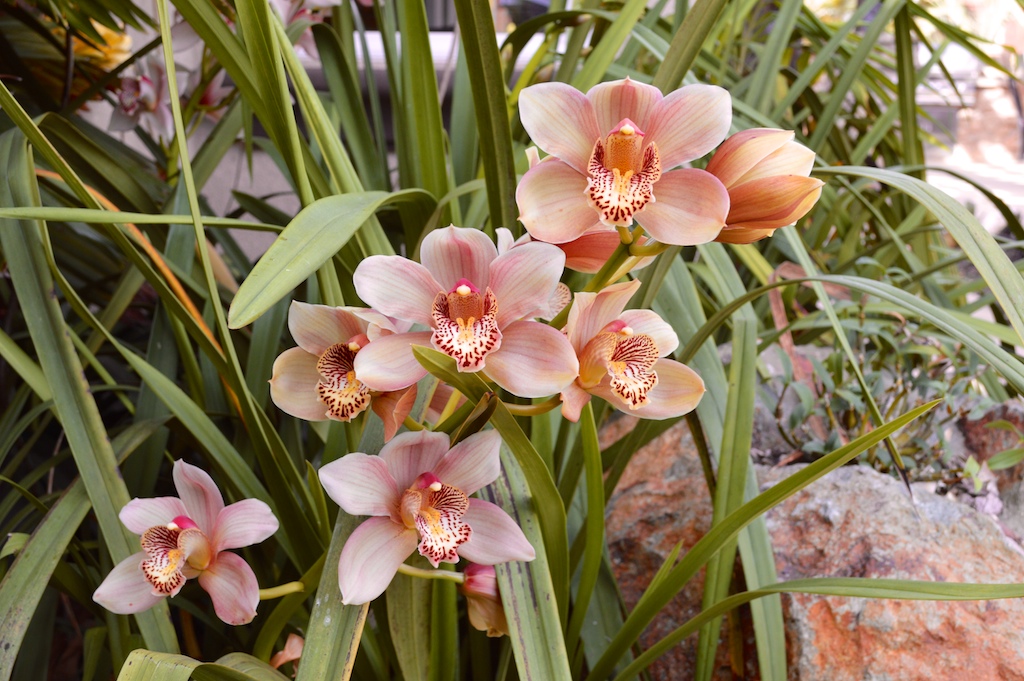
Cymbidium orchids typically flower during the late winter to early spring months, specifically from January to April. The timing can vary somewhat based on the specific species of Cymbidium and the growing conditions they are subjected to, such as temperature and light exposure. However, most growers find that providing specific environmental cues can stimulate flowering in these beautiful orchids.
Cymbidium Orchid Flowering Cycle
Cymbidium orchids have a flowering cycle that generally aligns with their natural habitat's climate. In their native environments, these orchids experience cold winters that trigger their bloom periods.
See also:
- Pre-Bloom Phase: This phase occurs during the fall, where the plant prepares for dormancy.
- Winter Stimulus: A drop in temperature and shorter day lengths during winter triggers the plant to start forming flower spikes.
- Blooming: The actual blooming happens from late winter into early spring, showcasing their stunning flowers.
Influence of Temperature on Flowering
Temperature plays a crucial role in determining the exact blooming time of Cymbidium orchids. These orchids thrive in cooler conditions, which mimic their natural habitat.
- Optimal Temperature: Nights should be cooler (around 50-55°F or 10-13°C) to induce flower spikes.
- Daytime Temperatures: Day temperatures can be warmer (around 70-80°F or 21-27°C) to support growth without stressing the plant.
- Heat Stress: Excessive heat can hinder blooming, causing stress in the plant.
Light Requirements for Blooming
Light is another critical factor that influences the flowering cycle of Cymbidium orchids. Proper light exposure is essential for healthy growth and abundant blooms.
- Bright Indirect Light: Cymbidiums thrive in bright, indirect light to prevent leaf burn.
- Supplemental Lighting: During shorter winter days, supplemental lighting can help encourage blooming.
- Monitoring Light Levels: Ensuring adequate light during the fall is crucial for initiating the flower spikes in winter.
Cultural Practices to Promote Flowering
Growers can adopt certain cultural practices to enhance the likelihood of blooming in Cymbidium orchids. These practices can lead to more spectacular flower displays.
- Fertilization: Using a balanced fertilizer during the growing season supports plant vitality.
- Watering Schedule: Regular watering without waterlogging keeps roots healthy but dry spells can trigger blooming.
- Repotting: Repotting every couple of years can renew soil and encourage more vigorous growth.
Seasonal Variances in Blooming
There can be seasonal variances in the blooming times of Cymbidium orchids, influenced by local climate conditions and specific care practices.
- Microclimates: Indoor environments may lead to earlier blooms than outdoors due to controlled temperatures.
- Geographic Location: Orchids grown in warmer climates may bloom earlier compared to those in cooler areas.
- Species Differences: Some Cymbidium species may have unique blooming patterns, with certain hybrids flowering at different times.
Why isn't my Cymbidium orchid flowering?

Cymbidium orchids are known for their stunning, long-lasting flowers, but it can be frustrating when they fail to bloom. There are several factors that can impact their flowering cycle. Here are some common reasons why your Cymbidium orchid may not be flowering, as well as tips to encourage blooming:
Light Conditions
Cymbidium orchids require adequate light to flower effectively. Insufficient light can result in poor growth and lack of blooms.
- Location: Place your Cymbidium in a location where it receives bright, indirect sunlight. Direct sun can scorch the leaves, while too little light can inhibit blooming.
- Light Duration: Aim for 10-12 hours of light exposure each day. Using a grow light may be beneficial during darker months.
- Adjusting Seasons: In winter, these orchids might need more light as natural sunlight diminishes.
Temperature Requirements
Temperature plays a crucial role in the flowering cycle of Cymbidium orchids. They thrive in a specific range of temperatures to initiate blooming.
- Daytime Temperature: Ideally, daytime temperatures should be between 65°F to 75°F (18°C to 24°C).
- Nighttime Temperature: A drop to 50°F to 60°F (10°C to 15°C) at night can help trigger flowering.
- Temperature Fluctuations: Consistent temperature changes can stress the plant and prevent it from blooming.
Watering Practices
Watering is essential for the health of your Cymbidium orchid, but overwatering or underwatering can lead to problems that affect blooming.
- Watering Frequency: Water thoroughly when the top inch of the soil feels dry. Typically, this means watering every 7 to 10 days.
- Drainage: Ensure that the pot has adequate drainage. Standing water can lead to root rot and hinder flowering.
- Humidity Levels: Cymbidiums prefer humidity levels around 40-60%. Consider using a humidity tray or misting the leaves.
Fertilization Techniques
Proper fertilization is key to encouraging blooms in Cymbidium orchids. An imbalance in nutrients can hinder flowering.
See also:
- Fertilizer Type: Use a balanced orchid fertilizer (like a 30-10-10 or 20-20-20) during the growing season.
- Fertilizing Schedule: Fertilize every two to four weeks during the spring and summer, reducing frequency in fall and winter.
- Flush with Water: Once every month, flush the potting medium with water to remove any excess salts from fertilizers.
Repotting Needs
Repotting can affect the health and blooming potential of Cymbidium orchids. An unhealthy root system can inhibit flowering.
- Frequency: Repot every 1 to 2 years to refresh the potting medium and provide adequate space for root growth.
- Choosing Medium: Use a well-draining orchid mix, which promotes airflow and prevents root rot.
- Inspecting Roots: Check for any rot or damage and trim unhealthy roots before repotting.
Do Cymbidium orchids like sun or shade?

Cymbidium orchids thrive best in conditions that strike a balance between sun and shade. While they do enjoy bright light, too much direct sunlight can scorch their leaves. Therefore, the ideal setup for Cymbidium orchids is to provide them with filtered light or partial shade, especially during the hottest parts of the day. Placing them in a spot where they receive indirect light for most of the day will help to promote healthy growth and flowering.
Light Requirements
Cymbidium orchids, compared to other orchids, have specific light requirements that must be met for optimal growth.
- They prefer bright, indirect light.
- Avoid prolonged direct sunlight, which can lead to leaf burn.
- Placing them near a window with filtered sunlight is often ideal.
Temperature Considerations
Temperature plays an essential role in the well-being of Cymbidium orchids, influencing their light requirements significantly.
- Cymbidiums thrive in temperatures between 60°F and 75°F.
- They benefit from cooler temperatures at night, which can enhance blooming.
- Excessive heat may cause them to seek shelter from the sun, requiring more shade.
Humidity and Airflow
Besides light, humidity and airflow also contribute to the successful cultivation of Cymbidium orchids.
- They prefer moderate to high humidity levels.
- It’s important to ensure good air circulation around the plants.
- Consider using a humidity tray or misting during dry periods for optimal health.
Potting and Soil Considerations
The potting medium and how you pot your Cymbidium can affect how it interacts with light.
- Use a well-draining orchid potting mix to prevent root rot.
- Ensure pots have adequate drainage holes for excess water.
- Repotting every couple of years helps refresh the soil and supports growth.
Signs of Light Stress
Understanding the signs of light stress can help in adjusting their placement for better health.
- Yellowing leaves often indicate too much light exposure.
- Leathery and dark leaves suggest insufficient light conditions.
- Observing your plant regularly can help you make timely adjustments.
Questions from Our Readers
When do cymbidium orchids typically flower in Australia?
Cymbidium orchids usually begin to flower in late winter and continue through early spring, generally from June to September. The exact timing can vary depending on local climate conditions and specific orchid care.
What conditions are best for cymbidium orchids to flower in Australia?
For optimal flowering in Australia, cymbidium orchids require bright indirect sunlight, well-draining potting mix, and consistent moisture. Additionally, a slight drop in nighttime temperatures during the winter months can help stimulate blooming.
See also:
How long do the flowers of cymbidium orchids last?
The flowers of cymbidium orchids can typically last between 6 to 10 weeks, depending on the care they receive and the environment they are in. Proper humidity and temperature control can help maintain their beauty for a longer time.
Can cymbidium orchids flower multiple times a year in Australia?
While cymbidium orchids predominantly flower once a year, with proper conditions and care, they can occasionally produce secondary spikes leading to a second bloom. This is more common when they are well cared for and adequately fertilized between blooming periods.

If you want to read more articles like When Do Cymbidium Orchids Flower in Australia? A Complete Guide to Their Blooming Season, we recommend you check out our Gardeners category.
Leave a Reply
Related Articles