What Veggies to Plant Now in Victoria in Winter: A Complete Guide for Gardeners

Gardening during winter may seem challenging, but in Victoria, it's an opportunity to cultivate a variety of hardy vegetables. The cooler months can be rewarding for gardeners willing to explore the right selections for their plots. This complete guide will help you navigate which vegetables to plant now, considering local climate conditions and soil requirements. Whether you're a seasoned gardener or just starting, you'll find helpful tips on timing, care, and variety choices that thrive in winter. Embrace the seasonal change and create a flourishing winter garden that will provide fresh produce and a fulfilling gardening experience.
Winter Vegetable Planting in Victoria
In Victoria, the winter months present an excellent opportunity to grow a variety of hardy vegetables. During this season, the climate is generally mild, allowing for the successful cultivation of crops that thrive in cooler temperatures. Some of the top choices include broccoli, cabbage, and kale, which are not only resilient but also packed with nutrients. Additionally, root vegetables like carrots and beets can also be sown directly into the ground during winter. It's important to ensure that the soil is well-drained and rich in organic matter to support these winter crops as they establish themselves and prepare for harvesting in the coming months.
Best Vegetables for Winter Planting
The best vegetables to plant in winter in Victoria include brassicas such as cabbage, cauliflower, and broccoli. These vegetables are particularly suited for cooler climates and actually taste better after exposure to frost, which can enhance their sweetness. Additionally, leafy greens like spinach and kale thrive in winter conditions, providing excellent fresh produce throughout the season.
Soil Preparation for Winter Vegetables
Preparing the soil for winter vegetables involves ensuring that it is well-drained and contains plenty of organic matter. Adding compost or well-rotted manure can improve soil fertility and structure. It's essential to test the soil pH, aiming for a neutral range between 6.0 and 7.0 to promote healthy plant growth. Amending the soil with lime or sulfur may be necessary based on the test results.
Using Row Covers for Protection
To protect your winter vegetables from frost and harsh weather, consider using row covers or fleece. These lightweight materials trap heat and create a more favorable microclimate for the plants. Row covers can also help deter pests while allowing light and moisture to reach the plants. Ensuring that these covers are securely fastened is vital to prevent them from blowing away in windy conditions.
Watering Winter Vegetables
Even in winter, proper watering is essential for the health of your vegetables. The frequency and amount depend on the rainfall and soil type; however, it’s crucial to keep the soil consistently moist but not waterlogged. Overwatering can lead to root rot, while underwatering can stress the plants, leading to poor growth. Monitoring weather conditions and adjusting your watering schedule accordingly can greatly benefit your crops.
Harvesting Winter Crops
Harvesting winter crops requires careful timing to ensure that you are gathering them at their peak ripeness. Kale and other leafy greens can be harvested gradually, allowing for continual growth. For root vegetables like carrots and beets, it is best to harvest them after the first frost for optimal flavor. Regularly checking the size and firmness of the vegetables helps determine the right time for harvesting.
| Vegetable | Planting Time | Harvest Time |
|---|---|---|
| Broccoli | June - August | September - November |
| Cabbage | July - September | October - February |
| Kale | June - October | All winter |
| Carrots | July - September | October - April |
| Beets | July - September | November - February |
When to plant winter vegetables in Victoria?
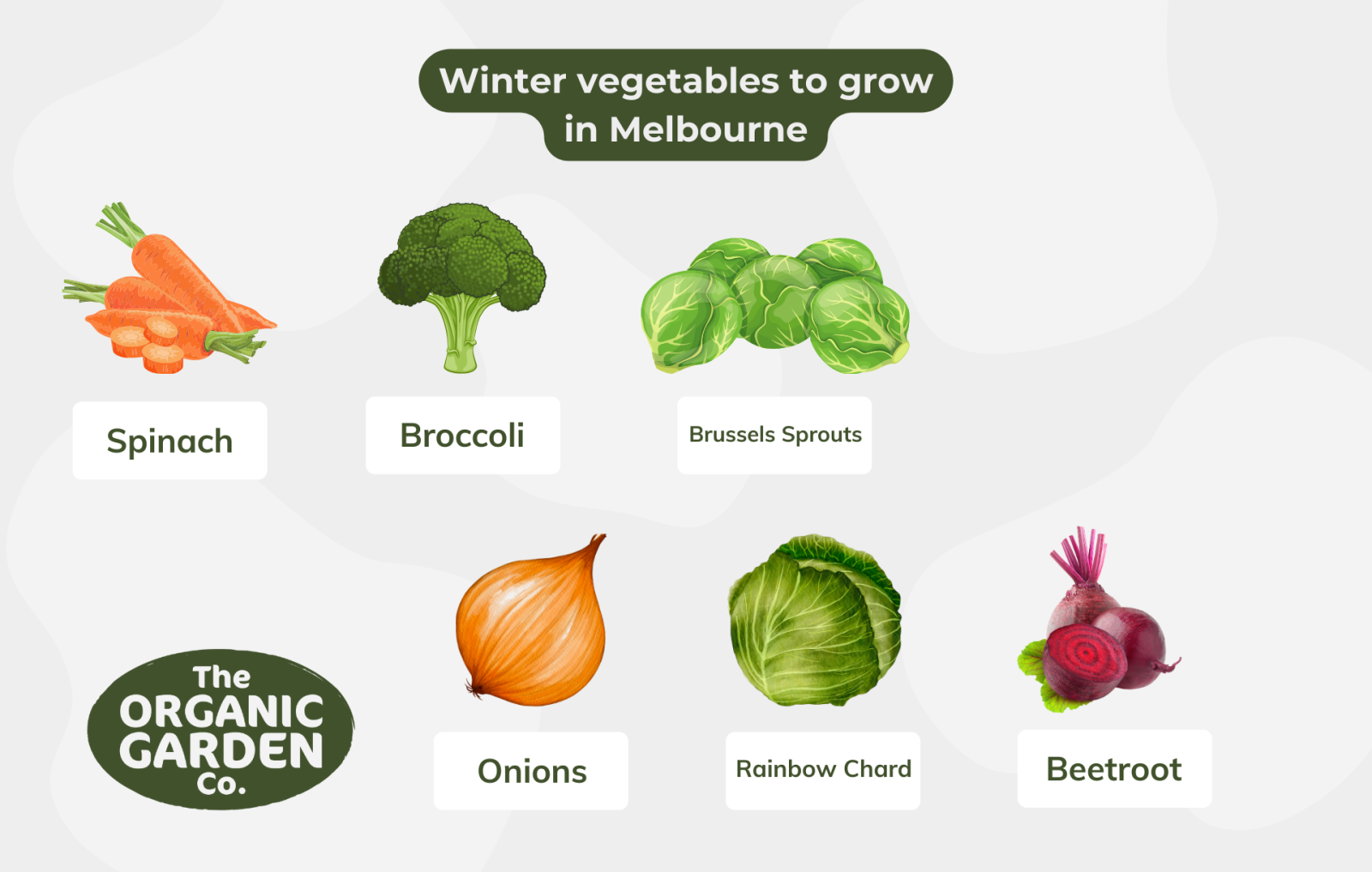
Winter vegetables play a crucial role in maintaining a sustainable garden and can be planted in Victoria during specific times to ensure optimal growth. Generally, the best time to plant winter vegetables in Victoria is from late summer to early autumn, which typically spans from late February to April. This timeframe allows the plants to establish themselves before the onset of winter.
Optimal Vegetables for Winter Planting
When planning a winter garden, it's essential to choose vegetables that thrive in cooler temperatures. Some of the best options include:
- Kale - Resilient and nutritious, it can last through cold spells.
- Broccoli - This vegetable can be harvested throughout the winter months.
- Carrots - They can be sown in late summer and will develop sweetness with frost.
- Brussels sprouts - Ideal for planting in spring to be harvested in winter.
- Garlic - Best planted in late autumn for a summer harvest.
Soil Preparation and Fertility
Preparing the soil involves enriching it for winter vegetables, which prefer nutrient-dense environments. Proper preparation includes:
- Testing pH levels - Suitable ranges should be between 6.0 and 7.0 for optimal growth.
- Adding compost - This increase in organic matter boosts soil fertility.
- Incorporating slow-release fertilizers - Providing nutrients gradually is essential for winter veggies.
- Tilling the soil - Ensuring good aeration helps root development.
- Moisture retention techniques - Use mulch to help retain moisture in cooler months.
Understanding Frost Dates
Knowing the average frost dates in Victoria helps in planning your winter vegetable planting. Key points include:
- Last frost date - Usually occurs in late October to early November.
- First frost date - Typically arrives between late May and early June.
- Microclimates - Be aware that certain areas may experience earlier or later frosts.
- Hardy varieties - Choose crops that can withstand frosts, extending your harvest season.
- Row covers - Utilize these to protect your plants from unexpected frost.
Watering Practices in Winter
Winter watering can differ significantly from other seasons due to lower evaporation rates. Effective strategies include:
See also:
- Assessing moisture levels - Check soil moisture before watering to avoid overwatering.
- Watering in the morning - This approach helps prevent frost damage at night.
- Irrigation systems - Drip irrigation minimizes water loss and keeps roots healthy.
- Avoiding wet foliage - Water at the base of plants to minimize fungal diseases.
- Adjusting for heavy rainfall - Less frequent watering may be necessary during wet winters.
Pest Management in Winter
Winter gardening can attract pests despite colder weather. Essential management practices include:
- Regular inspections - Frequent checks for any signs of pests are crucial.
- Using row covers - These can help deter insects while allowing sunlight to penetrate.
- Encouraging beneficial insects - Ladybugs and other predators can help control pest populations.
- Natural repellents - Utilize garlic or neem oil to deter pests without harming the environment.
- Crop rotation - This practice helps prevent the buildup of pest populations in the soil.
What is the easiest vegetable to grow in winter?
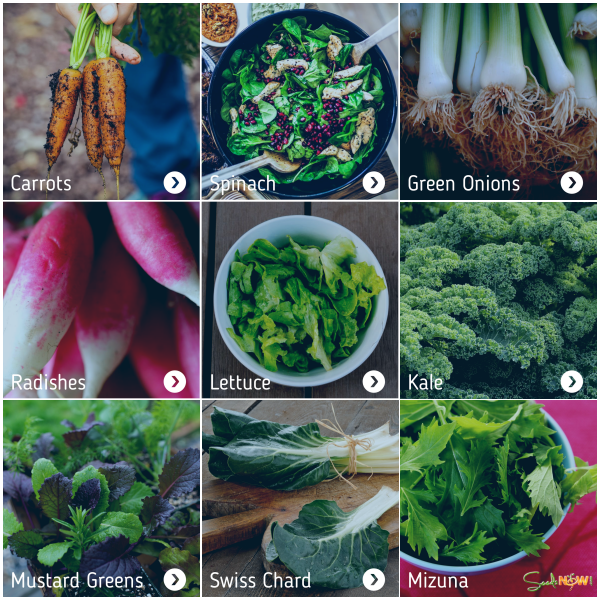
The easiest vegetable to grow in winter is kale. This hardy green is well-suited for cooler temperatures and can even tolerate frost, making it an ideal choice for winter gardening. Kale not only thrives in cold weather but also improves in flavor after being exposed to frost, which can sweeten the leaves. It requires minimal care, and its versatility in the kitchen makes it a popular option among home gardeners during the colder months.
Benefits of Growing Kale in Winter
Growing kale during winter comes with numerous advantages. This vegetable is not only resilient but also packed with nutrients.
- Nutritional Value: Kale is rich in vitamins A, C, and K, as well as various antioxidants.
- Frost Resistance: Exposure to frost can enhance the flavor of kale and keep it growing longer.
- Low Maintenance: Once established, kale requires little care and can often survive with just minimal watering.
How to Plant Kale in Winter
Planting kale in winter involves specific techniques to ensure it thrives in chilly conditions.
- Choose the Right Variety: Opt for cold-tolerant varieties, such as Winterbor or Siberian kale.
- Soil Preparation: Ensure the soil is well-draining and enriched with organic matter to support growth.
- Timing: Plant seeds outdoors in late summer to early fall for a winter harvest, or start indoors and transplant outside.
Winter Care for Kale Plants
Taking care of kale plants during winter is crucial for achieving a bountiful harvest.
- Watering: Make sure to water the plants if there’s no snow or rain, but avoid overwatering.
- Mulching: Apply mulch around the plants to retain moisture and regulate soil temperature.
- Pest Management: Keep an eye out for pests, but many are less active in winter. Hand-picking is often sufficient.
Challenges in Growing Vegetables in Winter
While growing kale is manageable, there are challenges that gardeners may face during winter months.
- Extreme Cold: While kale is hardy, temperatures below 10°F may damage young plants.
- Limited Daylight: The shorter days can slow down growth, so timing and light are essential considerations.
- Soil Temperature: Cold soil can hinder seed germination, requiring attention to planting depth and conditions.
Other Easy Vegetables for Winter Gardening
In addition to kale, there are several other vegetables that can be easily grown during winter.
- Spinach: This leafy green also thrives in cool weather and can produce a harvest even under frost.
- Winter Peas: These can be sown in late fall and will grow early in spring, providing a fresh harvest.
- Garlic: Planting garlic in the fall leads to a spring harvest and is low-maintenance during winter.
Is it too late to plant winter veggies?

It is not necessarily too late to plant winter vegetables, but the timing depends on several factors such as your local climate, the type of vegetables you plan to grow, and your planting zone. In many regions, particularly those with mild winters, it is possible to plant winter vegetables as late as mid-fall, provided that the appropriate varieties are selected and properly cared for.
Factors to Consider When Planting Winter Veggies
Climate Zones
Understanding your climate zone is essential for planting winter vegetables. Different zones have varying frost dates, which can impact seed germination and plant growth.
- USDA Hardiness Zones: Identify your zone to determine the best planting dates.
- Frost Dates: Check the average last frost date in spring and first frost date in fall.
- Temperature: Ensure that nighttime temperatures are suitable for the vegetables you wish to plant.
Types of Winter Vegetables
Certain vegetables are better suited for winter planting than others. The right choice of vegetables can significantly increase your chances of a successful harvest.
See also:
- Cold-Hardy Greens: Vegetables like kale, spinach, and Swiss chard thrive in cooler temperatures.
- Root Vegetables: Carrots, turnips, and beets can be sown in late summer for winter harvests.
- Brassicas: Broccoli and Brussels sprouts can be planted for late fall or early winter harvests.
Soil Preparation
Proper soil preparation is crucial when planting winter vegetables to ensure that they have the nutrients they need to grow.
- Soil Testing: Conduct a soil test to determine pH and nutrient levels.
- Amendments: Add compost or organic matter to enrich your soil.
- Drainage: Ensure good drainage to prevent waterlogged soil that can harm roots.
Garden Maintenance
Maintaining your winter garden is essential for healthy vegetable growth during the colder months.
- Watering: Provide consistent moisture, especially during dry spells.
- Mulching: Apply mulch to regulate soil temperature and retain moisture.
- Pest Management: Keep an eye out for pests that may still be active in winter.
Timing and Planting Techniques
Knowing when and how to plant winter vegetables can make a significant difference in their success.
- Direct Sowing: Some seeds can be sown directly into the garden as late as late fall.
- Transplanting: Starting seedlings indoors and transplanting them can extend your growing season.
- Cold Frames: Utilizing cold frames or hoop houses can provide additional protection and warmth for your plants.
What veggies to plant in autumn in Victoria?

Autumn in Victoria is an excellent time to plant a variety of vegetables that thrive in cooler temperatures. The climate allows for a robust growing season, providing garden enthusiasts with numerous options to cultivate healthy and delicious produce. Here are some great vegetables to consider planting during this time:
- Spinach: A fast-growing leafy green that is perfect for autumn planting. Spinach can handle frost and continues to grow until very cold weather sets in.
- Broccoli: This is a hardy vegetable that benefits from the cooler temperatures of autumn, leading to a more robust flavor.
- Carrots: Ideal for planting in late summer through autumn. They can be sown directly into the ground and often improve in flavor after a frost.
- Kale: Another leafy green that thrives in cooler weather. It can be harvested throughout the winter and is packed with nutrients.
- Garlic: While not a typical vegetable to be eaten fresh, planting garlic in late autumn will result in a bountiful harvest in the following summer.
Choosing the Right Soil
The success of your autumn vegetable garden heavily depends on the soil quality. Well-drained, nutrient-rich soil is essential for healthy plant growth. Consider these points when preparing your soil:
- Test the pH level and organic matter content of your soil.
- Add compost or well-rotted manure to enhance nutrient levels.
- Ensure the soil is well-aerated to encourage root growth.
Optimal Planting Techniques
When planting vegetables in autumn, it’s crucial to follow the right methods for the best results. Here are some techniques to keep in mind:
- Space your seeds or seedlings according to the recommended distance to prevent overcrowding.
- Consider row planting for easier access and maintenance.
- Cover newly planted seeds with mulch to retain moisture and regulate soil temperature.
Dealing with Pests and Diseases
Autumn weather can bring about various pests and diseases. Protecting your garden is essential. Here are some strategies to employ:
- Regularly inspect your plants for signs of pests like aphids or caterpillars.
- Use organic pest control methods such as neem oil or insecticidal soap if necessary.
- Practice crop rotation in subsequent seasons to reduce soil-borne diseases.
Watering and Care
Watering requirements change with the seasons, and in autumn, it’s important to adjust your routine for the best results. Consider the following:
- Water early in the day to prevent evaporation and allow plants to absorb the moisture.
- Check soil moisture regularly; do not let your plants dry out completely.
- Be mindful of rainfall and adjust your watering schedule accordingly.
Harvesting and Storage Tips
Once your vegetables are ready for harvest, proper techniques ensure the best quality produce. Here are some tips to consider:
- Harvest vegetables in the morning when temperatures are cooler for the best flavor and freshness.
- Store your vegetables in a cool, dark place to extend their shelf life.
- Use perforated bags for leafy greens to allow airflow and reduce spoilage.
Questions from Our Readers
What vegetables can be planted in Victoria during winter?
In Victoria, winter is a suitable time to plant hardy vegetables. Opt for crops such as garlic, onions, broad beans, and winter greens like kale and spinach. These vegetables can withstand the colder temperatures and continue to thrive throughout the season.
How do I prepare my soil for winter vegetable planting?
Preparing your soil for winter planting involves adding organic matter like compost to improve fertility and drainage. Ensure the soil is well-aerated and free from weeds that could compete with your newly planted vegetables. This will create an ideal environment for root growth and overall development.
See also:
Can I use seeds or seedlings for planting in winter?
Both seeds and seedlings can be used for winter planting, but starting with cold-resistant seedlings can give you a head start. If using seeds, ensure they are sown in the garden at the right time to establish before the harshest winter weather arrives. Mulching can also help protect emerging plants.
What care is required for winter vegetables in Victoria?
Winter vegetables need regular watering to keep the soil moist, though be cautious not to overwater as this can lead to root rot. Additionally, applying a layer of mulch can help regulate soil temperature and moisture levels. Monitoring for pests and protecting plants with row covers during frosty nights will also promote healthy growth.

If you want to read more articles like What Veggies to Plant Now in Victoria in Winter: A Complete Guide for Gardeners, we recommend you check out our Gardeners category.
Leave a Reply
Related Articles