Ultimate Guide: What Vegetables to Grow in Summer in Australia for a Thriving Garden
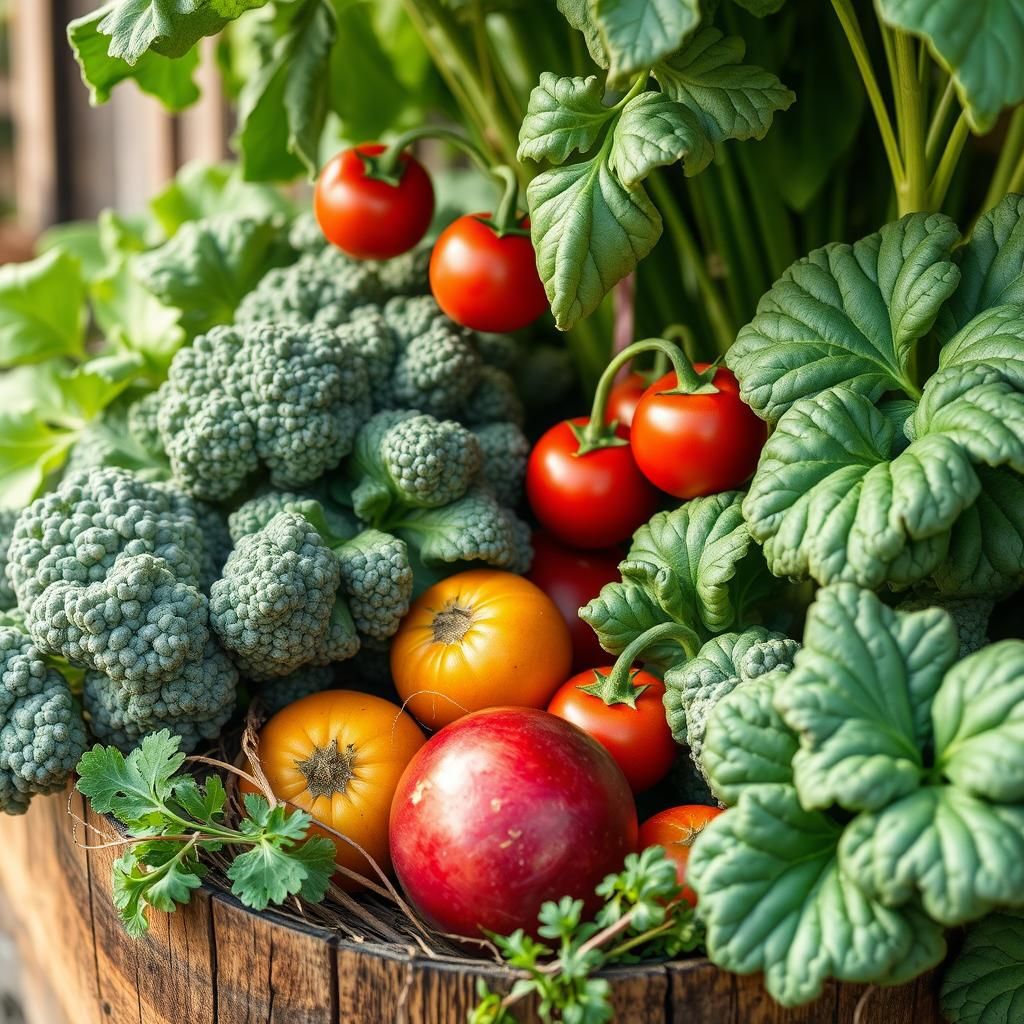
Summer in Australia brings with it a unique set of opportunities and challenges for gardeners. With longer days and warmer temperatures, the season is ideal for cultivating a vibrant array of vegetables that thrive in the heat. However, selecting the right varieties is crucial to ensure a bountiful harvest. This ultimate guide will explore the best vegetables to grow during the Australian summer, offering insights into their growing conditions, care requirements, and tips for maximizing yield. Whether you're a seasoned gardener or a beginner, this article will help you create a flourishing garden that flourishes under the Australian sun.
Essential Vegetables to Grow in Summer in Australia
In Australia, the summer months present an excellent opportunity for gardeners to cultivate a variety of vegetables that thrive in warm conditions. The temperate climate across various regions allows for the growth of diverse crops, including heat-loving varieties such as tomatoes, cucumbers, and capsicums. These vegetables not only flourish under the intense summer sun but also offer robust flavors and nutritional benefits, making them popular choices for Australian households. With proper soil preparation and adequate watering, summer crops can yield a bountiful harvest, ensuring fresh produce right from the garden during the peak growing season.
Best Summer Vegetables for Coastal Areas
In coastal regions of Australia, the mild temperatures and good humidity levels are ideal for growing a variety of vegetables. Crops such as beans, zucchini, and eggplant excel in these conditions, thanks to the consistent warmth and moisture. Additionally, these plants are often less susceptible to certain pests and diseases prevalent in drier areas. Gardeners should take advantage of the extended growing season in these locales, focusing on crop rotation and companion planting to ensure healthy growth and optimal yields.
Heat-Tolerant Vegetables for Inland Regions
In the hotter inland regions of Australia, heat-tolerant vegetables like sweet potatoes, okra, and melons can thrive despite extreme temperatures. These crops have adaptations that allow them to withstand high heat and limited water, making them well-suited for arid climates. Gardeners in these areas should consider mulching and drip irrigation systems to conserve moisture and protect the soil from excessive evaporation, promoting healthy plant growth even in challenging conditions.
Growing Vegetables in Raised Beds
Utilizing raised garden beds for summer vegetable cultivation can significantly enhance drainage and soil temperature control. In regions where summer rainfall is sporadic, raised beds made of untreated timber or stone provide an excellent environment for vegetables like carrots, beets, and lettuce. The elevation helps prevent waterlogging and allows for better root development, leading to healthier plants and improved yields. Additionally, raised beds warm up faster in spring, enabling earlier planting and extending the growing season.
See also:
Benefits of Companion Planting
Companion planting can greatly enhance the growth of summer vegetables in Australia. This gardening practice involves planting different crops together to improve yields, reduce pests, and optimize nutrient uptake. For instance, planting basil with tomatoes can enhance their flavor and deter harmful pests, while marigolds can attract beneficial insects. Learning which plants benefit each other can create a more productive garden ecosystem, allowing for a healthier and more vibrant summer garden.
Harvesting and Storing Summer Vegetables
Proper harvesting and storing techniques for summer vegetables are crucial to maintaining freshness and nutritional value. Vegetables such as peppers and beans are best harvested when they reach their full size but before they begin to over-ripen. These should be picked during cooler parts of the day to prevent wilting. To store, ensure they are clean and dry, then keep them in cool, shaded areas or in the refrigerator to extend their shelf life. Properly harvested and stored vegetables can provide delicious homegrown meals well into the cooler months.
| Vegetable | Ideal Conditions | Time to Harvest |
|---|---|---|
| Tomatoes | Warm, sunny | 70-90 days |
| Cucumbers | Full sun, good moisture | 50-70 days |
| Beans | Warm, well-drained | 50-60 days |
| Zucchini | Full sun, fertile soil | 50-60 days |
| Capsicums | Warm, sunny | 80-90 days |
Maximizing Your Summer Vegetable Garden in Australia
To maximize your summer vegetable garden in Australia, it is crucial to select heat-tolerant plants that thrive in the hot, sunny climate. Consider growing a variety of leafy greens, such as spinach and Swiss chard, which can withstand high temperatures and provide continuous harvests. Additionally, incorporating legumes like bush beans can enhance soil fertility due to their nitrogen-fixing ability. Ensure to provide adequate water and mulching to retain soil moisture and protect roots from the harsh sun. Start by planning your garden layout in early spring to allow your vegetables ample space and sunlight, ensuring a thriving summer garden.
Selecting the Right Varieties
When choosing vegetables for your summer garden, prioritize varieties that are specifically bred for hot climates. Look for heat-tolerant options such as zucchini, tomatoes, and capsicum, which are known to flourish under Australian sun conditions. Additionally, researching local heirloom varieties can yield unique flavors and boost biodiversity in your garden, further enhancing your gardening experience.
Soil Preparation for Summer Vegetables
Proper soil preparation is essential for a fruitful summer garden in Australia. Start by testing the pH and nutrient levels of your soil to determine what amendments are necessary. Adding organic matter such as compost can improve soil structure, providing essential nutrients and enhancing water retention capabilities. It is also advisable to loosen the soil to improve drainage, allowing roots to establish more effectively in the summer heat.
See also:
Watering Techniques During Hot Months
When summer temperatures soar, implementing effective watering techniques becomes crucial for maintaining plant health. Early morning watering is best, as it minimizes evaporation and helps plants absorb moisture before the heat of the day. Consider installing a drip irrigation system to deliver water directly to the roots, reducing water wastage and ensuring that your vegetables receive consistent moisture during their growing season.
Companion Planting Strategies
Utilizing companion planting can greatly enhance the productivity of your summer vegetable garden. Some plants, like basil, can repel pests while boosting the growth of nearby crops like tomatoes. Others, such as marigolds, attract beneficial insects that help pollinate and fend off harmful pests. Researching effective pairings can create a vibrant ecosystem in your garden that naturally combats pests and diseases, promoting healthier plants.
Pest Management Options
Effective pest management is vital for preserving the integrity of your summer crops. Implementing integrated pest management strategies, including introducing beneficial insects like ladybugs and using organic sprays, can minimize pest damage without harming the environment. Regularly inspecting plants for signs of infestation will allow for early intervention, helping you to maintain a thriving and healthy garden throughout the summer season.
Questions from Our Readers
What vegetables are best to grow in summer in Australia?
Many gardeners in Australia recommend growing tomatoes, cucumbers, zucchini, and capsicum during the summer months. These vegetables thrive in the warm temperatures and long daylight hours of the Australian summer, making them ideal choices for a thriving home garden.
When should I plant summer vegetables in Australia?
In most regions of Australia, the best time to plant summer vegetables is in late spring to early summer, typically from September to November. However, this can vary slightly depending on your specific location and local climate conditions, so it’s important to check your regional planting calendar.
See also:
How often should I water summer vegetables?
Summer vegetables require consistent moisture, so it is generally recommended to water them deeply about two to three times a week. The goal is to keep the soil evenly moist, especially during the hottest days, as this encourages healthy growth and prevents stress on the plants.
What pests should I watch out for when growing summer vegetables?
When growing vegetables in summer, gardeners should be vigilant against pests such as aphids, caterpillars, and whiteflies. These pests can damage plants by feeding on their leaves and stems, so it’s important to regularly inspect your garden and take action if you notice any signs of infestation.

If you want to read more articles like Ultimate Guide: What Vegetables to Grow in Summer in Australia for a Thriving Garden, we recommend you check out our Seeds category.
Leave a Reply
Related Articles