What Trees Are Good for Blocking Road Noise? Top Options for a Quieter Home
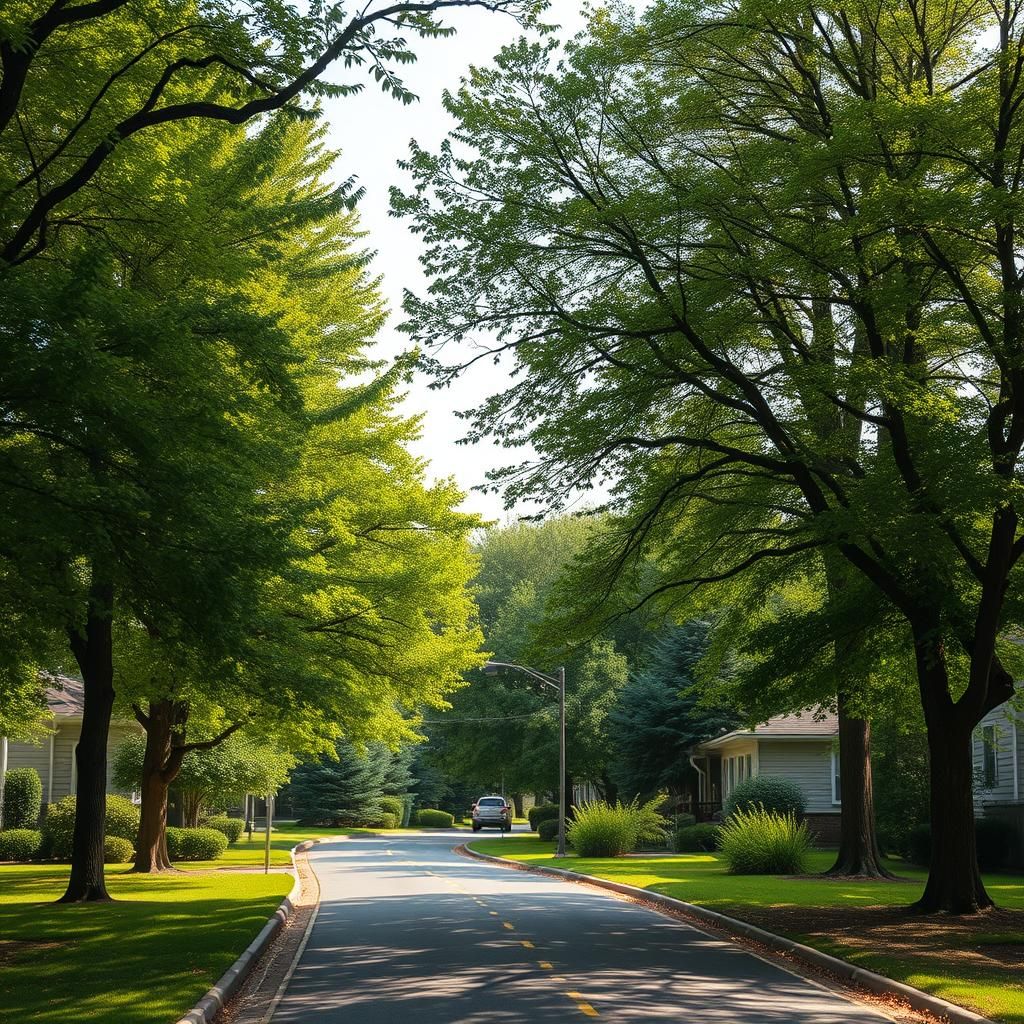
Living near a busy road can often lead to unwanted noise disturbances that disrupt daily life and reduce overall comfort at home. Fortunately, certain tree species can serve as effective natural sound barriers, absorbing and deflecting noise from traffic. In this article, we explore the best trees for blocking road noise, considering factors such as growth rate, density, and overall effectiveness. By strategically planting these trees, homeowners can create a tranquil outdoor environment, enhance privacy, and improve their property’s aesthetic appeal. Discover the top options to transform your living space into a quieter, more serene sanctuary.
Best Trees for Sound Barrier Against Road Noise
To effectively block road noise, certain tree species are particularly beneficial due to their dense foliage and height. Trees like Leyland Cypress, Eastern Red Cedar, and Norway Spruce are known for their ability to absorb sound and create a visual barrier. The thickness and leaf density of these trees help reduce noise levels by acting as a natural sound barrier. Additionally, a combination of different tree types can enhance the noise-dampening effect, as varying heights and leaf structures can intersect sound waves more effectively.
Characteristics of Effective Noise-Blocking Trees
Effective noise-blocking trees generally possess dense foliage, height, and a strong trunk. Such characteristics allow them to create a solid barrier against sound waves, minimizing the impact of road noise. The leaf structure also plays a critical role, as broad leaves can absorb sound better than narrow ones. Moreover, evergreen species tend to provide year-round coverage, as they do not lose their foliage in winter, offering continuous noise reduction.
Top Tree Varieties for Noise Reduction
Some of the top tree varieties for noise reduction include Leyland Cypress, which grows rapidly and provides a tall, dense screen; Eastern Red Cedar, known for its thick foliage and pleasant scent; and Norway Spruce, which has a robust structure that can withstand harsh weather conditions. Green Giant Arborvitae is another popular choice due to its fast growth rate and ability to create a solid barrier. Each of these species has unique qualities that make them suitable for blocking road noise effectively.
Planting Techniques for Optimal Noise Barrier
To establish an optimal noise barrier, plant trees in a staggered pattern with varying distances between them. This approach allows for better coverage and creates a more effective sound barrier, as the gaps between trees can disrupt the sound waves' path. Additionally, consider planting a mix of deciduous and evergreen trees to enhance the noise-reducing effect year-round, as evergreen trees maintain their foliage throughout the seasons.
See also:
Height and Density Considerations
When selecting trees for blocking road noise, consider both height and density. Taller trees provide a higher barrier that can intercept sound waves before they reach your property. However, the density of the foliage is equally important, as thicker branches and leaves can absorb and deflect sound energy more effectively. Aim for trees that reach a height of 10 to 30 feet to maximize noise reduction.
Maintenance for Longevity of Noise-Blocking Trees
Maintaining your noise-blocking trees is crucial to ensure their longevity and effectiveness. Regular pruning can help maintain shape and density, ensuring that foliage remains thick and robust. Additionally, providing adequate water and nutrients fosters healthy growth, enhancing their ability to block noise. Watch for pests or diseases that may weaken the trees and take appropriate action to prevent compromising their sound-dampening qualities.
| Tree | Height | Density | Growth Rate |
|---|---|---|---|
| Leyland Cypress | 20-30 ft | High | Fast |
| Eastern Red Cedar | 20-30 ft | Medium | Moderate |
| Norway Spruce | 40-60 ft | High | Moderate |
| Green Giant Arborvitae | 50-60 ft | High | Fast |
| American Holly | 15-30 ft | Medium | Slow |
Choosing the Right Trees for Optimal Noise Reduction
When it comes to blocking road noise, selecting the right trees can significantly impact the soundscape around your home. Trees with dense foliage and thick trunks are particularly effective as they can absorb, deflect, and block sound waves. Additionally, planting trees in strategic locations, such as along property lines or near busy roads, can create a natural barrier that enhances your outdoor environment and contributes to a more peaceful ambiance. Species such as evergreens, deciduous trees, and hedges are often favored for their aesthetic qualities as well as their noise-reducing potential.
Evergreen Trees for Year-Round Sound Barrier
Evergreen trees are excellent choices for those looking to create a consistent sound barrier throughout the year. Species like Leylandii, Spruce, and Pine maintain their foliage in winter and possess dense branching structures, making them ideal for blocking traffic noise. Their thick leaves absorb sound vibrations and their height can obstruct line-of-sight views from roads, further minimizing disturbances. Planting them in a staggered formation can enhance their sound-muffling ability.
Deciduous Trees and Their Seasonal Benefits
While deciduous trees lose their leaves in the winter, they can still be effective in noise reduction during warmer months. Trees such as Maple, Oak, and Willow provide ample foliage in spring and summer to absorb sound significantly. In addition to their noise-blocking capabilities, they offer seasonal shade and beauty, enriching the landscape. The strategic placement of these trees can create a sound barrier that adapts with the seasons, complementing your home's privacy needs.
See also:
Hedges and Bushes for Additional Sound Dampening
Incorporating hedges and bushes into your landscape design can enhance the overall sound barrier. Varieties like Boxwood, Privet, and Yew can provide an additional layer of noise reduction due to their compact growth and dense foliage. These plants can be used to create a multi-layered barrier in combination with larger trees, particularly in spaces where smaller plants can fill in gaps and minimize sound reflection further.
The Role of Tree Height in Noise Reduction
The height of the trees is crucial when it comes to effectively blocking road noise. Taller trees, such as Poplar and Cypress, can reach significant heights, creating a more effective barrier by redirecting sound waves above the average human ear level. A mix of high and low-growth species can create a multi-tiered buffer zone, which is essential for maximizing sound attenuation and providing a more tranquil outdoor space.
Planting Techniques for Optimal Results
The success of using trees for noise reduction often hinges on proper planting techniques. Positioning trees in rows or staggered patterns can enhance their collective ability to block noise. It’s also important to consider spacing, as closely planted trees can foster a denser barrier, while appropriately spaced trees can allow for healthy growth and airflow. Additionally, ensuring that the trees are well-watered and cared for will guarantee that they thrive, maximizing their potential for noise reduction over time.
Questions from Our Readers
What type of trees are most effective for blocking road noise?
Dense, evergreen trees such as pine or cedar are considered the most effective for blocking road noise. These trees maintain their foliage year-round, creating a solid barrier that can absorb and deflect sound waves effectively. Additionally, a mix of plants, including shrubs and other vegetation, can enhance the sound-blocking effect.
How far away should trees be planted from the road to reduce noise?
To effectively reduce noise, trees should ideally be planted at a distance of at least 10 to 15 feet from the road. This distance allows for optimal sound damping while also ensuring that the trees have enough space to grow and develop their full noise-reducing potential.
See also:
Can deciduous trees help with blocking road noise?
While deciduous trees can provide some noise reduction, they are less effective compared to evergreen trees. Since deciduous trees lose their leaves in the fall, they provide less sound insulation during certain times of the year when road noise may be more pronounced.
What is the importance of tree height for noise reduction?
The height of the trees plays a crucial role in noise reduction; taller trees can effectively obstruct sound waves that travel at higher levels. A minimum height of 10 to 15 feet is recommended to create a substantial barrier against road noise, as this height can significantly reduce the impact of sound reaching residential areas.

If you want to read more articles like What Trees Are Good for Blocking Road Noise? Top Options for a Quieter Home, we recommend you check out our Landscaping category.
Leave a Reply
Related Articles