10 Effective Alternatives: What to Use Around the House Instead of Mulch?

When it comes to gardening and landscaping, mulch is a popular choice for its ability to retain soil moisture, suppress weeds, and enhance the aesthetic appeal of outdoor spaces. However, traditional mulch can be costly and may not always align with sustainable gardening practices. In this article, we explore ten effective alternatives to mulch that can be easily utilized around the house. These options not only serve similar purposes but also offer unique benefits, from improving soil health to reducing waste. Discover innovative solutions that can transform your garden while being environmentally friendly and budget-conscious.
Alternative Materials to Use Around the House Instead of Mulch
Using alternative materials around the house instead of traditional mulch can be a practical and visually appealing choice for garden beds, pathways, and landscaping. Some effective substitutes include straw, which helps retain soil moisture while suppressing weeds; wood chips, which provide a rustic look and break down slowly; gravel, which offers excellent drainage and is low maintenance; leaves, which can be shredded to create a natural mulch that enriches the soil over time; and rubber mulch, made from recycled tires, which doesn’t decompose and is durable. Each of these options not only serves the purpose of protecting plants but also adds unique textures and colors to outdoor spaces.
Straw as a Mulch Alternative
Straw is an excellent alternative to traditional mulch due to its ability to hold moisture and suppress weed growth effectively. When layered around plants, straw provides insulation for the soil, keeping it cooler in the summer and warmer in the winter. Additionally, it breaks down over time, enriching the soil with organic matter, which benefits plant growth. Its lightweight nature makes it easy to handle, and it is generally available at a low cost, making it an economical choice for gardeners.
Wood Chips for Landscaping
Wood chips not only provide a natural look to your garden but also serve as a durable mulch alternative. As they decompose slowly, they improve the soil quality by adding nutrients while also helping to conserve moisture. The use of wood chips can enhance the visual appeal of your landscaping, offering a neat appearance and helping to define garden paths or borders. It’s important to choose untreated wood to avoid introducing chemicals into your garden.
Gravel for Pathways
Using gravel is a practical and aesthetically pleasing option for pathways and garden beds. It provides excellent drainage, preventing water from pooling around plant roots, which can lead to rot. Gravel also requires minimal maintenance, as it does not decompose over time. The variety of colors and sizes available allows homeowners to customize their landscape design according to their taste, making it a versatile choice for outdoor spaces.
Shredded Leaves as Mulch
Shredded leaves can be a nutrient-rich alternative to commercial mulches, promoting a healthy soil ecosystem. They decompose quickly, returning essential nutrients back into the soil as they break down. Utilizing shredded leaves not only reduces waste but also helps to insulate plant roots against extreme temperatures. Their availability in the fall makes them an ideal option for eco-conscious gardeners who aim to minimize their environmental footprint.
Rubber Mulch and Its Benefits
Rubber mulch is a synthetic alternative originating from recycled tires, offering unique benefits for landscaping. Its durability ensures that it won’t break down like organic materials, providing long-lasting coverage for your garden. Rubber mulch is effective in weed suppression and does not attract pests, making it an ideal choice for playgrounds and other recreational areas. Additionally, it comes in various colors, allowing for creative landscaping possibilities while promoting sustainable practices.
| Material | Benefits | Duration |
|---|---|---|
| Straw | Moisture retention, weed suppression | Breaks down within a season |
| Wood Chips | Nutrient addition, visual appeal | Lasts several years |
| Gravel | Excellent drainage, low maintenance | Indefinite |
| Shredded Leaves | Rich in nutrients, eco-friendly | Breaks down within a season |
| Rubber Mulch | Durability, weed suppression | Lasts many years |
What is a good substitute for mulch?
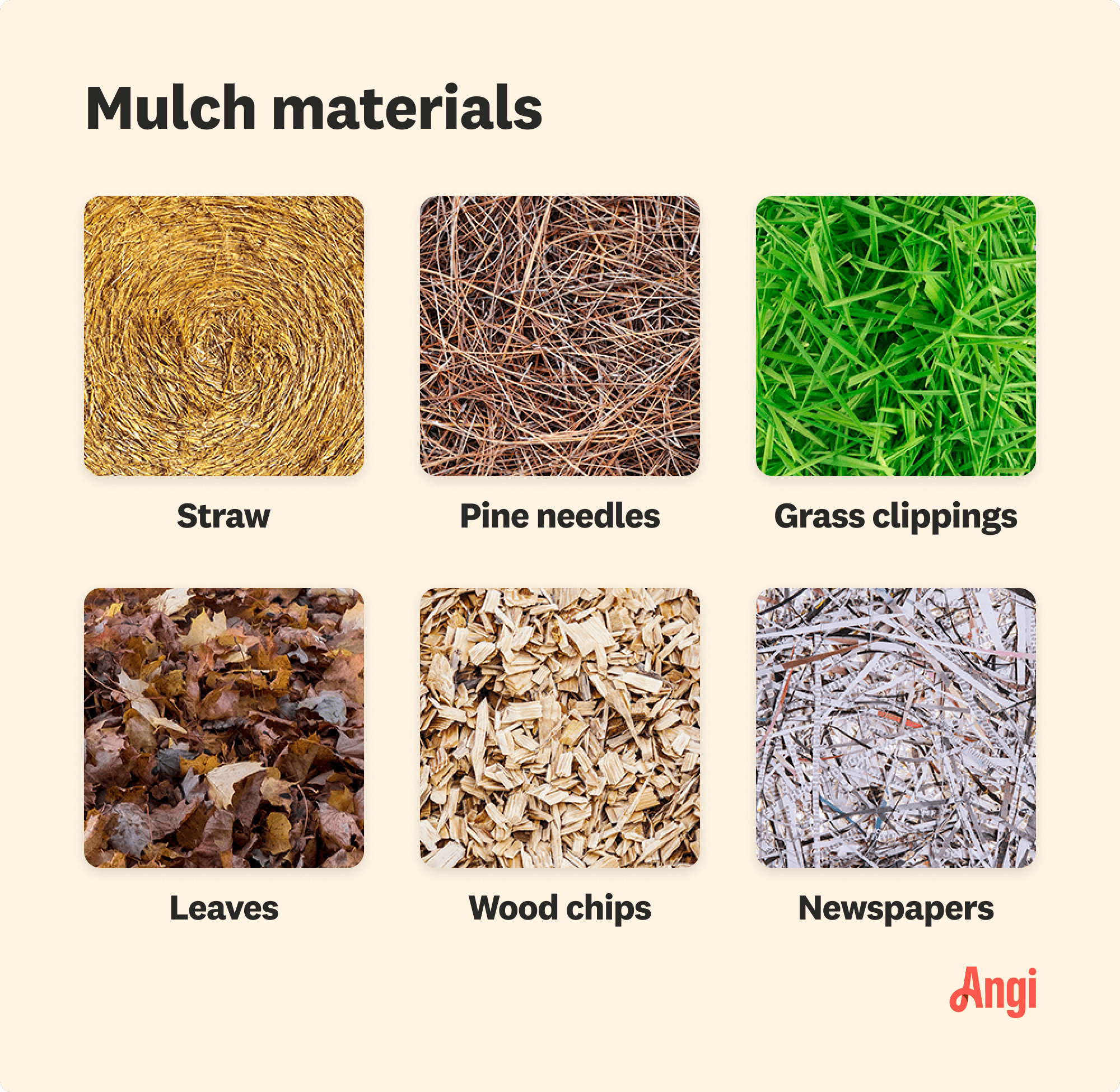
A good substitute for mulch can vary based on the specific needs of your garden and the local environment. Here are some effective alternatives to traditional mulch:
1. Grass Clippings: Grass clippings are an excellent and readily available substitute. They decompose quickly and suppress weeds while adding nitrogen to the soil. When using grass clippings, it is essential to dry them out first to prevent clumping.
2. Wood Chips or Bark: If you have access to wood chips or bark from tree trimming, these materials make great mulch substitutes. They provide insulation, retain moisture, and break down slowly, enriching the soil over time.
3. Straw or Hay: Straw, often used in organic gardening, serves as an effective mulch. It is lightweight, provides excellent weed suppression, and allows water to pass through easily. However, ensure that hay is not moldy, as it may contain seeds that can introduce weeds.
4. Pine Needles: Another natural alternative is pine needles. They are lightweight, decompose slowly, and create an attractive cover. Additionally, they are excellent at conserving soil moisture and can improve soil acidity, which is beneficial for certain plants.
5. Leaves: Shredded leaves can serve as a fantastic substitute for traditional mulch. They are abundant in the fall and can significantly reduce weed growth while improving soil structure. Be sure to shred them before application to prevent compacting.
Benefits of Grass Clippings as Mulch Substitute
Grass clippings offer several benefits when used as mulch substitutes. They decompose rapidly, which means they won't take long to enrich the soil with nitrogen and other nutrients. Additionally, they provide excellent moisture retention and help to keep soil temperatures regulated.
- Rapid decomposition adds nutrients quickly.
- Helps retain moisture and regulate temperature.
- Readily available if you mow your lawn regularly.
Using Wood Chips for Garden Beds
Wood chips or bark can be an effective solution for garden beds. They last longer than most organic materials and provide significant insulation against temperature fluctuations. As they break down, they also improve the soil structure and fertility.
- Long-lasting mulch that insulates plant roots.
- Enhances soil fertility over time as it decomposes.
- Can be sourced from local tree services or landscaping businesses.
Straw Versus Hay: What to Choose?
While both straw and hay can serve as effective mulch substitutes, straw is favored in gardens due to its lower risk of weed seeds. It's lightweight and breaks down in soil effectively, enhancing soil structure as it decomposes.
- Straw offers better weed suppression than hay.
- Enhances soil structure and moisture retention.
- Less likely to introduce unwanted seeds into the garden.
Pine Needles: A Natural Alternative
Pine needles provide an attractive and functional mulch option, especially for acid-loving plants. They allow rainfall to penetrate easily, helping to maintain adequate moisture levels. Additionally, they create a natural barrier against weeds when layered appropriately.
See also:
- Effective for acid-loving plants like blueberries.
- Lightweight and easy to spread.
- Slow decomposition provides long-lasting benefits.
Shredded Leaves as a Recycling Method
Using shredded leaves from your yard can be a fantastic way to recycle waste and enhance your garden. They are rich in nutrients and improve moisture retention, making them an ideal mulch substitute. It is recommended to shred the leaves before use to facilitate decomposition.
- Environmentally friendly way to utilize yard waste.
- Provides nutrients and improves soil structure over time.
- Effective in reducing weed growth when applied effectively.
What is a natural alternative to mulch?
A natural alternative to mulch can be beneficial for gardeners looking to enhance soil health and maintain moisture while avoiding synthetic materials. Some effective natural alternatives include:
1. Bark Chips or Wood Chips: These materials are a popular choice because they decompose slowly and provide excellent insulation for soil, helping to maintain moisture while suppressing weed growth.
2. Straw or Hay: Both straw and hay are effective weed suppressants and help regulate soil temperature. They decompose quickly, enriching the soil with nutrients as they break down.
3. Grass Clippings: Freshly cut grass can be an effective mulch alternative. Although they can mat down if applied too thickly, they are full of nutrients and improve soil health as they decompose.
4. Pine Needles: Particularly useful in acidic soil environments, pine needles decompose slowly and maintain moisture while deterring some pests.
5. Leaves or Leaf Mold: Shredded leaves can be an excellent way to recycle garden waste and improve soil structure. Leaf mold, created by composting leaves, is nutrient-rich and enhances soil health.
Benefits of Using Natural Alternatives to Mulch
Using natural alternatives to mulch comes with multiple benefits. They help improve the soil structure and encourage beneficial microorganisms. In addition, they can be locally sourced, reducing carbon footprint and cost.
- Soil Improvement: Natural organic materials break down to enrich the soil with necessary nutrients.
- Weed Suppression: They effectively block sunlight, reducing weed growth.
- Moisture Retention: These materials help retain moisture in the soil, reducing the need for frequent watering.
How to Apply Natural Mulch Alternatives
Applying natural mulch alternatives effectively can maximize their benefits. Layering works best to provide optimal coverage and savings in water use.
- Prepare the Area: Clear the area of weeds and debris.
- Apply Layer: Spread the mulch alternative in a layer about 2-4 inches thick.
- Maintain Regularly: Replenish the layer as it decomposes to maintain benefits.
Best Natural Mulch Alternatives for Specific Plants
Different plants may require specific types of natural mulch for optimal growth. Each alternative provides unique benefits depending on the plant's needs.
- Vegetables: Straw or grass clippings work best for vegetable gardens, providing nutrients as they decompose.
- Flowers: Bark chips or wood chips can be ideal for flower beds, providing aesthetic appeal and moisture retention.
- Acid-Loving Plants: Pine needles are particularly effective for azaleas and blueberries, helping to maintain soil acidity.
Environmental Impact of Using Natural Mulch Alternatives
Natural mulch alternatives can greatly reduce environmental impact by using biodegradable materials that enrich the ecosystem, reducing waste.
- Biodegradability: Natural materials break down and return nutrients to the soil, promoting a healthier garden.
- Local Sourcing: Many alternatives can be sourced locally, reducing transportation-related emissions.
- Wildlife Benefit: They provide habitats for beneficial insects and other wildlife, enhancing biodiversity.
Comparing Costs of Natural Mulch Alternatives
When considering using natural mulch alternatives, it's vital to compare costs to determine the most cost-effective options for your garden.
- Initial Investment: Some natural alternatives like bark chips may have a higher upfront cost but last longer.
- Long-Term Benefits: Decomposing materials like straw may be cheaper but require more frequent replacement.
- Availability: Local availability can influence costs; for instance, grass clippings are often free, while purchased options may vary.
What is the best mulch around the foundation of a house?
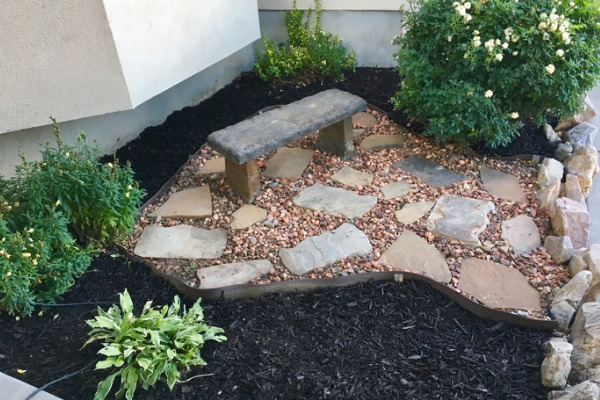
The best mulch around the foundation of a house often depends on the specific needs of the landscaping, the climate, and the types of plants involved. However, some general recommendations can be made based on effectiveness, aesthetics, and functionality.
Organic Mulch Choices
Using organic mulch is often a preferred choice because it improves soil quality over time as it decomposes. Some popular types of organic mulch include:
- Wood Chips: They are durable and help retain moisture while suppressing weeds.
- Bark Mulch: This is aesthetically pleasing and can last for several years without needing replacement.
- Straw or Hay: This type of mulch is beneficial for enriching the soil, though it may need replacing annually.
Inorganic Mulch Benefits
See also:
While organic materials decompose, inorganic mulch options like gravel or rubber can provide long-lasting solutions. These materials do not break down and require less maintenance.
- Gravel: This is excellent for drainage and can prevent soil erosion while enhancing the overall look of the landscape.
- Rubber Mulch: Made from recycled tires, it is extremely durable and effective at weed control.
- Rock or Stone: These are low-maintenance choices and can complement hardscaping well.
Weed Control Efficiency
The primary benefit of applying mulch around the foundation is to suppress weeds that compete with your plants. Effective mulch contributes significantly to reducing the amount of sunlight that reaches weed seeds.
- Prevention of Sunlight: A thick layer of mulch blocks sunlight, making it difficult for weeds to germinate.
- Barrier Creation: This layer acts as a physical barrier that discourages weed growth.
- Maintenance Ease: Once applied, mulch can significantly reduce the need for frequent weeding.
Moisture Retention Properties
One of the great benefits of mulch is its ability to retain moisture in the soil, especially during hot summer months. This means less frequent watering and healthier plants overall.
- Soil Temperature Regulation: Mulch keeps the soil cool during hot weather, preventing plant stress.
- Reduced Evaporation: A layer of mulch minimizes water loss from the soil, leading to fewer watering requirements.
- Improved Plant Health: Consistent moisture levels help maintain robust plant growth.
Pest Control Aspects
Certain types of mulch can also deter pests from infesting your plants. This natural pest control can contribute to a healthier garden environment.
- Cedar Mulch: Known for its natural insect-repellent properties, making it a good choice for keeping pests at bay.
- Herbaceous Mulch: Some organic mulches have properties that attract beneficial insects while deterring others.
- Maintenance of Habitat: By encouraging beneficial organisms, mulch can create a balanced ecosystem.
Should you not put mulch around your house?

Mulching around your house can have both benefits and drawbacks, so whether or not you should avoid it depends on various factors. Here are some crucial points to consider:
Potential Pest Attraction
Using mulch can create favorable conditions for certain pests, which can be a concern for homeowners.
- Insects: Mulch can attract insects such as termites, which may lead to structural damage.
- Rodents: Mice and other small rodents may find refuge under dense mulch layers, often leading to infestations.
- Ant Colonies: Certain types of mulch can provide an ideal nesting habitat for ants, which may disrupt your garden.
Moisture Retention Issues
While mulch is known for retaining soil moisture, excessive moisture trapped near the foundation can be problematic.
- Foundation Damage: Consistently wet soil can lead to erosion and weaken the foundation, causing cracks over time.
- Mold Growth: High moisture levels can encourage mold and mildew growth, posing health risks to residents.
- Midges and Mosquitoes: Stagnant moisture from mulch can attract these pests, creating an uncomfortable outdoor environment.
Competition for Nutrients
Mulch placed too close to the foundation may compete with landscaping plants for essential nutrients.
- Root Growth: Mulch can hinder root establishment, preventing plants from getting adequate nutrition.
- Soil Depletion: Over time, the decomposing mulch can leach nutrients from the soil, making it less fertile.
- Plant Health: Competing nutrients can lead to weaker, unhealthy plants that are more susceptible to disease.
Repair and Maintenance Concerns
Regular maintenance is required for mulched areas, and improper upkeep can create problems.
- Weed Growth: Without proper maintenance, weeds can thrive in mulched areas, competing with desirable plants.
- Mulch Decomposition: Over time, mulch breaks down and may need to be replaced, adding time and expense.
- Barrier Creation: Improperly placed mulch can act as a barrier to water and nutrients reaching the soil.
Fire Hazard Potential
In certain regions, mulch can pose a fire risk, especially during dry seasons.
- Combustibility: Organic mulches can catch fire, especially in hot and dry conditions, leading to wildfire risks.
- Proximity to Structures: Mulch that is too close to the home can elevate fire risk, especially in arid climates.
- Ignition Sources: A nearby grill or fire pit can ignite mulch, leading to quick spreading of flames.
Questions from Our Readers
What are some alternatives to mulch for landscaping?
Alternatives to mulch include materials like straw, wood chips, grass clippings, and even shredded leaves. These options not only help retain moisture but also improve soil quality as they break down over time.
Can I use cardboard or newspaper instead of mulch?
Yes, using cardboard or newspaper is effective as they smother weeds and gradually decompose, providing nutrients to the soil. Just be sure to layer them thickly and cover with another material to prevent wind from blowing them away.
Is gravel a good mulch alternative?
Gravel is a durable option that can be used around plants to control weeds and manage moisture. Unlike organic materials, it does not decompose, so it requires less maintenance, although it can heat up and affect soil temperatures.
Can I use pine needles as a mulch substitute?
Absolutely, pine needles make an excellent mulch substitute as they are lightweight and provide good insulation for soil. They also allow for adequate water penetration while naturally acidifying the soil, benefiting acid-loving plants.
See also:
If you want to read more articles like 10 Effective Alternatives: What to Use Around the House Instead of Mulch?, we recommend you check out our Mulch category.
Leave a Reply
Related Articles