What Should You Put Down Before Laying Turf? The Essential Guide for a Successful Lawn Installation
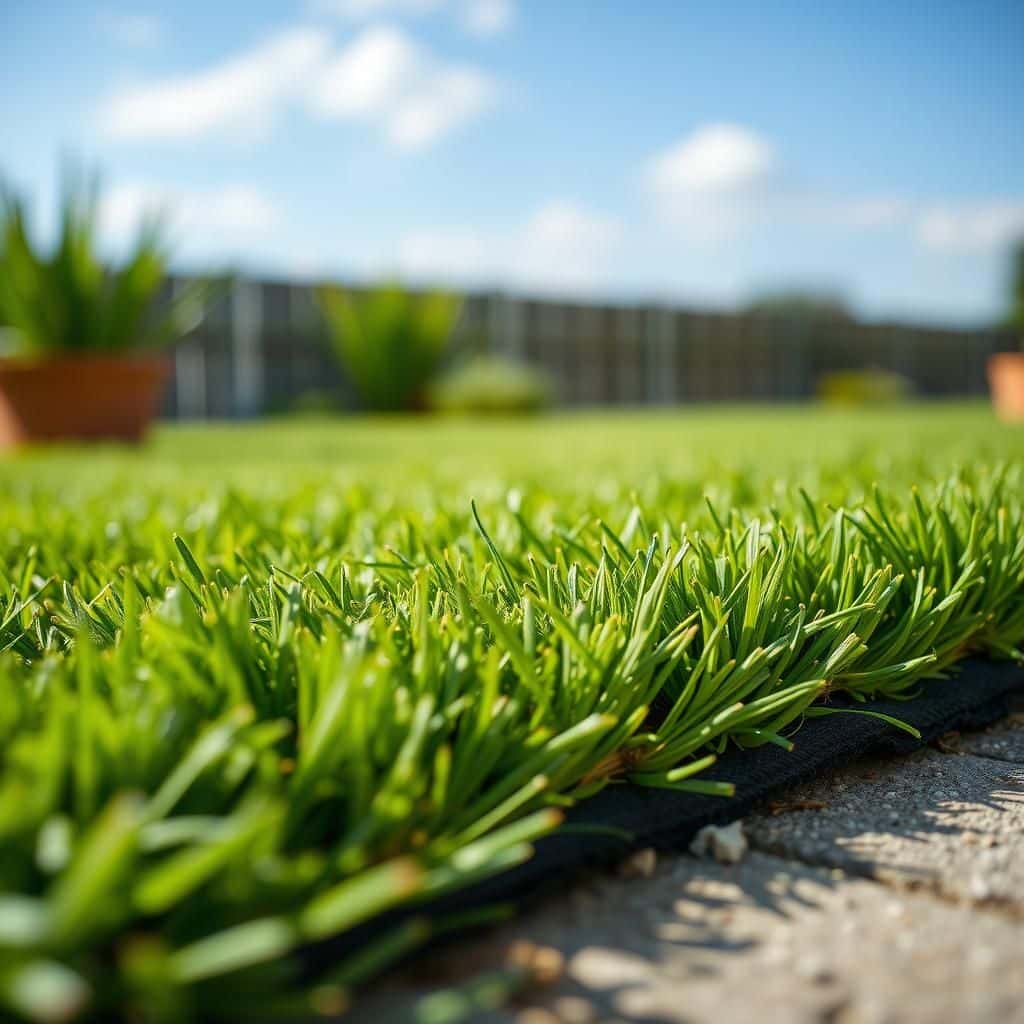
Installing new turf can transform your outdoor space into a lush, green oasis, but achieving the perfect lawn requires careful preparation. Before laying down turf, it's essential to understand what to put down to ensure optimal growth and longevity. This comprehensive guide will walk you through the necessary steps and materials needed for a successful lawn installation. From soil preparation and amendments to weed barriers and proper drainage, we’ll cover everything you need to know. By following our expert tips, you'll set the stage for a thriving garden that enhances your home's curb appeal and provides a comfortable area for relaxation and play.
What Should You Put Down Before Laying Turf?
Before laying turf, it is essential to establish a solid foundation to ensure healthy growth and longevity of the grass. Start by removing any existing vegetation, rocks, or debris from the area where the turf will be laid. Next, it is advisable to level the soil to create a smooth surface and prevent any uneven patches. Adding a layer of good-quality topsoil or compost will enhance the nutrient content, promoting better root development. Finally, a starter fertilizer can be applied to provide essential nutrients that will support the newly laid turf as it establishes itself in its new environment.
Soil Preparation
Proper soil preparation is crucial for laying turf effectively. Begin by testing the soil to determine its pH level and nutrient content. Depending on the results, you may need to amend the soil with organic matter or nutrients. After amendments, till the soil to a depth of at least 4-6 inches, which helps to aerate the soil and allows for better root penetration. Once the soil is amended and tilled, remove any debris and rake the area to create a smooth, even surface that is ideal for laying turf.
Weed Control
Before laying turf, effective weed control is necessary to prevent unwanted growth that can compete with the new grass. This can be achieved by applying a non-selective herbicide to kill existing weeds or manually removing them by hand. It is best to allow several days for the herbicide to take effect before laying the turf. Additionally, covering the area with a black tarp for a few weeks can help suffocate remaining weeds, ensuring a clean environment for the turf.
Drainage Considerations
Ensuring good drainage is vital when preparing the area for turf. If water pools or saturates the soil, it can lead to root rot and other problems for the new grass. Assess the area for proper grading, making sure the turf will be installed on a slight slope away from structures to promote drainage. If necessary, incorporate drainage solutions such as French drains or soil amendments to improve water movement through the ground.
Fertilization
The application of a suitable starter fertilizer before laying turf can significantly enhance the establishment of the grass. Look for a fertilizer with a high phosphorus content, which promotes root development. Apply the fertilizer evenly across the prepared soil, following the recommended rates on the package. This nutrient boost will help the turf thrive as it roots into the soil and begins to grow.
Mulching
Using organic mulch can provide several benefits before laying turf. Applying a thin layer of mulch, such as straw or grass clippings, helps retain soil moisture and suppresses weed growth. Be careful not to apply it too thickly, as this can suffocate the turf once it is laid. Mulching in this way creates a conducive environment, especially in the early days after turf installation when the roots are still taking hold.
| Step | Description |
|---|---|
| Remove Existing Vegetation | Clear the area of all plants, rocks, and debris. |
| Level Soil | Ensure a smooth surface by leveling the soil. |
| Add Topsoil | Enhance soil quality with topsoil or compost. |
| Apply Fertilizer | Use a starter fertilizer to support new grass. |
| Weed Control | Implement measures to eliminate weeds before turf installation. |
What do you put down before laying turf?
To ensure a healthy and vibrant lawn, it's imperative to prepare the ground properly before laying turf. The following are the essential elements that should be put down before installing turf:
1. Soil Preparation
Preparing the soil is a crucial step before laying turf. This involves loosening the existing soil and improving its overall quality, which can be achieved through the following:
- Removing Debris: Clear the area of rocks, roots, and any old vegetation to provide a clean slate for the new turf.
- Tilling the Soil: Aerate the soil by using a tiller to break it up, which enhances drainage and allows nutrients to penetrate better.
- Leveling the Surface: Ensure the soil is even and smooth, as this will help prevent water pooling and provide a uniform base for the turf.
2. Amending the Soil
Amending the soil with organic matter helps improve soil texture and fertility. This can be done by:
- Adding Compost: Incorporate well-rotted compost into the soil for enhanced nutrient content.
- Testing Soil pH: Check the soil pH level to ensure it is conducive for grass growth, often between 6.0 and 7.0.
- Add Fertilizer: A starter fertilizer can be mixed into the soil to provide essential nutrients that will encourage the grass roots to develop.
3. Installing Edging
Edging can provide a professional finish to your lawn and helps in maintaining the boundaries. Consider these methods:
- Plastic Edging: Install plastic edging to create clean lines and prevent grass from creeping into flower beds or walkways.
- Stone or Brick Edging: For a more decorative look, use stones or bricks to delineate the lawn area.
- Natural Edging: Use a shovel to create a trench at the edges, allowing for a natural separation between the lawn and other areas.
4. Applying a Weed Barrier
To prevent weed growth, consider laying down a barrier. This can involve:

- Using Landscape Fabric: Lay down landscape fabric on the soil—this allows water and nutrients to pass through while blocking weeds.
- Applying Mulch: Use organic mulch such as wood chips or straw to suppress weeds while maintaining moisture in the soil.
- Pre-emergent Herbicides: For additional weed control, apply a pre-emergent herbicide according to the manufacturer's instructions.
5. Watering the Area
Finally, watering is essential to set the turf in place and promote healthy growth. Follow these steps:
- Moistening the Soil: Water the soil thoroughly before laying the turf, ensuring it's damp but not waterlogged.
- Maintaining Consistency: After laying the turf, keep the soil consistently moist for the first few weeks until the roots establish.
- Avoiding Overwatering: Monitor the turf for signs of overwatering, such as pooling water or yellowing, and adjust your watering schedule accordingly.
What to put down before artificial turf?
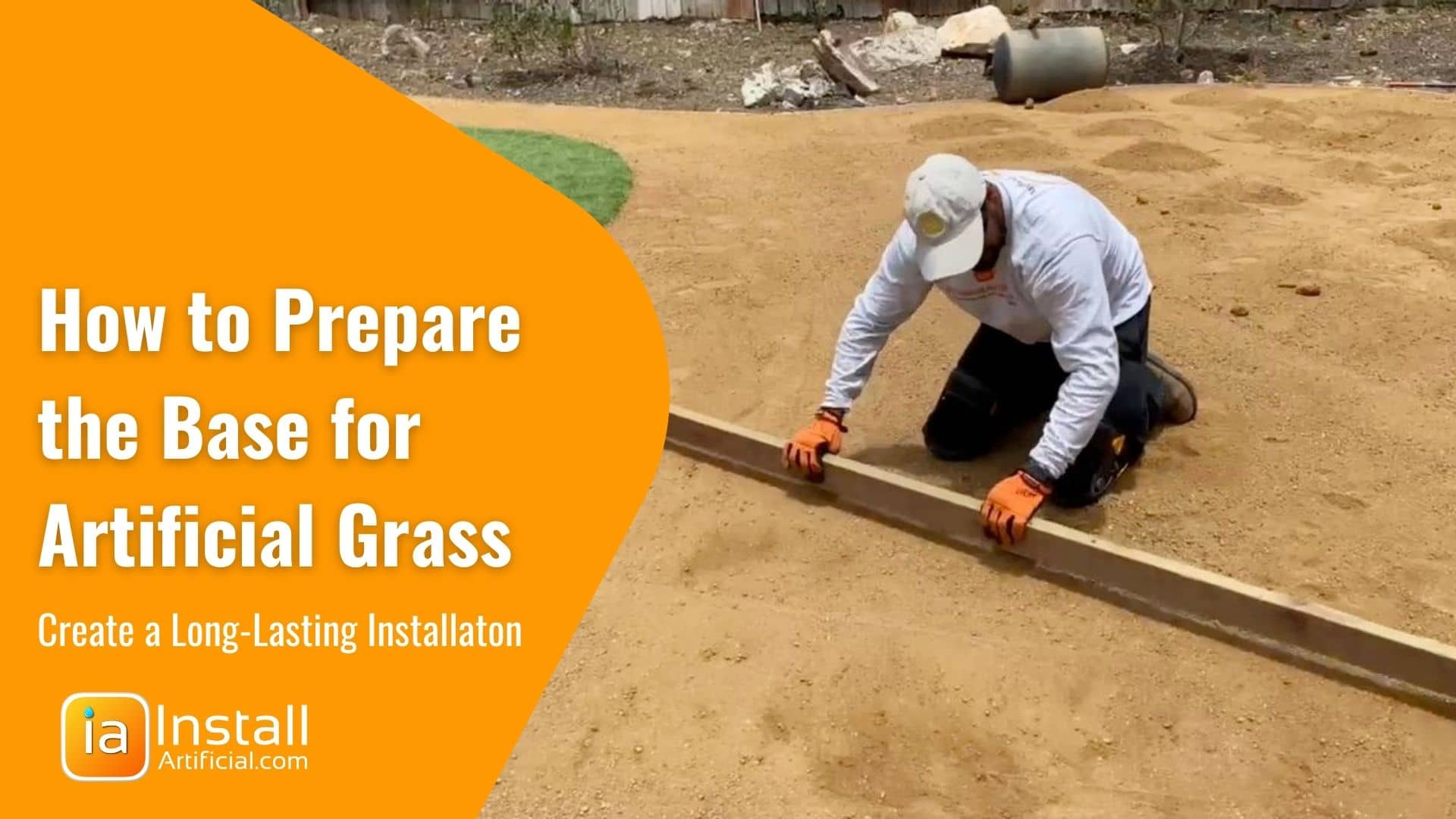
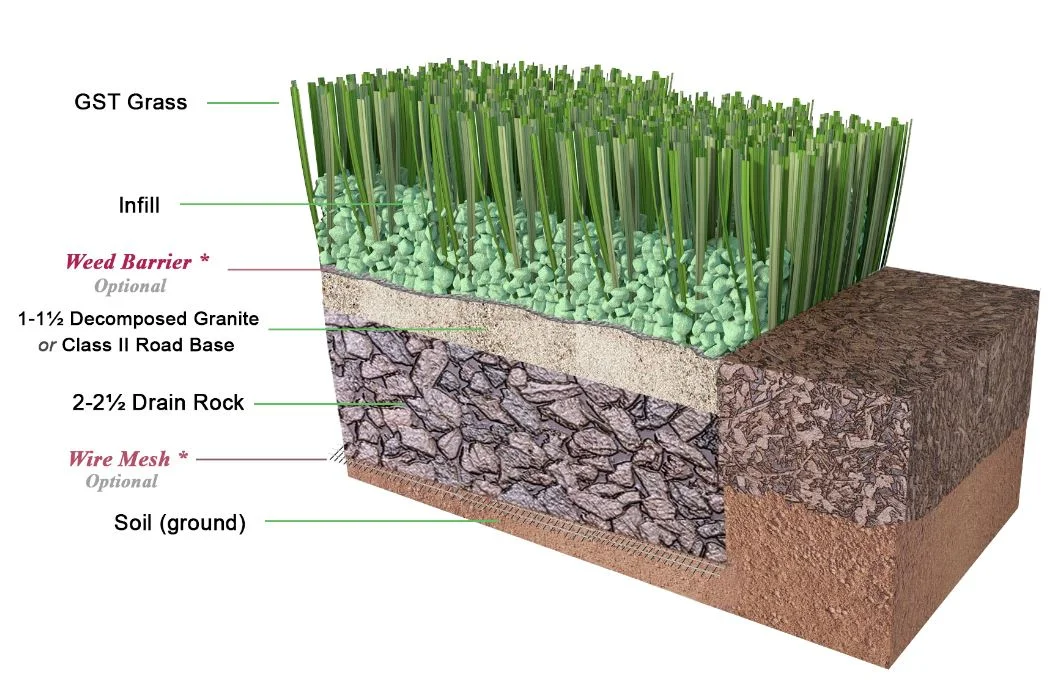
Before installing artificial turf, it is crucial to prepare the ground properly to ensure a long-lasting and functional surface. The following steps outline the essential materials and processes needed prior to laying artificial turf.
Soil Preparation
Preparing the soil is one of the most important steps. It involves removing any existing grass, weeds, or debris to create a level surface.
- Clear the Area: Remove all vegetation and debris from the installation area.
- Grade the Soil: Ensure the ground is level and slopes away from buildings to facilitate drainage.
- Compaction: Compact the soil to create a solid base that prevents settling.
Base Material Installation
A proper base material is vital for supporting the turf and providing adequate drainage.
- Granular Base: Use crushed rock or granite stone, typically a depth of 3-4 inches, to lay the base.
- Even Distribution: Distribute the base material evenly across the area for a uniform surface.
- Compaction Again: Compact the base material thoroughly to prevent any shifts or unevenness over time.
Weed Barrier Fabric
Installing a weed barrier fabric is essential to prevent weeds from growing through the artificial turf over time.
- Choose a Durable Fabric: Select a high-quality landscape fabric that allows drainage but blocks weed growth.
- Cut to Fit: Cut the fabric to cover the entire area and overlap seams to ensure complete coverage.
- Secure the Fabric: Use stakes or landscape pins to secure the fabric in place, preventing movement during installation.
Drainage Considerations
Proper drainage is key to maintaining the longevity and functionality of artificial turf.
- Grade the Base Material: Ensure the base material is graded to allow for optimal water flow away from structures.
- Install Drainage Pipes: If necessary, install perforated drainage pipes in areas prone to standing water.
- Test Drainage: Before laying turf, test the drainage system by watering the area and observing water movement.
Sandbox or Soft Pad (Optional)
For added comfort or play areas, consider installing a sandbox or a soft pad underneath the turf.
- Choose the Right Material: Use a sand or rubber pad that provides cushioning without interfering with drainage.
- Install Evenly: Ensure that the layer is even and not too thick to maintain proper turf stability.
- Secure Edges: Secure the edges of the pad to prevent shifting and ensure it stays in position during turf installation.
How do I prepare my ground for turf?
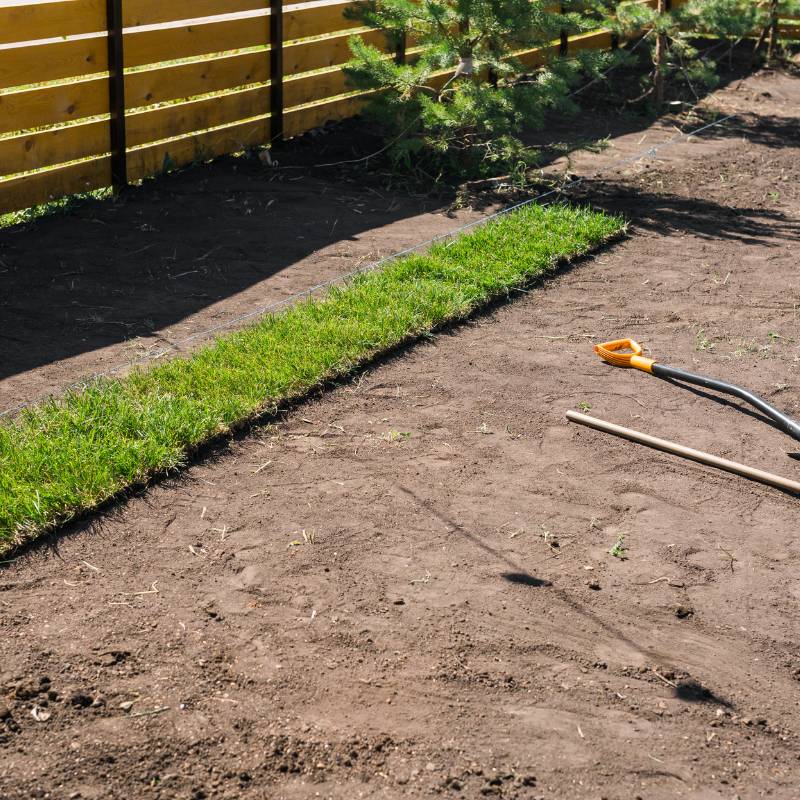
To prepare your ground for turf, follow these steps carefully to ensure a healthy and vibrant lawn. Proper preparation is crucial as it sets the foundation for successful turf growth.
Assess the Site
Assessing the site is the first step to successful turf installation. Evaluate sunlight, drainage, and soil type to determine the best approach.
- Sunlight: Observe how much sun the area receives throughout the day. Most grasses require at least 6-8 hours of sunlight.
- Drainage: Check for any standing water or poorly draining areas. Good drainage is essential to prevent turf diseases.
- Soil type: Determine if the soil is sandy, clay, or loamy. Each type requires different amendments for optimal growth.
Clear the Area
Clearing the area is critical before laying turf. Remove any existing vegetation, debris, and obstacles to ensure a clean foundation.
- Grass and Weeds: Use a sod cutter or herbicide to eliminate existing grass and weeds. This prevents competition for nutrients.
- Debris Removal: Rake up leaves, sticks, and stones. A clean surface helps turf to establish roots more effectively.
- Obstacles: Remove any rocks, brick, or other materials that may hinder turf growth.
Soil Preparation
Soil preparation involves inspecting and improving the soil to create a hospitable environment for turf growth.
See also:
- Tilling: Loosen the top 3-4 inches of soil with a rototiller to enhance aeration and water penetration.
- Soil Test: Conduct a soil test to measure pH and nutrient levels. This will help you determine necessary amendments.
- Amendments: Based on the soil test, add organic matter, fertilizers, or lime to improve soil fertility and structure.
Level the Surface
A level surface is crucial for an even installation of turf. This ensures proper water distribution and minimizes pooling.
- Raking: Use a garden rake to level the surface after tilling. This helps eliminate high and low spots.
- Rolling: Lightly roll the soil with a lawn roller to compact the surface and detect any remaining depressions.
- Final Touches: Make any last adjustments to the surface before laying the turf to ensure a perfect layout.
Irrigation Setup
Setting up irrigation ensures your turf receives adequate moisture, which is vital for its establishment and growth.
- Water Source: Ensure a reliable water source, whether it’s a hose, sprinkler system, or irrigation setup.
- Watering Plan: Develop a schedule for watering the turf once laid. Newly installed turf needs regular watering.
- Monitoring: After installation, monitor the moisture levels frequently to prevent over or under-watering.
What fertilizer to put down before turf?
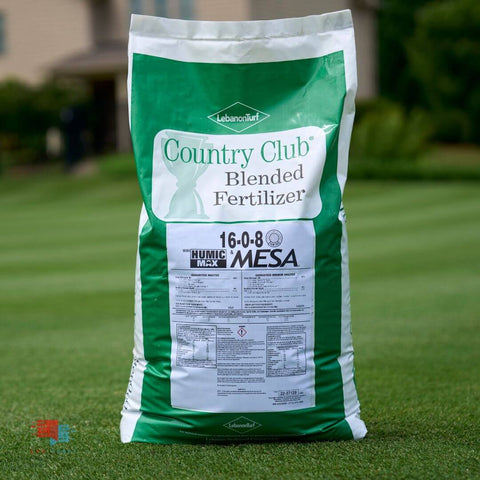
To ensure the successful establishment of turf, the choice of fertilizer is crucial. Before laying down turf, it is recommended to apply a starter fertilizer designed specifically for new grass. These fertilizers typically contain higher levels of phosphorus, which is essential for root development, compared to regular lawn fertilizers. Applying a high-quality fertilizer can enhance the establishment and promote vigorous growth in the initial weeks after installation.
Understanding Starter Fertilizers
Starter fertilizers are specially formulated to provide new grass with the necessary nutrients right from the beginning. They usually contain a balanced ratio of nitrogen (N), phosphorus (P), and potassium (K), often in the form of a ratio like 18-24-12. The higher phosphorus content supports strong root development, essential for turf to thrive.
- Higher phosphorus levels are critical for new grass.
- Usually comes in pellet or granular form for easy application.
- Can promote healthier, deeper roots quickly.
Choosing the Right N-P-K Ratio
When selecting a fertilizer for turf installation, it's important to consider the N-P-K ratio. The first number stands for nitrogen, which promotes leafy growth; the second number is phosphorus, vital for root development; and the third number represents potassium, which helps overall plant health. A recommended ratio for starter fertilizer is 10-20-10 or 15-30-15, indicating a focus on root establishment.
- Look for fertilizers labeled specifically for starters.
- Consider local soil tests to adjust nutrient levels.
- Choose products with slow-release formulations for sustained feeding.
Application Tips for Best Results
Proper application of fertilizer is key to maximizing its benefits. Before laying turf, it's advisable to lightly aerate the soil and apply the fertilizer evenly. Using a broadcast spreader can help achieve uniform coverage. Additionally, watering the area gently after application helps the fertilizer penetrate the soil and reach the turf roots effectively.
- Aerate the soil before application for better nutrient contact.
- Use a spreader to ensure even distribution.
- Water lightly after fertilization to activate the nutrients.
Timing Your Fertilization
The timing of fertilizer application can significantly impact the success of turf establishment. It's recommended to apply starter fertilizer immediately before or at the same time as laying the turf. This timing ensures that the nutrients are readily available for the new grass as it begins to take root in its new environment.
- Apply fertilizer 1-2 days before turf installation.
- Consider seasonal conditions—fall or spring is ideal in many regions.
- Avoid fertilizing during extreme weather (heat or frost).
Organic vs. Synthetic Fertilizers
When deciding between organic and synthetic fertilizers for pre-turf application, both have their advantages. Organic fertilizers tend to improve soil health over time and provide a slow release of nutrients, while synthetic fertilizers often deliver immediate nutrient availability and are easier to quantify in their nutrient content. The choice depends on individual gardening preferences and soil conditions.
- Organic options can enhance soil structure and microbial activity.
- Synthetic fertilizers may provide rapid establishment benefits.
- Consider local growing conditions when deciding on the type.
Questions from Our Readers
What should I do to prepare the soil before laying turf?
To prepare the soil for turf, you should first clear the area of any weeds, rocks, and debris, then aerate the soil to promote root growth. After that, it's important to level the surface and add a mixture of topsoil and organic matter to enhance soil quality.
How important is soil testing before laying turf?
Soil testing is crucial as it helps determine the pH level and nutrient content of the soil, which can significantly affect the health and growth of your turf. By understanding these factors, you can make necessary amendments, such as adding lime to raise pH or fertilizers to provide essential nutrients.
Should I use a starter fertilizer before laying turf?
Yes, using a starter fertilizer before laying turf is highly recommended because it provides the necessary nutrients that promote strong root development in new grass. This initial boost can help your turf establish more quickly and become resilient.
Is it necessary to water the soil before laying turf?
Absolutely, watering the soil before laying turf is essential as it helps to moisten the ground and facilitates better root establishment for the new grass. However, avoid over-watering, as overly saturated soil can lead to compaction and root problems.
See also:

If you want to read more articles like What Should You Put Down Before Laying Turf? The Essential Guide for a Successful Lawn Installation, we recommend you check out our Turf category.
Leave a Reply
Related Articles