What Should You Not Do with a Bamboo Plant? Essential Tips for Care and Maintenance
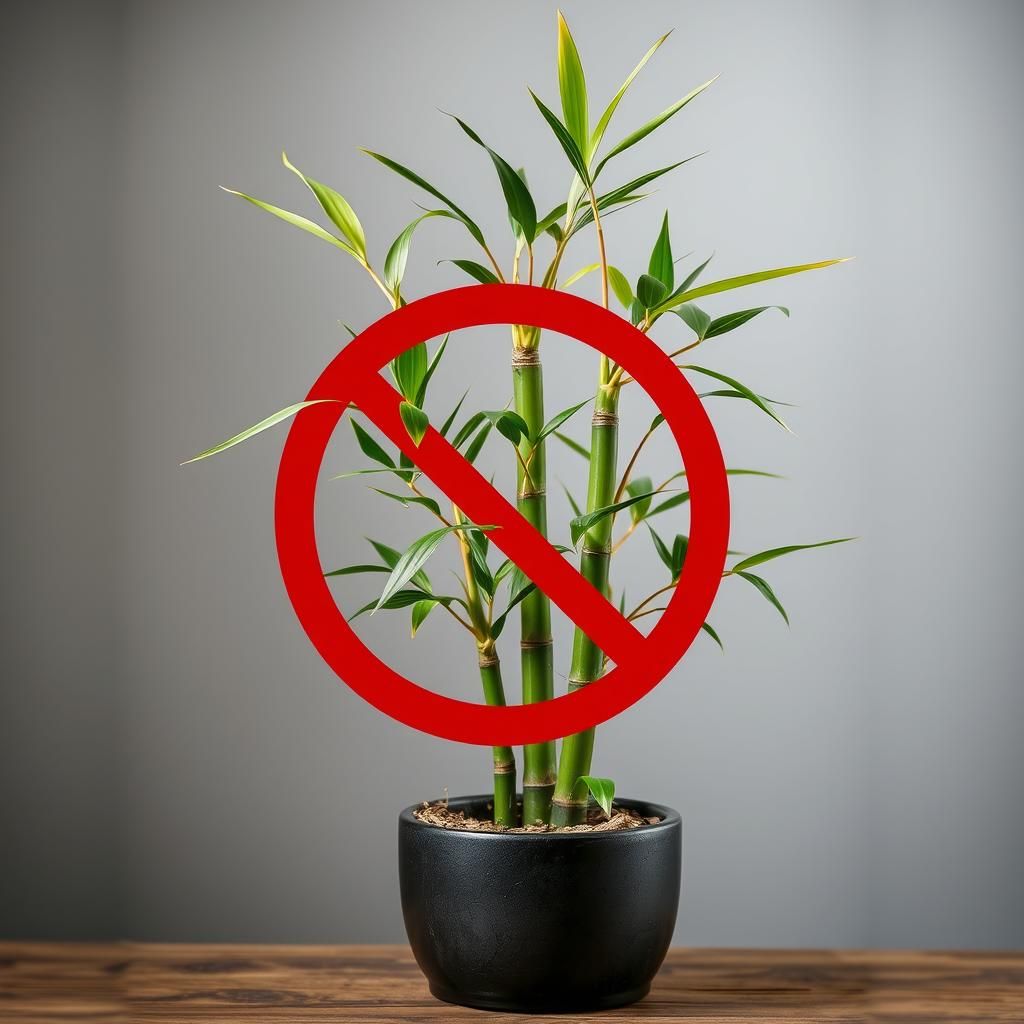
Bamboo plants are popular for their aesthetic appeal and adaptability, making them a favored choice for indoor and outdoor spaces. However, improper care can lead to a host of problems that may jeopardize their health and longevity. Understanding what not to do with your bamboo plant is crucial for maintaining its vibrancy and growth. In this article, we will explore essential tips for the care and maintenance of bamboo, highlighting common mistakes to avoid. By following these guidelines, you can ensure your bamboo thrives and continues to enhance your environment for years to come.
What Not to Do with a Bamboo Plant
Bamboo plants are known for their rapid growth and elegant appearance, but improper care can lead to issues that may harm or even kill the plant. One major thing to avoid is over-watering; while bamboo enjoys moist conditions, allowing it to sit in waterlogged soil can promote root rot and other health problems. Additionally, neglecting proper sunlight exposure can stunt growth or cause the leaves to yellow. Using unbalanced fertilizers or applying them too frequently can also damage the plant by prompting excessive growth at the expense of overall vitality.
Over-Watering
One of the most crucial mistakes you can make with a bamboo plant is over-watering. Bamboo thrives in moist soil, yet it requires well-draining conditions. Too much water can saturate the soil and lead to root rot, a condition that can quickly diminish the health of the plant. To avoid this mistake, ensure that the pot has adequate drainage and only water when the top inch of soil feels dry to the touch.
Improper Sunlight Exposure
Bamboo plants need to be situated in the right light conditions to flourish. Exposing them to too little sunlight can lead to weak, leggy growth and a lack of leaf vigor. Conversely, direct sunlight can scorch the leaves, resulting in brown patches. Aim to provide your bamboo with bright, indirect light, and consider relocating it if you notice signs of distress.
Neglecting Fertilization
Providing your bamboo with the right nutrients is essential for its growth, but it's equally important not to over-fertilize. Excessive fertilizer can lead to nutrient burn, which can damage the roots and leaves. Ideally, use a balanced fertilizer diluted to half strength and apply it during the growing season, following the manufacturer's recommendations to avoid harming the plant.
Ignoring Pests and Diseases
Like any other plant, bamboo is susceptible to pests and diseases. Ignoring signs of infestation, such as discoloration or wilting, can lead to more significant problems. Regularly inspect your bamboo for common pests like spider mites or aphids, and treat infestations promptly to maintain a healthy plant.
Improper Pruning
Pruning is vital for bamboo maintenance, but improper cuts can lead to severe damage. Avoid cutting too much at once or making cuts in inappropriate places, as this can stress the plant or encourage disease. Instead, prune selectively and ensure that you're using clean, sharp tools to minimize stress and promote healthy growth.
| Common Mistakes | Description |
|---|---|
| Over-Watering | Excessive water leads to root rot. |
| Improper Sunlight | Too much or too little light affects growth. |
| Neglecting Fertilization | Under or over-fertilization harms the plant. |
| Ignoring Pests | Overlooked infestations can damage the plant. |
| Improper Pruning | Incorrect cuts can stress the bamboo. |
What are the negatives of bamboo?

Bamboo is often praised for its sustainability and versatility; however, it comes with several drawbacks that can affect its overall utility. Below are some of the key negatives associated with bamboo:
Environmental Concerns
Bamboo cultivation is often seen as an environmentally friendly option, but there are some significant environmental concerns associated with it:
- Invasive Species: Certain species of bamboo can become invasive, outcompeting local flora and disrupting ecosystems.
- Monoculture Practices: Large-scale bamboo farming can lead to monocultures, reducing biodiversity and making lands more vulnerable to pests and diseases.
- Pesticide Use: While bamboo is generally resistant to pests, some farmers resort to pesticides, which can lead to soil and water contamination.
Durability Issues
Despite its reputation for being strong, bamboo has its own durability issues when compared to other materials:
- Susceptibility to Moisture: Bamboo can absorb water and may warp or rot if not treated properly, leading to decreased longevity.
- Insect Infestation: Untreated bamboo can be prone to termites and other wood-boring pests, compromising its structural integrity.
- Limited Lifespan: Once installed as flooring or as part of construction, bamboo can wear out more quickly than hardwoods, requiring replacement sooner.
Maintenance Requirements
Bamboo requires specific maintenance practices to ensure its longevity and performance:
- Regular Sealing: Bamboo needs to be regularly sealed to protect it from moisture, which adds to the maintenance workload.
- Cleaning Protocol: Detergents and cleaning solutions can damage bamboo if used improperly, requiring careful selection of products.
- Repairs and Replacement: Damaged sections can be tricky to repair, and finding matching bamboo for replacement can be challenging.
Cost Factors
While often marketed as a cost-effective alternative, cost factors can complicate bamboo's appeal:
- Import Costs: If bamboo is not locally sourced, the importation costs can be significant, raising the overall price.
- Processing Expenses: The processing and treatment methods required to enhance durability can increase the cost of bamboo products.
- Market Variability: Prices for bamboo can fluctuate significantly based on demand, affecting budget considerations for consumers.
Perception and Acceptance
Finally, the perception and acceptance of bamboo as a material can present challenges:
- Traditional Preferences: Some consumers and builders may have a preference for traditional materials like wood or stone, limiting bamboo's market.
- Misconceptions: Many may underestimate bamboo’s weaknesses, leading to dissatisfaction once they experience its limitations firsthand.
- Style Limitations: The aesthetic of bamboo may not appeal to everyone, potentially impacting demand in specific markets.
In what states is it illegal to plant bamboo?

Bamboo is considered an invasive species in several states across the United States, leading to restrictions on its planting. The specific states where it is illegal or heavily regulated to plant bamboo include:
See also:
1. California: In certain regions, the planting of bamboo is restricted to prevent its spread into natural habitats.
2. Hawaii: Due to the sensitive ecosystem, Hawaii has strict regulations concerning the planting of many plants, including bamboo.
3. Florida: Similar to California and Hawaii, some counties in Florida have banned or regulated bamboo due to its potential to invade local ecosystems.
4. Georgia: In areas where it poses a risk to local flora and fauna, bamboo planting may be limited or prohibited.
5. Massachusetts: There are guidelines to prevent planting invasive species, which include certain types of bamboo.
Reasons for Bamboo Planting Restrictions
The restrictions on bamboo planting are primarily due to its invasive nature. Here are the main reasons:
- Invasive Growth: Bamboo can spread rapidly, choking out native plants.
- Environmental Impact: Invasive species can alter habitats and ecosystems.
- Control Difficulty: Once established, it is challenging to eradicate bamboo.
Types of Bamboo Regulated
Not all species of bamboo are treated equally under regulations; some are more problematic than others. The commonly regulated types include:
- Running Bamboo: This type spreads aggressively and is often the focus of legal restrictions.
- Clumping Bamboo: Typically less invasive, but some species may still be regulated.
- Hybrid Varieties: Often bred for specific traits, but controlled due to potential invasiveness.
Impact of Bamboo on Local Ecosystems
Understanding the implications of planting bamboo is crucial for ecosystem health. Some key impacts are:
- Competition for Resources: Bamboo can outcompete native plants for sunlight, water, and nutrients.
- Habitat Alteration: Its dense growth can change local wildlife habitats.
- Soil Erosion: While it can stabilize soil, its rapid growth may disrupt stable ecosystems.
Alternatives to Bamboo
If you are considering planting bamboo but face restrictions, there are alternatives to explore:
- Native Grasses: They can provide similar aesthetic benefits without the invasive risks.
- Non-invasive Bamboo Varieties: Look for bamboo species specifically labeled as non-invasive.
- Other Ornamental Plants: Consider using plants that provide similar visual appeal with fewer ecological impacts.
How to Control Bamboo Spread
For those who already have bamboo planted, managing its spread is critical. Here are some methods:
- Physical Barriers: Install barriers to limit root spread.
- Regular Maintenance: Prune bamboo regularly to prevent excessive growth.
- Herbicide Use: In extreme cases, herbicides may be necessary to control growth, following local regulations.
Questions from Our Readers
What should you not do with a bamboo plant?
Do not overwater your bamboo plant, as this can lead to root rot and adversely affect its health. Ensure that the soil is well-draining and that you allow it to dry out a bit between waterings.
Can you place bamboo plants in direct sunlight?
Avoid placing bamboo plants in direct sunlight for extended periods, as they prefer filtered light or partial shade. Too much direct sunlight can cause the leaves to scorch and turn brown.
See also:
Is it okay to use regular soil for bamboo plants?
Do not use regular soil that lacks proper drainage for your bamboo. Instead, opt for a well-draining potting mix that allows for adequate airflow and moisture retention.
Should you neglect feeding your bamboo plant?
Do not neglect fertilizing your bamboo plant, as they benefit from a balanced fertilizer during the growing season. Providing nutrients will help maintain their vibrant growth and overall health.

If you want to read more articles like What Should You Not Do with a Bamboo Plant? Essential Tips for Care and Maintenance, we recommend you check out our Pots category.
Leave a Reply
Related Articles