What Seeds Should Not Be Soaked Before Planting? Essential Tips for Successful Gardening

When it comes to gardening, proper seed preparation is crucial for ensuring a successful crop. While soaking seeds can promote germination for many types, not all seeds benefit from this practice. In fact, some seeds can suffer adverse effects when soaked, including rot and loss of viability. Understanding which seeds should remain dry before planting is essential for any gardener looking to optimize their planting strategy. This article will explore the seeds that should not be soaked, providing essential tips and insights to help you achieve a thriving garden while avoiding common pitfalls.
Which Seeds Should Not Be Soaked Before Planting?
Some seeds should not be soaked before planting due to their unique characteristics and requirements. Seeds such as corn, beans, or peas are typically resistant to soaking because they have hard seed coats that can absorb water without pre-soaking. Soaking may lead to rot or fungal issues. Additionally, seeds that are dormant or have specific germination conditions also do not benefit from soaking, as this can disrupt their natural growth cycle. It is crucial to understand the specific needs of each type of seed to ensure successful germination and healthy growth.
Seeds with Hard Coats
Seeds that have hard coats, like sunflower seeds and chickpeas, do not benefit from soaking. The hard outer layer protects the seed from environmental harm and allows it to take in moisture slowly when planted directly into the soil. Soaking these seeds can cause them to absorb too much water, leading to swelling and potential damage during the planting process.
Dormant Seeds
Dormant seeds are in a state of suspended growth and often require specific conditions to germinate. For instance, seeds like those of pines or many bulbs do not need soaking because they are designed to endure harsh conditions before sprouting. Premature soaking can disrupt their natural process, potentially resulting in poor germination rates.
Seeds Subject to Fungal Issues
Certain seeds are prone to fungal infections when soaked, such as pea and bean seeds. These seeds can absorb water too quickly, leading to conditions that favor fungal growth. Thus, it is recommended to plant them directly without initial soaking to prevent rot and ensure healthy growth.
Seeds That Germinate Best in Dry Conditions
Seeds that typically germinate in dry conditions should also be planted without soaking. For example, cactus seeds thrive in arid environments and can absorb water at their own pace once sown. Soaking these seeds can lead to overhydration, adversely affecting the germination process.
Quick-Germinating Seeds
Quick-germinating seeds such as radishes or lettuce do not require soaking because they have a quick turnaround time from germination to growth. These seeds efficiently utilize natural moisture available in the soil, and adding extra moisture from soaking can lead to over-saturation and a decrease in seed viability.
| Seed Type | Reason Against Soaking |
|---|---|
| Hard Coated Seeds | Can absorb too much water leading to damage |
| Dormant Seeds | Disrupts natural growth cycle |
| Fungal Prone Seeds | Increases risk of fungal infections |
| Dry Condition Seeds | Thrive without excess moisture |
| Quick-Germinating Seeds | Benefit from natural soil moisture |
Which seeds should you not soak?
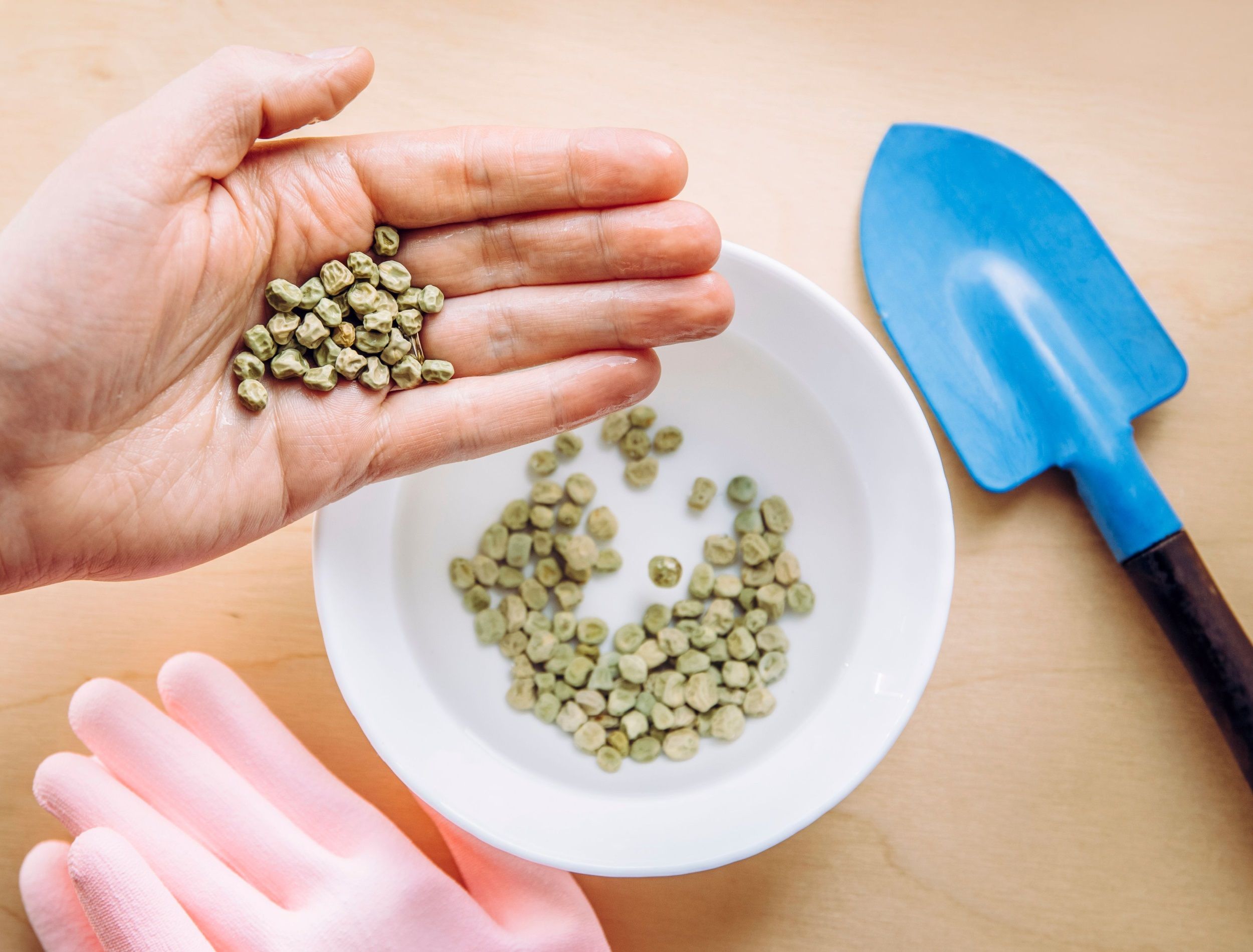
When it comes to seed preparation, soaking seeds can be an effective method to enhance germination. However, not all seeds benefit from soaking. Some seeds should be kept dry prior to sowing due to their unique characteristics or the risks associated with water exposure. Here are some seeds that should not be soaked before planting:
1. Lettuce Seeds - Lettuce seeds are very small and can easily become mushy when soaked. Soaking these seeds can lead to poor germination rates as they may not be able to absorb enough oxygen.
2. Carrot Seeds - Carrot seeds have a natural coating that helps retain moisture. Soaking them can wash away this coating, making them more susceptible to rot before they germinate.
3. Onion Seeds - Like carrot seeds, onion seeds have a protective layer. Soaking can cause them to break down and become non-viable.
See also:
4. Cilantro Seeds - The seeds of cilantro can become overly saturated if soaked, leading to reduced germination potential.
5. Parsley Seeds - Parsley seeds have dormancy characteristics that require a specific process, and soaking them can hinder their germination.
Why Soaking Can Be Detrimental
Soaking seeds is intended to simulate the natural conditions for germination, but for some, it can lead to negative outcomes. Here's why soaking can be detrimental:
- Risk of Rot: Excess water can lead to mold and fungal growth, causing seeds to rot.
- Loss of Viability: Some seeds can lose their germination potential when soaked too long.
- Disruption of Natural Processes: Certain seeds require specific conditions in nature to break dormancy.
Understanding Seed Dormancy
Many seeds have a natural state of dormancy that allows them to survive in unfavorable conditions. Soaking can disrupt this dormancy. Here's what you need to understand:
- Types of Dormancy: Seeds can be physiological, morphological, or physical in nature, each requiring different treatments for successful germination.
- Natural Triggers: Some seeds need exposure to cold, heat, or specific environmental conditions to break dormancy, which soaking can negate.
- Moisture Sensitivity: Excessive moisture can trigger premature germination, leading to weak or unhealthy seedlings.
Seed Specific Care Requirements
Each type of seed has unique requirements for germination. Not all seeds can handle the soaking treatment. Consider the following:
- Seed Size and Type: Larger seeds may benefit from soaking, while smaller seeds typically do not.
- Coating Presence: Protective layers in seeds like carrots and onions can be damaged by soaking.
- Environmental Adaptation: Some seeds are adapted to dry conditions and soaking may negate their natural strengths.
Alternatives to Soaking
If soaking is not recommended for certain seeds, there are several alternatives that can be effective. Here are some options:
- Scarification: This technique involves physically breaking or softening the seed coat to allow moisture entry.
- Stratification: This simulates natural winter conditions by keeping seeds moist and cold for a set period.
- Direct Sowing: Planting seeds directly into the soil can often be the best approach for seeds that shouldn't be soaked.
Best Practices for Seed Preparation
Understanding the best practices for seed preparation can increase your success rate dramatically. Here are some general tips:
- Research Seed Types: Always look up specific seeds before planting to know their needs.
- Observe Local Conditions: Adapt your methods based on your local climate and soil conditions.
- Experiment Cautiously: If uncertain, try small batches to see how non-soaked seeds perform.
Can all seeds be soaked before planting?

Soaking seeds before planting is a common practice in gardening and agriculture that can enhance germination rates and promote faster growth. However, not all seeds benefit from soaking, and some may even be negatively impacted by this process. Here’s a breakdown of the various aspects to consider when deciding if seeds should be soaked before planting.
Understanding Seed Types
Different seeds have varying structures and requirements. Some seeds, particularly those with thick coats, benefit from soaking. Others, especially delicate seeds, may be harmed by being soaked in water too long. Here are some types of seeds categorized by their soaking needs:
- Hard-coated seeds: These seeds typically require soaking to break dormancy and initiate germination.
- Soft-coated seeds: They can often be soaked for shorter periods to enhance germination without the risk of damage.
- Delicate seeds: Seeds like petunias or lettuce can be damaged by prolonged soaking and are best sown directly in moist soil.
Benefits of Soaking Seeds
Soaking seeds has several benefits that can lead to successful germination and growth:
- Accelerated germination: Soaking can hydrate seeds and kickstart the germination process.
- Disease prevention: Soaking in certain solutions can help reduce the risk of fungal infections.
- Uniform germination: Helps ensure seeds germinate at the same time, promoting healthy seedlings.
Negative Effects of Soaking Seeds
While soaking seeds can be beneficial, it also carries some risks that must be taken into account:
See also:
- Over-saturation: Prolonged soaking can lead to seed rot or fungal issues.
- Loss of viability: Some seeds may lose their ability to germinate if soaked for too long.
- Inconsistent results: Not all species respond the same way to soaking, potentially leading to disappointing results.
Recommended Soaking Techniques
When you decide to soak seeds, following certain techniques can lead to better outcomes:
- Time: Soak for 12 to 24 hours, depending on the seed type.
- Temperature: Keep the soaking water at room temperature for optimal results.
- Water quality: Use clean water, or consider using distilled or rainwater to avoid chemicals that might harm the seeds.
Examples of Soaked Seeds
Certain seeds notably benefit from soaking. Here are a few typical examples:
- Beans: Soaking beans for 8-12 hours can significantly reduce germination time.
- Peas: Like beans, peas also benefit from soaking to soften their coats and promote sprouting.
- Sunflowers: These seeds soak well, which can help speed up germination and improve vigor.
What happens if you soak seeds too long?
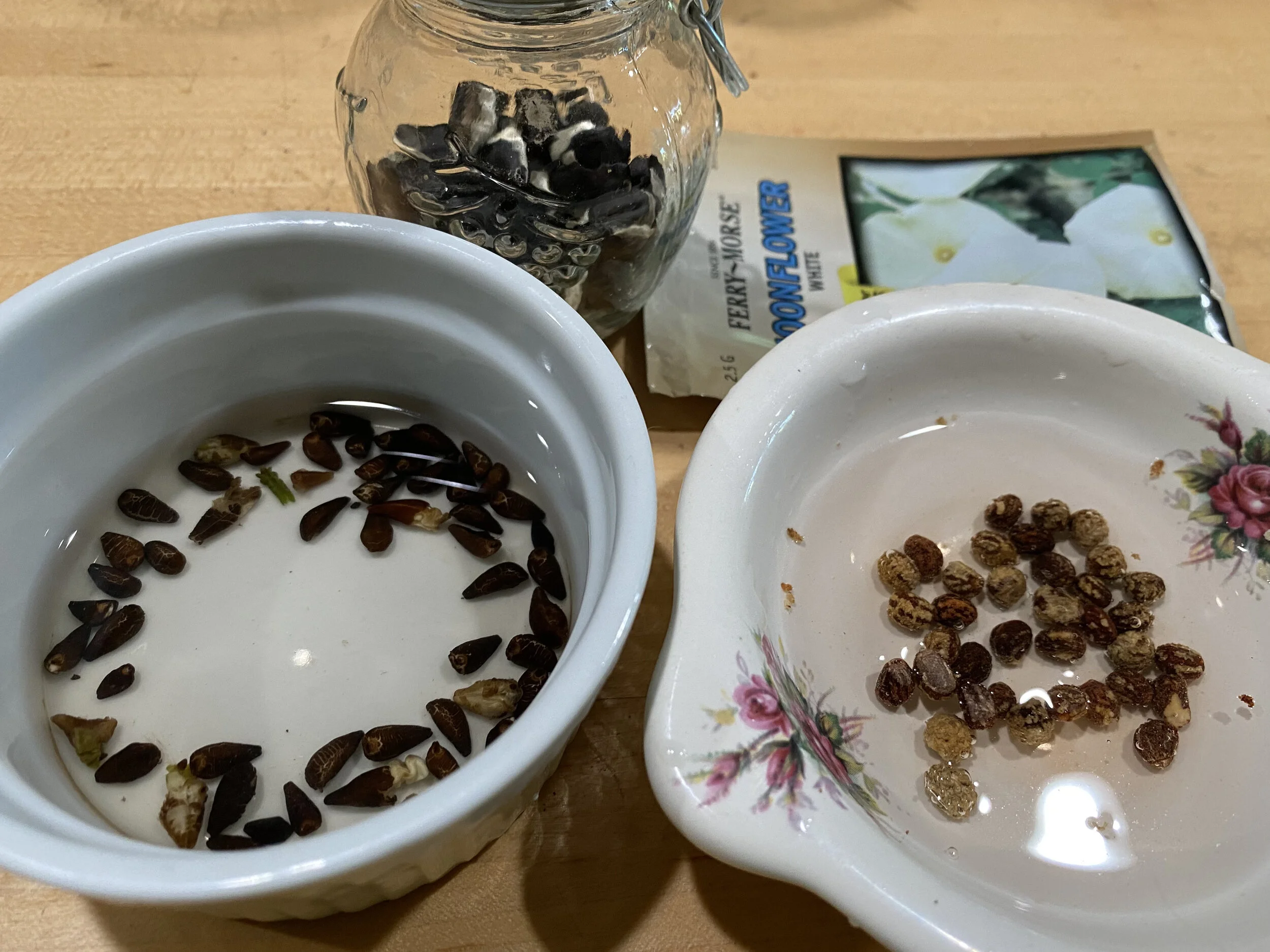
Soaking seeds is a common practice among gardeners to initiate the germination process by allowing seeds to absorb moisture. However, if seeds are soaked for too long, several negative consequences can occur.
When seeds are submerged in water excessively, they can suffer from various issues that impede their ability to germinate effectively. Over-soaking can lead to the seeds drowning, fungal infections, or loss of vitality. Here's a detailed overview of what happens when seeds are soaked too long.
Effects of Drowning on Seeds
When seeds are left in water for an extended period, they can drown. Seeds require air exchange during their soaking period to initiate germination processes effectively.
- Oxygen Deprivation: Seeds absorb oxygen during soaking, which is essential for metabolism.
- Impacted Growth: Drowning can prevent the needed biochemical reactions from taking place.
- Slow Germination: Excessive water can delay germination instead of speeding it up.
Risk of Fungal Infections
Long soaking times create an environment that is favorable for mold and fungi, which can affect the seeds adversely.
- Development of Molds: Fungi thrive in damp conditions, leading to mold growth on seeds.
- Seed Decay: Mold can consume the seed material, affecting its viability.
- Contamination: Infected seeds can spread pathogens to healthy seeds if planted together.
Loss of Seed Vitality
Extensive soaking can diminish seed vitality, rendering them less capable of sprouting healthily.
- Cell Structure Damage: Long exposure to water can break down cellular structures in seeds.
- Dehydration Risk: Once removed from water, seeds might struggle to retain moisture.
- Lower Germination Rates: Seeds may fail to germinate entirely after prolonged soaking.
Altered Seed Chemistry
Soaking seeds for too long can have chemical effects that hinder germination.
- Imbalance in Nutrients: Soaking can wash away essential nutrients from the seed.
- Changing pH Levels: Extended exposure to water can shift the acidity of seed coats.
- Reduction of Dormancy: Seeds may lose their natural dormancy mechanisms, affecting long-term viability.
Advice for Proper Soaking Times
To avoid the pitfalls of over-soaking, it's essential to adhere to recommended soaking times depending on the seed type.
- Research Specific Varieties: Different seeds have varying optimal soaking durations.
- Monitor Soaking Duration: Generally, soaking should last from a few hours to 24 hours.
- Test Germination: Check a small sample of seeds after soaking to ensure viability.
Questions from Our Readers
What seeds should not be soaked before planting?
It's generally advised that seeds with hard or thick seed coats, such as corn, beans, and peppers, should not be soaked before planting as they rely on natural moisture absorption during the germination process. Soaking can lead to rotting or disease issues.
Why are some seeds better off not being soaked?
Seeds that possess a natural protective coating often do better when planted dry. Soaking them can disrupt their natural germination cycle, and sometimes result in fungal infections or deterioration of the seed.
See also:
How can I tell if a seed should be soaked or not?
To determine if a seed should be soaked, look for specific information on the seed packaging or conduct research regarding its natural germination requirements. Seeds like lettuce or carrots typically benefit from soaking, while others do not.
What are the risks of soaking seeds that shouldn't be?
Soaking seeds that should not be pre-soaked can lead to significant risks, including overhydration, fungal growth, and ultimately, the seeds may fail to germinate or develop healthy seedlings.

If you want to read more articles like What Seeds Should Not Be Soaked Before Planting? Essential Tips for Successful Gardening, we recommend you check out our Seeds category.
Leave a Reply
Related Articles