What's Your Greatest Skill as a Landscaper? Tips to Showcase Your Talent Effectively
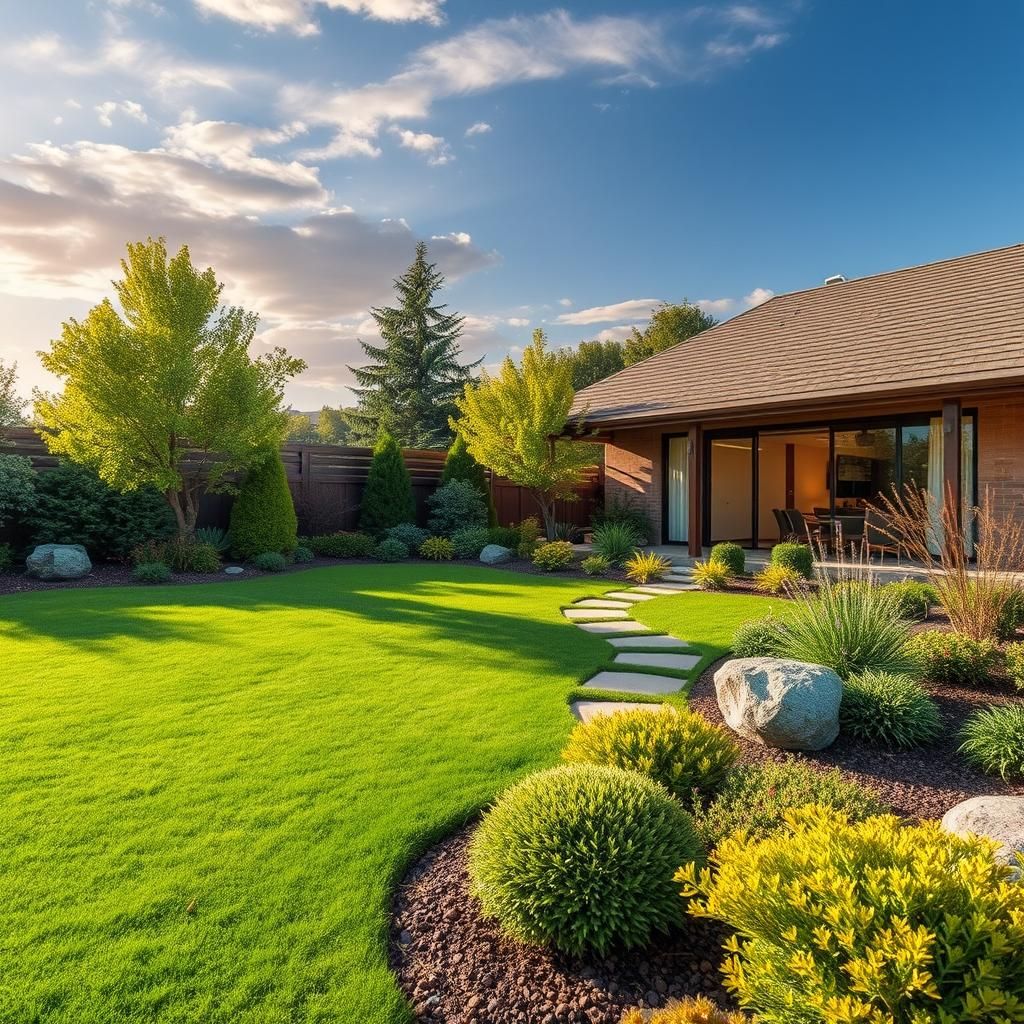
In the competitive world of landscaping, showcasing your unique skills can set you apart from the crowd. Whether you excel in design, plant selection, or hardscaping techniques, effectively presenting your talents is crucial for attracting clients and building a strong reputation. This article will explore practical tips and strategies to help you highlight your greatest skills as a landscaper. From creating a compelling portfolio to leveraging social media, you'll learn how to communicate your expertise and passion for landscaping. Discover how to not only identify your strongest abilities but also present them in a way that captivates potential customers.
What Makes a Great Landscaper?
As a landscaper, my greatest skill lies in my ability to transform outdoor spaces into functional and aesthetic environments that meet the specific needs of clients. This involves a keen understanding of plant selection, soil composition, and environmental factors, allowing me to create designs that not only enhance the beauty of the landscape but also promote sustainability and biodiversity. My meticulous attention to detail ensures that every element, from hardscaping to planting, is harmoniously integrated, resulting in landscapes that are both pleasing to the eye and practical for everyday use.
Understanding Soil and Plant Relationships
One of the key skills in landscaping is the ability to comprehend the dynamic relationships between soil types and various plant species. It’s crucial to assess the soil's pH, nutrients, and drainage capabilities to select plants that will thrive in those conditions. This understanding helps in forming a balanced ecosystem that promotes plant health and visual appeal. Additionally, knowing which plants are native or well-adapted to the local environment can greatly enhance the sustainability of the landscape.
Designing Functional Outdoor Spaces
Creating functional outdoor spaces is vital for any landscaper. This involves not just aesthetics but also considering how the space will be used. Whether it's for entertaining, gardening, or recreation, having a clear vision for the layout and features—like paths, patios, and seating areas—ensures that the final product will be both beautiful and practical. By effectively blending design and utility, I can create environments that cater to the diverse needs of users while enhancing the overall charm of the property.
Mastering Hardscaping Techniques
Hardscaping plays a significant role in a landscaper's skill set, involving the use of non-plant elements such as stone, brick, and wood to create structure in outdoor designs. Knowledge of various hardscaping techniques not only enhances the visual interest of a landscape but also provides functional benefits like space definition and water management. A skilled landscaper knows how to integrate these materials seamlessly with natural elements, ensuring a cohesive and enduring design.
Plant Selection and Maintenance
Choosing the right plants is crucial in landscaping, as it impacts the aesthetic appeal, maintenance, and sustainability of the design. My expertise allows me to select plants based on their growth habits, color, texture, and seasonal changes, ensuring that the landscape remains vibrant throughout the year. Furthermore, understanding plant maintenance—such as watering, pruning, and pest management—enables clients to enjoy their landscapes with minimal effort, ultimately enhancing their satisfaction.
Implementing Sustainable Practices
Sustainable landscaping is becoming increasingly important, and one of my greatest skills is the ability to implement eco-friendly practices throughout the landscaping process. This includes selecting native plants, using organic fertilizers, and applying water conservation techniques like xeriscaping. By focusing on sustainable methods, I not only improve the environmental impact of my projects but also educate clients about the importance of sustainability, fostering a sense of responsibility towards our planet.
| Skill | Description |
|---|---|
| Soil and Plant Knowledge | Understanding the interactions between soil types and plant species for optimal growth. |
| Functional Design | Creating outdoor spaces that are practical and aesthetically pleasing for user needs. |
| Hardscaping | Integrating non-plant elements to enhance structure and visual interest in landscapes. |
| Plant Selection | Careful choosing of plants to ensure year-round beauty and easy maintenance. |
| Sustainable Practices | Implementing eco-friendly methods to minimize environmental impact. |
What skills and qualities do you need to be a landscape gardener?

To become a successful landscape gardener, there are several essential skills and qualities that one must possess. These competencies not only enhance the ability to create beautiful outdoor spaces but also contribute to effective project management and client relations. Below are the key skills and qualities required for a landscape gardener.
Knowledge of Plants and Horticulture
A deep understanding of plants and horticulture is fundamental for any landscape gardener. This knowledge includes the ability to identify different types of plants, their growing conditions, and maintenance needs. Familiarity with local flora and understanding seasonal variations aid in selecting the right plants for specific climates and landscapes.
- Plant Identification: Knowing which plants thrive in different environments.
- Soil Composition: Understanding soil types and their impact on plant growth.
- Pest Control: Recognizing and managing pests and diseases affecting plants.
Design Skills
Landscape gardening requires a keen eye for design and aesthetics. A landscape gardener should be able to conceptualize and execute designs that are not only beautiful but also functional. This involves understanding principles such as balance, proportion, and harmony in landscape architecture.
- Creative Vision: The ability to visualize how a space can be transformed.
- CAD Software Proficiency: Familiarity with design software to create detailed plans.
- Space Management: Utilizing space efficiently while ensuring accessibility.
Physical Fitness and Stamina
Landscape gardening can be a physically demanding job, requiring stamina and fitness. Landscapers often engage in heavy lifting, digging, planting, and using various tools over long periods, which necessitates a good level of physical endurance.
- Strength: Muscle strength for lifting and maneuvering materials.
- Endurance: Ability to work for extended hours without fatigue.
- Coordination: Good hand-eye coordination for precise tool usage.
Attention to Detail
An effective landscape gardener must have a strong attention to detail. This quality ensures that all elements of design and execution, from planting to installation, are carried out to a high standard. Precision in measurements and care in placement can significantly influence the final result.
See also:
- Quality Control: Ensuring that each task meets high standards.
- Problem Solving: Quickly addressing unexpected issues or challenges.
- Planning: Careful planning to prevent potential errors in design.
Communication and Interpersonal Skills
Strong communication and interpersonal skills are crucial for a landscape gardener, especially when working with clients, contractors, and suppliers. Clear communication helps convey ideas, understand client needs, and build professional relationships that foster repeat business.
- Client Consultation: Effectively listening to clients' preferences and requirements.
- Team Collaboration: Working well with other professionals in the field.
- Negotiation Skills: Discussing budgets and timelines to reach mutually agreeable terms.
How to make landscaping look good on a resume?
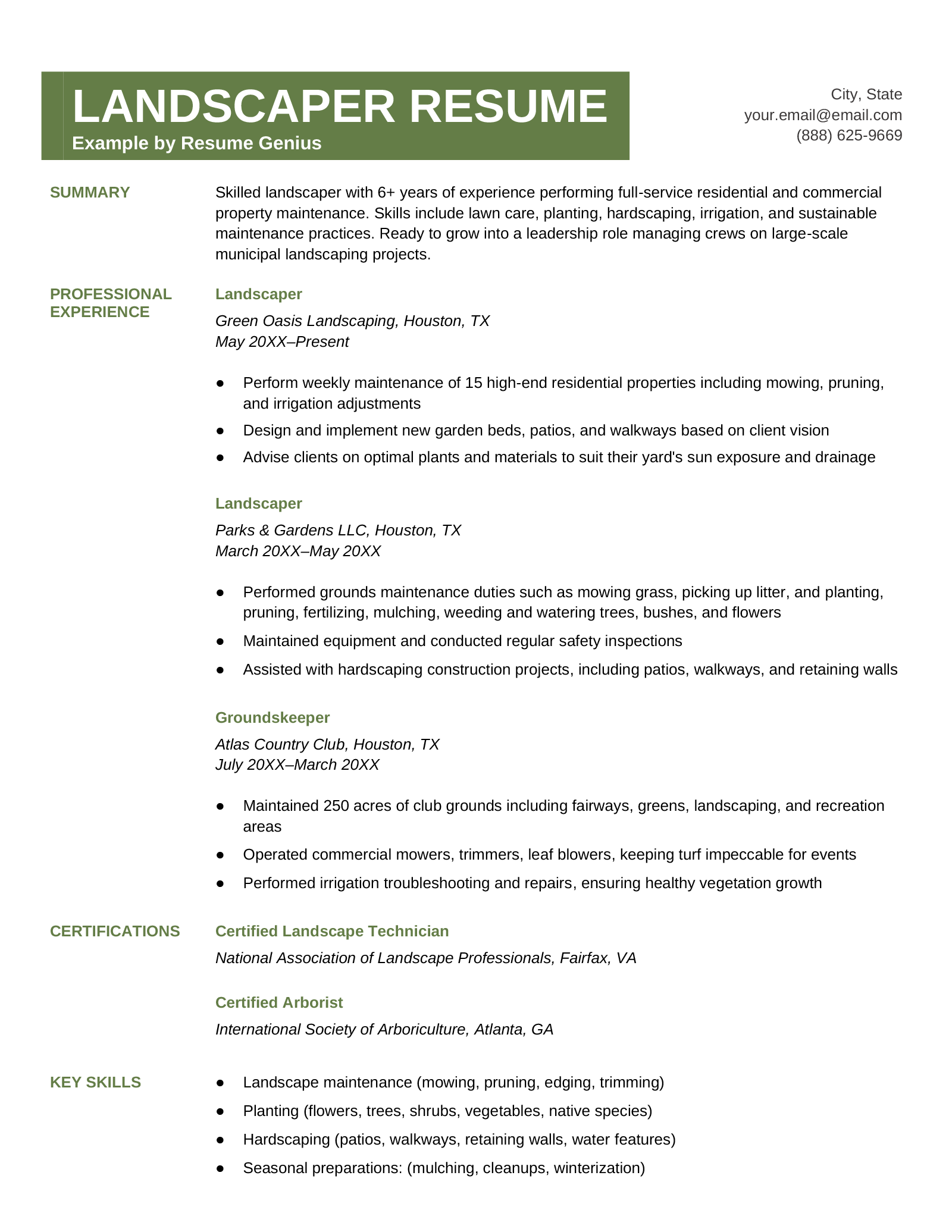
To effectively showcase your landscaping experience on a resume, it’s crucial to highlight relevant skills, achievements, and responsibilities in a way that aligns with the expected qualifications of potential employers. This means articulating your background in a clear, concise manner while demonstrating your professional growth and competency in the field.
Highlight Relevant Skills
When including landscaping experience on your resume, it’s essential to present skills that are directly applicable to the role you are applying for. Skills can include both technical abilities and soft skills. Consider listing the following:
- Plant Identification: Knowledge of various plant species and their care requirements.
- Design skills: Ability to create aesthetically pleasing landscape designs using software or by hand.
- Maintenance: Experience in regular maintenance tasks such as pruning, mulching, and watering.
Use Quantifiable Achievements
Employers appreciate seeing tangible outcomes of your work. Quantifying your achievements can significantly strengthen your resume. Include any measurable successes from your landscaping positions:
- Increased client satisfaction: Helped improve customer satisfaction ratings by XX% through quality service.
- Project completion: Successfully completed XX landscaping projects within budget and on time.
- Cost savings: Implemented sustainable practices that reduced materials costs by XX%.
Detail Relevant Experience
When listing your landscaping experience, provide detailed descriptions of your roles and responsibilities. This helps employers understand your level of expertise. Consider including:
- Nature of role: Describe whether you worked as a contractor, designer, or maintenance staff.
- Specific projects: Highlight specific projects you worked on that demonstrate your skills and capabilities.
- Team collaborations: Mention any team efforts and your role in collaboration for larger projects.
Include Certifications and Training
Certifications can enhance your resume and demonstrate your commitment to the landscaping profession. List any relevant certifications or courses you have completed:
- Certified Landscape Professional: An industry-recognized certification that indicates a high level of knowledge and ability.
- First Aid/CPR certification: Important for safety, especially in outdoor environments.
- OSHA Safety Training: Knowledge of safety standards specific to landscaping work.
Tailor Your Resume to the Job Description
Each job application should have a resume tailored to the specific position. Focus on aligning your experience and skills with the job description provided by the employer. This demonstrates your suitability for the role:
- Keyword matching: Use keywords and phrases from the job description in your resume.
- Job articulation: Clearly relate your past experiences to the responsibilities outlined in the job listing.
- Custom summary: Write a tailored summary that reflects your qualifications for the specific landscaping role.
What do landscapers do for a resume?
Landscapers play a vital role in designing, creating, and maintaining outdoor spaces. When crafting a resume, landscapers should highlight their relevant skills, experience, and certifications that showcase their expertise in this field. Here’s how to structure a landscaper's resume effectively:
Essential Skills for Landscapers
Landscapers must possess a variety of skills to excel in their trade. Including these skills on a resume can significantly strengthen a candidate's appeal to potential employers. Key skills to consider are:
- Technical Skills: Proficiency in using landscaping tools and machinery like lawn mowers, trimmers, and leaf blowers.
- Design Skills: Ability to create aesthetically pleasing layouts and knowledge of plant types and their care.
- Physical Stamina: Capability to perform labor-intensive tasks involving heavy lifting and working outdoors in varying weather conditions.
Work Experience in Landscaping
When detailing work experience, landscapers should focus on previous job roles that reflect their qualifications and contributions to past projects. It’s important to highlight the following aspects:
- Job Titles: Include specific job titles such as landscape designer, groundskeeper, or landscape technician.
- Responsibilities: Describe daily tasks, such as planting, pruning, or installing irrigation systems.
- Achievements: Mention any projects completed successfully or enhancements made to a property that improved its appeal and value.
Certifications and Training
Certifications can set landscapers apart from other candidates. Highlighting any relevant training or certifications can add credibility to a resume. Key points to include are:
See also:
- Certifications: List any industry-recognized certifications such as Certified Landscape Technician or pesticide application licenses.
- Courses: Mention any formal education, workshops, or courses taken related to horticulture or landscape design.
- Safety Training: Include any safety training certifications, like OSHA (Occupational Safety and Health Administration) courses, relevant to landscaping work.
Portfolio of Work
A portfolio can be an excellent addition to a landscaper's resume, providing tangible proof of their skills and creativity. Important elements that can be included are:
- Before and After Photos: Showcase transformations achieved in landscaping projects through visual evidence.
- Project Descriptions: Provide detailed descriptions of key projects, including challenges faced and solutions implemented.
- Client Testimonials: Incorporate feedback from clients to add credibility and highlight customer satisfaction.
Networking and Professional Associations
Being active in professional networks can enhance a landscaper’s career prospects. Including memberships in professional associations can reflect a commitment to the industry. Consider mentioning:
- Association Memberships: Mention affiliations with organizations such as the National Association of Landscape Professionals (NALP) or local horticultural societies.
- Networking Events: Engage in workshops, conferences, or trade shows that demonstrate community involvement and commitment to ongoing learning.
- Volunteer Work: Include any relevant volunteer experiences that contribute to local landscaping projects or community gardens.
What are the main duties of a landscaper?

The main duties of a landscaper encompass a variety of tasks related to the design, installation, and maintenance of outdoor spaces. Landscapers work to enhance the aesthetic appeal and functionality of gardens, parks, commercial properties, and private residences. Their responsibilities include planning layouts, selecting appropriate plants, and implementing sustainable practices to ensure environmental harmony.
Designing Landscape Layouts
Landscapers begin their work by creating design layouts suited to the specific needs and preferences of their clients. This process involves:
- Assessing the site to evaluate its natural features and existing conditions.
- Creating design plans that incorporate elements such as pathways, gardens, and water features.
- Presenting designs using software or sketches to illustrate the envisioned landscape.
Plant Selection and Installation
A critical duty of landscapers is the careful selection and installation of plants that will thrive in the specific environment. The steps include:
- Choosing native and climate-appropriate plants to ensure sustainability.
- Calculating the appropriate spacing and grouping of plants for optimal growth.
- Implementing proper planting techniques to establish a healthy root system.
Hardscaping and Structural Elements
Landscapers often integrate hardscaping features to enhance the functionality of outdoor spaces. This involves:
- Building structures such as patios, retaining walls, and pathways.
- Using materials like stone, brick, and concrete to create visually appealing and durable surfaces.
- Ensuring that hardscaping complements the overall landscape design to achieve a cohesive look.
Maintenance and Care
Ongoing maintenance is crucial for the longevity and health of the landscape. Landscapers perform various maintenance tasks, including:
- Regularly pruning and trimming plants to promote growth and maintain aesthetics.
- Applying fertilizers and pest control solutions as needed to protect plant health.
- Managing irrigation systems to provide adequate water while conserving resources.
Sustainable Landscaping Practices
Many landscapers incorporate sustainable practices into their work, prioritizing environmental health. This includes:
- Utilizing organic materials and methods to minimize harmful chemicals.
- Implementing xeriscaping techniques to reduce water usage through drought-resistant plants.
- Promoting biodiversity by selecting a range of plant species that support wildlife.
Questions from Our Readers
What is the most important skill for a landscaper?
The most important skill for a landscaper is creativity. This allows them to design aesthetically pleasing and functional outdoor spaces that meet the needs and desires of their clients.
How does experience enhance a landscaper's skills?
Experience enhances a landscaper's skills by providing them with practical knowledge and problem-solving abilities gained from working on various projects. This exposure allows them to adapt their techniques and improve their efficiency over time.
Are technical skills essential for landscapers?
Can communication skills impact a landscaper's effectiveness?


If you want to read more articles like What's Your Greatest Skill as a Landscaper? Tips to Showcase Your Talent Effectively, we recommend you check out our Landscaping category.
Leave a Reply
Related Articles