Exploring the Benefits: What's the Point of a Pergola Without a Roof?
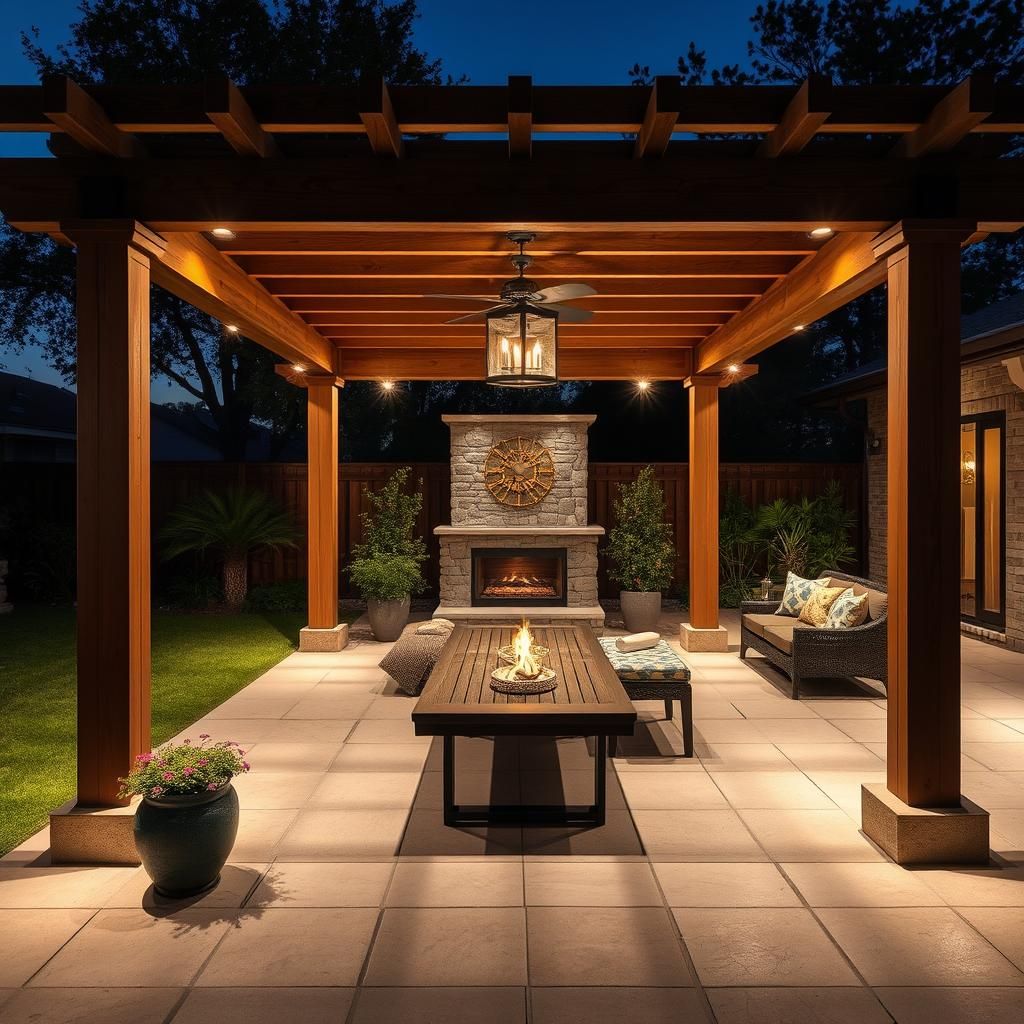
When contemplating outdoor spaces, many people envision structures that provide shade and shelter. Yet, the pergola, an increasingly popular option, often raises the question: what's the point of a pergola without a roof? This article delves into the numerous benefits of roofless pergolas, highlighting their aesthetic appeal, versatility, and ability to enhance outdoor living experiences. From creating a cozy atmosphere for gatherings to serving as a support for climbing plants, pergolas without roofs offer unique advantages that can completely transform your garden or patio. Join us as we explore these benefits and discover how a roofless pergola might be the perfect addition to your outdoor space.
Understanding the Purpose of a Pergola Without a Roof
A pergola without a roof serves as an architectural feature designed to enhance outdoor spaces by providing partial shade, creating an open-air environment while still defining a specific area within a garden or patio. Its primary function is not solely to protect from the elements but to serve as a support structure for climbing plants, which can help create a natural and inviting atmosphere. Moreover, it encourages a sense of connection to nature by allowing sunlight and air to flow freely, making it ideal for outdoor entertaining or relaxation. Thus, even without a roof, a pergola retains its significance as a versatile addition that can improve the visual appeal and functionality of outdoor living areas.
Design Flexibility
Without a roof, a pergola allows for more design flexibility since it can seamlessly blend into various outdoor styles, be it modern, rustic, or traditional. This versatility enables homeowners to customize their pergola with different materials, colors, and shapes, which can match the overall aesthetic of their property. Furthermore, these features permit homeowners to create personalized living spaces that enhance their enjoyment of the outdoors.
Support for Climbing Plants
One of the key benefits of a roofless pergola is its ability to serve as a support structure for climbing plants, such as vines and flowers. These plants can bring life and color to the pergola, creating a lush and inviting atmosphere. Over time, the growth of foliage can provide natural shade and create a sense of privacy and enclosure without obstructing air and light, contributing to a refreshing outdoor experience.
Creating Outdoor Rooms
A pergola without a roof can play a crucial role in delineating outdoor rooms or spaces within a larger garden or patio area. It visually defines separate areas for dining, lounging, or entertaining, which encourages more organized outdoor activities and interactions among family and guests. Additionally, this definition adds an element of intimacy to outdoor gatherings, making the space feel more inviting and comfortable.
See also:
Enhancing Outdoor Aesthetics
From a landscape design perspective, a roofless pergola enhances the overall aesthetics of a garden or patio. It acts as a focal point, drawing attention and adding depth to the landscape. This structural feature can be adorned with various decorative elements, such as fairy lights, lanterns, or hanging planters, making it a stunning visual element that contributes to the charm of outdoor spaces.
Encouraging Outdoor Living
Pergolas without roofs are ideal for encouraging an outdoor lifestyle, promoting activities such as relaxation, reading, or entertaining. By providing a defined yet open space, they invite individuals to spend more time outdoors, enjoying fresh air and sunlight. This connection to nature can greatly enhance well-being and foster a sense of tranquility, making it an essential feature for anyone wanting to maximize their outdoor experience.
| Feature | Description |
|---|---|
| Design Flexibility | Allows customization to match various architectural styles. |
| Plant Support | Serves as a growing structure for climbing plants. |
| Outdoor Rooms | Defines separate spaces for different activities. |
| Aesthetic Enhancement | Acts as a focal point for garden design. |
| Encouraging Living | Promotes a lifestyle centered around outdoor activities. |
Understanding the Aesthetic Appeal of Roofless Pergolas
Roofless pergolas serve as striking landscape features that enhance the overall visual appeal of outdoor spaces. These structures offer an inviting atmosphere, providing a place where one can enjoy the beauty of nature while simultaneously creating an area for relaxation or social gatherings. By allowing natural light to filter through while providing some level of partial shade, roofless pergolas enhance the ambiance of gardens and patios, making them ideal for enjoying peaceful moments, reading, or entertaining guests. Additionally, their versatile designs can accommodate climbing plants, such as vines and flowers, which integrate the pergola into the surrounding environment, further enriching the outdoor experience.
Creating a Natural Gathering Space
Roofless pergolas are excellent for establishing a natural gathering space that encourages social interaction and connection with nature. They provide a structural framework for seating arrangements, allowing people to convene without feeling isolated from the environment. The open design fosters an inviting atmosphere where friends and family can gather for meals, conversations, or celebrations while still enjoying an undisturbed view of the sky and surrounding greenery.
Enhancing Outdoor Decor
Incorporating a roofless pergola into outdoor areas can vastly enhance overall decor and style. These structures can act as focal points, drawing the eye and adding an element of interest to gardens, patios, or decks. The customizable materials, such as wood, vinyl, or metal, can be selected to complement the existing architectural elements of a home, blending seamlessly into the design theme of the area while providing a versatile base for hanging decorations or outdoor lighting.
See also:
Encouraging Plant Growth
Roofless pergolas can act as trellises for climbing plants, which can be trained to grow up and around the structure, creating a lush, green canopy over time. This not only enhances the aesthetic appeal but also contributes to a cooler environment underneath, where people can relax in comfort. The interaction between the plants and the pergola itself can create a beautiful display that evolves with the seasons, further enriching the outdoor experience.
Providing Flexible Space for Activities
The open nature of roofless pergolas offers flexibility in how the space is used. Homeowners can adapt the area for various activities, whether it be hosting a summer barbeque, doing yoga, or simply lounging with a good book. The absence of a roof allows for easy adaptation to different weather conditions, as one can easily enjoy the sunlight or retreat under the shade of nearby trees when needed, all while enjoying the structure's versatile functionality.
Improving Property Value
Investing in a roofless pergola can significantly enhance the curb appeal and overall value of a property. As prospective buyers often look for attractive outdoor spaces, a well-placed pergola can increase the desirability of a home, making it stand out in the market. This addition can suggest a well-maintained garden or outdoor area that promotes a lifestyle centered around outdoor living, thus contributing positively to the investment in real estate.
Questions from Our Readers
What are the benefits of having a pergola without a roof?
Having a pergola without a roof provides partial shelter and creates a defined outdoor space while allowing for natural sunlight and airflow. It can enhance the aesthetic appeal of a garden and serve as a support structure for climbing plants, which can provide additional shade over time.
Can a pergola without a roof still be functional?
Absolutely! A pergola without a roof can be quite functional. It serves as an inviting space for outdoor gatherings, provides partial shade, and can be enhanced with decorative elements like hanging lights or curtains, enhancing the overall usability of the area.
See also:
Is maintenance easier for a pergola without a roof?
Yes, a pergola without a roof typically requires less maintenance compared to a covered one, as there are no roofing materials to inspect or clean. Wood or metal frames may still need periodic treatment or protection against the elements, but the absence of a roof minimizes debris accumulation and potential repairs.
Can a pergola without a roof affect property value?
A well-designed pergola, regardless of having a roof, can positively influence property value. It adds visual interest and defines outdoor living spaces, which are appealing features for prospective buyers, making it a valuable addition to your landscaping.

If you want to read more articles like Exploring the Benefits: What's the Point of a Pergola Without a Roof?, we recommend you check out our Pergola category.
Leave a Reply
Related Articles