What's the Difference Between a Lattice and a Trellis? A Comprehensive Guide to Garden Structures
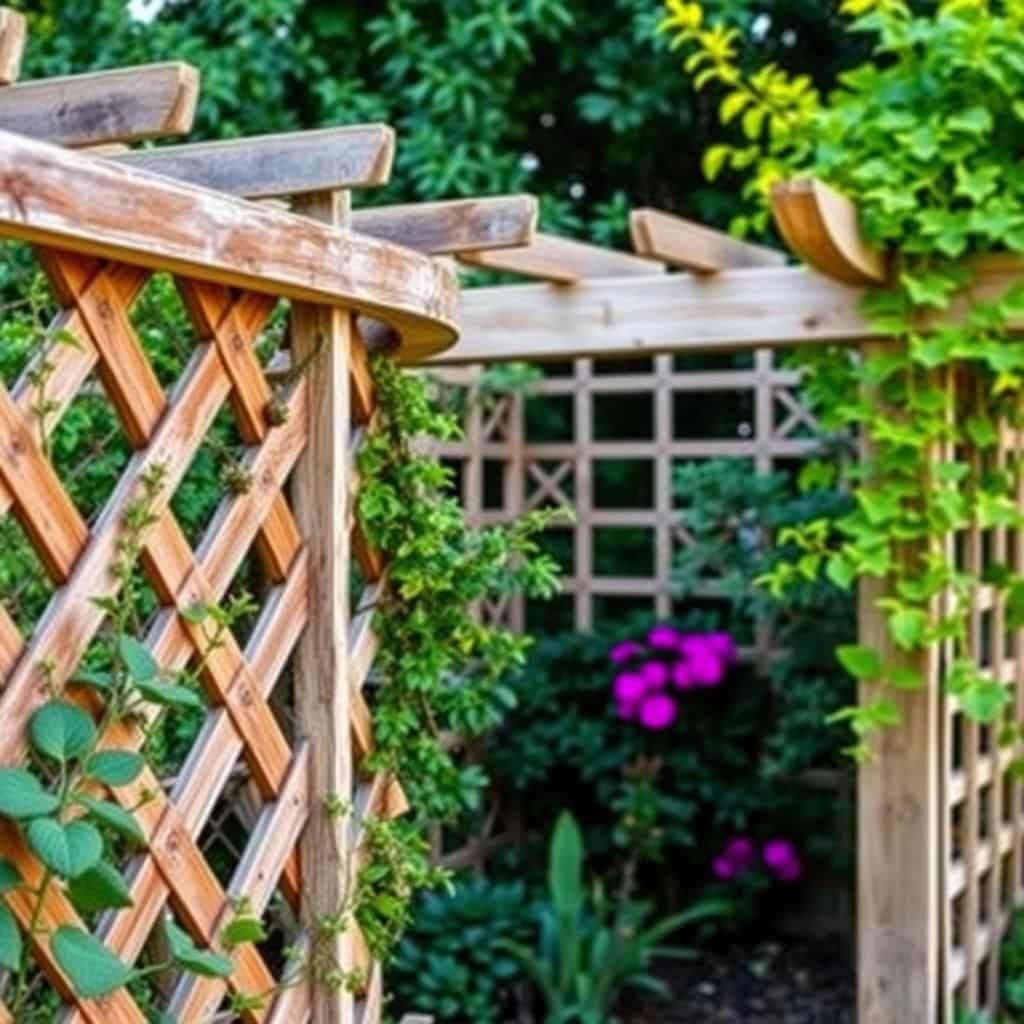
When it comes to enhancing your garden's aesthetic and functionality, understanding the difference between a lattice and a trellis is essential. Both structures serve as valuable tools for supporting climbing plants, adding visual interest, and creating defined spaces within your garden. However, they differ in design, purpose, and application. In this comprehensive guide, we will explore the unique characteristics of lattices and trellises, helping you make informed choices for your outdoor space. Whether you're looking to maximize vertical gardening, provide privacy, or simply beautify your landscape, understanding these two structures will pave the way for a flourishing garden environment.
Understanding the Differences Between a Lattice and a Trellis
A lattice and a trellis are both structures used in gardening and landscaping to support plants, but they have distinct designs and purposes. A lattice is typically made up of a framework consisting of intersecting strips of wood or metal that form a grid-like pattern, providing a decorative feature while allowing plants to climb through or against it. In contrast, a trellis is generally a larger framework, often in the shape of a panel or an arch, specifically designed to support climbing plants, vines, and other growth. In essence, while a lattice can be used as part of a trellis, the latter serves a more targeted role in aiding plant growth and creating vertical garden designs.
Definition of Lattice
A lattice is characterized by its grid-like structure, made from thin strips of material, typically arranged in a diagonal pattern. This construction is mainly decorative and can be used to enhance the aesthetic of a garden, acting as a backdrop for plants or as a privacy screen. Lattices are often constructed from wood, PVC, or metal and can be customized in various sizes and designs, catering to different garden layouts.
Definition of Trellis
A trellis serves as a support structure for climbing plants. It is often a larger, more robust installation compared to a lattice, designed to hold the weight of vines and ensure they grow upward towards the sun. Trellises are usually built in the form of panels or fences and can come in many styles, including arched designs that allow for creativity in garden landscaping. They are primarily functional, aiding plant growth and health.
Primary Uses of Lattice
The primary use of a lattice is to create decorative elements in the garden, such as privacy screens or garden dividers. They can be installed along fences or wall sections to improve visual interest. Additionally, lattices help support lighter climbing plants, creating a beautiful interplay of foliage while enhancing the space's ambiance. They are mostly about aesthetics rather than heavy-duty support.
Primary Uses of Trellis
A trellis is specifically engineered to provide support for heavier and more extensive climbing plants and vines. It allows these plants to grow vertically, helping to maximize space in gardens and creating natural shading effects. With their sturdier construction, trellises can hold the heavier weight of mature plants and provide essential air circulation, which is crucial for plant health.
Key Differences in Structure
The structural differences between a lattice and a trellis are significant. A lattice typically features a simple crisscross pattern, giving it a lighter look, whereas a trellis is designed with a more substantial and supportive frame. This divergence in design reflects their respective functionalities: lattices are about aesthetics and light support, while trellises prioritize plant health and vigorous growth.
| Aspect | Lattice | Trellis |
|---|---|---|
| Design | Grid-like pattern | Panel or arch structure |
| Primary Purpose | Decoration | Support for climbing plants |
| Weight Support | Light plants | Heavy vines and plants |
| Material | Wood, PVC, or metal | Wood, metal, or composite materials |
| Complexity | Simple construction | More complex structure |
Are trellis and lattice the same thing?
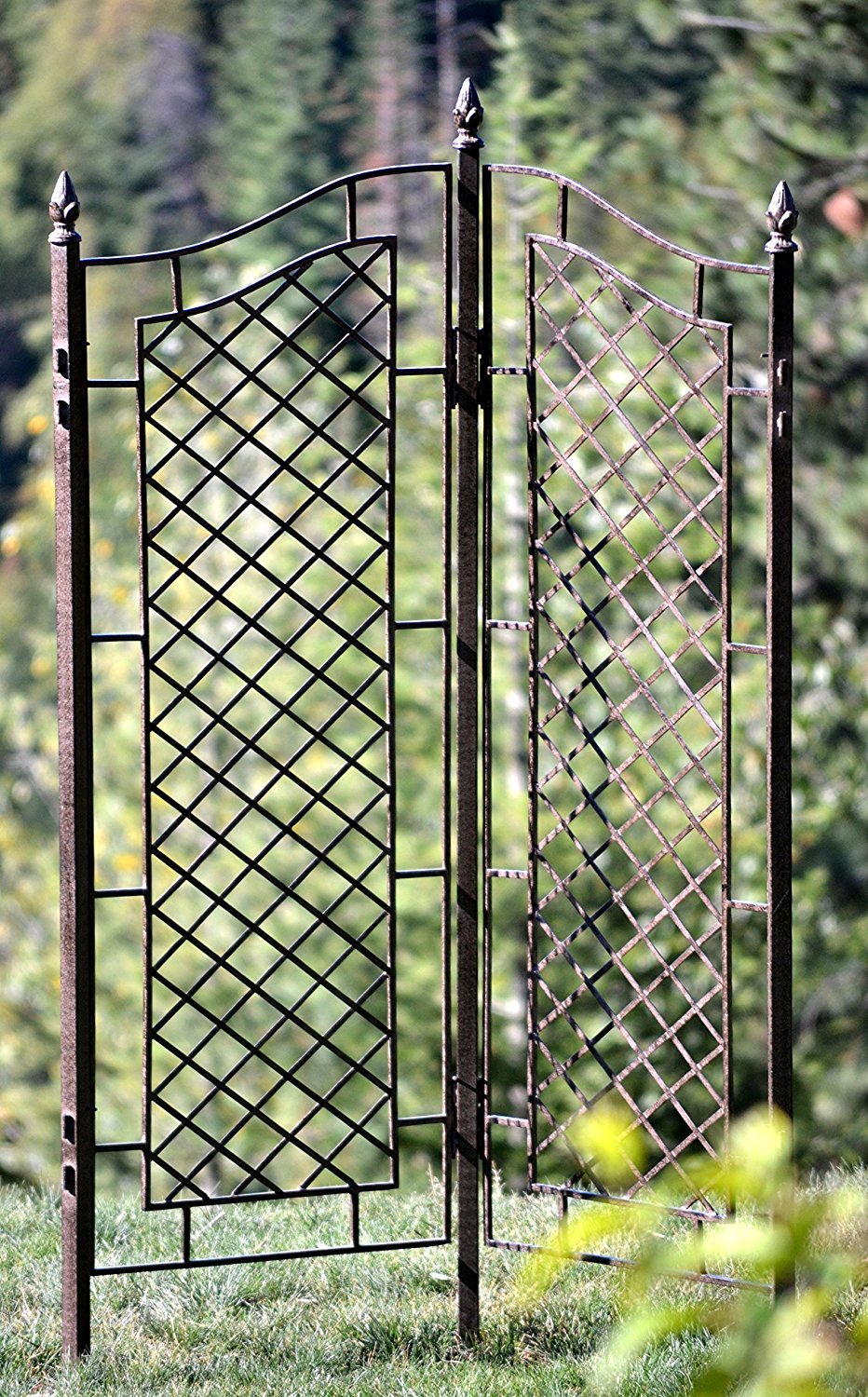
Trellis and lattice are often used interchangeably in gardening and landscaping contexts, but there are key differences between the two. Both structures are used to support climbing plants and can serve decorative purposes, yet they differ in design, functionality, and application.
A trellis is typically a specific framework made of vertical and horizontal slats, designed to support climbing plants. Trellises can be freestanding or attached to walls, and they are often taller than lattice structures, allowing for greater vertical growth of plants. They are usually made of wood, metal, or vinyl and can feature various designs from simple to intricate.
On the other hand, a lattice consists of a crisscross pattern usually made of wood, plastic, or metal. It often has smaller openings compared to trellises and is primarily used for decorative purposes or as a privacy screen. Lattice can also support plants but is not as robust as a trellis. In many cases, lattice panels are used in conjunction with a trellis to provide a backdrop or support for climbing plants.
See also:
Differences in Structure
The structural differences between trellis and lattice play a significant role in their applications and effectiveness in supporting plants.
- Trellis: Generally larger, with a rectangular frame providing ample support.
- Lattice: Comprises a grid of wood or plastic strips, creating a crisscross pattern.
- Design Flexibility: Trellises can be customized in height and width, while lattice is often sold in standard sizes.
Functional Uses
Each structure serves different functional purposes in gardening and landscaping.
- Supporting Growth: Trellises are better suited for supporting heavy, vigorous climbing plants.
- Privacy Screens: Lattice can provide visual barriers while still allowing light and air to flow.
- Decoration: Both can enhance garden aesthetics, but lattice offers more intricate visual patterns.
Materials Used
The materials used for constructing trellis and lattice can influence their durability and appearance.
- Wood: Commonly used for trellises but can also be applied in lattice construction.
- Metal: Often used for trellises, especially for modern designs.
- Plastic: Frequently utilized for lattice due to its resistance to weathering.
Installation and Maintenance
Installation and maintenance are crucial aspects to consider when deciding between a trellis and a lattice.
- Installation Ease: Lattice panels are generally easier and quicker to install due to their lighter weight.
- Maintenance: Wood trellises may require regular painting or sealing, while metal can rust if unprotected.
- Longevity: High-quality materials can enhance the longevity of both structures, but trellises typically outlast lattices in harsh conditions.
Design Aesthetics
The aesthetics of both trellis and lattice can significantly impact the overall garden design.
- Aesthetic Variety: Trellises offer various styles to match garden themes, from rustic to contemporary.
- Intricacy of Lattice: The crisscross design of lattice provides visual interest and texture.
- Compatibility: Both structures can be designed to complement other garden elements such as fences or pergolas.
What is another name for a garden lattice?

Another name for a garden lattice is a trellis. A trellis is a framework, typically made of wood, metal, or plastic, that supports climbing plants and can also serve as a decorative feature in gardens. It provides an elevated structure for vines and other plant species to grow, enhancing both the aesthetics and health of the plants.
Purpose of a Garden Lattice
The primary purpose of a garden lattice is to support climbing plants. However, its utility goes beyond mere support. A trellis can also create vertical space in a garden, allowing for greater diversity in plant selection and arrangement.
- Supports climbing plants such as roses and peas.
- Increases the amount of sunlight plants receive.
- Helps with air circulation among plants, reducing diseases.
Materials Used for Trellises
Trellises can be constructed from various materials, each with distinct advantages. Understanding these materials helps in choosing the right type for specific gardening needs.
- Wood: Traditional and aesthetically pleasing, but requires maintenance.
- Metal: Durable and often has modern designs; resistant to rot.
- Plastic: Lightweight and easy to install, available in various colors.
Design Variations
Trellises come in many design variations that can suit different garden styles. These designs can enhance the overall look of the garden while serving their functional purpose.
- Flat panel trellises: Simple and effective for various plants.
- Arched trellises: Add a decorative element while supporting taller vines.
- Fan-shaped trellises: Ideal for maximizing space and light for climbing plants.
Benefits of Using a Trellis
Utilizing a trellis in the garden provides several benefits that contribute to a healthy growing environment and enhance the garden's appearance.
See also:
- Encourages vertical growth, saving space in smaller gardens.
- Increases yield by maximizing sunlight exposure for plants.
- Reduces pest problems by promoting better airflow and sunlight.
Maintenance of Lattice Structures
Maintaining a garden lattice is essential for its longevity and effectiveness in supporting plants. Proper care ensures the lattice remains both functional and visually appealing.
- Regularly check for damages from weather or pests.
- Clean any debris or dirt to prevent the growth of mold or mildew.
- Re-stain or repaint wooden trellises periodically to protect against rot.
What is considered a trellis?

A trellis is a structure primarily used in gardening and landscaping to support the growth of climbing plants or vines. Typically made from wood, metal, or plastic, a trellis consists of an open framework that allows plants to climb while providing them with the necessary space and support. The design of a trellis can vary significantly, ranging from simple designs to intricate patterns. Trellises not only enhance the aesthetic appeal of gardens but also serve practical purposes such as improving air circulation, maximizing sunlight exposure, and facilitating easier harvesting of fruits and flowers.
Types of Trellises
Different types of trellises are designed to cater to various plants and aesthetic preferences. Some popular types include:
- Flat trellises: Usually installed against walls or fences, perfect for vines like ivy.
- Arched trellises: Often used as entryways in garden pathways, particularly suitable for climbing roses.
- Panel trellises: Stand-alone structures that can be used as decorative screens in gardens.
Materials Used in Trellis Construction
The choice of materials for constructing a trellis can significantly affect its durability and style. Common materials include:
- Wood: A traditional choice that fits well with natural landscapes, though it may require maintenance to withstand weather.
- Metal: Often used for more modern designs, metal trellises are durable and can support heavier plants.
- Plastic: Lightweight and easy to install, but may not provide as much structural strength as wood or metal.
Benefits of Using Trellises
Implementing a trellis in a garden offers various advantages that promote healthy plant growth and garden aesthetics. Key benefits include:
- Space-saving: Maximizes vertical space, making it ideal for small gardens.
- Improved air circulation: Helps reduce disease by allowing air to flow freely around plants.
- Aesthetic appeal: Adds visual interest and can be decorated with flowers or lighting.
Installation Tips for Trellises
To ensure a trellis stands the test of time and effectively supports plants, proper installation is crucial. Some helpful tips include:
- Secure anchoring: Use anchors or spikes to ensure stability, especially for taller trellises.
- Appropriate height: Choose a height that is suitable for the types of plants you intend to grow.
- Placement: Position your trellis in a location that receives ample sunlight and is easily accessible for maintenance.
Common Plants for Trellising
Many types of plants benefit from trellising, particularly those that naturally climb. Some popular choices include:
- Tomatoes: Often grown on trellises to help support the heavy fruit and promote air circulation.
- Cucumbers: Climbing varieties benefit from trellises, allowing for easier harvesting.
- Clematis: A decorative climbing flower that thrives on trellises, enhancing garden beauty.
Questions from Our Readers
What's a lattice?
A lattice is a structure made of crisscrossed strips of material, often wood or metal, creating a framework that serves both decorative and practical purposes. It is commonly used in gardens to support climbing plants, providing them with a vertical surface to grow upon.
What is a trellis?
A trellis is a support structure that usually consists of a framework of interwoven or crossed slats. It is primarily used for supporting climbing plants and can vary in size and design, often being more decorative than a typical lattice.
How do their functions differ?
While both a lattice and a trellis can support plants, the main difference lies in their design and application. A lattice offers a more solid, grid-like surface, whereas a trellis often has a more open design that allows for greater air circulation and light penetration, which can be beneficial for plant growth.
See also:
Can they be used interchangeably?
Although they serve similar purposes, a lattice and a trellis are not entirely interchangeable. Each one is designed with different aesthetics and functional attributes, making them suitable for different gardening needs and styles.

If you want to read more articles like What's the Difference Between a Lattice and a Trellis? A Comprehensive Guide to Garden Structures, we recommend you check out our Trellis category.
Leave a Reply
Related Articles