What's the Best Time of Year to Plant a Hedge? Tips for Successful Planting

Choosing the right time to plant a hedge can significantly impact its growth and overall success. Whether you’re looking to enhance privacy, create a windbreak, or establish a beautiful boundary, understanding seasonal nuances is key. Different hedge varieties thrive in different conditions, and timing your planting to match their needs can yield lush, healthy results. In this article, we'll explore the ideal times of year for planting hedges, along with practical tips to ensure your planting endeavor is fruitful. Join us as we delve into the essential factors that contribute to successful hedge planting, ensuring your landscape flourishes for years to come.
Best Season for Planting a Hedge
Planting a hedge is ideally done in either spring or fall, as these seasons provide the most favorable conditions for root establishment. During spring, the soil is warming up, allowing plants to initiate growth just as the days lengthen, which promotes active development. In fall, the cooler temperatures give the newly planted hedge time to establish its roots before the winter dormancy sets in. Additionally, planting during these times reduces the stress caused by extreme temperatures and drought, ensuring a healthier establishment and a successful hedge in the long term.
Advantages of Spring Planting
Spring planting allows hedges to benefit from the increasing temperatures and longer days, which encourage rapid growth. This season is characterized by ample moisture from spring rains and the absence of frost, creating optimal conditions for the plants to adapt to their new environment. Furthermore, new growth can begin before the heat of summer arrives, reducing the risk of drying out during the hottest months.
Advantages of Fall Planting
Planting in the fall offers unique advantages, as the cooler temperatures allow hedges to develop robust root systems in a less stressful environment. With winter approaching, these plants enter a period of dormancy, which reduces their top growth needs while still allowing for root establishment. Moreover, fall planting takes advantage of the moisture that often accompanies this season, ensuring that the plants stay hydrated without the need for frequent watering.
Impact of Climate on Planting Time
The ideal time for planting hedges can vary based on local climates. In warmer regions, it might be acceptable to plant hedges throughout most of the year, but avoiding the peak of summer heat is critical. In contrast, colder areas may require planting to be completed before the first frost to give the hedge adequate time to set roots. Understanding local climate conditions can significantly influence successful planting.
Best Soil Conditions for Planting
Before planting a hedge, it's essential to assess soil conditions. Well-drained soil is crucial to prevent waterlogging, which can damage roots and hinder plant growth. The pH level of the soil should also be considered; most hedge plants thrive in neutral to slightly acidic soils. Testing soil beforehand can provide insights into necessary amendments to enhance soil fertility and structure for optimal growth.
Common Hedge Plants and Their Planting Times
Different species of hedges have varying requirements when it comes to planting times. For instance, evergreen species such as yew and holly can be planted in fall or spring, while deciduous types like beech and hornbeam typically do best when planted in the fall to allow for root establishment. It’s important to research specific species to determine the best timing for planting based on their growth patterns and environmental needs.
| Season | Advantages | Considerations |
|---|---|---|
| Spring | Warm weather, longer days, helps quick growth | Risk of late frosts |
| Fall | Cooler weather, allows for root establishment | Must plant before first frost |
What month is best to plant hedges?
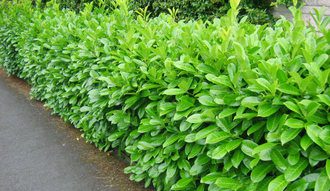
The best month to plant hedges often depends on the specific climate and the type of hedge you intend to plant. However, generally, autumn (from September to November) and spring (from March to May) are considered the most suitable seasons for planting hedges. Here’s a detailed response regarding the best month to plant hedges:
1. Autumn Planting:
Planting hedges in the autumn allows the plants to establish roots before the winter. The soil is still warm, which helps promote root growth.
- Ideal temperatures: Autumn temperatures are usually mild, which reduces stress on the newly planted hedges.
- Moisture levels: Fall often brings increased rainfall, providing adequate moisture for root establishment.
- Less competition: Weeds tend to decline in the autumn, reducing competition for nutrients and water.
2. Spring Planting:
Spring is also a popular time for planting hedges, especially for those who prefer newly growing plants. This allows them to benefit from the full growing season.
- Active growth: Planting in spring coincides with the natural growth cycle of many plants, allowing them to flourish.
- Frost danger: Planting too early in spring can expose hedges to frost; ensuring the danger of frost has passed is crucial.
- Longer growing season: Hedges planted in spring have more time to establish themselves before facing winter.
3. Climate Considerations:
The local climate significantly influences the best time for planting hedges. Different regions have varied climates, and certain hedging plants may perform better under specific conditions.
- Hardiness zones: Knowledge of your hardiness zone helps determine when to plant.
- Local weather patterns: Understand rainfall patterns and temperatures in your area.
- Soil conditions: Check whether the soil is workable; avoid overly wet or frozen ground.
4. Choosing the Right Type of Hedge:
Different types of hedges have varying requirements and best planting times. Some are more tolerant of colder conditions than others.

- Evergreen versus deciduous: Evergreen hedges can be planted in early spring, while many deciduous hedges are best suited for autumn.
- Native plants: Investigating native hedging options can provide valuable insights into planting times.
- Local advice: Consulting local gardening experts can provide tailored advice on the best types to plant and when.
5. Preparation for Planting:
Preparing your planting area beforehand can significantly enhance the success of your hedges, no matter when you decide to plant.
- Soil testing: Analyze the soil to ensure proper pH and nutrient levels.
- Improving drainage: If necessary, amend the soil to ensure optimal drainage.
- Clear the area: Remove weeds, rocks, and debris before planting to allow hedges to thrive.
What is the fastest growing hedge to plant?
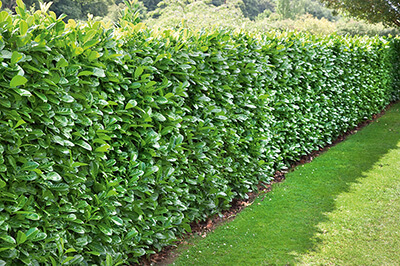
The fastest growing hedge to plant largely depends on your local climate, soil conditions, and the purpose of the hedge. However, one of the most commonly recognized fast-growing hedge plants is the Leylandii (Cupressocyparis leylandii). This coniferous tree can grow up to 3 to 4 feet per year under optimal conditions, making it a popular choice for homeowners looking for quick privacy or windbreak solutions.
Benefits of Leylandii Hedges
Leylandii hedges offer several benefits that make them ideal for quick growth:
- Privacy: They can form a dense screen in a short time.
- Wind protection: Excellent for shielding gardens from strong winds.
- Low maintenance: Requires less upkeep compared to other hedges once established.
Alternative Fast-Growing Hedges
While Leylandii is popular, other fast-growing hedge options are also worth considering:
- Privet (Ligustrum spp.): Grows quickly and is very versatile.
- Holly (Ilex spp.): Offers an attractive look with berries and dense foliage.
- Buffalo Juniper (Juniperus sabina): A hardy option that can grow in various conditions.
Best Growing Conditions for Fast Hedges
To achieve optimal growth rates for hedges, it's essential to understand their growing conditions:
- Soil type: Well-draining soil is crucial for fast growth.
- Sunlight: Most fast-growing hedges thrive in full sun but can tolerate partial shade.
- Watering: Adequate and consistent watering promotes quicker establishment.
Common Pests and Diseases
Fast-growing hedges are sometimes susceptible to pests and diseases, which can hinder their growth:
- Scale insects: These can weaken the plant by sucking sap.
- Root rot: Caused by overwatering or poor drainage.
- Bagworms: Caterpillars that can defoliate branches if left untreated.
Maintenance Tips for Fast-Growing Hedges
To keep fast-growing hedges healthy and thriving, consider the following maintenance tips:
- Regular pruning: Helps maintain their shape and promotes bushiness.
- Fertilization: A balanced fertilizer can encourage vigorous growth.
- Mulching: Conserves moisture and suppresses weeds around the base.
What's the best time of year to lay a hedge?
The best time of year to lay a hedge typically falls in the autumn or spring seasons. These times are optimal for several reasons, including soil conditions, weather patterns, and plant dormancy.
Benefits of Laying a Hedge in Autumn
Laying a hedge in autumn has several advantages that can contribute to the successful establishment of the plants.
- Soil Temperature: The ground temperature is still warm enough to encourage root growth, while the air temperatures become cooler.
- Moisture Availability: Autumn usually brings increased rainfall, which provides sufficient moisture for newly planted hedges.
- Dormancy Initiation: As plants enter dormancy, they can focus energy on root development rather than foliage growth.
Advantages of Spring Planting
Spring is another excellent time to lay a hedge, as it can provide a different set of advantages for establishing plants.
- Active Growth: The plants are beginning their active growth period, which can lead to quicker establishment.
- Longer Growing Season: With the longer days and increased sunlight, plants have more time to establish before winter.
- Soil Conditions: Soil is usually moist and workable, making it easier to plant hedges.
Considerations for Regional Climate
The regional climate can greatly influence the best time to plant hedges. Different climates may have varying ideal planting schedules.
See also:
- Frost Dates: In cooler climates, ensure that planting occurs after the last frost to avoid damage to young plants.
- Rainfall Patterns: In regions with dry summers, later autumn plantings could be more beneficial to leverage fall rains.
- Sunlight Exposure: Different areas may have specific sunlight needs that could vary planting times.
Choosing the Right Species
Selecting the right species of hedge plants is crucial and may affect timing.
- Hardiness Zones: Some species are better suited for specific zones, which affects when they should be planted.
- Growth Rates: Fast-growing species may establish quicker, allowing for more flexibility in planting time.
- Local Pests & Diseases: Choosing resilient plants can mitigate risks associated with planting at various times.
Preparation Before Planting
Proper preparation is critical to the success of laying a hedge, regardless of the season.
- Soil Testing: Conduct a soil test to understand nutrient levels and pH, which influences plant health.
- Site Clearance: Remove any weeds, debris, or old plants that could compete with new hedge growth.
- Plan Planting Layout: Consider the spacing and arrangement of plants to ensure they have room to thrive.
Is it too late to plant hedges?

Planting hedges can be a wonderful way to enhance your garden, create privacy, and provide a habitat for wildlife. However, knowing the right time to plant them is crucial for ensuring their survival and growth.
Generally speaking, the best time to plant hedges is during the dormant season—late fall to early spring. However, depending on the specific climate, soil conditions, and type of hedge, it may not be too late to plant them even into late spring or early summer if certain precautions are taken.
Here’s a closer look at this topic:
1. Weather Considerations
Weather conditions play a significant role in determining if it’s too late to plant hedges.
- Frost Dates: If your region experiences late frosts, planting right before this period can hinder growth.
- Temperature: Soil temperature should ideally be above 45°F (7°C) for most hedge species.
- Rainfall: Sufficient moisture is crucial after planting; hence, avoiding dry spells is essential.
2. Types of Hedges
Different types of hedges can tolerate different planting times.
- Deciduous Hedges: These are best planted when they are dormant, usually in late fall or early spring.
- Evergreen Hedges: They can often be planted at any time of year, but it’s advised to avoid extremely hot conditions.
- Flowering Hedges: Consider their bloom time; planting them too late might affect their flowering in the coming season.
3. Soil Preparation
The condition of your soil is crucial when determining if it’s too late to plant hedges.
- Soil Testing: Conduct a soil test to determine pH and nutrient levels before planting.
- Amendments: Be prepared to amend your soil with organic matter or fertilizers to support healthy growth.
- Drainage: Ensure your planting site has good drainage to prevent root rot.
4. Planting Techniques
How you plant your hedges can affect their success rate if done late in the season.
- Watering: Newly planted hedges will require more frequent watering to establish roots.
- Mulching: Apply mulch around the base to retain moisture and regulate soil temperature.
- Spacing: Proper spacing between plants is essential for airflow and sunlight.
5. Aftercare Requirements
Post-planting care is crucial, particularly if planting is done late in the season.
- Regular Monitoring: Keep a close eye on the moisture levels, especially in the first few weeks.
- Pruning: Avoid heavy pruning immediately after planting, which can stress the plants.
- Pest Control: Be vigilant for pests, as stressed plants can be more susceptible to infestations.
Questions from Our Readers
What is the ideal season for planting a hedge?
The ideal season for planting a hedge is typically during spring or fall. This timing allows the plants to establish their root systems in cooler temperatures and take advantage of the moisture available in the soil.
Can I plant a hedge in the summer?
While it is possible to plant a hedge in summer, it is generally not recommended due to the increased heat and potential for drought stress on new plants. If you must plant during this season, ensure to keep the soil consistently moist to help the plants establish.
See also:
What are the best conditions for hedge planting?
For the best results in hedge planting, choose a location with well-drained soil, adequate sunlight, and protection from strong winds. This environment helps the plants thrive and promotes faster growth.
How long does it take for a hedge to grow after planting?
The time it takes for a hedge to grow after planting can vary widely depending on the species and conditions, but most hedges will start to fill out within one to three years. Consistent care, including watering and pruning, can encourage faster growth and healthier plants.

If you want to read more articles like What's the Best Time of Year to Plant a Hedge? Tips for Successful Planting, we recommend you check out our Hedges category.
Leave a Reply
Related Articles