What Month Should I Turn Off My Sprinkler System? Essential Guide for Homeowners
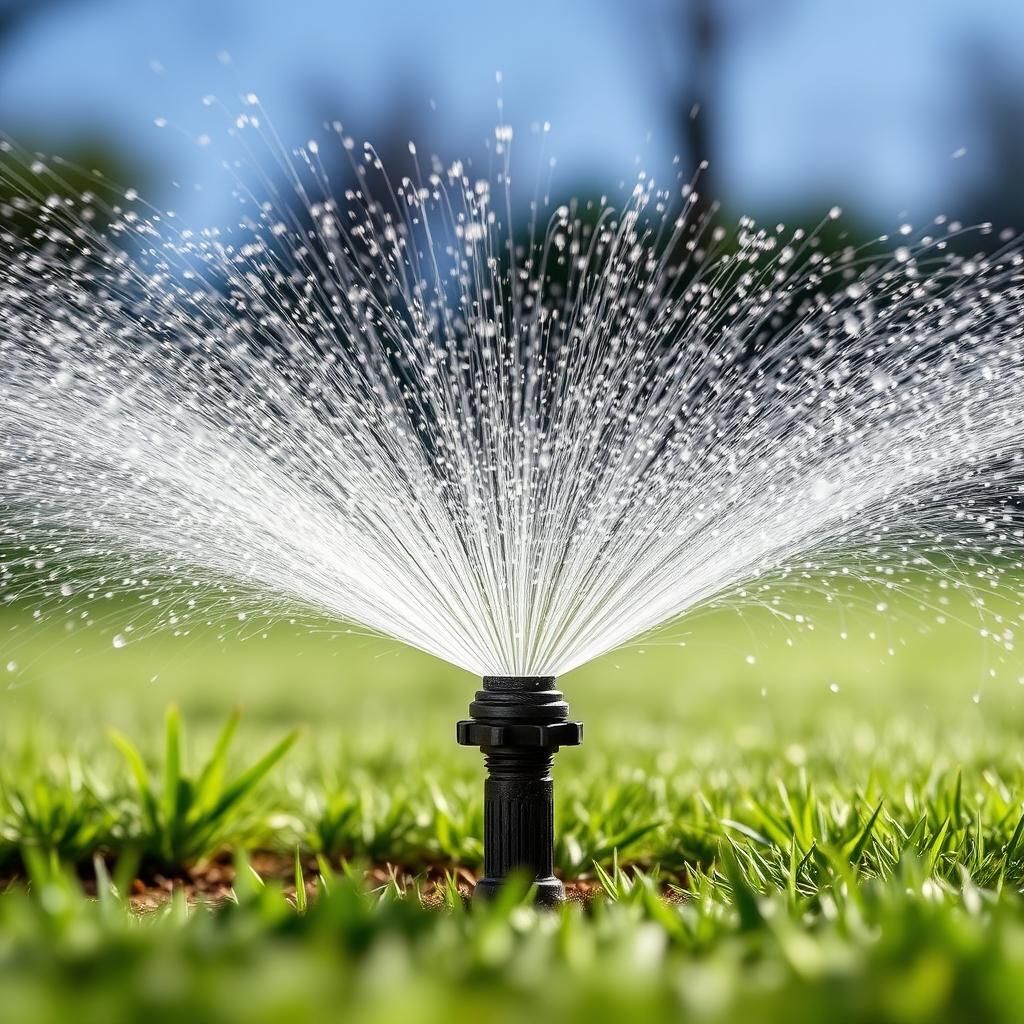
As the seasons change, homeowners often face the critical decision of when to turn off their sprinkler systems. Ensuring the right timing not only conserves water but also protects your landscaping investment. In this essential guide, we will explore the factors that influence the optimal month for shutting down your sprinkler system, including climate, local weather patterns, and the specific needs of your plants. By understanding these key elements, you can maintain a healthy garden while minimizing water usage and preventing potential damage during colder months. Read on to discover the best practices for timing your sprinkler shutdown effectively.
When Should I Turn Off My Sprinkler System?
Deciding when to turn off your sprinkler system largely depends on your local climate and the changing seasons. Generally, the best time to shut down your irrigation system is in late fall, around October or November, when temperatures begin to drop and the risk of frost increases. In warmer regions, where the winters are milder, you might be able to keep your system running a bit longer, while in colder areas, freezing temperatures can necessitate an earlier shutdown. Monitoring local weather trends and soil moisture levels can provide further guidance on the exact timing for deactivating your system, ensuring that your yard is well-prepared for the colder months ahead.
Factors Influencing Shutdown Timing
Many factors affect when you should turn off your sprinkler system, including local weather patterns, soil type, and grass species. Areas with frequent rainfall or higher humidity may require less irrigation, allowing you to turn off your system earlier. Conversely, in regions experiencing prolonged dry spells, you may need to monitor soil moisture levels closely. Additionally, different grasses have varying water requirements; cool-season grasses may not need irrigation once temperatures drop, whereas warm-season grasses might still require some moisture until soil temperatures fall significantly.
Signs of Changing Weather
As temperatures start to decline in the fall, you might notice some signs of changing weather that indicate it's time to turn off your sprinkler system. These signs include cooler nighttime temperatures, shorter days, and increased rainfall. If you start to observe frost on your lawn or the leaves changing color, it’s a good indication that winter is approaching and that your watering needs should be reassessed. Keeping an eye on these seasonal changes can help you make informed decisions about your irrigation schedule.
Winterization of Sprinkler Systems
Properly winterizing your sprinkler system is essential to prevent damage from freezing temperatures, which can cause pipes to burst. Shutdown typically involves draining the system, removing any excess water, and in some cases, blowing out the lines with compressed air. This process not only protects your irrigation system during the winter but also ensures optimal performance when spring arrives. Consulting with a professional can help ensure that all components are adequately prepared for the upcoming season.
See also:
Local Regulations and Guidelines
Many municipalities have specific regulations and guidelines about when to deactivate irrigation systems, which can often be influenced by water conservation efforts. Understanding local laws, especially in drought-prone areas, will help you stay compliant while also protecting your landscaping. Check with local authorities or your water provider to find specific recommendations tailored to your region, which can guide you in making decisions about your sprinkler use and timing.
Impact on Lawn Health
Turning off your sprinkler system at the appropriate time not only conserves water but also has a significant impact on your lawn's health. Overwatering during cooler temperatures can lead to fungal growth and other maladies, while insufficient moisture can stress the grass and inhibit growth. Monitoring your lawn's condition and adhering to seasonal watering guidelines will help maintain a healthy grass ecosystem, promoting resilience against cold weather and ensuring a vibrant lawn come spring.
| Factor | Impact |
|---|---|
| Soil Temperature | Indicates when grass growth slows |
| Frost Risk | Signals need for winterization |
| Local Climate | Determines appropriate shutdown timing |
| Grass Type | Affects watering needs into fall |
| Rainfall Patterns | Influences irrigation decisions |
Understanding Seasonal Weather Patterns for Sprinkler Shutdown
The decision of when to turn off your sprinkler system largely depends on your local climate and seasonal weather patterns. Homeowners should monitor temperatures, precipitation, and the arrival of frost to determine the optimal month for shutting down their irrigation systems. Typically, regions with milder winters may leave sprinklers running longer, whereas areas experiencing hard freezes should turn off systems earlier to prevent pipe damage and reduce unnecessary water usage. Consulting a local weather forecast or extension office can also provide tailored recommendations for your specific area.
Factors Influencing the Shutdown Timing
Several factors influence the timing of your sprinkler shutdown, including average temperatures, local precipitation levels, and the likelihood of frost. Homeowners should pay close attention to seasonal forecasts and adjust their watering practices accordingly. For instance, if a cold front is predicted, it may be wise to turn off the system a few weeks early to safeguard your landscape and irrigation components.
Signs You're Ready to Turn Off Your Sprinkler System
There are specific signs that indicate it's time to shut down your sprinkler system, such as consistently dropping temperatures below 50°F or when frost is forecasted. Additionally, if you notice that your lawn is naturally retaining moisture due to recent rainfall, or if dormancy has set in, it’s a good idea to stop watering. Keeping an eye on these indicators can help maintain the health of your landscape while minimizing water waste.
See also:
Best Practices for Winterizing Your Sprinkler System
To effectively winterize your sprinkler system, homeowners should ensure all water is drained from the pipes to prevent freezing and cracking. This involves shutting off the main water supply and using an air compressor to blow out any remaining water in the lines. It’s also advisable to insulate above-ground components and remove any hoses to protect them from the elements, ensuring the longevity of your irrigation system.
Local Regulations and Water Conservation Guidelines
Many regions have specific regulations regarding water use that may dictate when to turn off sprinklers. Homeowners should familiarize themselves with local water conservation guidelines to avoid potential fines and to contribute to responsible water management. Understanding these regulations can also provide clarity on any recommended practices during dry months to ensure efficient irrigation.
The Importance of Checking Your Sprinkler System Before Shutdown
Before you officially shut down your sprinkler system for the season, it’s crucial to conduct a thorough inspection. Check for any leaks, damaged sprinkler heads, or clogged filters that may need attention. This proactive approach not only promotes efficient watering in the future but also ensures that when you reactivate your system in the spring, it operates without issues.
Questions from Our Readers
What month should I turn off my sprinkler system?
It's generally recommended to turn off your sprinkler system in late fall, typically around November. This timing helps to prevent damage from freezing temperatures and ensures that your system is properly prepared for winter.
How can I tell if it's time to turn off my sprinklers?
One of the best indicators is the weather forecast; when temperatures consistently fall below 32°F (0°C), it's time to consider shutting down your system. Additionally, observing decreased rainfall and cooler temperatures can signal that your lawn needs less water.
See also:
What should I do before turning off my sprinkler system?
Before turning off your sprinkler system, it's crucial to drain any remaining water from the pipes to avoid freezing and bursting. Also, check for any leaks or damage that could need repairs over the winter.
Will turning off the sprinklers affect my lawn?
Turning off your sprinklers can affect your lawn, especially if it's not adequately prepared for dormancy. Make sure to give your grass a final deep watering before the system is shut off to ensure it stays hydrated during the colder months.

If you want to read more articles like What Month Should I Turn Off My Sprinkler System? Essential Guide for Homeowners, we recommend you check out our Irrigation category.
Leave a Reply
Related Articles