What Landscaping Adds the Most Value to a Home? Top Tips to Boost Your Property's Worth

Landscaping plays a crucial role in enhancing a home's aesthetic appeal and overall value. A well-maintained yard not only creates a welcoming atmosphere but also significantly influences a potential buyer's perception. From lush gardens to functional outdoor spaces, the right landscaping choices can elevate your property in the competitive real estate market. In this article, we will explore the types of landscaping that add the most value to a home, offering practical tips and insights to help you maximize your investment. Discover how thoughtful design and maintenance can transform your outdoor space into a valuable asset.
What Types of Landscaping Enhance Home Value the Most?
Landscaping plays a crucial role in enhancing the aesthetic appeal and overall value of a home. Effective landscaping not only improves the curb appeal but also contributes to a home's resale value significantly. Elements such as well-maintained lawns, blooming gardens, and innovative hardscapes add both beauty and functionality to outdoor spaces. Specifically, features like native plants, flower beds, and outdoor lighting can attract potential buyers and provide a welcoming environment. Additionally, well-designed patios or outdoor living spaces encourage social gatherings, making them highly desirable in the real estate market. Overall, investing in quality landscaping can yield a return on investment significantly higher than the initial costs, making it an essential consideration for homeowners looking to enhance their property's value.
The Importance of Curb Appeal
Curb appeal is vital as it forms the first impression potential buyers get when viewing a property. A well-landscaped yard with manicured lawns, colorful flower beds, and neatly trimmed shrubs creates a welcoming atmosphere. By enhancing curb appeal through strategic landscaping, homeowners can make their properties more attractive to buyers, encouraging higher offers and quicker sales.
Native Plants and Their Benefits
Integrating native plants into landscaping designs can significantly boost a home's value. These plants are well-adapted to the local climate and require less water and maintenance, making them environmentally friendly and cost-effective. Buyers often appreciate low-maintenance options, and native plants promote local biodiversity while ensuring a vibrant garden that flourishes throughout various seasons.
Outdoor Living Spaces
Creating outdoor living spaces, such as patios, decks, or outdoor kitchens, adds practical value to a home. These areas serve as extensions of indoor living spaces, ideal for entertaining and relaxation. A well-thought-out outdoor area can increase the square footage of usable space and make the property more appealing to families or social buyers looking for versatile living arrangements.
Hardscaping Elements
Incorporating hardscaping features like walkways, retaining walls, and decorative stonework can elevate the overall design of a landscape. These elements provide structure and define areas within the yard, enhancing both functionality and visual interest. When done well, hardscaping can complement softscaping (the planting of trees and shrubs) and create a balanced, inviting outdoor environment for potential buyers.
Landscaping Maintenance and Value Retention
Regular landscaping maintenance is essential for retaining and enhancing property value. Overgrown weeds, dying plants, or unkempt lawns can detract from a home's appeal and signal neglect. homeowners who invest time and resources into maintaining their landscapes ensure that their properties remain attractive year-round, ultimately supporting sustained property values and market competitiveness.
| Landscaping Feature | Value Addition |
|---|---|
| Curb Appeal | Attracts buyers and increases offers |
| Native Plants | Lower maintenance and sustainable |
| Outdoor Living Spaces | Adds functional and usable outdoor areas |
| Hardscaping Elements | Provides structure and enhances visual appeal |
| Landscaping Maintenance | Sustains property value and appeal |
What kind of landscaping increases property value?

When considering how to increase property value through landscaping, several factors come into play. Effective landscaping not only enhances the aesthetic appeal of a property but also contributes positively to its market value. Here are key elements that can influence property value through landscaping.
1. Curb Appeal
Curb appeal is essential for creating a lasting first impression. The way a property looks from the street can significantly impact its perceived value. Key elements that enhance curb appeal include:
See also:
- Well-Maintained Lawns: A lush, green lawn shows that the property is cared for.
- Attractive Plantings: Colorful flowers and well-placed shrubs can add vibrancy and interest.
- Clean Hardscapes: Maintaining walkways, driveways, and patios helps in presenting a polished look.
2. Native and Low-Maintenance Plants
Utilizing native plants in landscaping can significantly increase property value while being environmentally sustainable. These plants are adapted to the local climate and soil, which makes them easier to maintain. Advantages include:
- Low Water Usage: Native plants typically require less irrigation, making them cost-effective.
- Resilience: They are better suited to withstand local pests and diseases, reducing maintenance costs.
- Enhancing Biodiversity: They often attract local wildlife, adding ecological value to the property.
3. Outdoor Living Spaces
Increasingly, homeowners are looking to extend their living spaces outdoors. Creating functional outdoor areas can greatly enhance property value. Popular features are:
- Patios and Decks: These provide space for gatherings and relaxing, making the home more appealing.
- Outdoor Kitchens: Equipped grilling areas can be attractive selling points for buyers.
- Fire Pits: A cozy outdoor feature encourages year-round enjoyment and can be a significant draw.
4. Landscaping for Privacy
Landscaping that incorporates privacy elements can provide a sense of seclusion, which many potential buyers find appealing. Important strategies include:
- Hedges and Trees: Planting tall hedges and trees can create natural barriers against noise and prying eyes.
- Strategic Fencing: Installing attractive fencing can enhance privacy and security, making properties more desirable.
- Screening Features: Using trellises or arbors can also provide vertical elements that contribute to privacy.
5. Seasonal Interest
Landscaping that offers visual interest throughout the year enhances appeal. Properties that thrive in all seasons can attract a wider range of buyers. Key elements include:
- Evergreen Plants: These provide consistent greenery, especially in winter.
- Seasonal Flowers: Planting flower varieties that bloom at different times keeps the landscape vibrant.
- Fall Foliage: Trees that change color in the autumn add to the landscape's beauty and diversity.
What is most cost-effective for landscaping?
:max_bytes(150000):strip_icc()/landscaping-on-a-budget-2131962-hero-2c4072b220ee4bd5944c1a4fe816360e.jpg)
Landscaping can vary widely in terms of cost-effectiveness, depending on the choices made in design, materials, and maintenance. When seeking the most budget-friendly options, it is critical to focus on strategies that maximize the value of your investment while minimizing ongoing costs. Here are some key considerations and practices to ensure your landscaping remains economically viable over time.
Choosing Native Plants
Using native plants is one of the most cost-effective strategies for landscaping. Native species are well-adapted to the local climate and soil conditions, which can reduce the need for irrigation, fertilizers, and pesticides.
- Low Maintenance: Native plants usually require less care, allowing you to save on maintenance costs.
- Water Conservation: These plants are drought-resistant, which can significantly lower watering expenses.
- Biodiversity: They also support local wildlife, enhancing the ecological value of your property.
Mulching
Mulching is an effective method for landscaping that can save money in the long run. By covering the soil, mulch reduces moisture evaporation and minimizes weeds, which means less time and money spent on watering and weeding.
- Reduces Water Usage: Mulch helps retain soil moisture, decreasing the need for frequent watering.
- Weed Control: A layer of mulch suppresses weed growth, reducing labor and herbicide costs.
- Aesthetic Appeal: Besides its practical benefits, mulch can enhance the visual quality of the landscape.
DIY Landscaping
Taking a do-it-yourself (DIY) approach to landscaping can substantially cut costs. This method allows you to hire professionals only for specific tasks, keeping the overall budget manageable.
- Labor Cost Savings: By executing tasks yourself, you avoid labor fees that landscaping companies usually charge.
- Flexibility: DIY projects allow you to work at your own pace and make changes along the way.
- Learning Experience: You gain valuable skills and knowledge that can benefit future landscaping projects.
Utilizing Hardscaping
Incorporating hardscaping elements, such as patios, walkways, and retaining walls, can lower long-term landscaping costs by reducing the amount of plant material needed and enhancing durability.
See also:
- Durability: Hardscaping is long-lasting and requires little to no maintenance compared to plants.
- Design Flexibility: It can create defined spaces and aesthetic appeal, potentially increasing property value.
- Water Efficiency: Hard surfaces decrease the amount of land needing irrigation, saving water resources.
Seasonal Planting
Implementing seasonal planting strategies allows you to use plants that thrive in specific seasons, which can keep the landscape vibrant without the necessity for year-round maintenance.
- Cost Management: Seasonal plants can be less expensive and can reduce the costs of maintenance for off-seasons.
- Dynamic Aesthetic: Changing plants seasonally can keep the garden visually fresh throughout the year.
- Efficient Resource Use: Choosing plants that match the season can balance water and care needs effectively.
Does landscaping count in an appraisal?
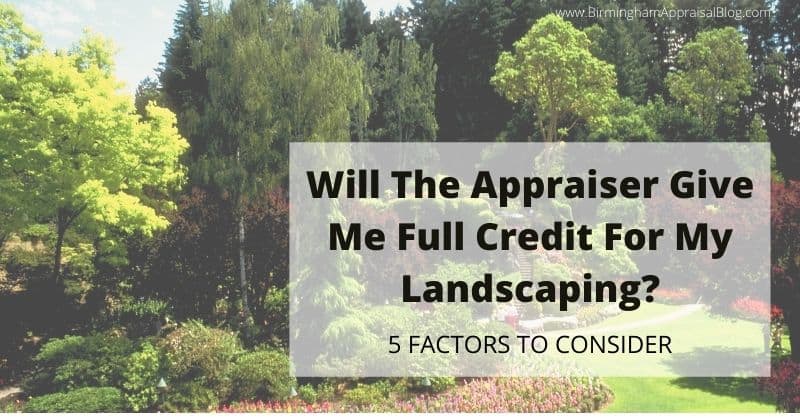
Landscaping can indeed play a significant role in a property appraisal. Appraisers consider various features when determining the value of a property, and the quality and condition of the landscaping can affect the overall assessment. Here’s an in-depth look at how landscaping factors into appraisals.
Importance of Curb Appeal
The first impression a potential buyer has of a property is often influenced by its curb appeal. Well-maintained landscaping enhances curb appeal, which can positively affect property value during an appraisal. The following aspects of curb appeal are crucial:
- First Impressions: A well-manicured lawn and attractive plants create a positive impact.
- Neighborhood Standards: Having landscaping that matches or exceeds local norms can boost value.
- Entrance Features: Pathways, lighting, and decorative elements contribute to an inviting atmosphere.
Types of Landscaping Features
Various landscaping features can enhance the value of a property. These may include elements such as trees, shrubs, gardens, and hardscaping. Here are some types of landscaping features that appraisers might consider:
- Trees and Shrubs: Mature trees and well-placed shrubs can significantly increase property value.
- Flower Beds: Colorful and maintained flower beds add visual interest and appeal.
- Hardscaping: Features like patios, decks, and walkways can extend living space and attract buyers.
Maintenance Level
The maintenance level of landscaping is crucial in an appraisal. Properties that require less upkeep are often more appealing to potential buyers. Factors include:
- Cleanliness: Well-kept lawns and flower beds demonstrate attention to detail.
- Health of Plants: A healthy landscape shows that the property has been well-cared for.
- Presence of Weeds and Debris: An overgrown landscape can deter potential buyers and lower value.
Regional Variations
Landscaping’s impact on appraisals can vary by region. In some areas, specific landscaping features may be more desirable than in others. Considerations include:
- Climate: Certain plants thrive better in specific climates, influencing their desirability.
- Local Trends: Trends such as xeriscaping in arid areas can affect appraisal values.
- Traditional Styles: Some regions may favor traditional landscaping designs over modern ones.
Landscaping as an Investment
Investing in quality landscaping can lead to an increase in property value. Appraisers often recognize the financial benefits of smart landscaping investments, which include:
- Return on Investment: Well-planned landscaping can offer a high return when a property is sold.
- Added Functionality: Features like outdoor living spaces increase utility and appeal.
- Energy Efficiency: Trees that provide shade can reduce cooling costs and improve marketability.
Questions from Our Readers
What landscaping features increase home value the most?
Landscaping features that significantly increase home value include well-maintained lawns, flower beds, and hardscaping elements such as patios and walkways. A professionally designed landscape creates a strong first impression and can enhance the overall aesthetic appeal of a property, ultimately attracting potential buyers and increasing its market value.
How much does landscaping affect home appraisal value?
Landscaping can affect home appraisal value by as much as 10-15%, depending on the quality and maintenance of the outdoor spaces. Curb appeal plays a crucial role in the appraisal process, as appraisers consider the overall condition and appearance of the property, including its landscaping, to determine its worth.
See also:
Which types of plants are best for increasing property value?
Plants that tend to increase property value include native species, low-maintenance perennials, and ornamental trees. These plants not only enhance the visual appeal of the landscape but are also more sustainable and cost-effective, making them an attractive option for potential buyers who appreciate eco-friendly landscaping solutions.
Is it worth investing in professional landscaping services?
Yes, investing in professional landscaping services can be worthwhile as it often results in higher property values and quicker sales. A professional landscape designer can create a cohesive and appealing design that maximizes the use of space, attracts buyers, and ultimately provides a better return on investment compared to DIY landscaping efforts.

If you want to read more articles like What Landscaping Adds the Most Value to a Home? Top Tips to Boost Your Property's Worth, we recommend you check out our Landscaping category.
Leave a Reply
Related Articles