What Kind of Wood Should I Use for a Trellis? The Best Options Explained
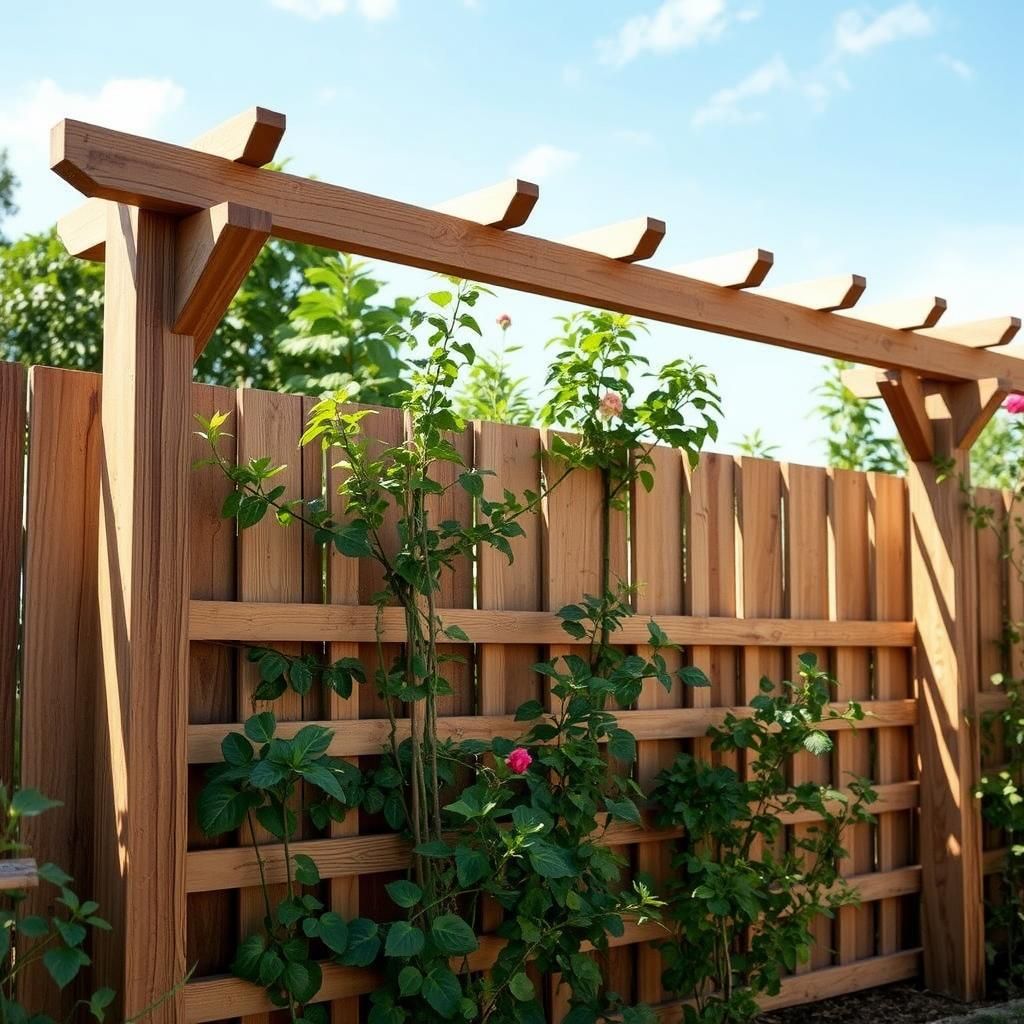
When it comes to enhancing your garden with a trellis, choosing the right type of wood is crucial for both aesthetics and durability. A trellis not only supports climbing plants but also adds character to your outdoor space. However, with various wood options available, each with distinct characteristics and benefits, selecting the best one can be daunting. This article will explore the most suitable types of wood for building a trellis, considering factors such as weather resistance, maintenance requirements, and overall appearance. By understanding your options, you can make an informed choice that complements your garden beautifully.
Choosing the Right Wood for Your Trellis
When selecting wood for a trellis, it is essential to consider several factors, including durability, aesthetic appeal, and cost. Cedar and redwood are popular choices due to their natural resistance to decay and insects, making them long-lasting options in outdoor settings. Alternatively, pressure-treated pine is a more affordable option, although it may require regular maintenance to prevent rot. The choice often depends on the specific plants you intend to support, the environment in which the trellis will be placed, and your personal preference for appearance. Ultimately, selecting the right wood ensures that your trellis not only serves its function of providing support for climbing plants but also enhances the overall look of your garden or outdoor space.
Benefits of Using Cedar for a Trellis
Cedar wood is highly valued for trellis construction due to its natural resistance to decay and insects. This longevity means that a cedar trellis can withstand the elements better than many other types of wood, reducing the need for frequent replacements. Additionally, cedar has a beautiful, aromatic scent and a warm color that enhances the visual appeal of any garden. With its lightweight properties, cedar is easy to work with during installation, making it an excellent choice for DIY enthusiasts.
Why Choose Redwood for Your Trellis
Redwood is another excellent option for constructing a trellis, thanks to its superb durability and natural resistance to the elements. This wood is often regarded as one of the most beautiful materials for outdoor structures, featuring rich hues and a fine grain. Additionally, redwood maintains its structural integrity over time, making it an investment that can last for decades with minimal maintenance. Its ability to withstand moisture without warping or rotting makes it ideal for trellises supporting climbing plants.
Pressure-Treated Pine: A Cost-Effective Option
Pressure-treated pine is a widely used material for trellises due to its lower cost compared to cedar and redwood. This wood undergoes treatment with preservatives that enhance its resistance to rot and insect damage, making it suitable for outdoor use. While it may not have the same aesthetic appeal as cedar or redwood, pressure-treated pine can be painted or stained to improve its appearance. It is worth noting that pressure-treated wood may require additional maintenance over time, including resealing and inspection for wear or damage.
See also: Can a Trellis Be Free Standing? Exploring the Benefits and Design Ideas
Factors to Consider When Choosing Wood
When choosing wood for a trellis, consider factors such as weather exposure, the type of plants to be supported, and overall budget. Weather exposure will influence the type of wood that can withstand your local climate conditions. Some plants may require sturdier support, necessitating a more durable wood choice. Additionally, it's essential to balance your budget with the wood's longevity and maintenance needs to ensure a satisfactory return on your investment.
Maintenance Tips for Wooden Trellises
To prolong the life of your wooden trellis, regular maintenance is necessary. This can include annual inspections for signs of rot or insect damage, particularly in untreated wood types. Applying a protective sealant or wood preservative will enhance the wood's durability and water-resistance, especially for pressure-treated varieties. Cleaning the trellis with a gentle brush to remove dirt and debris can also help maintain its appearance and structural integrity, ensuring that it remains a functional and attractive addition to your garden.
| Type of Wood | Durability | Cost | Aesthetic Appeal |
|---|---|---|---|
| Cedar | High | Moderate | Warm Color |
| Redwood | Very High | High | Rich Hues |
| Pressure-Treated Pine | Moderate | Low | Variable |
Choosing the Right Type of Wood for Your Trellis: Key Considerations
When selecting wood for a trellis, it's crucial to consider factors such as durability, resistance to weather conditions, and the type of climbing plants you intend to use. Certain woods, like cedar and redwood, have natural resistance to rot and pests, making them excellent choices for outdoor structures. Additionally, the aesthetics and maintenance requirements of different wood types can also impact your decision, as untreated wood may require regular sealing or staining to prolong its lifespan.
Cedar: The Ideal Choice for Durability
Cedar is renowned for its durability and natural resistance to rot and insects, making it an excellent option for trellises that will endure the elements. This wood also boasts a rich, warm color that enhances the visual appeal of your garden. Its aromatic oils act as a natural preservative, allowing cedar structures to last for many years with minimal maintenance.
Redwood: Aesthetics and Strength Combined
Redwood is not only visually striking, with its rich hues and attractive grain, but it also offers great strength and resistance to decay. This wood can support heavier plants and withstand harsh weather, making it a preferred option for gardeners looking for a balance between form and function. When properly treated, redwood can maintain its beauty and structural integrity over time.
See also:
Pressure-Treated Pine: Cost-Effective Option
Pressure-treated pine is an economical choice for trellis construction, designed to resist fading and rot due to chemical treatments during its production. While it may not have the same natural resistance as cedar or redwood, its affordability is an attractive factor for those on a budget. To increase its longevity, applying a protective stain or sealant can help maintain its condition.
Composite Materials: Modern Alternative to Wood
Composite materials, made from a blend of wood fibers and plastic, offer several benefits for trellis construction, including low maintenance and resistance to decay. Unlike traditional wood, composites do not require staining or sealing, and they are available in various colors and styles to suit different aesthetic preferences. This modern alternative is especially appealing for gardeners looking for durability without the upkeep associated with real wood.
Choosing the Right Finish for Wooden Trellises
The finish you apply to your wooden trellis plays a significant role in its longevity and overall appearance. Sealants and paints not only protect against moisture and UV damage but can also enhance the beauty of the wood. Each type of finish has its unique properties, so selecting the right one based on the wood type and your environmental conditions is essential to ensure the trellis remains both functional and attractive over time.
Questions from Our Readers
What type of wood is best for a trellis?
The best type of wood for a trellis is typically cedar or redwood, as they are naturally resistant to decay and insects. These woods are durable and can withstand outdoor conditions, making them ideal for supporting plants.
Can I use pressure-treated wood for my trellis?
Yes, you can use pressure-treated wood for your trellis; however, it's essential to let it dry out and weather for several months before using it, as the chemicals used in pressure treatment can be harmful to plants.
See also:
How long will untreated wood last in a trellis?
Untreated wood can last anywhere from 1 to 5 years, depending on environmental conditions and maintenance. To enhance its longevity, consider using a wood sealant or stain to protect it from moisture and rot.
Is there a less expensive alternative to wood for a trellis?
Yes, bamboo is a cost-effective alternative to wood for a trellis. It's lightweight, easy to work with, and provides a natural aesthetic, though it may not be as durable as traditional hardwoods.

If you want to read more articles like What Kind of Wood Should I Use for a Trellis? The Best Options Explained, we recommend you check out our Trellis category.
Leave a Reply
Related Articles