Ultimate Guide: What Kind of Wire Should I Use for a Trellis?
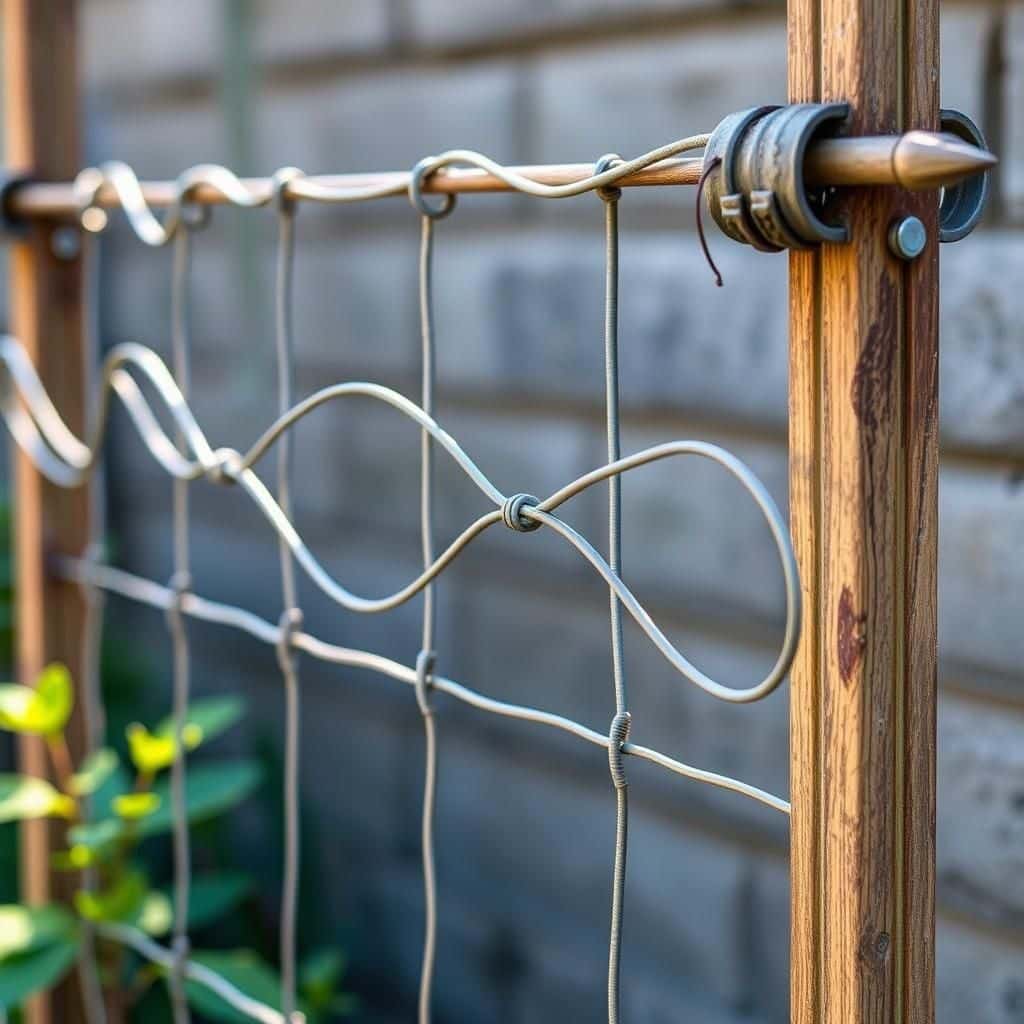
When it comes to building a trellis, selecting the right type of wire is crucial for ensuring durability, functionality, and aesthetic appeal. With a myriad of options available, from metal to synthetic materials, gardeners often find themselves overwhelmed by the choices. Each type of wire has its unique benefits and potential drawbacks, influencing the overall success of your trellis structure. This ultimate guide will explore the various wire types suitable for trellises, offering insights into their features, advantages, and best applications. Whether you're supporting climbing plants or creating an artistic garden focal point, understanding your options is key to achieving the best results.
What Kind of Wire to Use for a Trellis
When choosing wire for a trellis, it is crucial to consider factors such as strength, durability, and rust resistance. Typically, galvanized steel wire or stainless steel wire is recommended due to their ability to withstand outdoor conditions without corroding. The wire's gauge is also important; thicker wires (lower gauge numbers) provide better support for climbing plants. Opt for wire that is at least 14 gauge to ensure it can bear the weight of the plants as they grow. Additionally, make sure the wire is easy to work with and can be securely attached to the trellis structure.
Types of Wire for Trellis
There are various types of wire you can use for your trellis, including soft wire, galvanized wire, and barbed wire. Soft wire is often more flexible and easier to manipulate, making it suitable for smaller plants. Galvanized wire is coated with a layer of zinc, which prevents rusting and increases its lifespan in outdoor conditions. Barbed wire, while typically used for fencing, can be utilized for sturdier plants but may not be appropriate for delicate climbing species.
Wire Gauge and Strength
The wire gauge is a critical consideration when selecting wire for a trellis. Higher gauge numbers (such as 18 or 20) indicate thinner wire, while lower numbers (14 or 12) represent thicker wire. Thicker wire can support heavier vines and climbing plants, while thinner wire is more suitable for lightweight species. It is advisable to choose a wire that is at least 14 gauge to provide adequate strength and support as plants mature.
Rust Resistance
Rust resistance is an essential factor in prolonging the life of your trellis wire. Galvanized steel wire is a popular choice for its excellent rust resistance due to its protective zinc coating. Stainless steel wire is another option noted for its high endurance and resistance to corrosion, making it ideal for harsh weather conditions. By selecting rust-resistant wire, you ensure that your trellis remains stable and effective over time.
See also:
Easy Installation and Maintenance
When selecting wire for a trellis, consider how easy it is to install and maintain. Some wires may require special tools or techniques for installation, which can complicate the process. Choose wire that can be easily threaded through the trellis structure and secured firmly without excessive effort. Regular maintenance checks for wear and tear can help prolong the longevity of the wire used on the trellis.
Cost Considerations
Cost can also be a factor when choosing wire for your trellis. Prices may vary based on the type of wire, its gauge, and its rust resistance properties. While galvanized wire is generally more affordable, stainless steel wire may cost more but offers greater longevity. Assess your budget and the long-term benefits of investing in higher quality wire versus cheaper options that may require replacement more frequently.
| Type of Wire | Advantages | Disadvantages |
|---|---|---|
| Soft Wire | Easy to work with | Less durable |
| Galvanized Wire | Rust-resistant, cost-effective | Can be less durable than stainless steel |
| Stainless Steel Wire | Very durable, high rust resistance | More expensive |
| Barbed Wire | Sturdy for heavy plants | Not suitable for delicate species |
Choosing the Right Material for Your Trellis Wire
When it comes to building a trellis, selecting the correct wire material is crucial for ensuring the durability and effectiveness of your gardening structure. The most common options include steel, aluminum, and nylon. Galvanized steel is often favored for its strength and resistance to rust, while aluminum is lightweight and won’t corrode, making it easier to handle. Choose a wire that can adequately support the plants you want to grow, factoring in the weight of foliage and additional elements such as wind resistance. Ultimately, the right wire will depend on the specific plants, environment, and long-term goals for your trellis.
Types of Wire for Trellises
There are several types of wire suitable for trellises, including galvanized steel wire, plastic-coated wire, and tension wire. Galvanized steel is known for its durability and ability to withstand various weather conditions. Plastic-coated wire adds an additional layer of protection against rust and provides a softer touch for delicate plants. Tension wire is often used to create a taut structure, ensuring that plants have adequate support as they grow. Each type offers unique benefits, making it essential to consider your specific gardening needs before making a choice.
Wire Gauge for Trellis Support
The gauge of trellis wire is a significant factor that impacts its strength and overall performance. Lower gauge numbers represent thicker wire, providing better support for heavier plants. A 14-gauge wire is typically robust enough for most climbing plants, while lighter 18-gauge wire may be sufficient for delicate flowers. Choosing the right gauge will ensure that your trellis can handle the weight of growing vegetation without bending or breaking over time.
See also: Can a Trellis Be Free Standing? Exploring the Benefits and Design Ideas
Length and Thickness Considerations
When determining the length and thickness of wire needed for your trellis, it is vital to evaluate the size of the structure and the plants you intend to grow. Longer trellises may require continuous wire runs to prevent sagging, while thicker wire will offer better stability. Consider how far apart the support structures will be placed and the overall design of your trellis for effective weight distribution and plant support.
Weather Resistance of Trellis Wire
In order to ensure longevity, it is crucial to select weather-resistant wire for your trellis. Materials like galvanized steel are specifically designed to resist the damaging effects of moisture and oxidation, extending the lifespan of your trellis. Additionally, if you live in an area with extreme temperatures or high humidity, opting for wires with special coatings can provide enhanced protection. This will save money in the long run by minimizing the need for repairs or replacements.
Budget Considerations for Trellis Wire
Budget plays an essential role when selecting the right wire for your trellis. While higher-quality materials such as stainless steel or heavy-duty galvanized options may initially seem expensive, their durability can lead to cost savings over time as they require less maintenance and replacement. Evaluate your budget against the lifespan and performance you expect from your trellis to find a wire option that balances cost with long-term efficiency.
Questions from Our Readers
What type of wire is best for a trellis?
The best type of wire for a trellis is typically galvanized steel wire. This material is strong and resistant to rust and corrosion, making it ideal for outdoor use. Another good option is stainless steel wire, which provides even greater durability and longevity.
How thick should the wire be for a trellis?
The wire thickness can vary depending on what you plan to grow, but a gauge of 12 to 16 is generally appropriate for most trellis applications. A thicker wire offers greater strength and support for heavier plants, while thinner wire may work for lighter options.
See also:
Can I use plastic-coated wire for a trellis?
Yes, you can use plastic-coated wire for a trellis; however, ensure that it is also strong and durable. The plastic coating can provide additional weather resistance and may help reduce the risk of rust, but be aware that it may not be as strong as metal options.
How do I attach the wire to the trellis structure?
To attach the wire to the trellis structure, you can use staples, brackets, or tensioners to secure the wire tightly. Ensuring a tight fit is essential to provide adequate support for the plants and help them grow properly along the trellis.

If you want to read more articles like Ultimate Guide: What Kind of Wire Should I Use for a Trellis?, we recommend you check out our Trellis category.
Leave a Reply
Related Articles