What Kind of Floor is Best for a Greenhouse? Expert Tips and Recommendations
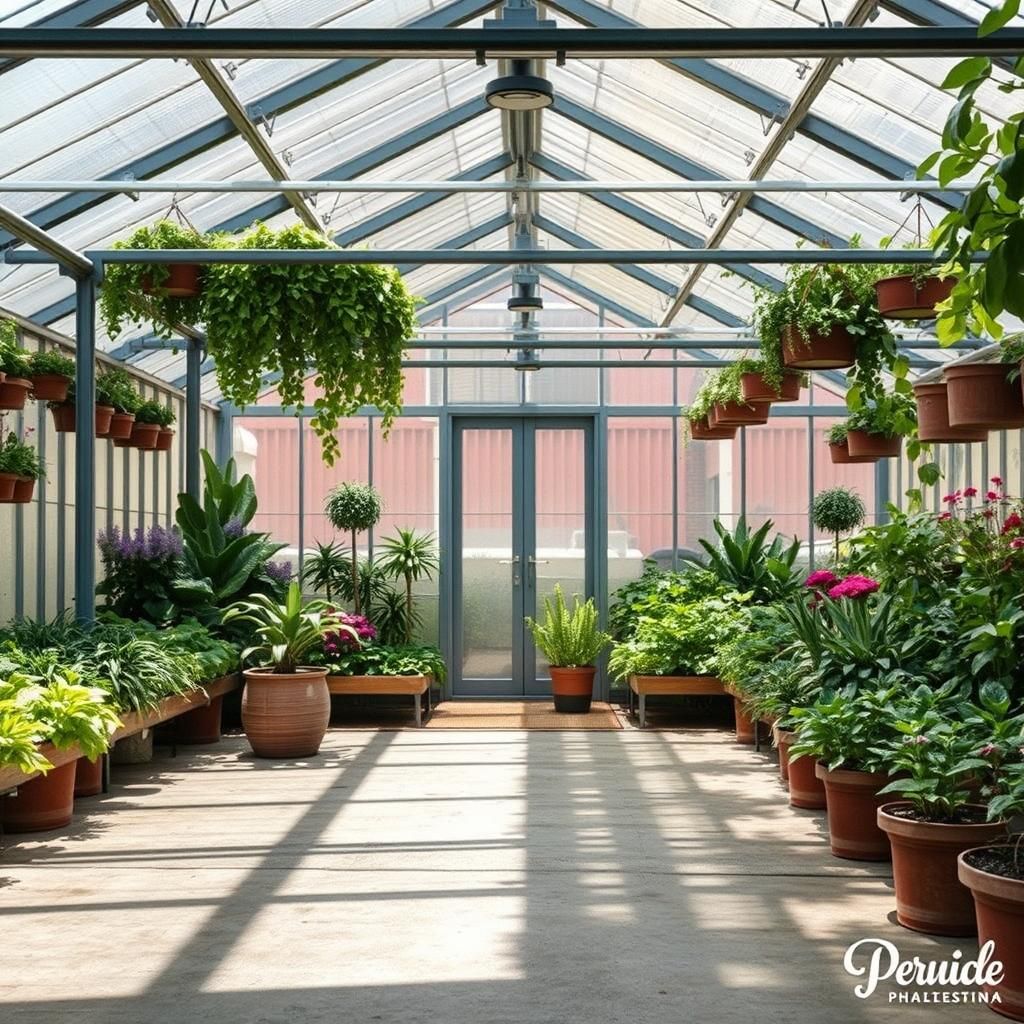
Choosing the right flooring for your greenhouse is crucial for optimal plant health and easy maintenance. The floor type not only affects water drainage, temperature regulation, and pest control, but also contributes to the overall aesthetics and functionality of the space. With various flooring options available—from gravel and concrete to wooden decking and tiles—it's essential to consider factors such as durability, cost, and environmental impact. In this article, we will provide expert tips and recommendations to help you select the best flooring for your greenhouse, ensuring a thriving environment for your plants and an efficient workspace for you.
Choosing the Best Floor for Your Greenhouse
When selecting the best flooring for your greenhouse, it's essential to consider factors such as drainage, aesthetic appeal, and ease of maintenance. Some popular options include concrete, gravel, and wooden decking. Concrete provides a sturdy, permanent surface that can withstand heavy equipment and offers excellent drainage when installed with proper sloping. On the other hand, gravel is an economical choice that promotes good drainage and can inhibit weed growth while allowing for easy movement of plants. Lastly, wooden decking brings a natural aesthetic but requires regular maintenance to prevent rot and degradation over time.
Benefits of Concrete Flooring
Concrete flooring is one of the most durable options available for a greenhouse. It offers an extremely stable surface that can endure the weight of pots and heavy equipment. Additionally, it can be easily cleaned and treated to prevent mold and mildew growth. Properly installed, concrete can also include sloping to help with drainage, ensuring that excess water does not accumulate.
The Advantages of Gravel Floors
Gravel floors are an excellent choice for greenhouses intending to maintain natural aesthetics while promoting good drainage. The small stones allow rainwater to pass through while providing a stable base for pots and plants. Moreover, gravel discourages the growth of weeds which can take nutrients away from your plants. Depending on the thickness of the layer, gravel is a low-cost flooring option that is relatively easy to install.
Wooden Decking Pros and Cons
Wooden decking adds a warm, natural look to any greenhouse but comes with pros and cons. On the plus side, it is visually appealing and can be easily detailed to fit individual styles. However, wood is susceptible to decay and pest infestation if not maintained regularly. Regular sealing and treatment with weather-resistant products can prolong its life, yet it may still require more upkeep compared to concrete or gravel.
Considerations for Drainage
Proper drainage is crucial regardless of the flooring option you choose for your greenhouse. For concrete floors, ensure they are slightly sloped towards drainage points to prevent water accumulation. When opting for gravel, choose a depth of at least three inches to facilitate effective water runoff and aeration for plant roots. Proper drainage prevents standing water that can attract pests and foster disease.
Cost Comparisons of Flooring Options
When evaluating costs, it's important to examine both initial investments and long-term upkeep for each flooring option. Concrete tends to have a higher upfront cost but lower maintenance costs over time. Gravel is usually the most affordable to install, but it may require periodic replenishing. Wooden decking has moderate initial costs but higher maintenance and replacement costs, making it a less budget-friendly option in the long run.
| Flooring Type | Initial Cost | Maintenance Frequency | Durability |
|---|---|---|---|
| Concrete | High | Low | Very High |
| Gravel | Low | Moderate | Medium |
| Wooden Decking | Moderate | High | Low to Medium |
What is the most ideal flooring for a greenhouse?

The most ideal flooring for a greenhouse typically takes into account several factors including drainage, ease of maintenance, insulation, and the types of plants being grown. Here are the most common flooring options suitable for greenhouses and their attributes:
1. Gravel:
- Gravel is a popular choice due to its excellent drainage properties. This flooring option allows excess water to flow through easily, preventing waterlogging that can harm plant roots.
- Advantages of gravel flooring include:
- Drainage: Keeps the environment dry and reduces root rot.
- Cost-Effectiveness: Generally inexpensive and easy to install.
- Soil Aeration: Improved air circulation for plant roots.
Concrete Flooring
Concrete flooring is another common choice in greenhouse construction. It provides a solid and stable base, making it suitable for heavy equipment and frequent foot traffic.
- Key points about concrete flooring include:
- Durability: Long-lasting and resistant to wear and tear.
- Ease of Cleaning: A smooth surface that can be easily swept and washed down.
- Insulation Options: Can be insulated underneath to help maintain temperature.
Tiles or Pavers
Using tiles or pavers can offer a visually appealing flooring option for greenhouses while providing functional benefits. They can be made from various materials, including ceramic or concrete.
- Benefits of tiles or pavers include:
- Aesthetic Appeal: Available in different designs and colors.
- Resistance to Weeds: Difficult for weeds to penetrate between the tiles.
- Temperature Regulation: Can help moderate temperature fluctuations.
Rubber Flooring
Rubber flooring is becoming increasingly popular in greenhouses due to its resilience and ability to provide cushioning. This type of flooring is particularly useful for areas where workers may spend long hours.
- Advantages of rubber flooring:
- Cushioning: Provides comfort and reduces fatigue for workers.
- Slip Resistance: Safer under wet conditions compared to other surfaces.
- Easy Installation: Available in rolls or tiles for hassle-free setup.
Soil or Mulch
Some greenhouses opt for no formal flooring, using natural soil or mulch instead. This option aligns closely with gardening practices and can enhance soil health.
- Considerations when using soil or mulch:
- Natural Biodiversity: Supports microorganisms and earthworms.
- Cost-Effective: Requires fewer materials and is easy to establish.
- Organic Matter: Adds nutrients and improves soil structure over time.
What is the best surface for a greenhouse floor?
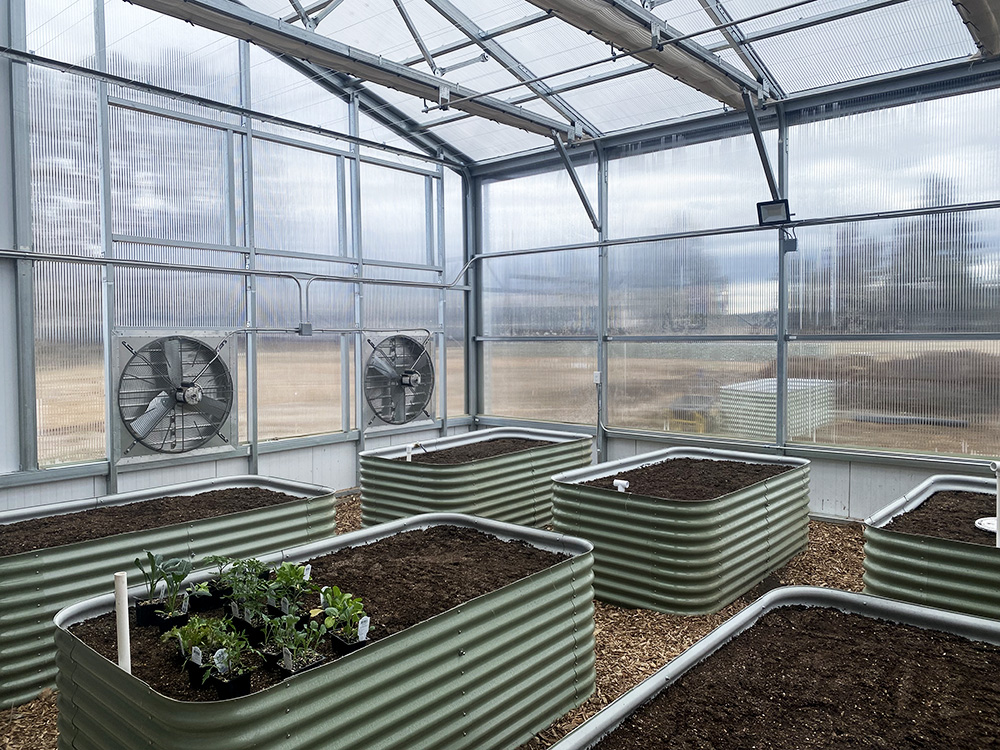
The best surface for a greenhouse floor can vary depending on the specific needs of the plants, the climate, and the overall functionality of the greenhouse. However, several materials are commonly recommended for greenhouse flooring due to their durability, ease of maintenance, and ability to support healthy plant growth.
Top Choices for Greenhouse Flooring
One of the most popular options for greenhouse flooring is gravel. It provides good drainage and air circulation for the roots of plants. Additionally, gravel can help to control weeds and create a stable surface. Here are some alternatives to consider:
- Concrete: Offers a solid and durable surface; ideal for heavy equipment.
- Brick or Pavers: Aesthetic and provides good drainage while being sturdy.
- Wood Chips: Organic and biodegradable, beneficial for soil health.
Benefits of Gravel Flooring
Gravel flooring is praised for its ability to promote drainage and prevent waterlogging, which can be detrimental to plant roots. Furthermore, it is relatively inexpensive and easy to install. Key benefits include:
- Excellent Drainage: Prevents standing water which can lead to root rot.
- Weed Control: Limits weed growth by covering the ground surface.
- Air Circulation: Enhances aeration around plant roots.
Considerations for Concrete Floors
Concrete floors are ideal for commercial greenhouses where heavy equipment might be used. They are resilient and easy to clean, making them a good investment for long-term use. Important considerations include:
- Durability: Can withstand heavy loads and frequent foot traffic.
- Heat Retention: Absorbs warmth during the day, releasing it at night.
- Requires Drainage Solutions: Must be integrated properly to prevent pooling.
Using Wood Chips as a Natural Option
Wood chips create a natural and warm surface for your greenhouse floor. They also break down over time, contributing organic matter to the soil, which can enhance plant health. Key advantages include:
- Soil Enrichment: Decomposes slowly, adding nutrients back into the soil.
- Natural Look: Provides an aesthetically pleasing environment.
- Good Insulation: Keeps the ground warmer in colder climates.
Maintenance Requirements for Greenhouse Floors
Regardless of the flooring material, maintenance is essential to ensure an optimal growing environment. Consider the following maintenance tasks:
- Weed Management: Regularly check and remove any weed growth.
- Mold and Algae Control: Clean surfaces to discourage growth.
- Replacement and Repair: Monitor conditions and replace damaged materials as needed.
Cost-Effectiveness and Budgeting
When choosing a greenhouse floor surface, it’s important to also consider the budget. Different materials vary in cost, so weighing their benefits against your budget is necessary. Consider:
- Initial Investment: Analyze upfront costs, including labor and materials.
- Longevity: Factor in how long the material will last before needing replacement.
- Maintenance Costs: Calculate future costs to keep the surface in good condition.
What is the best bottom for a greenhouse?

The best bottom for a greenhouse significantly impacts its functionality, longevity, and the overall health of the plants grown within it. Various factors must be considered, including drainage, temperature control, and weed prevention. Below are several options, each with its advantages.
1. Gravel Base
A gravel base is often regarded as one of the best options for greenhouse flooring. It allows for excellent drainage, which is crucial to prevent waterlogging that can damage plant roots.
- Drainage: Gravel facilitates quick drainage of excess water.
- Weed Control: A gravel layer can serve as a barrier against weeds, reducing competition for nutrients.
- Temperature Regulation: Gravel can help moderate soil temperatures within the greenhouse.
2. Concrete Slab
Using a concrete slab for the greenhouse bottom provides a solid, durable surface that is easy to maintain. It offers certain advantages for those looking for permanence.
- Durability: Concrete is highly resilient and can withstand heavy equipment and foot traffic.
- Cleanup: It is easy to clean, allowing for better hygiene and pest control.
- Temperature Retention: Concrete can retain heat, helping to maintain a stable environment.
3. Pavers or Bricks
Pavers or bricks provide a visually appealing option while offering functionality. They can be arranged in a way that provides sufficient drainage and stability.
- Custom Design: They can be arranged in various designs to suit aesthetic preferences.
- Drainage: Gaps between pavers help with water drainage.
- Flexibility: Easy to replace individual pavers if damaged.
4. Bark Mulch
Bark mulch can create a natural look within the greenhouse while also providing certain benefits for plant health. However, it requires regular maintenance.
- Organic Matter: Bark mulch adds organic material to the soil as it decomposes.
- Moisture Retention: It helps retain soil moisture, beneficial for plant growth.
- Weed Suppression: A thick layer can impede weed growth effectively.
5. Soil Mix with Gravel
A mixed approach that combines soil and gravel can yield excellent results for a greenhouse bottom. This approach taps into the benefits of both materials.
- Plant Health: Soil provides essential nutrients, while gravel aids drainage.
- Root Aeration: It enhances aeration, promoting healthier root systems.
- Customizable: You can adjust the soil-to-gravel ratio based on specific plant requirements.
What is the best base to put a greenhouse on?
The best base to put a greenhouse on depends largely on the type of greenhouse, local climate, and personal preferences. However, common options include concrete, gravel, wood, and paving stones. Each base material has its advantages and disadvantages which can affect the functionality, stability, and overall health of the plants inside the greenhouse.
The Importance of Choosing the Right Greenhouse Base
Choosing the right base is crucial for maximizing the efficiency and durability of your greenhouse. The base needs to provide a stable, flat surface while allowing for proper drainage and ventilation. Additionally, the base affects how easily you can maintain your greenhouse and can impact pest management strategies.
- Stability: A solid foundation prevents the structure from shifting or settling unevenly.
- Drainage: It allows excess water to escape, reducing the risk of mold and root rot.
- Accessibility: An appropriate base can make it easier to move within the greenhouse and maintain plants.
Concrete Bases
A concrete base is often regarded as one of the most stable and long-lasting options for a greenhouse. It provides a solid ground that minimizes the likelihood of pests and weeds while also helping to regulate temperature.
- Durability: Concrete can withstand various weather conditions and does not deteriorate over time.
- Maintenance: It is easy to clean and less prone to pests compared to organic materials.
- Heat Retention: Concrete can help retain heat, creating a warmer environment for plants.
Gravel Bases
Gravel is a popular choice for greenhouse bases due to its excellent drainage capabilities, which prevent water from pooling around the foundation.
- Drainage: Gravel allows water to drain freely, reducing the risk of oversaturation.
- Weed Control: By using landscaping fabric beneath the gravel, you can significantly reduce weed growth.
- Flexibility: It is an easy base to work with and can be adjusted as necessary during setup.
Wooden Bases
Wood can offer an aesthetically pleasing option for a greenhouse base, making it a popular choice among gardeners who want a natural look. However, it requires specialized treatment to resist rot and pests.
- Insulation: Wood can help insulate the greenhouse, maintaining a more stable internal temperature.
- Cost-Effective: It can be less expensive compared to concrete or other materials.
- Environmentally Friendly: Using sustainably sourced wood can align with eco-conscious gardening practices.
Paving Stones or Bricks
Paving stones or bricks create a solid base that is visually appealing and highly functional. They can also provide good drainage and allow for airflow under the structure.
- Customizability: Different patterns and colors can enhance the visual appeal of your greenhouse.
- Drainage: Spacing between stones allows for proper water flow and aeration.
- Longevity: High-quality paving stones are weather-resistant and can last for many years.
Considerations for Local Climate
The local climate significantly affects the choice of greenhouse base. Factors like frost depth, rainfall, and wind patterns should all be considered when selecting the appropriate base material.
- Frost Line: In colder regions, the base must be below the frost line to prevent heaving.
- Wind Resistance: The base should be stable enough to withstand strong winds, especially for larger structures.
- Water Management: In areas with heavy rainfall, a well-drained base is essential to avoid waterlogging.
Questions from Our Readers
What type of flooring is recommended for a greenhouse?
A combination of gravel, stone, or concrete is often recommended for greenhouse flooring. These materials provide excellent drainage, are durable, and can withstand the moisture associated with plant care.
Is it better to use soil or hard flooring in a greenhouse?
Using hard flooring such as concrete or tiles can help mitigate weeds and pests, making it often a better choice than soil. Hard flooring also allows for easier cleaning and maintenance, while still providing a stable environment for plants.
Can I use wood flooring in my greenhouse?
While wood flooring is attractive, it may not be the best option due to its susceptibility to rot, mold, and insect damage in a high-humidity environment. If you choose wood, ensure it is treated and consider using a drainage layer beneath it.
What materials are not suitable for greenhouse flooring?
Some materials, such as carpet or soil, are typically not suitable for greenhouse flooring. These materials trap moisture and can lead to mold and bacteria growth, which can harm the plants you are trying to cultivate.
If you want to read more articles like What Kind of Floor is Best for a Greenhouse? Expert Tips and Recommendations, we recommend you check out our Greenhouse category.
Leave a Reply
Related Articles