What Kind of Fertilizer Do Most Farmers Use? A Comprehensive Guide to Agricultural Fertilization
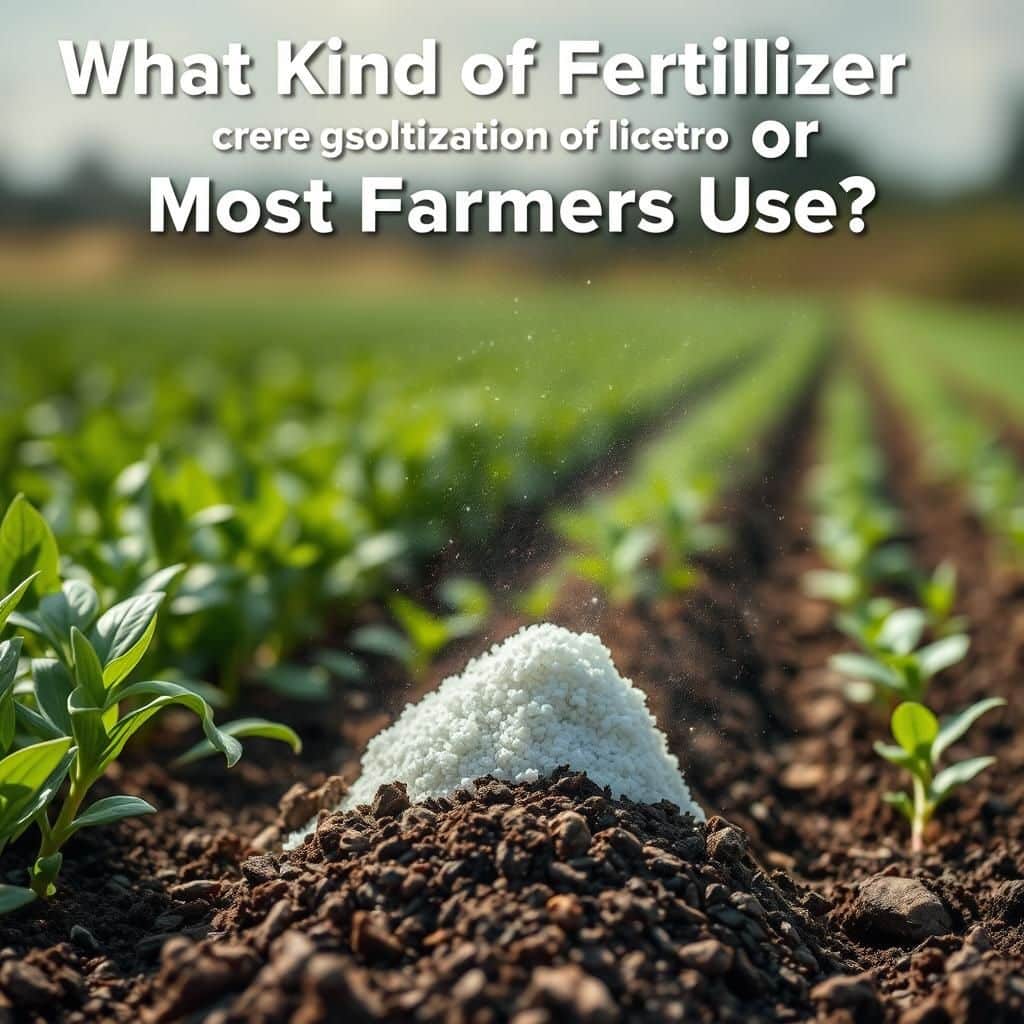
Fertilization is a cornerstone of modern agriculture, directly impacting crop yield and quality. With a myriad of options available, farmers must choose the right fertilizers to meet the specific needs of their soil and crops. This comprehensive guide delves into the various types of fertilizers commonly used in agriculture, including organic, synthetic, and specialty products. We will explore their composition, application methods, and the best practices for maximizing their effectiveness. Whether you're a seasoned farmer or a newcomer to the field, understanding the nuances of fertilization is essential for sustaining agricultural productivity and ensuring food security.
Common Types of Fertilizers Used by Farmers
Most farmers utilize a variety of fertilizers to enhance soil fertility and boost crop yields, with nitrogen-based, phosphorus-rich, and potassium fertilizers being the most commonly used. Nitrogen fertilizers are particularly popular due to their role in promoting leafy growth and overall plant health. Phosphate fertilizers are essential for root development and flowering, while potassium fertilizers help strengthen plants against diseases and improve drought resistance. Additionally, many farmers are increasingly turning to organic fertilizers, such as compost and manure, which not only enrich the soil but also enhance its structure and microbial activity. This diverse approach to fertilization helps ensure crops receive the necessary nutrients for optimal growth.
Nitrogen Fertilizers
Nitrogen fertilizers are widely used among farmers because they play a critical role in plant growth by facilitating the synthesis of chlorophyll, which is essential for photosynthesis. Common forms of nitrogen fertilizers include urea, ammonium nitrate, and anhydrous ammonia. These fertilizers can significantly increase crop yields by promoting vigorous vegetative growth, making them a staple in cereal and vegetable farming.
Phosphate Fertilizers
Phosphate fertilizers are crucial for enhancing root structure and promoting flowering and fruiting in plants. Common sources include single superphosphate and triple superphosphate. They are particularly effective in soils low in phosphorus, which is vital for cellular processes such as energy transfer and photosynthesis. Farmers often apply these fertilizers during the planting stage to ensure optimal absorption by young plants.
Potassium Fertilizers
Potassium fertilizers are essential for plant health, as potassium regulates multiple physiological processes, including water uptake and stress resilience. Common types include potassium chloride and potassium sulfate. These fertilizers help improve the overall quality of the crops, making them more resistant to diseases and environmental stressors, which is particularly important in commercial agriculture where product quality is paramount.
Organic Fertilizers
Increasingly, farmers are opting for organic fertilizers, such as compost, manure, and green manure, to improve soil health sustainably. Organic fertilizers not only supply essential nutrients but also enhance the soil structure and support beneficial microorganisms. This practice promotes long-term soil fertility and can lead to more resilient agroecosystems, as organic matter plays a vital role in retaining moisture and supporting biodiversity.
Liquid Fertilizers
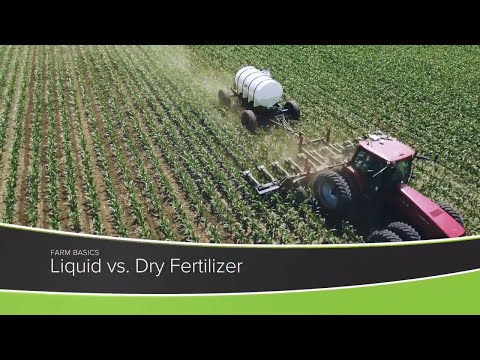
Liquid fertilizers are another option that farmers frequently use due to their quick absorption by plants. These fertilizers, which come in solutions of nutrients such as nitrogen, phosphorus, and potassium, can be applied through fertigation or as foliar sprays. The immediacy of nutrient availability from liquid fertilizers allows for more precise applications to meet crop needs at specific growth stages, thereby optimizing efficiency and productivity.
| Fertilizer Type | Main Nutrient | Common Use |
|---|---|---|
| Nitrogen Fertilizers | Nitrogen | Leafy crops |
| Phosphate Fertilizers | Phosphorus | Root development and flowering |
| Potassium Fertilizers | Potassium | Disease resistance and stress tolerance |
| Organic Fertilizers | Various | Soil health improvement |
| Liquid Fertilizers | Nitrogen, Phosphorus, Potassium | Rapid nutrient uptake |
Type of Fertilizers and Their Impact on Crop Yields
Most farmers utilize a combination of synthetic and organic fertilizers to enhance soil fertility and improve crop yields. Synthetic fertilizers, which are chemically formulated, are valued for their precise nutrient content, allowing farmers to tailor applications to specific crop needs and soil conditions. Meanwhile, organic fertilizers, derived from natural sources such as compost and animal manure, contribute to long-term soil health by improving soil structure and microbial activity. The choice of fertilizer often depends on factors such as crop type, soil quality, environmental regulations, and economic considerations, making it essential for farmers to stay informed about the latest advances in agricultural fertilization practices.
Types of Synthetic Fertilizers
Synthetic fertilizers are broadly classified into three primary categories: nitrogen, phosphorus, and potassium fertilizers, commonly referred to as NPK fertilizers. Nitrogen fertilizers, such as urea and ammonium nitrate, are crucial for promoting vegetative growth, while phosphorus fertilizers, like superphosphate, support root development and flowering. Potassium fertilizers enhance overall plant health, improving drought resistance and nutrient uptake. The precise application of these fertilizers maximizes crop yields and ensures efficient nutrient use, benefitting both the farmers and the environment.
Organic Fertilizers and Their Benefits
Organic fertilizers provide a sustainable alternative to synthetic options, enriching the soil with essential nutrients over time. Composed of natural materials such as compost, manure, and cover crops, these fertilizers improve soil structure and promote microbial diversity. The slow-release nature of organic fertilizers allows for steady nutrient availability, reducing the risk of nutrient runoff and promoting environmental sustainability in farming practices. Moreover, the use of organic fertilizers aligns with growing consumer demand for organic produce, enabling farmers to market their crops more effectively.
Soil Testing and Fertilizer Application
Determining the appropriate type and amount of fertilizer is critical for successful crop production, which is why soil testing is essential. Soil testing helps farmers assess the nutrient content and pH levels of their soil, enabling them to make informed decisions about fertilizer application. By identifying deficiencies or excesses of specific nutrients, farmers can tailor their fertilizer strategies to optimize crop performance and minimize wasted resources. This practice also helps in reducing environmental harm by mitigating the risks of over-fertilization.
Sustainable Fertilization Practices
Sustainable fertilization practices are designed to improve agricultural productivity while minimizing the negative impacts on the environment. Techniques such as crop rotation, cover cropping, and integrated nutrient management promote the efficient use of fertilizers and enhance soil fertility naturally. By maintaining healthy soil ecosystems, farmers can reduce their reliance on synthetic fertilizers, thereby decreasing greenhouse gas emissions associated with fertilizer production and use. These practices contribute to long-term agricultural resilience and enhance food security.
Regulations and Best Practices in Fertilizer Use
Farmers are subject to various regulations governing the use of fertilizers, aimed at protecting water quality and public health. Following best practices in fertilizer application, such as adhering to recommended application rates and times, is essential for compliance and environmental stewardship. Implementing practices like buffer zones near waterways and using precision agriculture technologies can further optimize fertilizer use and prevent nutrient runoff. Educating farmers on these regulations and best practices is vital for promoting responsible agricultural practices and preserving natural resources.
Questions from Our Readers
What kind of fertilizer do most farmers use?
Most farmers commonly use nitrogen-based fertilizers like urea and ammonium nitrate, because they significantly enhance crop growth and yield. These fertilizers supply essential nutrients that plants need for photosynthesis and overall health.
Are there organic alternatives to chemical fertilizers?
Yes, many farmers are turning to organic fertilizers such as compost, manure, and bone meal, which improve soil health and enhance nutrient availability without the risks associated with chemical inputs.
What are the benefits of using different types of fertilizers?
Using a combination of different types of fertilizers can optimize nutrient uptake, improve soil structure, and enhance plant resilience against pests and diseases, ultimately leading to higher yields and more sustainable farming practices.
How do farmers determine the right fertilizer for their crops?
Farmers typically conduct soil tests to assess nutrient levels and pH, which guide them in selecting the appropriate type and amount of fertilizer needed to meet the specific requirements of their crops.
If you want to read more articles like What Kind of Fertilizer Do Most Farmers Use? A Comprehensive Guide to Agricultural Fertilization, we recommend you check out our Fertiliser category.
Leave a Reply
Related Articles